Larval density can be used to predict genetic modifiers of glucagon signaling in Drosophila melanogaster
Audrey Nicol, Malaika Ahmed, Chelsea Fischer, John G. Garces, Shana Magnus, Nay Maung, Nicholas Molisani, Sophia Petrov, Rebecca A. S. Palu

TL;DR
This study uses fruit flies to identify genes that modify the effects of glucagon signaling, which could help in understanding obesity and developing new treatments.
Contribution
The study introduces a novel method using larval density to identify genetic modifiers of glucagon signaling in Drosophila.
Findings
THADA and AmyD are highlighted as key genes affecting larval density and metabolite levels.
Modifier genes were identified through a genome-wide association study using larval density.
Results from the density assay matched direct measurements of metabolite levels under different conditions.
Abstract
Obesity is a growing concern. 42.3% of people in the U.S were considered obese between 2017–2018. Much is still unknown about the genetic components that contribute to weight gain. In humans, the hormone glucagon is a major contributor to the body’s energy regulation as it signals for the breakdown of lipids. Treatments targeting the glucagon pathway have helped patients with both weight loss and appetite suppression. Understanding the genetic modifiers of glucagon signaling and its downstream pathways could enable the development of a wider variety of effective therapeutics. In this study, we blocked the glucagon pathway in Drosophila melanogaster by reducing the expression of the fly ortholog of the glucagon receptor (AKHR). We then crossed our model to the Drosophila Genetic Reference Panel (DGRP) and looked for natural variation in fat content. We used variation in larval density to…
Genes, proteins, chemicals, diseases, species, mutations and cell lines named across the full text — each resolved to its canonical identifier and authoritative record.
Click any figure to enlarge with its caption.
 Figure 1
 Figure 2
 Figure 3
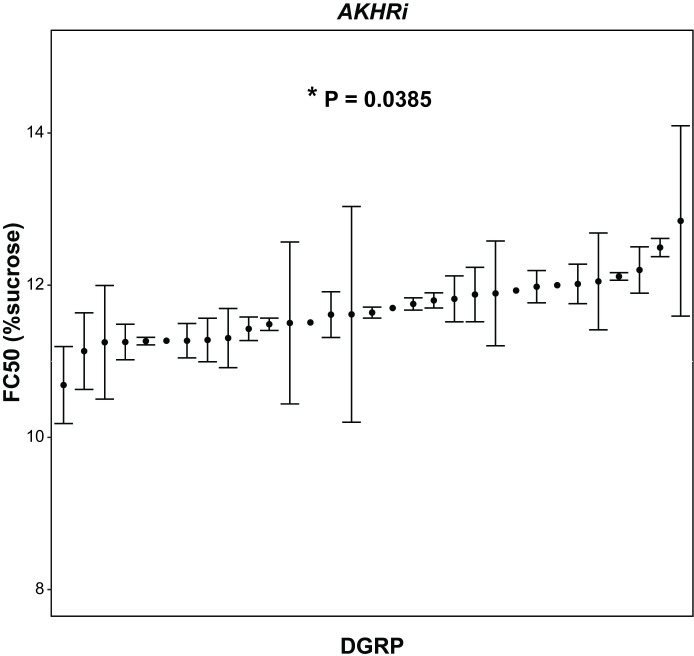 Figure 4
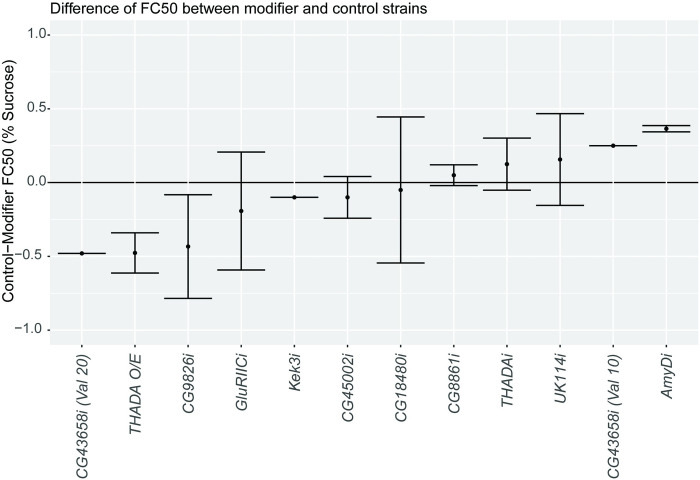 Figure 5
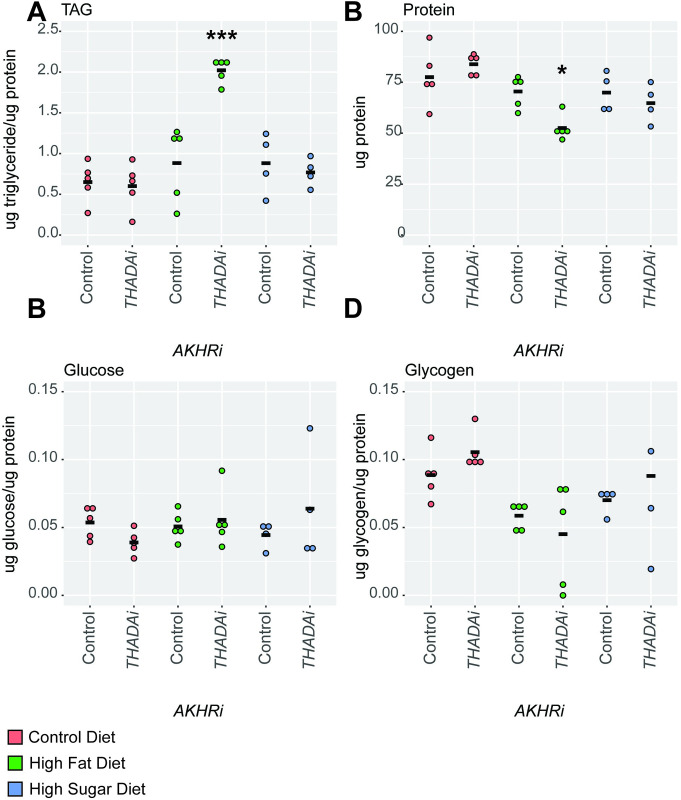 Figure 6
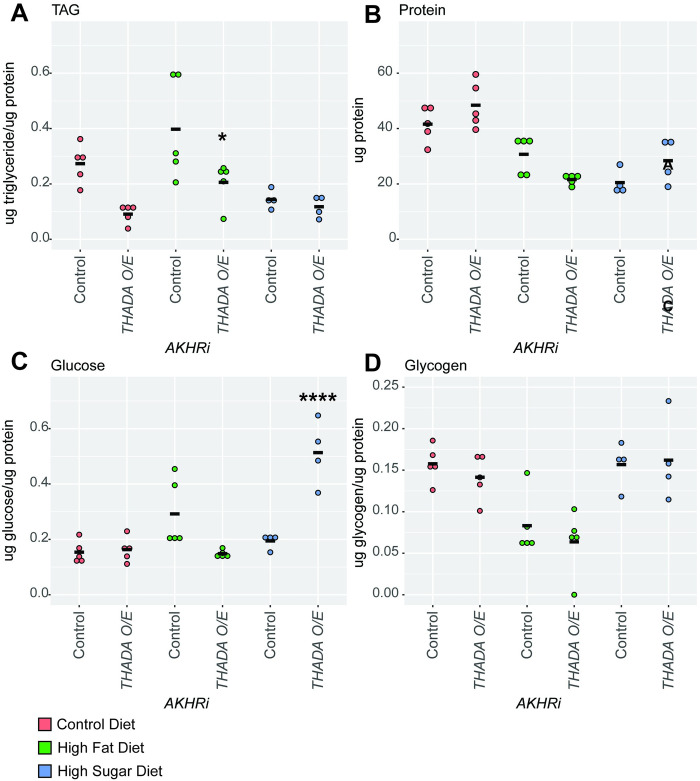 Figure 7
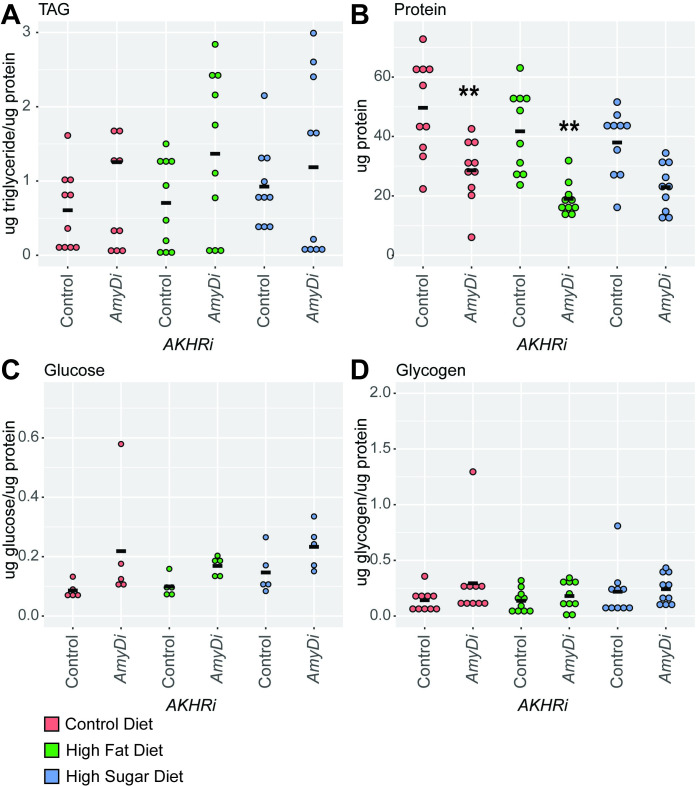 Figure 8
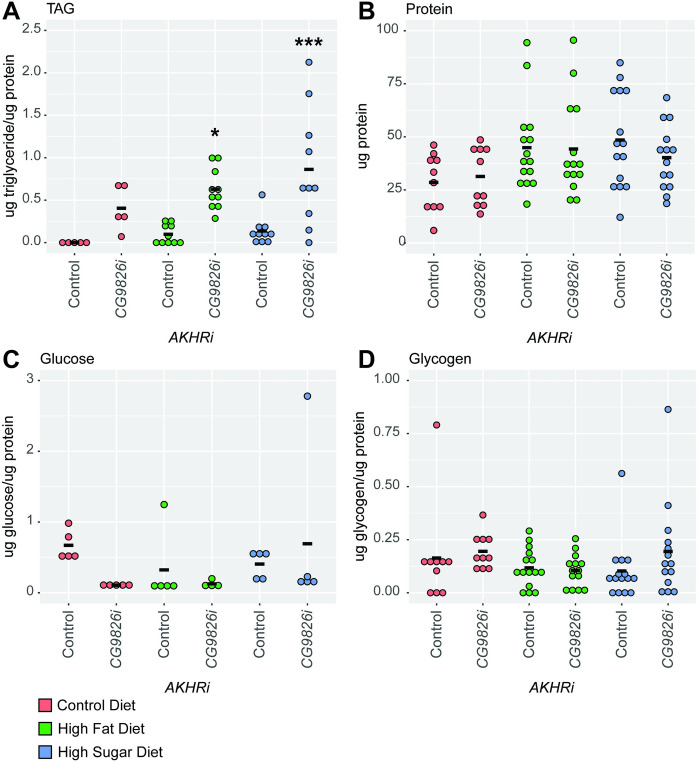 Figure 9
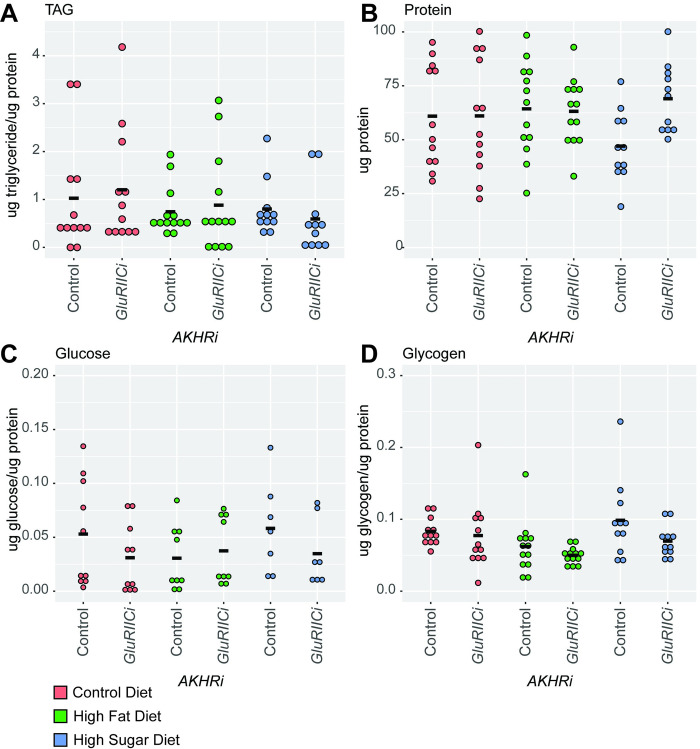 Figure 10
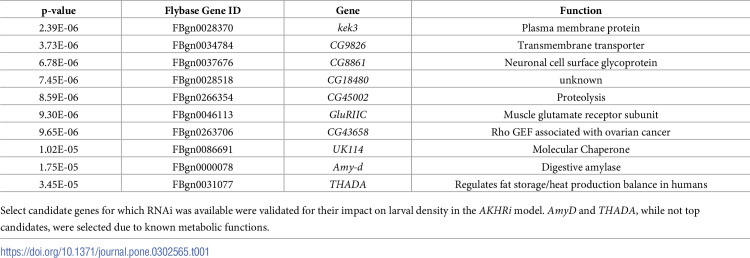 Figure 11
Peer Reviews
No public reviews on file for this paper yet. If you reviewed it on a platform where reviews are public (OpenReview, ICLR, NeurIPS, ICML), you can paste yours below so the community can read it here.
Videos
No videos yet. Explain this paper in a talk, walkthrough, or lecture? Add one.
Taxonomy
TopicsNeurobiology and Insect Physiology Research · Insect Utilization and Effects · Genetics, Aging, and Longevity in Model Organisms