Self-Adaptive Teacher-Student framework for colon polyp segmentation from unannotated private data with public annotated datasets
Yiwen Jia, Guangming Feng, Tang Yang, Siyuan Chen, Fu Dai, Kazunori Nagasaka, Kazunori Nagasaka, Kazunori Nagasaka, Kazunori Nagasaka

TL;DR
This paper introduces a new framework for colon polyp segmentation using unannotated private data and public datasets, improving performance through a teacher-student model and novel strategies.
Contribution
The novel SATS framework with UDFusion and GANet improves colon polyp segmentation in unannotated private data using public datasets.
Findings
SATS achieved 76.30% IoU, 86.00% Recall, and 7.01 pixels HD on colon polyp segmentation.
The framework outperformed five existing methods on both public and private datasets.
UDFusion and GANet effectively bridge the gap between public and private data distributions.
Abstract
Colon polyps have become a focal point of research due to their heightened potential to develop into appendiceal cancer, which has the highest mortality rate globally. Although numerous colon polyp segmentation methods have been developed using public polyp datasets, they tend to underperform on private datasets due to inconsistencies in data distribution and the difficulty of fine-tuning without annotations. In this paper, we propose a Self-Adaptive Teacher-Student (SATS) framework to segment colon polyps from unannotated private data by utilizing multiple publicly annotated datasets. The SATS trains multiple teacher networks on public datasets and then generates pseudo-labels on private data to assist in training a student network. To enhance the reliability of the pseudo-labels from the teacher networks, the SATS includes a newly proposed Uncertainty and Distance Fusion (UDFusion)…
Genes, proteins, chemicals, diseases, species, mutations and cell lines named across the full text — each resolved to its canonical identifier and authoritative record.
Click any figure to enlarge with its caption.
 Figure 1
 Figure 2
 Figure 3
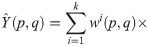 Figure 4
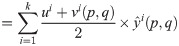 Figure 5
 Figure 6
 Figure 7
 Figure 8
 Figure 9
 Figure 10
 Figure 11
 Figure 12
 Figure 13
 Figure 14
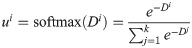 Figure 15
 Figure 16
 Figure 17
 Figure 18
 Figure 19
 Figure 20
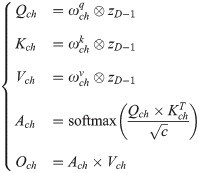 Figure 21
 Figure 22
 Figure 23
 Figure 24
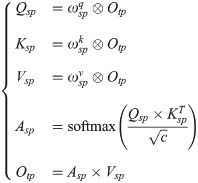 Figure 25
 Figure 26
 Figure 27
 Figure 28
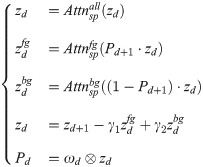 Figure 29
 Figure 30
 Figure 31
 Figure 32
 Figure 33
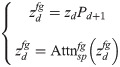 Figure 34
 Figure 35
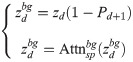 Figure 36
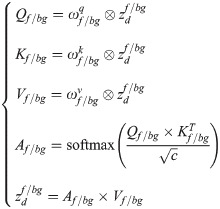 Figure 37
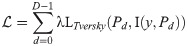 Figure 38
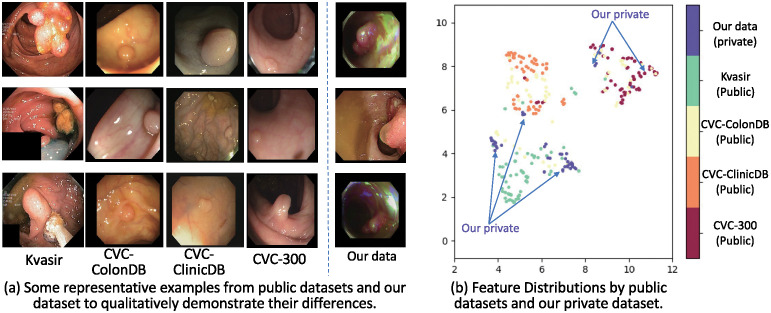 Figure 39
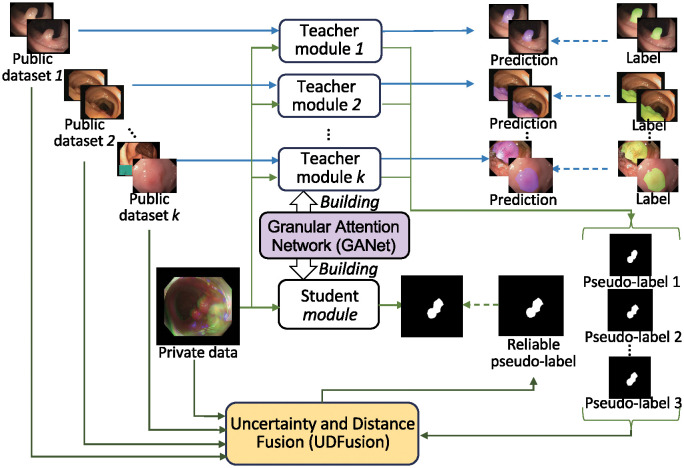 Figure 40
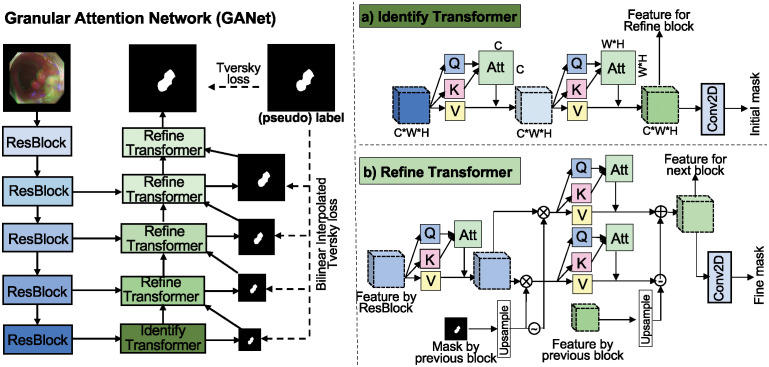 Figure 41
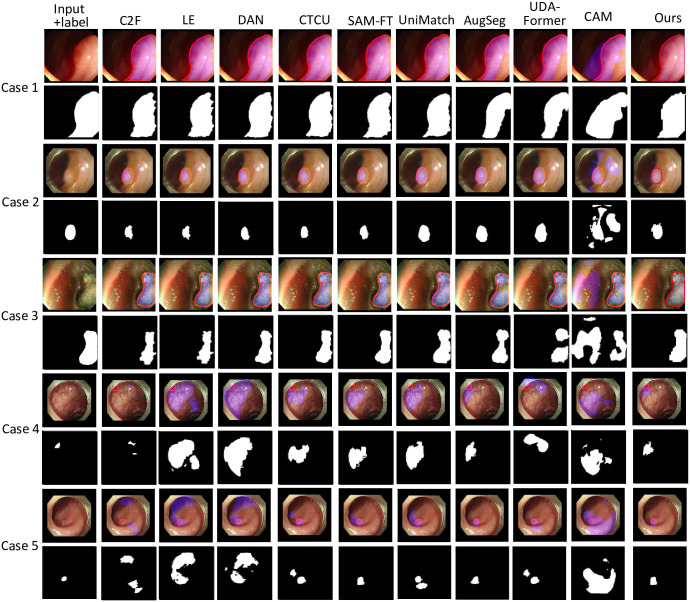 Figure 42
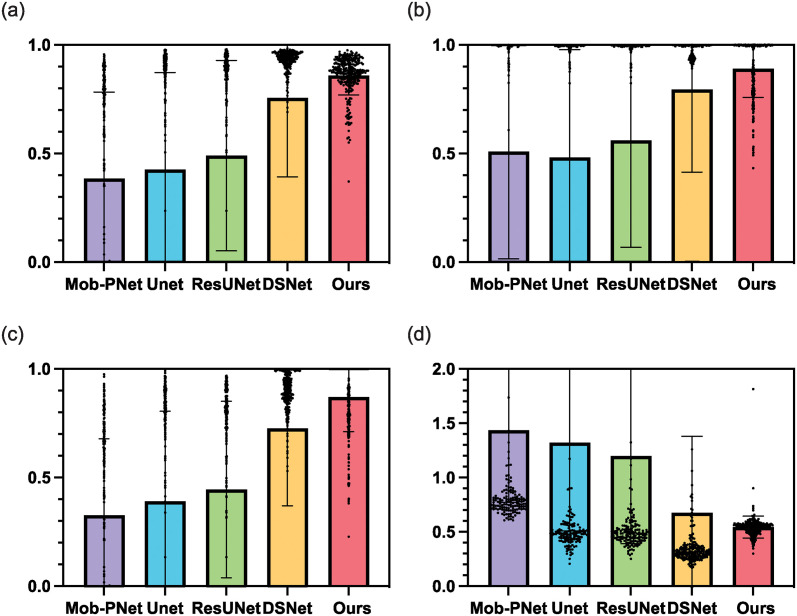 Figure 43
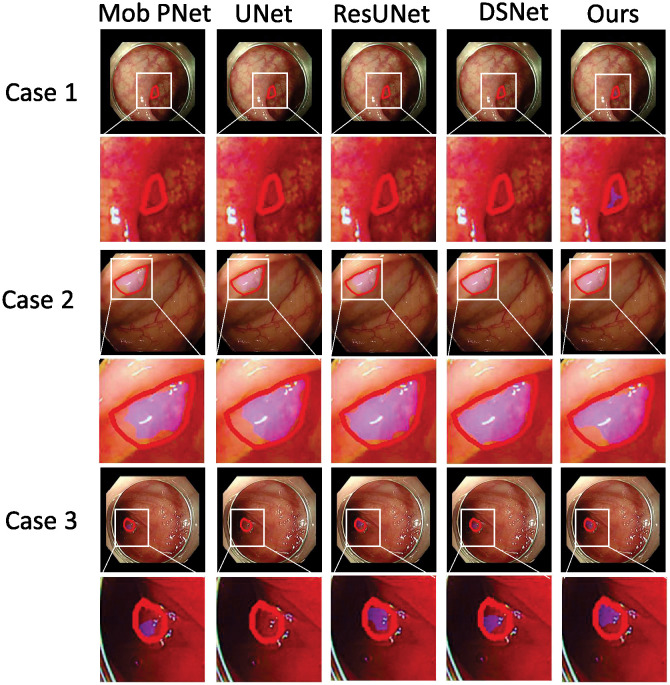 Figure 44
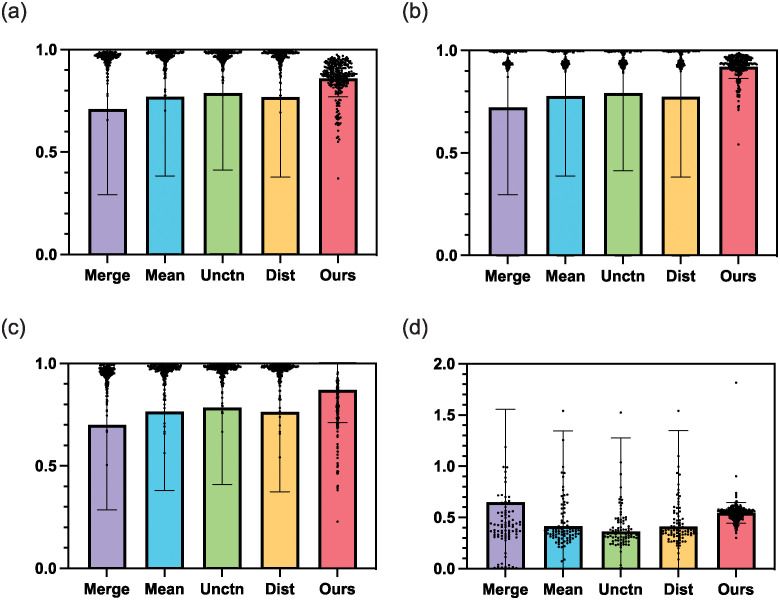 Figure 45
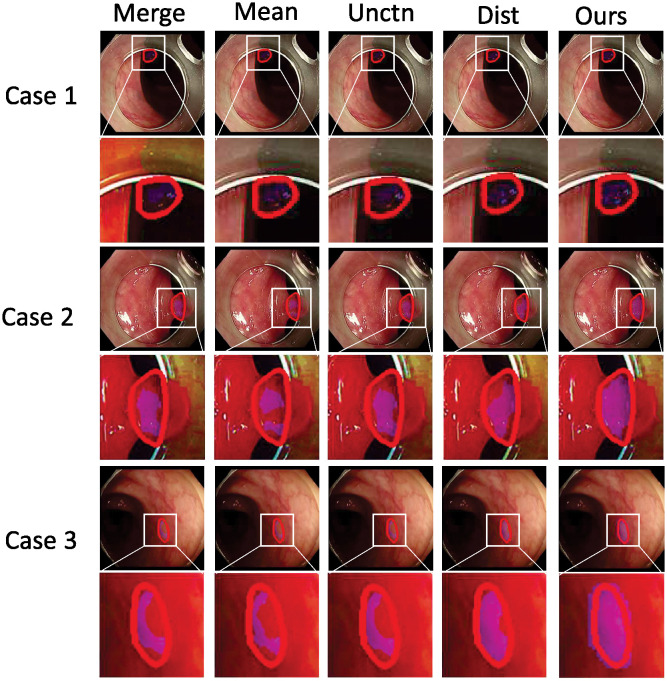 Figure 46
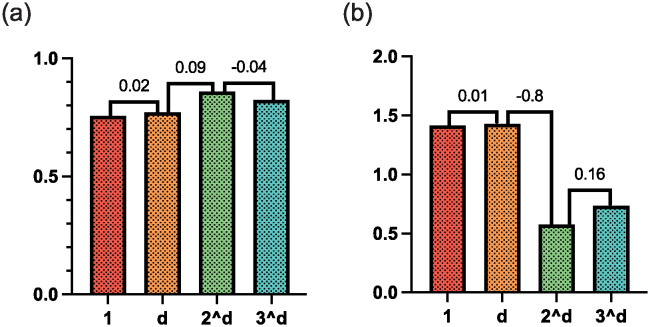 Figure 47
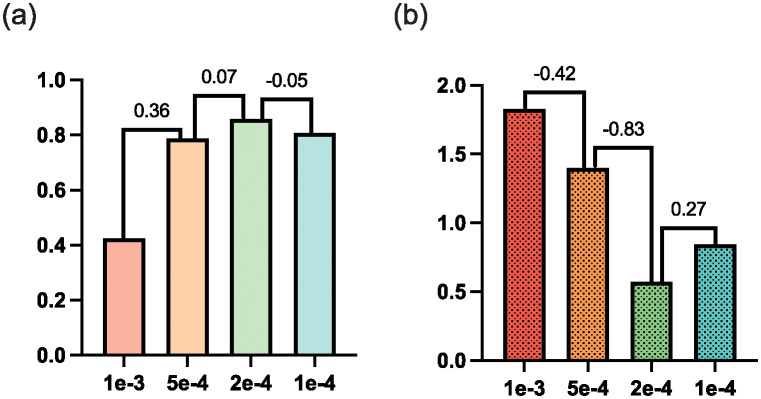 Figure 48
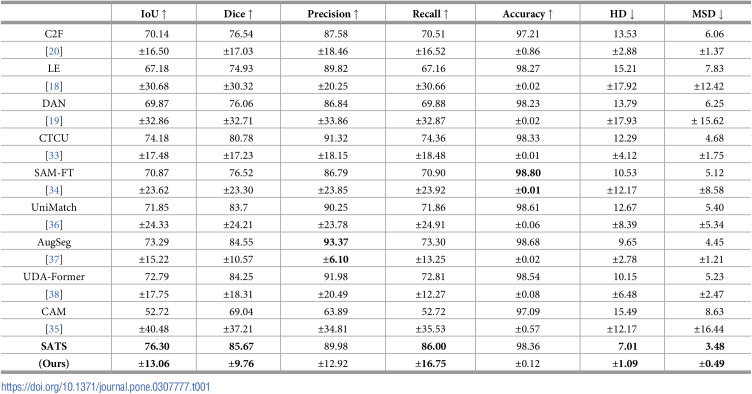 Figure 49
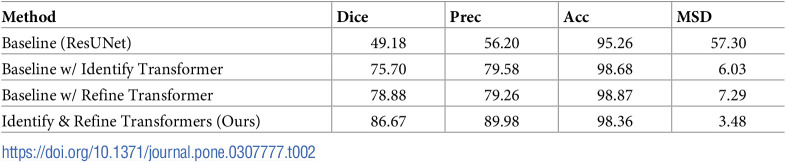 Figure 50
Peer Reviews
No public reviews on file for this paper yet. If you reviewed it on a platform where reviews are public (OpenReview, ICLR, NeurIPS, ICML), you can paste yours below so the community can read it here.
Videos
No videos yet. Explain this paper in a talk, walkthrough, or lecture? Add one.
Taxonomy
TopicsColorectal Cancer Screening and Detection · Radiomics and Machine Learning in Medical Imaging · COVID-19 diagnosis using AI