Automated Fibrosis-4 Index: Simplifying Non-Alcoholic Fatty Liver Disease for Diabetologists
Mona H. Ismail, Reem Al Argan, Yasir Elamin, Murtaga Makki, Lameya Alsheekh, Jaber Alelyani, Zahra Hadhiah, Zahrah Aljidhr, Nazih Alkhatam, Hind Alfaddagh, Alanoud Alanazi, Shaya Alqahtani

TL;DR
This study shows that the automated FIB-4 index can help identify type 2 diabetes patients at risk of advanced liver disease, enabling early specialist referrals.
Contribution
The study introduces the automated FIB-4 index as a practical tool for routine clinical use in diabetes care to detect advanced liver fibrosis.
Findings
9.7% of T2D patients had advanced fibrosis based on the FIB-4 index.
Older age, elevated bilirubin, and GGT levels were independent predictors of advanced fibrosis.
Integrating FIB-4 into EMRs proved effective for identifying high-risk patients.
Abstract
Background and Objectives: Patients with type 2 diabetes (T2D) have a high prevalence of non-alcoholic fatty liver disease (NAFLD) (55%) and are at increased risk for developing non-alcoholic steatohepatitis, a severe form of NAFLD. Early detection of advanced fibrosis in patients with T2D and NAFLD is crucial and can prevent progression to chronic liver disease, cirrhosis, and hepatocellular carcinoma. However, screening for liver disease and risk-stratification pathways are not established in patients with T2D. We evaluated the efficacy of using the automated fibrosis-4 (FIB-4) index in routine clinical settings to identify patients requiring further specialist evaluation. Materials and Methods: In this prospective cohort study, individuals diagnosed with T2D were recruited from diabetes clinics at a tertiary university hospital. Demographic, clinical, and laboratory data were…
Genes, proteins, chemicals, diseases, species, mutations and cell lines named across the full text — each resolved to its canonical identifier and authoritative record.
Click any figure to enlarge with its caption.
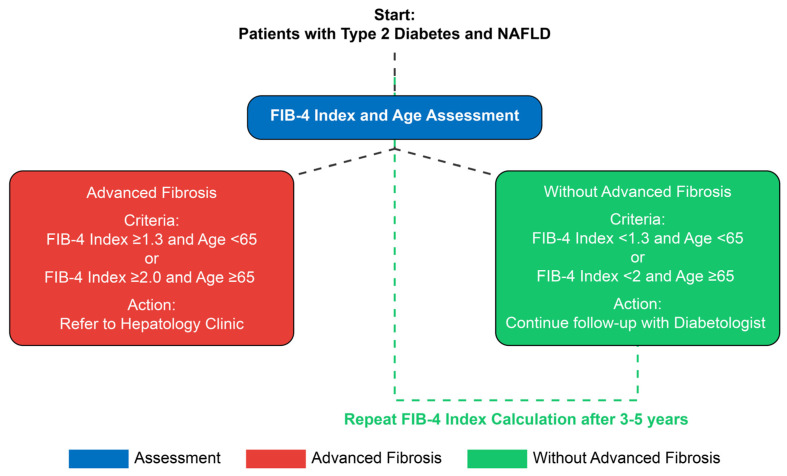 Figure 1
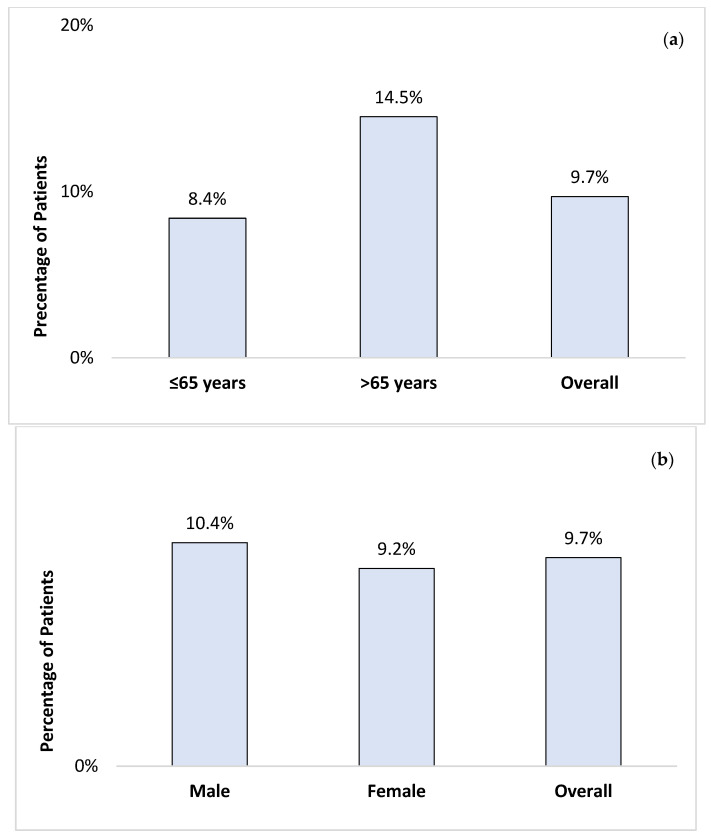 Figure 2
 Figure 3
Peer Reviews
No public reviews on file for this paper yet. If you reviewed it on a platform where reviews are public (OpenReview, ICLR, NeurIPS, ICML), you can paste yours below so the community can read it here.
Videos
No videos yet. Explain this paper in a talk, walkthrough, or lecture? Add one.
Taxonomy
TopicsSpanish Culture and Identity · Historical and Modern Theater Studies