Lipid-Based Catalysis Demonstrated by Bilayer-Enabled Ester Hydrolysis
Shu Liu, Kiran Kumar, Tracey Bell, Ayyalusamy Ramamoorthy, David Van Winkle, Steven Lenhert

TL;DR
This paper shows that lipid bilayers can catalyze ester hydrolysis, challenging the traditional view of lipids as non-catalytic in biology.
Contribution
Demonstrates lipid aggregates can act as catalysts by enabling ester hydrolysis in a bilayer environment.
Findings
Lipid bilayers catalyzed ester hydrolysis of calcein-AM, producing a fluorescent product.
Catalytic turnover numbers were measured at 10−7 to 10−8 s−1, slower than enzymatic reactions.
1H-NMR confirmed the reaction product was consistent with ester hydrolysis.
Abstract
Lipids have not traditionally been considered likely candidates for catalyzing reactions in biological systems. However, there is significant evidence that aggregates of amphiphilic compounds are capable of catalyzing reactions in synthetic organic chemistry. Here, we demonstrate the potential for the hydrophobic region of a lipid bilayer to provide an environment suitable for catalysis by means of a lipid aggregate capable of speeding up a chemical reaction. By bringing organic molecules into the nonpolar or hydrophobic region of a lipid bilayer, reactions can be catalyzed by individual or collections of small, nonpolar, or amphiphilic molecules. We demonstrate this concept by the ester hydrolysis of calcein-AM to produce a fluorescent product, which is a widely used assay for esterase activity in cells. The reaction was first carried out in a two-phase octanol–water system, with the…
Genes, proteins, chemicals, diseases, species, mutations and cell lines named across the full text — each resolved to its canonical identifier and authoritative record.
Click any figure to enlarge with its caption.
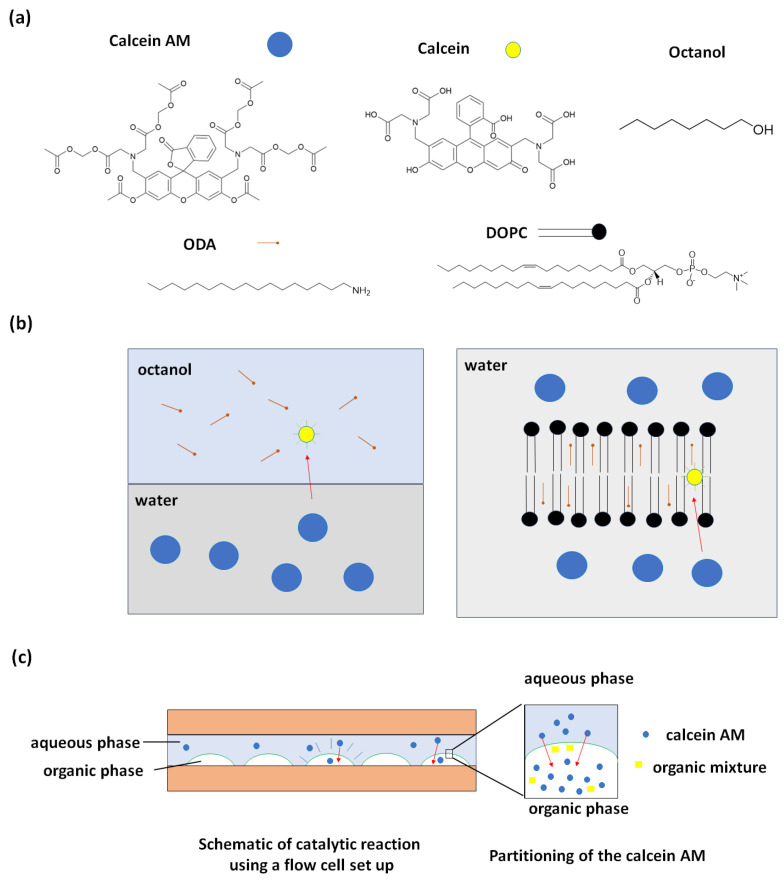 Figure 1
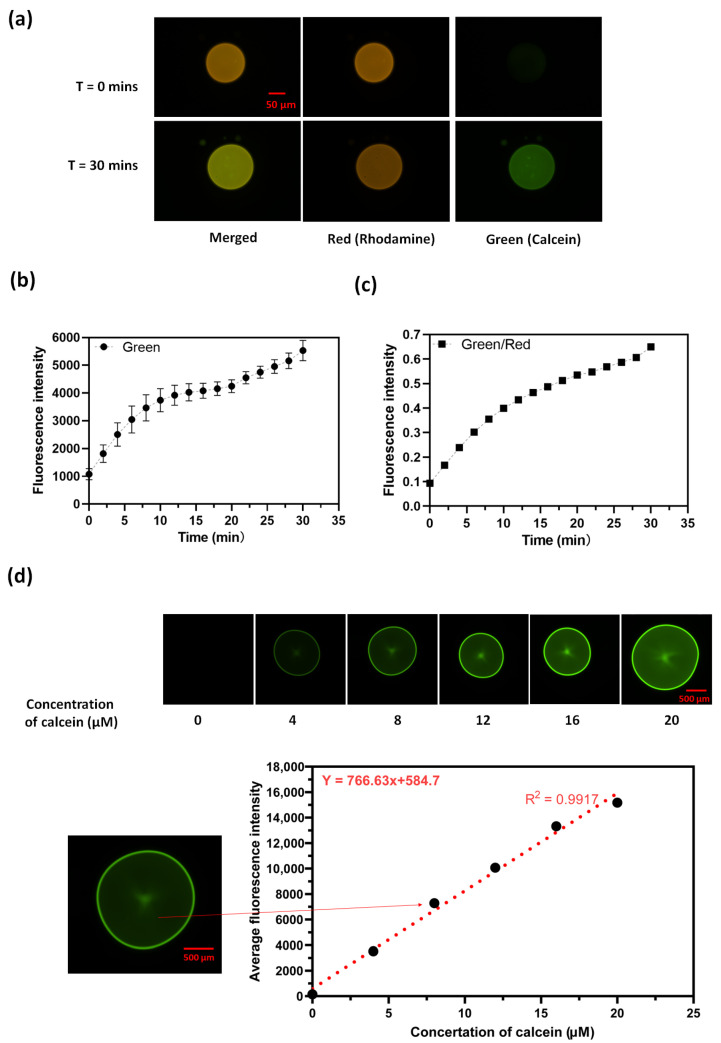 Figure 2
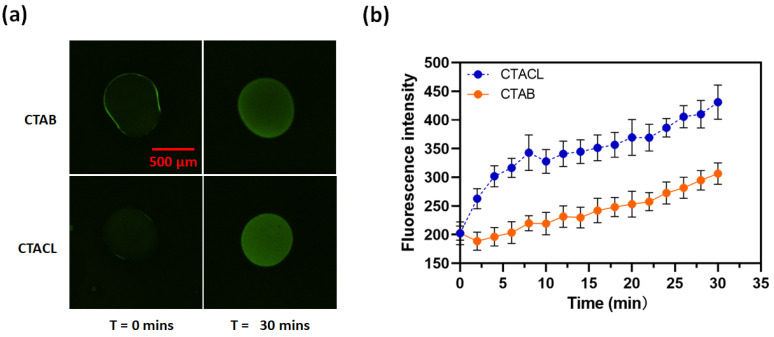 Figure 3
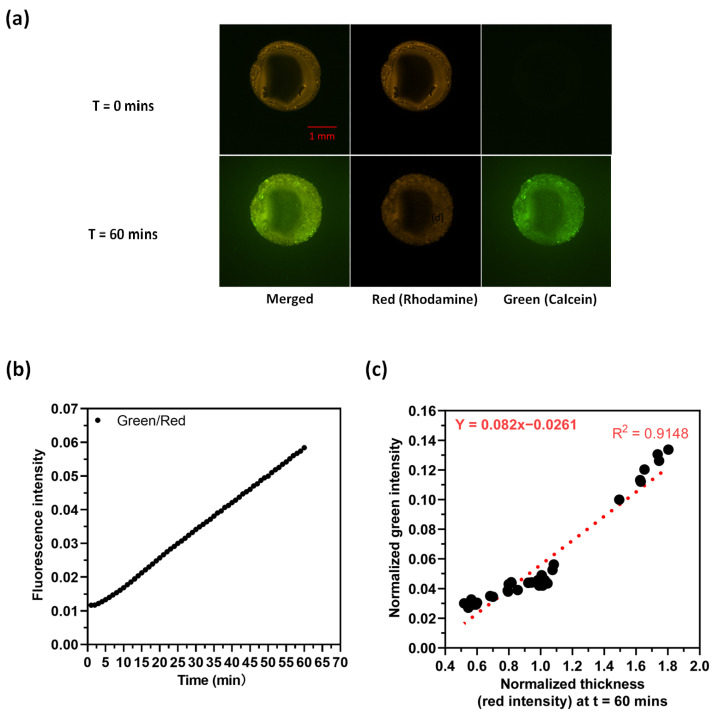 Figure 4
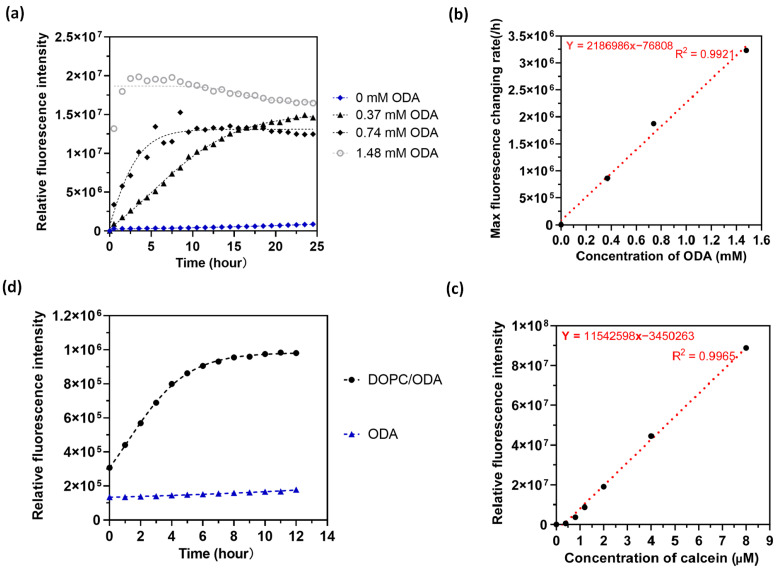 Figure 5
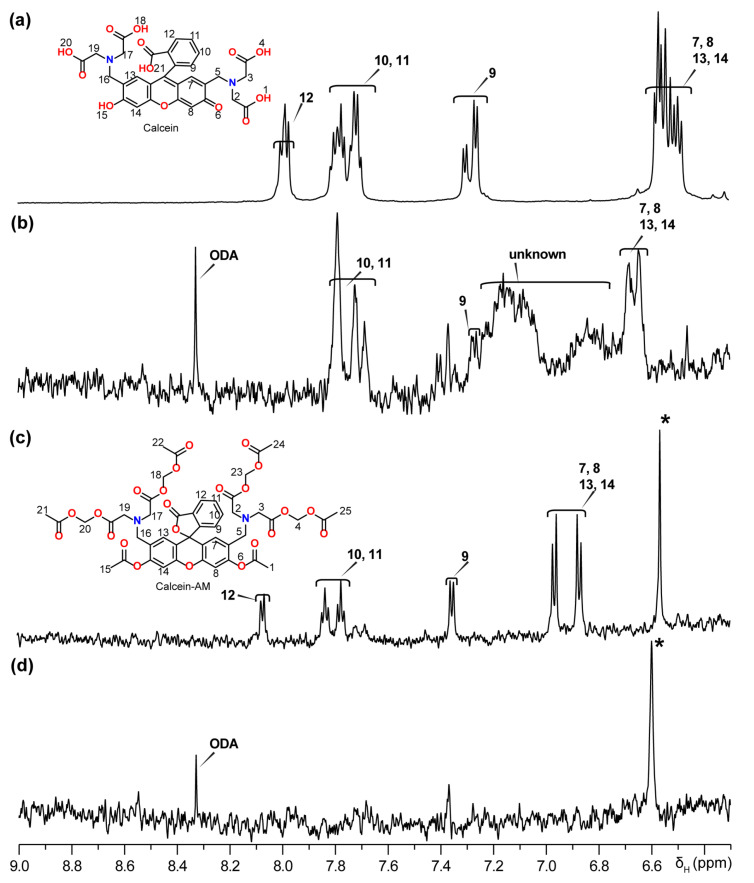 Figure 6
Peer Reviews
No public reviews on file for this paper yet. If you reviewed it on a platform where reviews are public (OpenReview, ICLR, NeurIPS, ICML), you can paste yours below so the community can read it here.
Videos
No videos yet. Explain this paper in a talk, walkthrough, or lecture? Add one.
Taxonomy
TopicsLipid Membrane Structure and Behavior · Molecular Sensors and Ion Detection · Porphyrin and Phthalocyanine Chemistry