Temperature Characteristics Modeling for GaN PA Based on PSO-ELM
Qian Lin, Meiqian Wang

TL;DR
This paper uses a PSO-ELM model to predict and optimize the performance of GaN power amplifiers at different temperatures, showing better accuracy than traditional methods.
Contribution
The novel use of PSO-ELM for temperature-based performance modeling of GaN PAs, achieving higher prediction accuracy.
Findings
The PSO-ELM model achieves a minimum MSE of 0.0006, outperforming the ELM model.
PSO-ELM demonstrates stronger generalization in capturing nonlinear temperature-performance relationships.
Abstract
In order to solve the performance prediction and design optimization of power amplifiers (PAs), the performance parameters of Gallium Nitride high-electron-mobility transistor (GaN HEMT) PAs at different temperatures are modeled based on the particle swarm optimization–extreme learning machine (PSO-ELM) and extreme learning machine (ELM) in this paper. Then, it can be seen that the prediction accuracy of the PSO-ELM model is superior to that of ELM with a minimum mean square error (MSE) of 0.0006, which indicates the PSO-ELM model has a stronger generalization ability when dealing with the nonlinear relationship between temperature and PA performance. Therefore, this investigation can provide vital theoretical support for the performance optimization of PA design.
Genes, proteins, chemicals, diseases, species, mutations and cell lines named across the full text — each resolved to its canonical identifier and authoritative record.
Click any figure to enlarge with its caption.
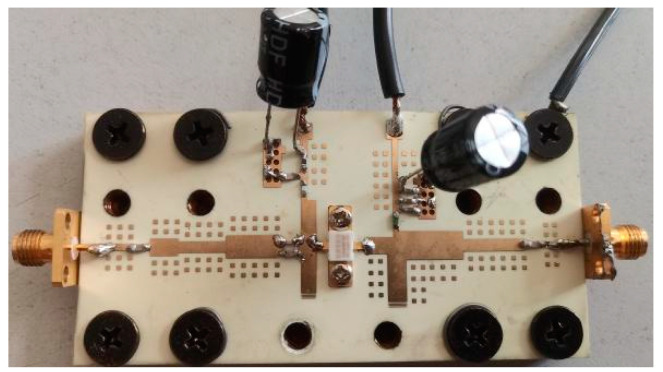 Figure 1
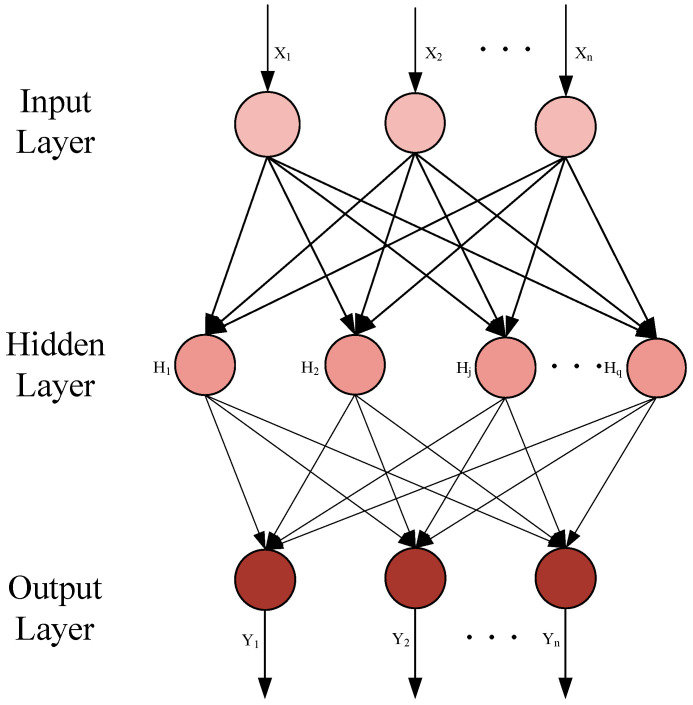 Figure 2
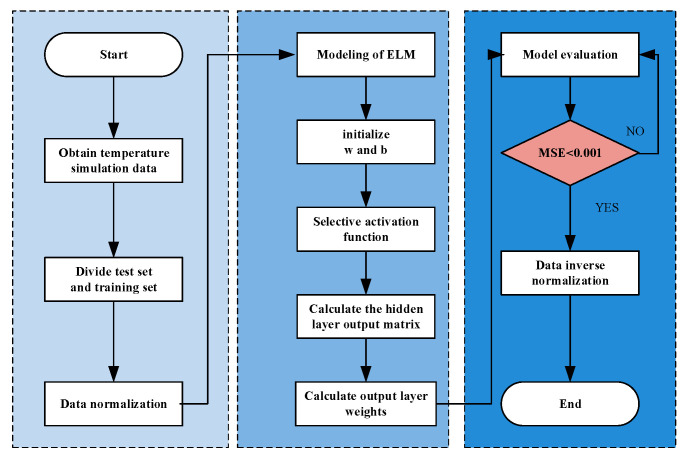 Figure 3
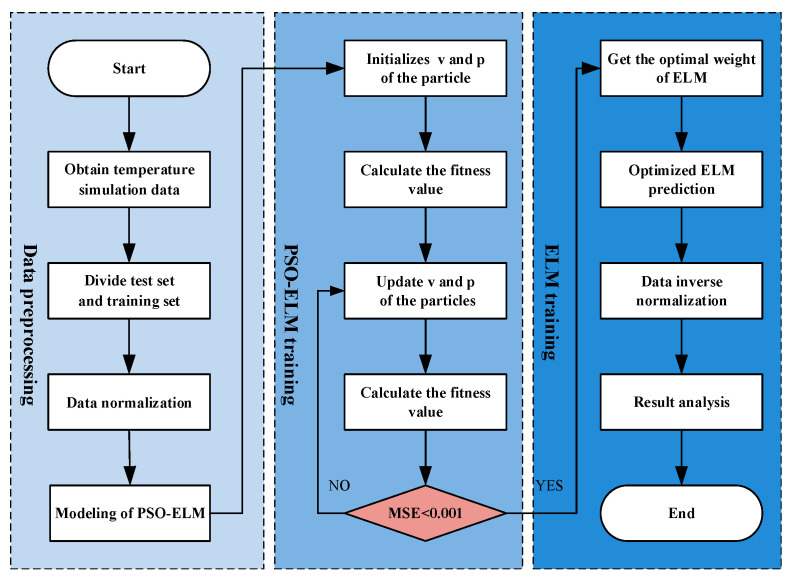 Figure 4
 Figure 5
 Figure 6
 Figure 7
 Figure 8
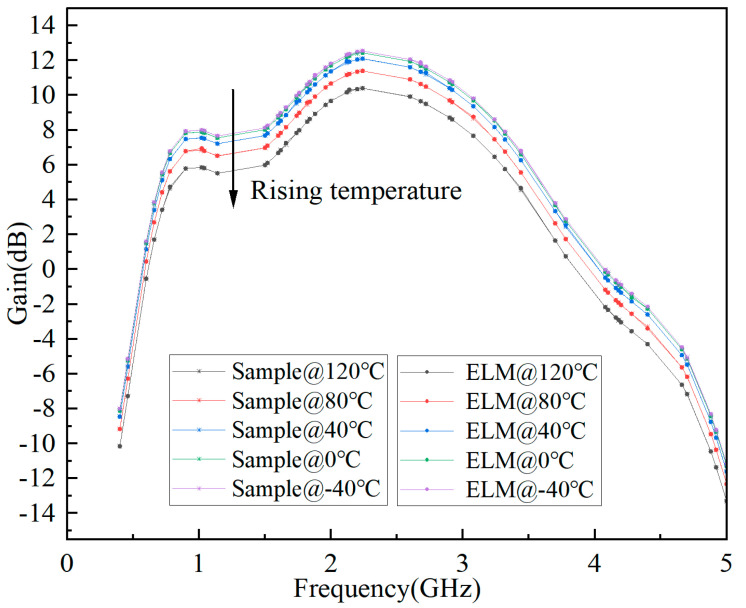 Figure 9
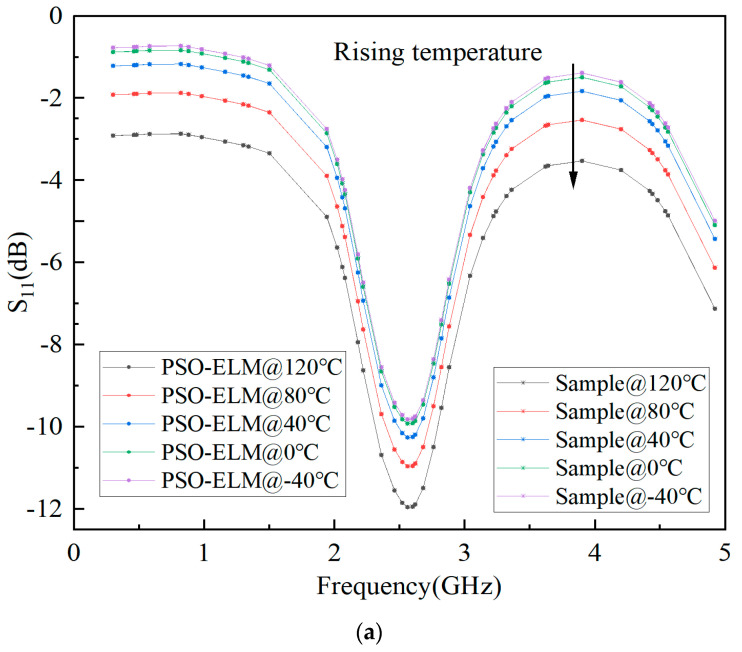 Figure 10
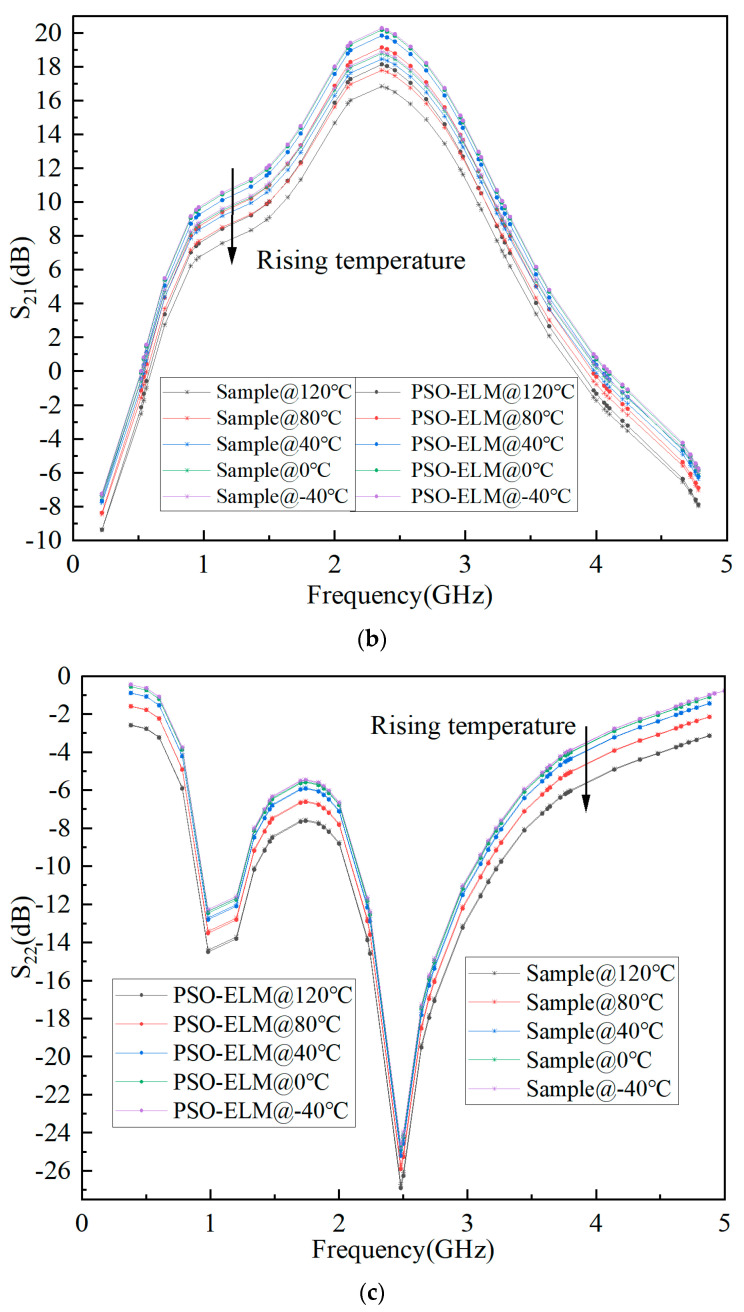 Figure 11
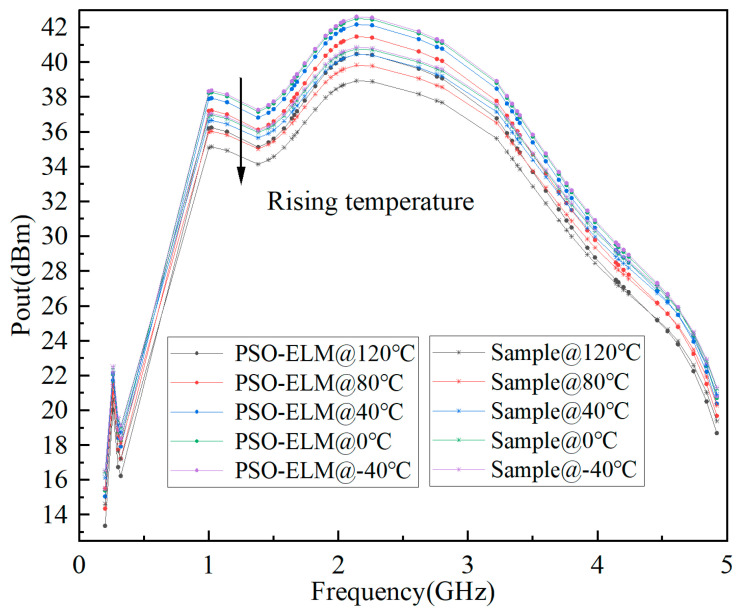 Figure 12
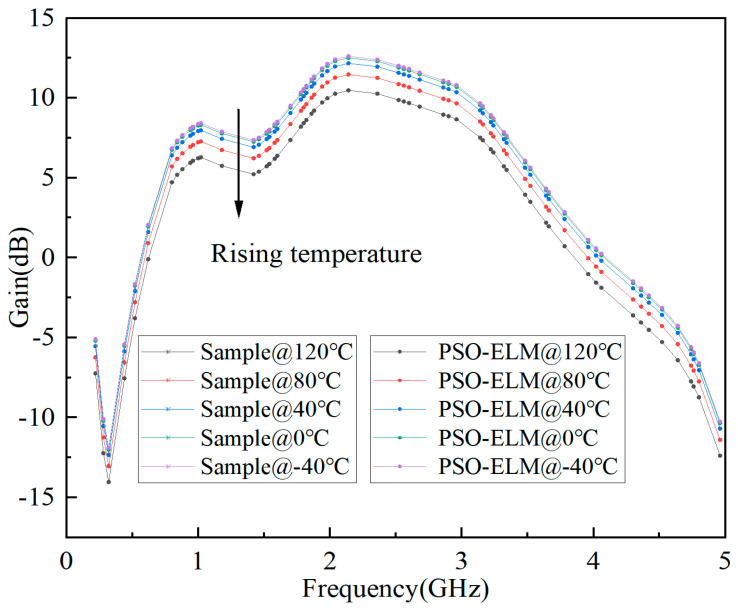 Figure 13
Peer Reviews
No public reviews on file for this paper yet. If you reviewed it on a platform where reviews are public (OpenReview, ICLR, NeurIPS, ICML), you can paste yours below so the community can read it here.
Videos
No videos yet. Explain this paper in a talk, walkthrough, or lecture? Add one.
Taxonomy
TopicsMachine Learning and ELM · GaN-based semiconductor devices and materials · Advanced Memory and Neural Computing