Customization of Computed Tomography Radio-Opacity in 3D-Printed Contrast-Injectable Tumor Phantoms
Yuktesh Kalidindi, Aravinda Krishna Ganapathy, Liam Cunningham, Adriene Lovato, Brian Albers, Anup S. Shetty, David H. Ballard

TL;DR
Researchers developed a customizable 3D-printed tumor phantom that can be adjusted after printing to mimic different tissue densities in CT scans.
Contribution
The study introduces a contrast-injectable 3D-printed phantom that allows post-manufacturing customization of CT attenuation values.
Findings
The phantom achieved a physiologic range of CT attenuation values through contrast injection.
Observed attenuation values correlated strongly with contrast concentration.
Relative HU differences between phantom phases matched target values despite absolute deviations.
Abstract
Medical Imaging Phantoms (MIPs) calibrate imaging devices, train medical professionals, and can help procedural planning. Traditional MIPs are costly and limited in customization. Additive manufacturing allows for customizable, patient-specific phantoms. This study examines the CT attenuation characteristics of contrast-injectable, chambered 3D-printed phantoms to optimize tissue-mimicking capabilities. A MIP was constructed from a CT of a complex pelvic tumor near the iliac bifurcation. A 3D reconstruction of these structures composed of three chambers (aorta, inferior vena cava, tumor) with ports for contrast injection was 3D printed. Desired attenuations were 200 HU (arterial I), 150 HU (venous I), 40 HU (tumor I), 150 HU (arterial II), 90 HU (venous II), and 400 HU (tumor II). Solutions of Optiray 350 and water were injected, and the phantom was scanned on CT. Attenuations were…
Genes, proteins, chemicals, diseases, species, mutations and cell lines named across the full text — each resolved to its canonical identifier and authoritative record.
Click any figure to enlarge with its caption.
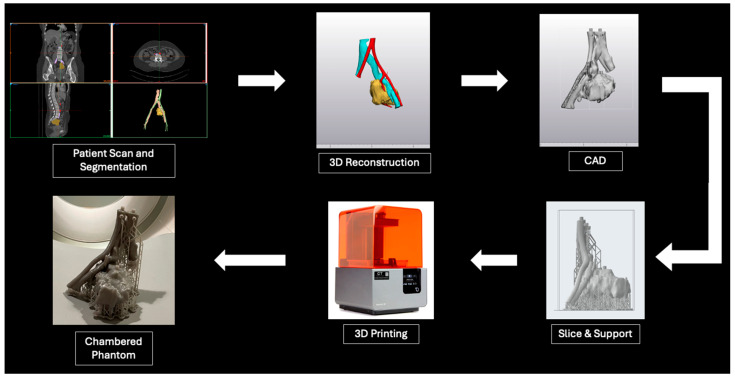 Figure 1
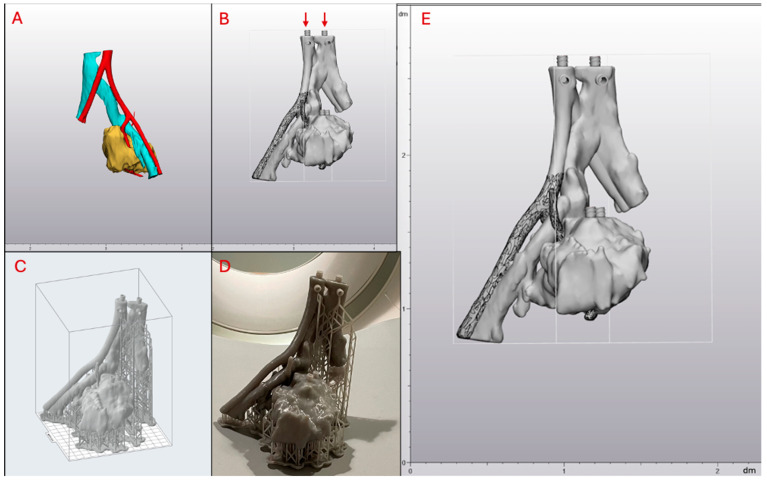 Figure 2
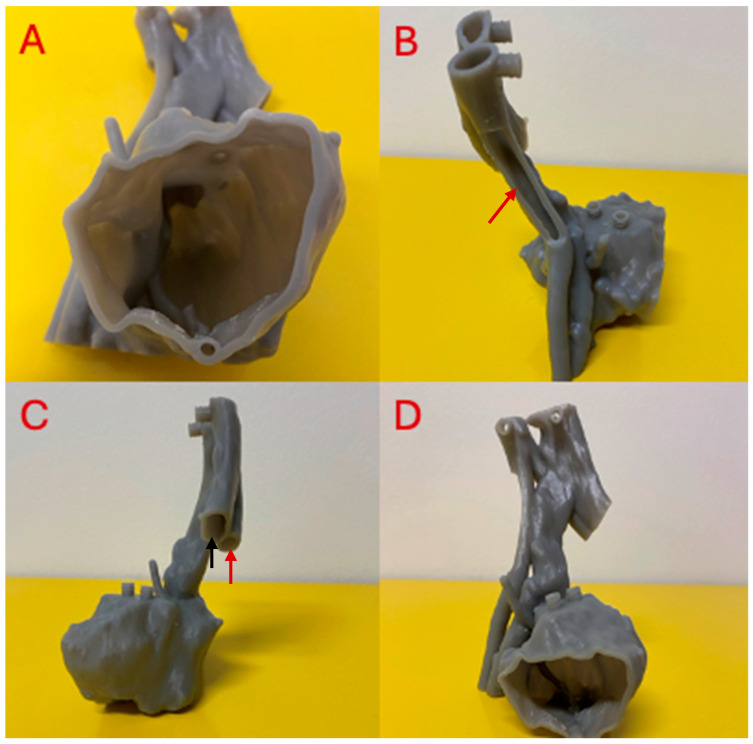 Figure 3
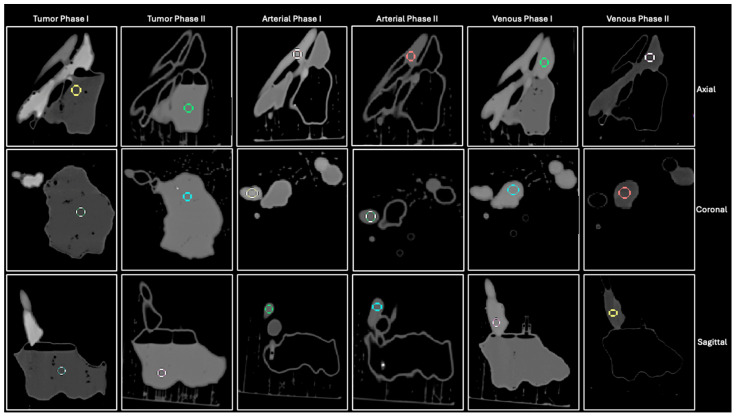 Figure 4
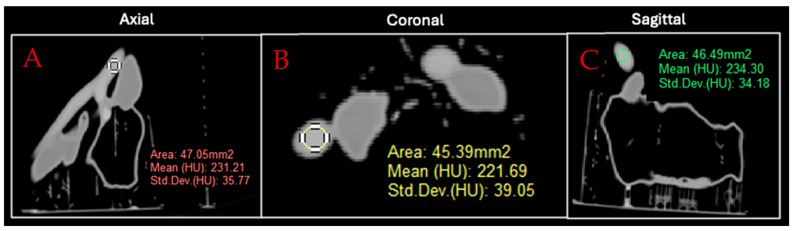 Figure 5
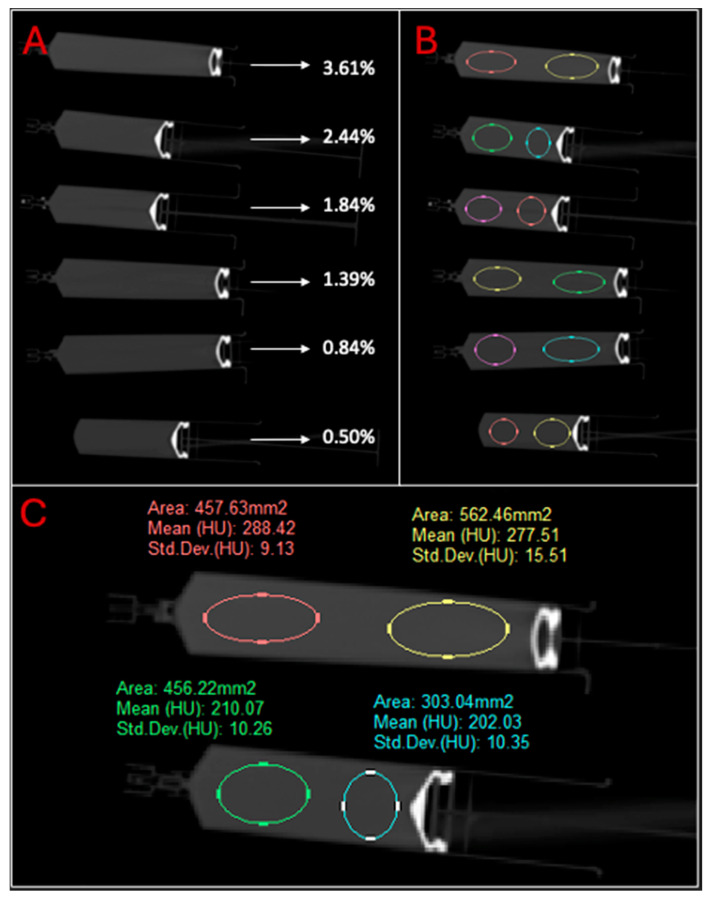 Figure 6
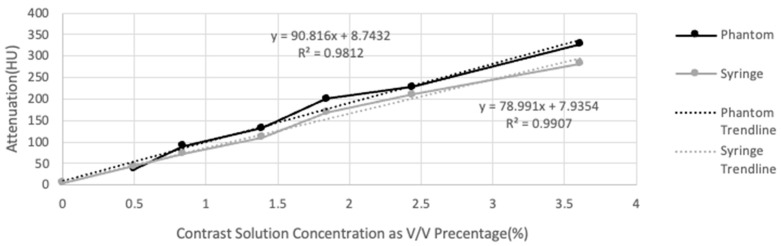 Figure 7
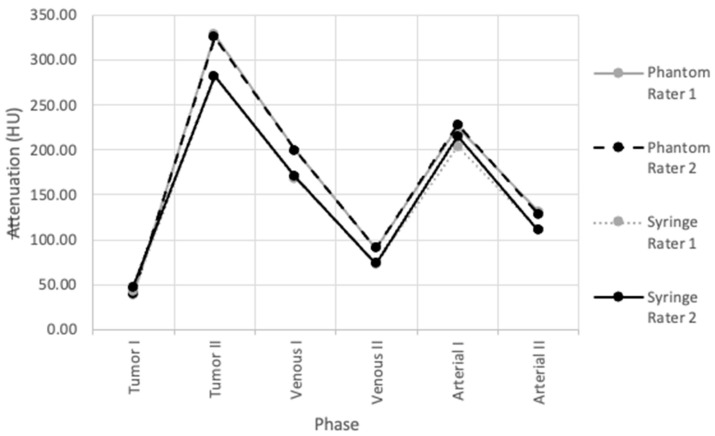 Figure 8
Peer Reviews
No public reviews on file for this paper yet. If you reviewed it on a platform where reviews are public (OpenReview, ICLR, NeurIPS, ICML), you can paste yours below so the community can read it here.
Videos
No videos yet. Explain this paper in a talk, walkthrough, or lecture? Add one.
Taxonomy
TopicsAdvanced X-ray and CT Imaging · Advanced Radiotherapy Techniques · Radiation Dose and Imaging