Pseudo-Core-Shell Permalloy (Supermalloy)@ZnFe2O4 Powders and Spark Plasma Sintered Compacts Based on Mechanically Alloyed Powders
Traian Florin Marinca, Loredana Cotojman, Florin Popa, Bogdan Viorel Neamțu, Călin-Virgiliu Prică, Ionel Chicinaș

TL;DR
Researchers created magnetic composite materials using a special sintering method and found they have low power losses and high resistivity, making them suitable for magnetic applications.
Contribution
The paper introduces a novel pseudo-core-shell composite material with enhanced magnetic and electrical properties through spark plasma sintering.
Findings
The composite materials achieved an electrical resistivity of about 7 × 10⁻³ Ω·m, three orders of magnitude higher than sintered Fe.
Supermalloy/ZnFe2O4 compacts sintered at 600 °C showed the best initial permeability, decreasing linearly with frequency.
Power losses in the composite materials remained low, with specific losses below 5 W/kg at higher sintering temperatures.
Abstract
Soft magnetic composite cores were produced by spark plasma sintering (SPS) from Ni3Fe@ZnFe2O4 and NiFeMo@ZnFe2O4 pseudo-core-shell powders. In the Fe-Ni alloys@ZnFe2O4 pseudo-core-shell composite powders, the core is a large nanocrystalline Permalloy or Supermalloy particle obtained by mechanical alloying, and the shell is a pseudo continuous layer of Zn ferrite particles. The pseudo-core-shell powders have been compacted by SPS at temperatures between 500–700 °C, with a holding time of 0 min. Several techniques were used for the characterisation of the powders and sintered compacts: X-ray diffraction, scanning electron microscopy, energy dispersive X-ray spectroscopy, magnetic hysteresis measurements (DC and AC), and electrical resistivity. The electrical resistivity is stabilised at values of about 7 × 10⁻³ Ω·m for sintering temperatures between 600–700 °C and this value is three…
Genes, proteins, chemicals, diseases, species, mutations and cell lines named across the full text — each resolved to its canonical identifier and authoritative record.
Click any figure to enlarge with its caption.
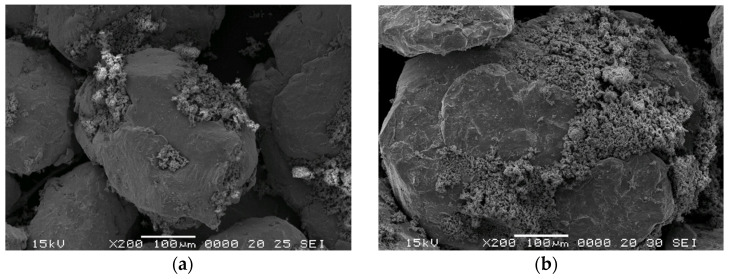 Figure 1
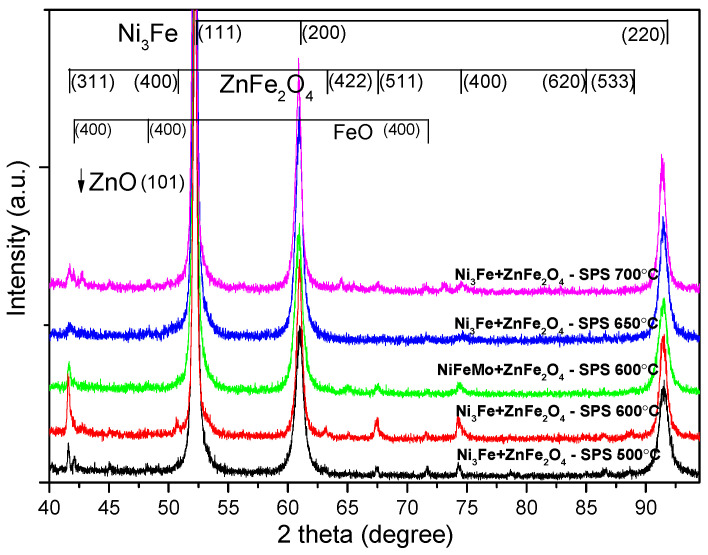 Figure 2
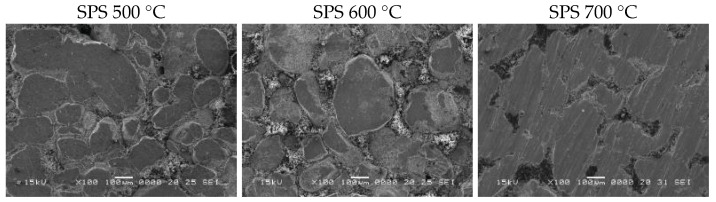 Figure 3
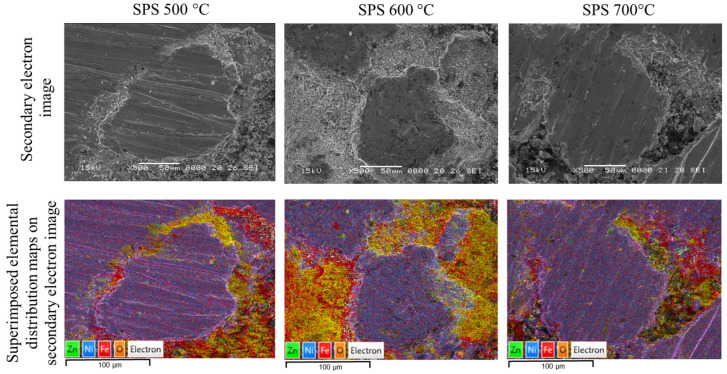 Figure 4
 Figure 5
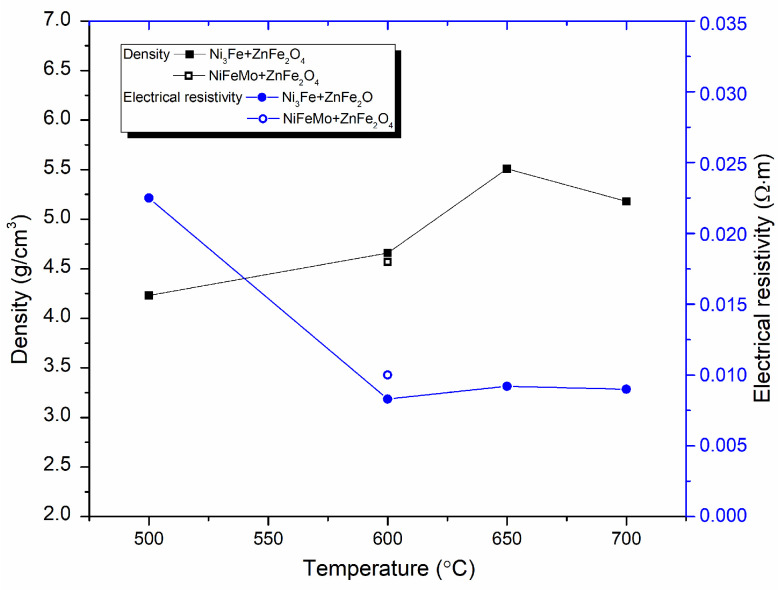 Figure 6
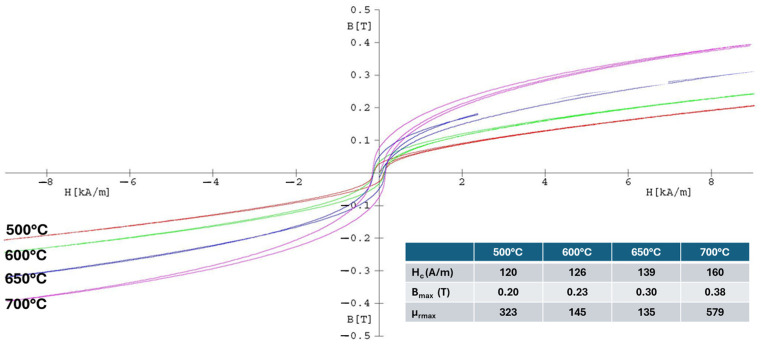 Figure 7
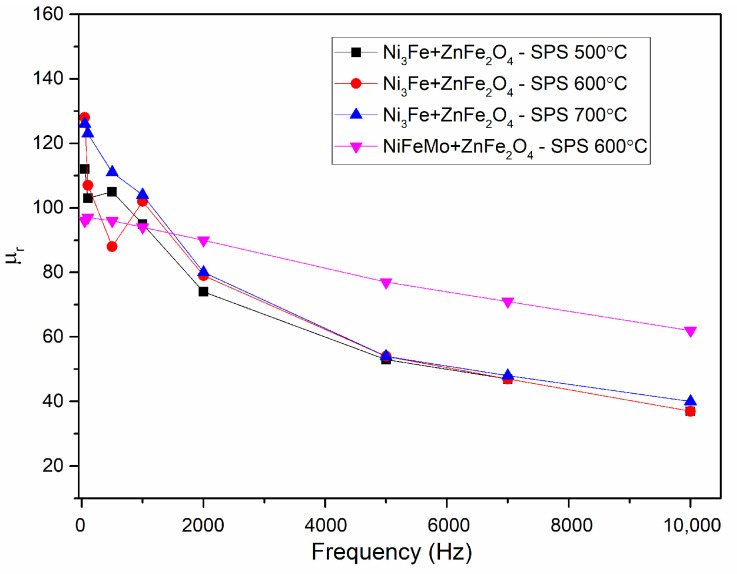 Figure 8
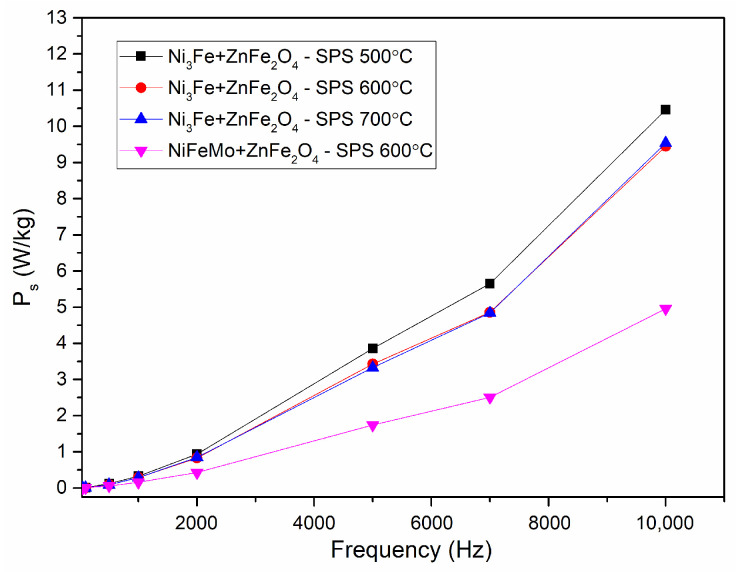 Figure 9
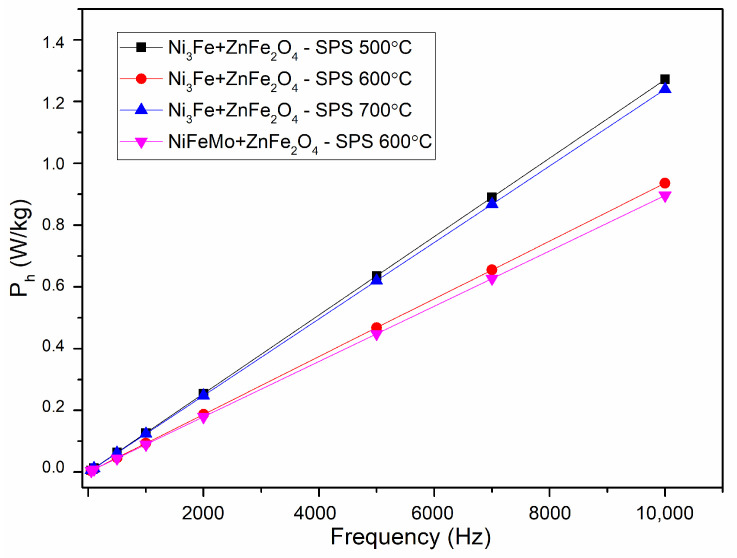 Figure 10
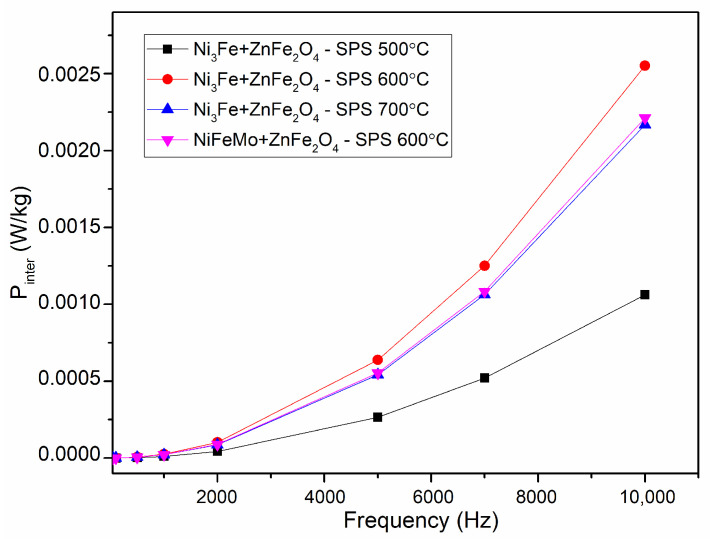 Figure 11
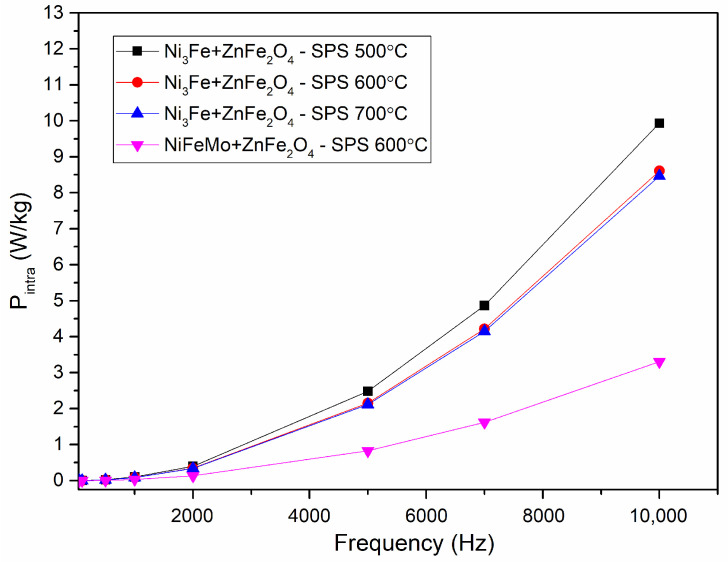 Figure 12
Peer Reviews
No public reviews on file for this paper yet. If you reviewed it on a platform where reviews are public (OpenReview, ICLR, NeurIPS, ICML), you can paste yours below so the community can read it here.
Videos
No videos yet. Explain this paper in a talk, walkthrough, or lecture? Add one.
Taxonomy
TopicsAdvanced ceramic materials synthesis · Advanced materials and composites · Metallic Glasses and Amorphous Alloys