Investigation of Releasing Chamomile Essential Oil from Inserts with Cellulose Agar and Microcrystalline Cellulose Agar Films Used in Biotextronics Systems for Lower Urinary Tract Inflammation Treatment
Emilia Frydrysiak, Krzysztof Śmigielski, Alina Kunicka-Styczyńska, Michał Frydrysiak

TL;DR
Researchers developed a biotextronics system using chamomile essential oil inserts to treat lower urinary tract inflammation, finding that the inserts can release antibacterial compounds even after long storage.
Contribution
A novel biotextronics system using chamomile essential oil inserts for treating urinary tract inflammation is proposed and tested for compound release stability.
Findings
The inserts can release antibacterial compounds like α-bisabolol even after 56 days of storage.
The system shows potential for preventive and supportive treatment of lower urinary tract inflammation.
Compound release was tested at 40 °C, simulating treatment conditions.
Abstract
Lower urinary tract inflammation is a very common problem which occurs particularly in women. That is why the idea of a biotextronics system for preventive and supportive treatment came to be. The system is a kind of a therapeutic clothing in the form of underwear integrated with a four-layer pantiliner with biological active compounds (from chamomile essential oil) immobilized on the insert with a cellulose agar or microcrystalline cellulose agar film. In this research, the outer part of the insert was investigated for its ability to release compounds with antibacterial and anti-inflammatory activity under the temperature of the treatment (40 °C). The research was conducted on the day of the insert preparation (day 0) and also after 7, 14, 28, and 56 days to test the ability of the insert to be stored without changing its properties. The results showed that even after 56 days of…
Genes, proteins, chemicals, diseases, species, mutations and cell lines named across the full text — each resolved to its canonical identifier and authoritative record.
Click any figure to enlarge with its caption.
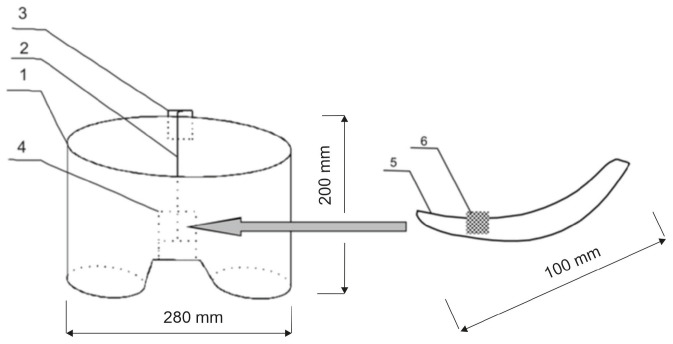 Figure 1
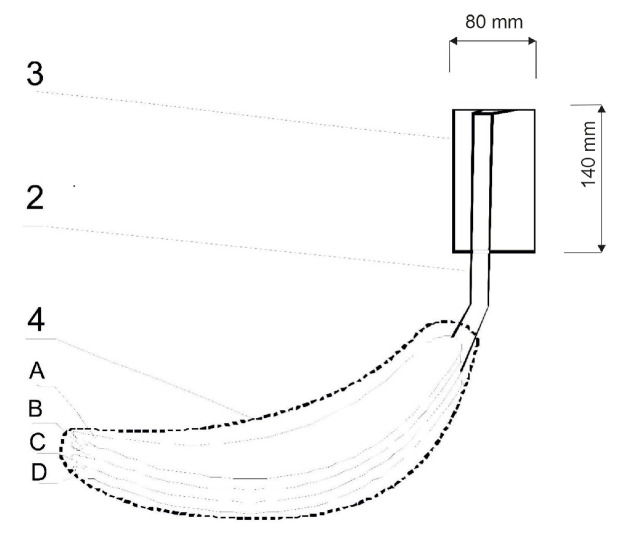 Figure 2
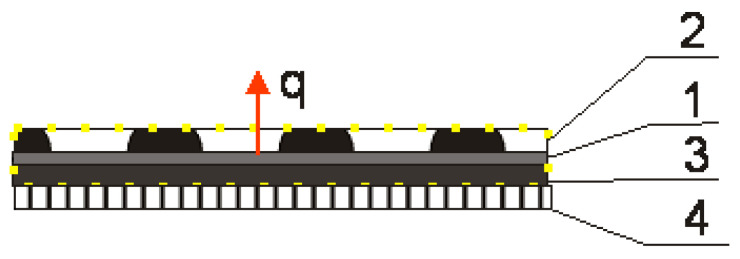 Figure 3
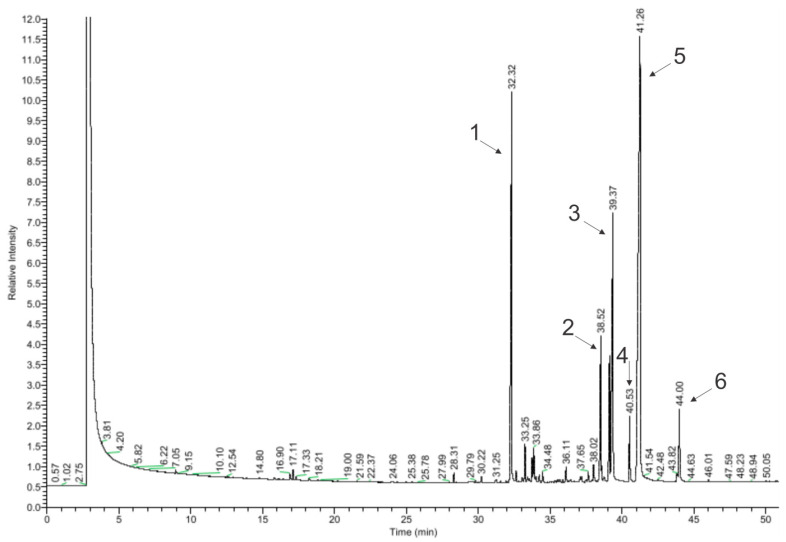 Figure 4
Peer Reviews
No public reviews on file for this paper yet. If you reviewed it on a platform where reviews are public (OpenReview, ICLR, NeurIPS, ICML), you can paste yours below so the community can read it here.
Videos
No videos yet. Explain this paper in a talk, walkthrough, or lecture? Add one.
Taxonomy
TopicsAdvancements in Transdermal Drug Delivery