Magnetodielectric and Rheological Effects in Magnetorheological Suspensions Based on Lard, Gelatin and Carbonyl Iron Microparticles
Octavian Madalin Bunoiu, Ioan Bica, Eugen Mircea Anitas, Larisa Marina Elisabeth Chirigiu

TL;DR
Researchers created eco-friendly magnetorheological materials using lard, gelatin, and iron particles, which can adjust their electrical and flow properties with magnetic fields.
Contribution
The study introduces a low-cost, sustainable magnetorheological suspension with tunable dielectric and rheological properties.
Findings
Increasing gelatin content to 20 vol.% reduces capacitance by up to an order of magnitude under high magnetic fields.
Dielectric permittivity and viscosity can be adjusted by changing the suspension composition and magnetic flux density.
A theoretical model explains how material properties can be coarsely and finely tuned for industrial applications.
Abstract
This study aims to develop low-cost, eco-friendly, and circular economy-compliant composite materials by creating three types of magnetorheological suspensions (MRSs) utilizing lard, carbonyl iron (CI) microparticles, and varying quantities of gelatin particles (GP). These MRSs serve as dielectric materials in cylindrical cells used to fabricate electric capacitors. The equivalent electrical capacitance (C) of these capacitors is measured under different magnetic flux densities (B≤160 mT) superimposed on a medium-frequency electric field (f = 1 kHz) over a period of 120 s. The results indicate that at high values of B, increasing the GP content to 20 vol.% decreases the capacitance C up to about one order of magnitude compared to MRS without GP. From the measured data, the average values of capacitance Cm are derived, enabling the calculation of relative dielectric permittivities (ϵr′)…
Genes, proteins, chemicals, diseases, species, mutations and cell lines named across the full text — each resolved to its canonical identifier and authoritative record.
Click any figure to enlarge with its caption.
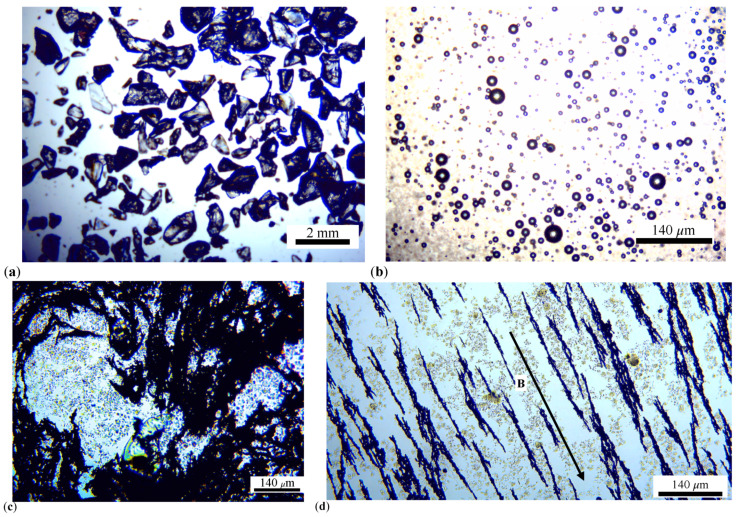 Figure 1
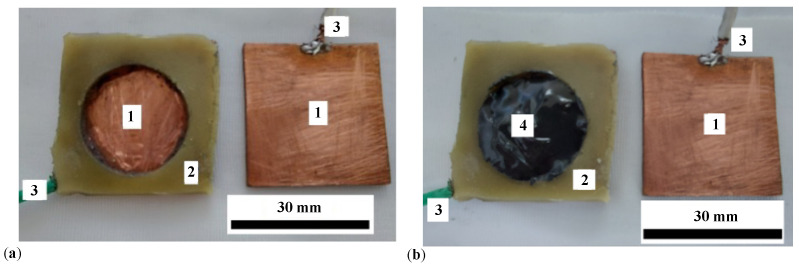 Figure 2
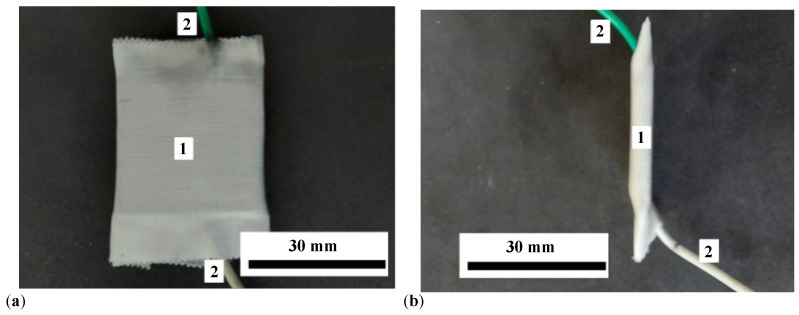 Figure 3
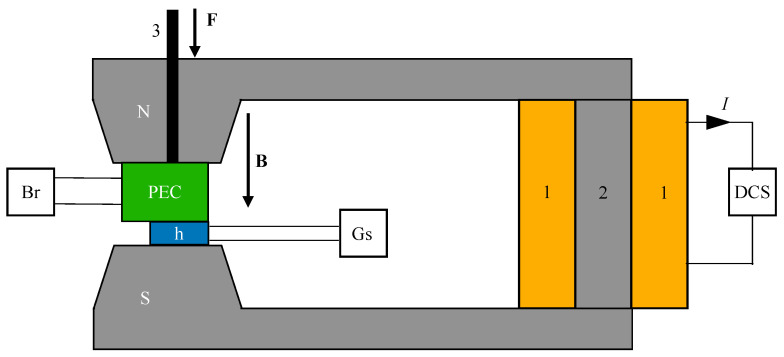 Figure 4
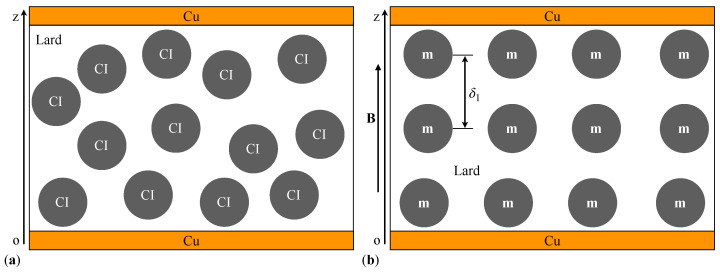 Figure 5
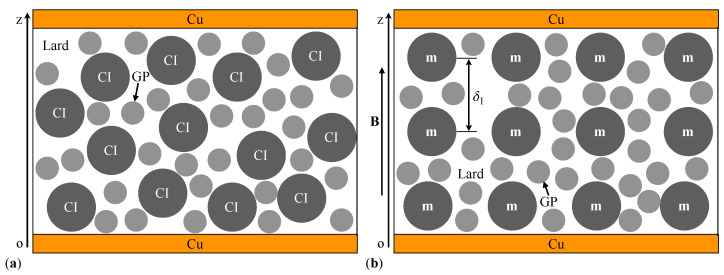 Figure 6
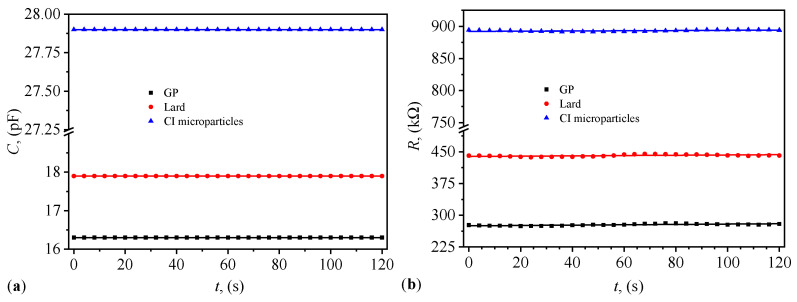 Figure 7
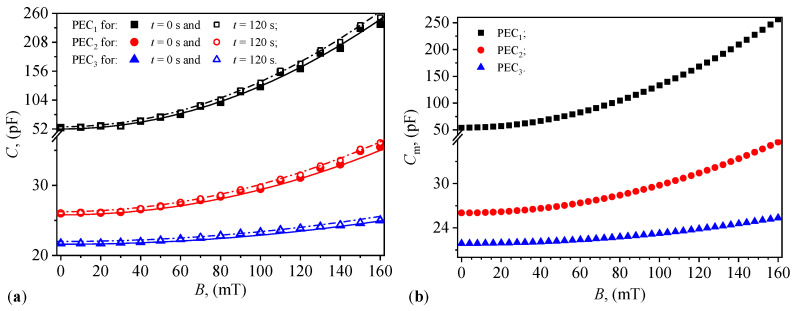 Figure 8
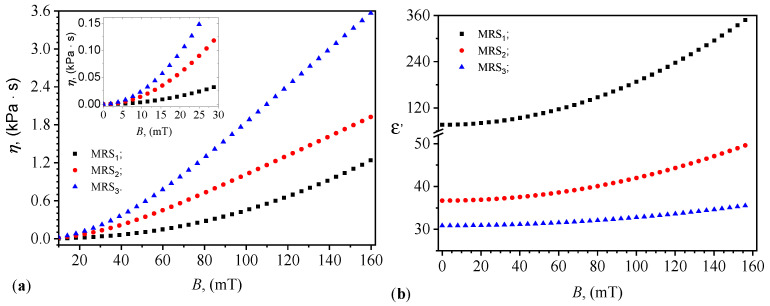 Figure 9
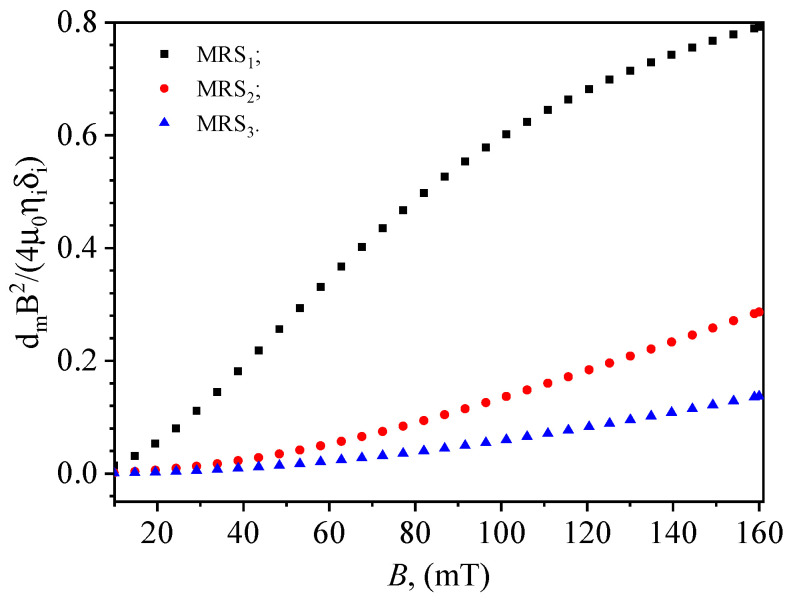 Figure 10
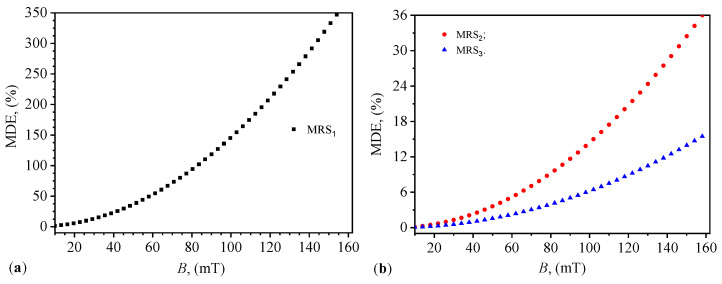 Figure 11
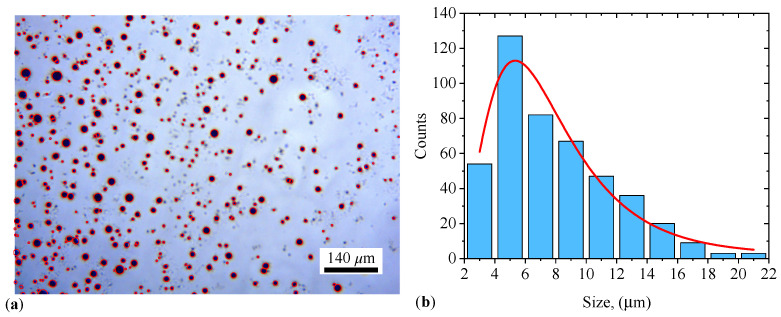 Figure 12
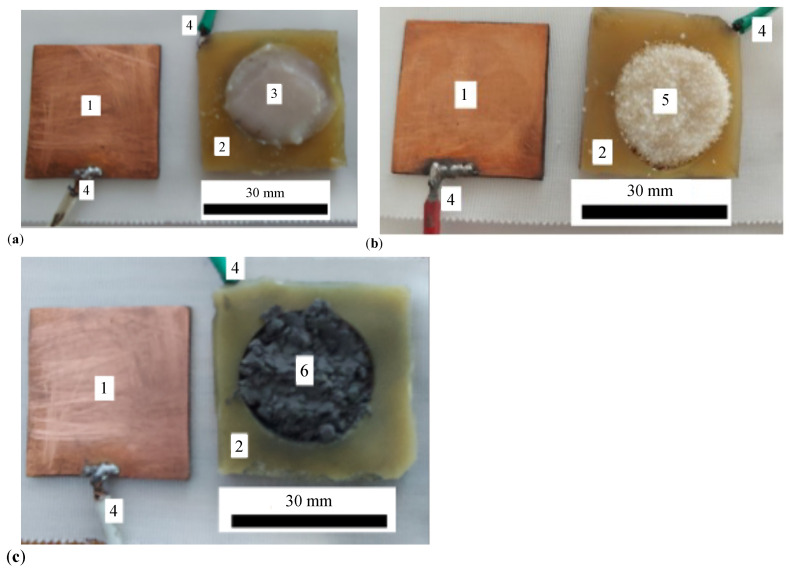 Figure 13
Peer Reviews
No public reviews on file for this paper yet. If you reviewed it on a platform where reviews are public (OpenReview, ICLR, NeurIPS, ICML), you can paste yours below so the community can read it here.
Videos
No videos yet. Explain this paper in a talk, walkthrough, or lecture? Add one.
Taxonomy
TopicsVibration Control and Rheological Fluids · Characterization and Applications of Magnetic Nanoparticles