Alkaloid Profiling and Anti-Cholinesterase Potential of Three Different Genera of Amaryllidaceae Collected in Ecuador: Urceolina Rchb., Clinanthus Herb. and Stenomesson Herb
Luciana R. Tallini, Karen Acosta León, Raúl Chamorro, Edison H. Osorio, Jaume Bastida, Lou Jost, Nora H. Oleas

TL;DR
This study explores the chemical and anti-Alzheimer's potential of Ecuadorian Amaryllidaceae plants, identifying new alkaloids and their enzyme-inhibiting properties.
Contribution
The study identifies novel alkaloids and evaluates the anti-cholinesterase activity of understudied Amaryllidaceae species from Ecuador.
Findings
Twenty-six alkaloids were identified in four Ecuadorian Amaryllidoideae species using GC-MS.
C. incarnatus and U. formosa showed strong AChE inhibition with IC50 values of 1.73 and 30.56 µg·mL−1, respectively.
Molecular dynamics showed that 2-hydroxyanhydrolycorine interacts with AChE similarly to galanthamine.
Abstract
Ecuador is an important center of biodiversity for the plant subfamily Amaryllidoideae, known for its important bioactive molecules. This study aimed to assess the chemical and biological potential of four different Amaryllidoideae species collected in Ecuador: Urceolina formosa, Urceolina ruthiana, Clinanthus incarnatus, and Stenomesson aurantiacum. Twenty-six alkaloids were identified in the bulb extracts of these species using GC-MS. The extract of S. aurantiacum exhibited the greatest structural diversity and contained the highest amounts of alkaloids, particularly lycorine and galanthamine. Only for this species, identification of all the alkaloids belonging to this chemical profile was not possible. Six of them remain unidentified. The potential of these three Amaryllidoideae genera against Alzheimer’s disease was then evaluated by measuring their AChE and BuChE inhibitory…
Genes, proteins, chemicals, diseases, species, mutations and cell lines named across the full text — each resolved to its canonical identifier and authoritative record.
Click any figure to enlarge with its caption.
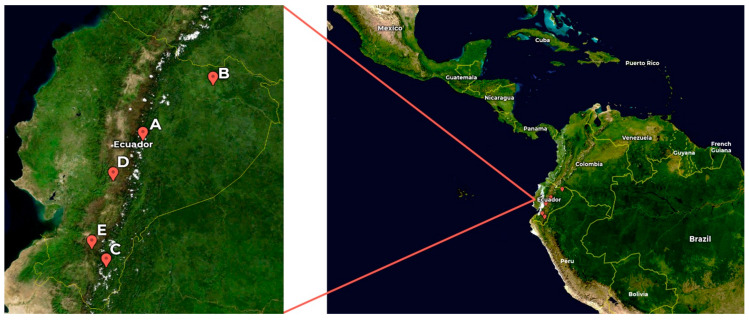 Figure 1
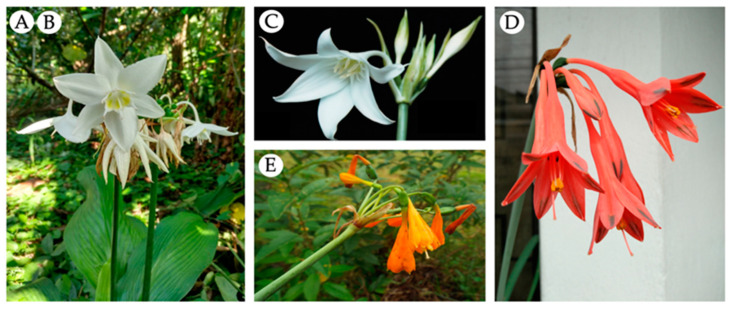 Figure 2
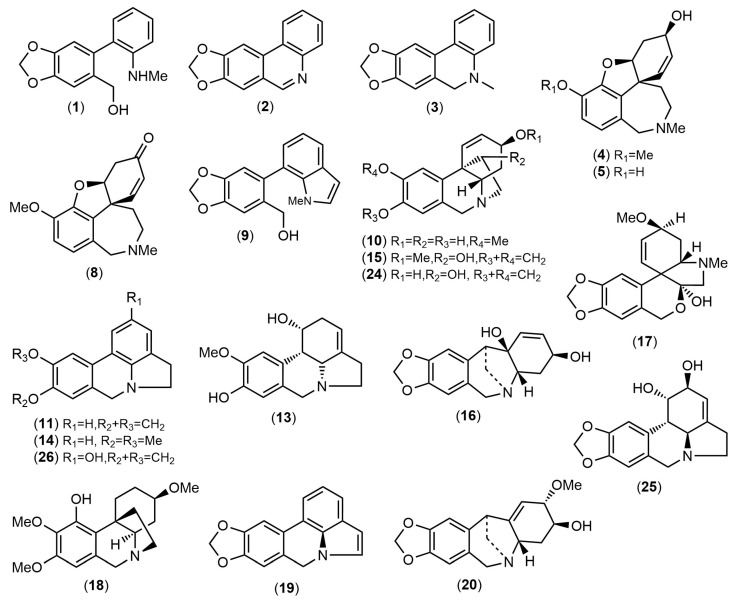 Figure 3
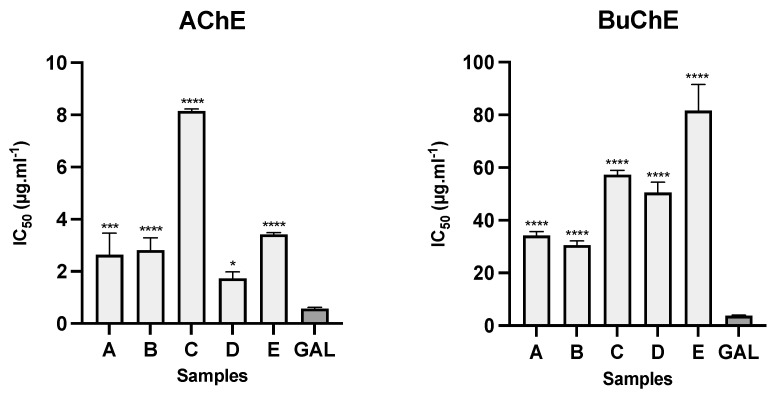 Figure 4
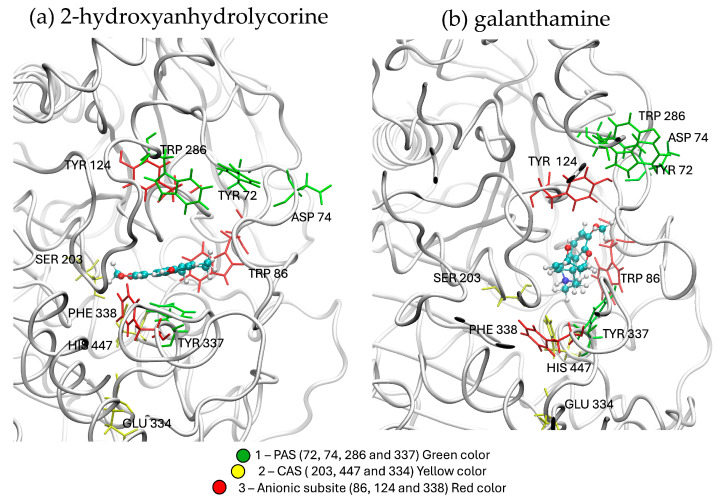 Figure 5
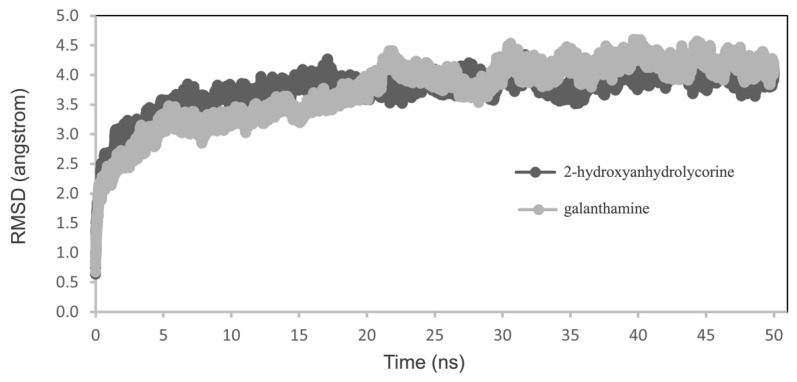 Figure 6
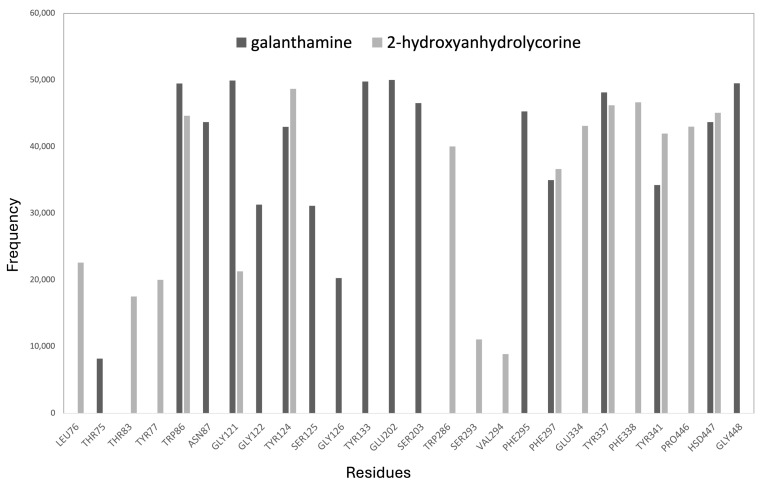 Figure 7
Peer Reviews
No public reviews on file for this paper yet. If you reviewed it on a platform where reviews are public (OpenReview, ICLR, NeurIPS, ICML), you can paste yours below so the community can read it here.
Videos
No videos yet. Explain this paper in a talk, walkthrough, or lecture? Add one.
Taxonomy
TopicsChemical synthesis and alkaloids · Alkaloids: synthesis and pharmacology · Cholinesterase and Neurodegenerative Diseases