Comparative Transcriptomic Analysis on the Effect of Sesamol on the Two-Stages Fermentation of Aurantiochytrium sp. for Enhancing DHA Accumulation
Xuewei Yang, Liyang Wei, Shitong Liang, Zongkang Wang, Shuangfei Li

TL;DR
This study shows that adding sesamol during a two-stage fermentation improves DHA production in Aurantiochytrium, using a low-cost method for commercial use.
Contribution
A novel two-stage fermentation method with sesamol is introduced to significantly enhance DHA production in Aurantiochytrium.
Findings
Using soybean powder and optimized conditions increased biomass concentration by 1.68-fold.
Adding 2.5 mM sesamol increased fatty acid and DHA production by 93.49% and 98.22%, respectively.
Transcriptome analysis showed upregulation of genes related to fatty acid synthesis and antioxidant enzymes.
Abstract
Aurantiochytrium is a well-known long-chain polyunsaturated fatty acids (PUFAs) producer, especially docosahexaenoic acid (DHA). In order to reduce the cost or improve the productivity of DHA, many researchers are focusing on exploring the high-yield strain, reducing production costs, changing culture conditions, and other measures. In this study, DHA production was improved by a two-stage fermentation. In the first stage, efficient and cheap soybean powder was used instead of conventional peptone, and the optimization of fermentation conditions (optimal fermentation conditions: temperature 28.7 °C, salinity 10.7‰, nitrogen source concentration 1.01 g/L, and two-nitrogen ratio of yeast extract to soybean powder 2:1) based on response surface methodology resulted in a 1.68-fold increase in biomass concentration. In the second stage, the addition of 2.5 mM sesamol increased the production…
Genes, proteins, chemicals, diseases, species, mutations and cell lines named across the full text — each resolved to its canonical identifier and authoritative record.
Click any figure to enlarge with its caption.
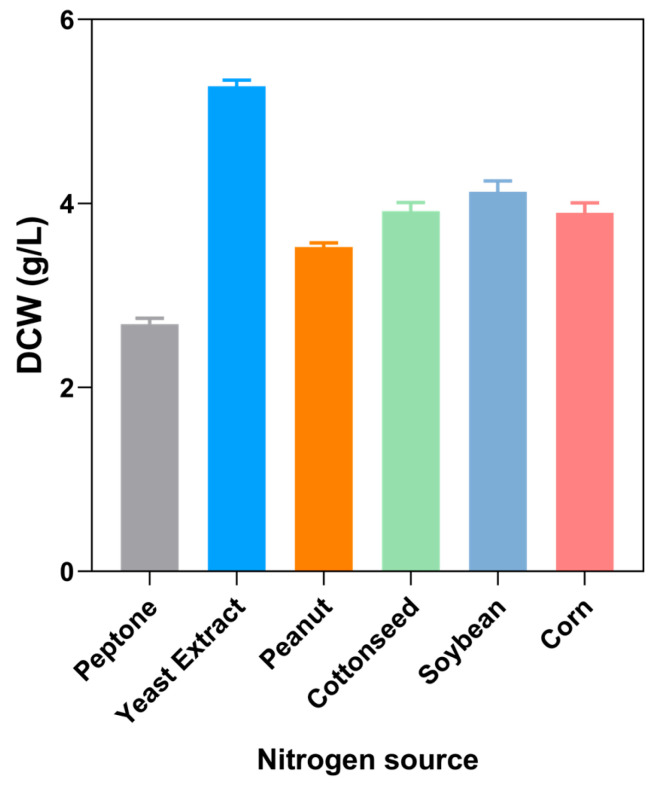 Figure 1
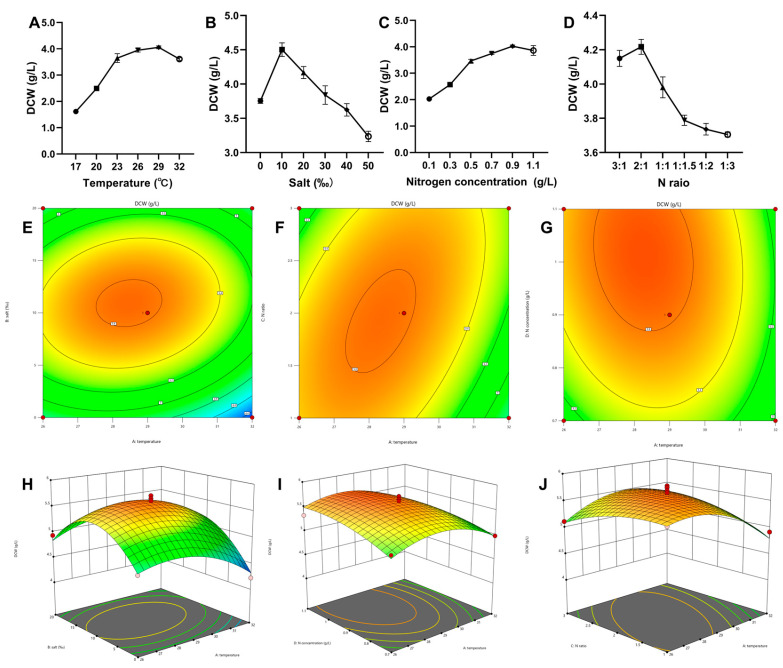 Figure 2
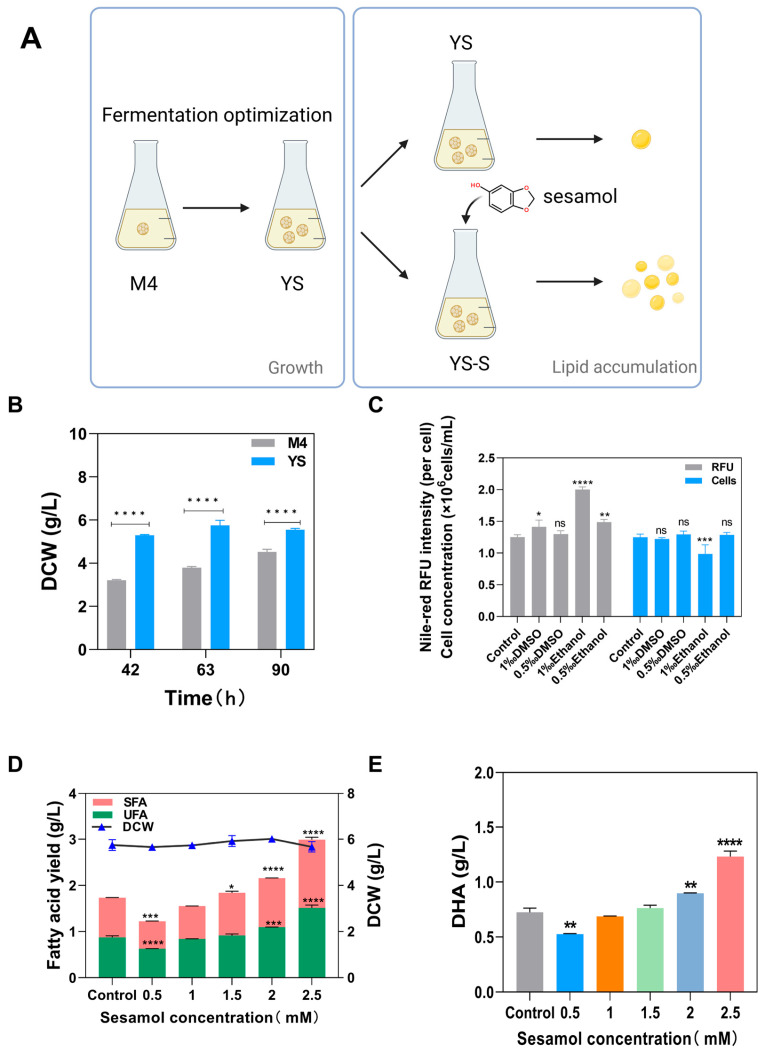 Figure 3
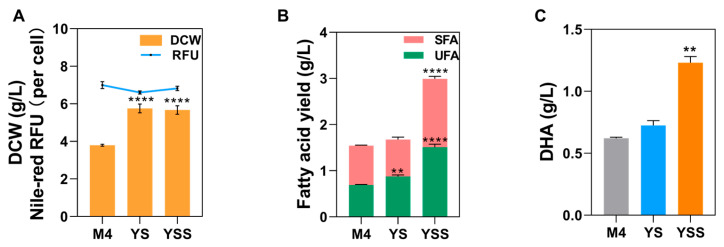 Figure 4
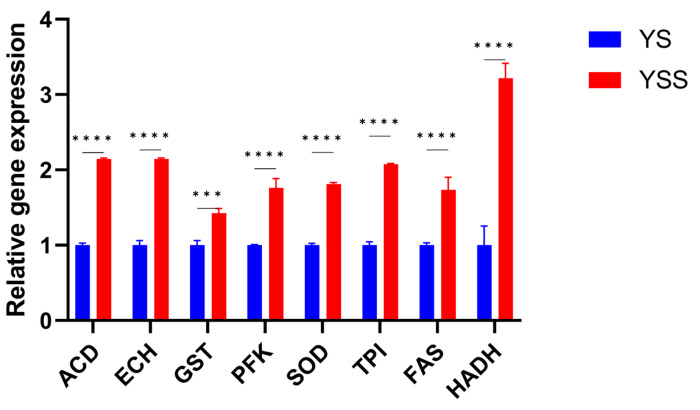 Figure 5
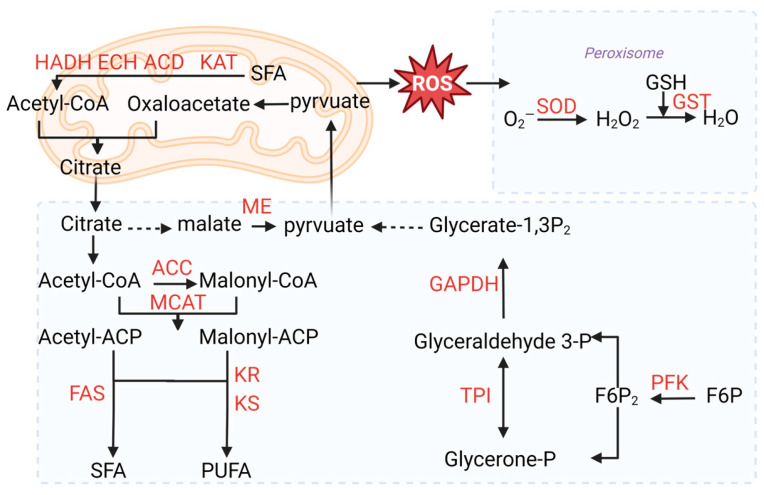 Figure 6
Peer Reviews
No public reviews on file for this paper yet. If you reviewed it on a platform where reviews are public (OpenReview, ICLR, NeurIPS, ICML), you can paste yours below so the community can read it here.
Videos
No videos yet. Explain this paper in a talk, walkthrough, or lecture? Add one.
Taxonomy
TopicsKnowledge Societies in the 21st Century