Evaluation of Pain-Associated Behavioral Changes in Monoiodoacetate-Induced Osteoarthritic Rats Using Dynamic Weight Bearing Analysis
Devika Kishnan, Erick Orozco Morato, Aydin Calsetta, Kyle M. Baumbauer, Lakshmi S. Nair

TL;DR
This study evaluates how dynamic weight bearing analysis can track pain in rats with osteoarthritis over 16 weeks.
Contribution
The study reveals the limitations of using ipsilateral weight bearing alone for long-term pain assessment in osteoarthritis models.
Findings
Ipsilateral weight bearing percentage alone is insufficient for assessing pain beyond 6 weeks.
Dynamic weight bearing analysis provides insights into long-term pain progression in MIA-induced OA rats.
Multiple postural metrics are needed for a comprehensive pain assessment in chronic OA models.
Abstract
Pain is the primary clinical indication of osteoarthritis (OA), and behavioral assessments in rodent pain models are widely used to understand pain patterns. These preclinical pain assessments can also help us to understand the effectiveness of emerging therapeutics for prolonged OA pain management. Along with evoked methods like mechanical allodynia and thermal hyperalgesia, non-evoked methods such as dynamic weight bearing (DWB) analysis are valuable tools for behavioral assessments of pain. Both these methods were utilized to study pain-induced behavioral changes in a monoiodoacetate (MIA)-induced osteoarthritic pain model, which is a well-established preclinical OA pain model. However, the utility of DWB analysis as an indicator of long-term pain sensitivity (more than 4 weeks) remains largely unexplored. Understanding the long-term sensitivity of DWB is valuable to study the…
Genes, proteins, chemicals, diseases, species, mutations and cell lines named across the full text — each resolved to its canonical identifier and authoritative record.
Click any figure to enlarge with its caption.
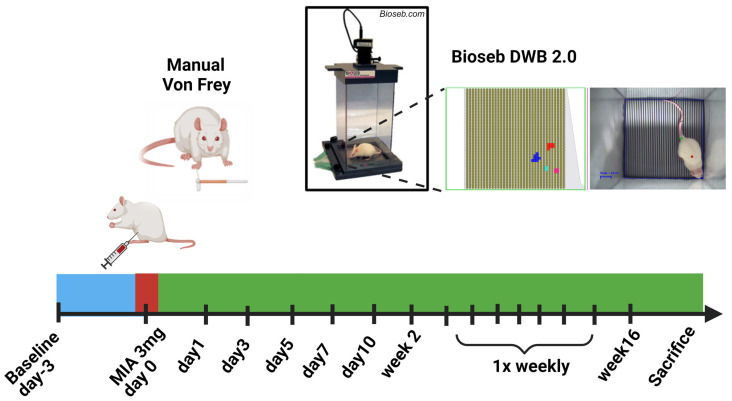 Figure 1
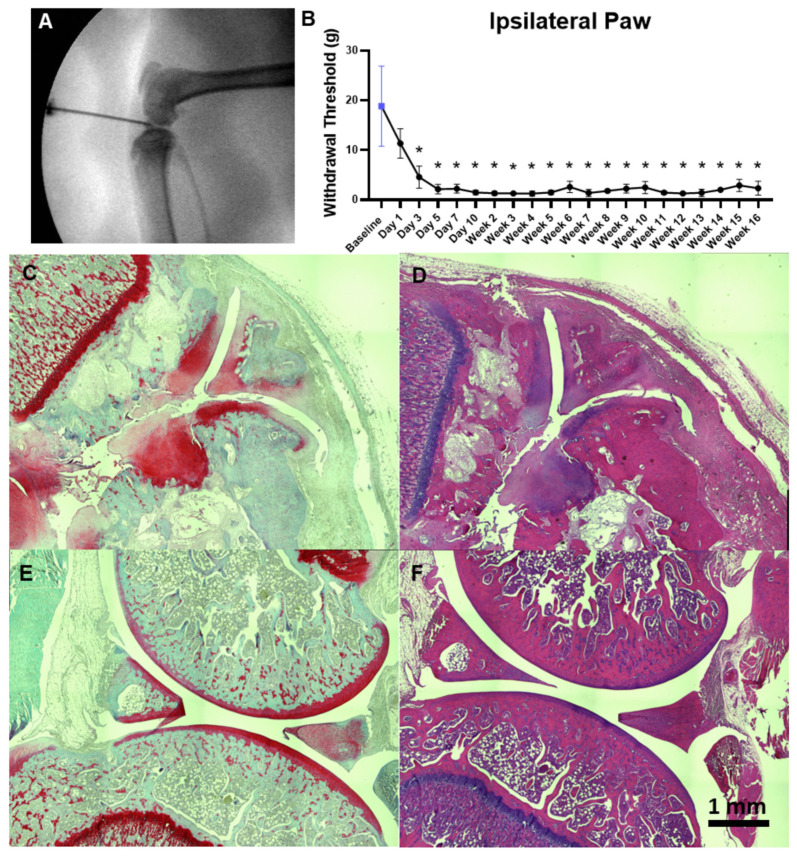 Figure 2
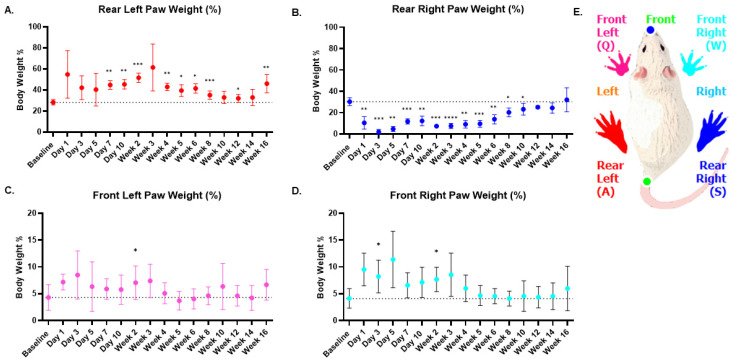 Figure 3
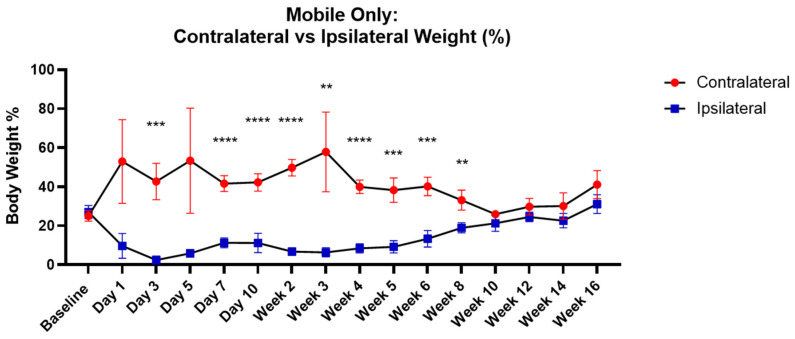 Figure 4
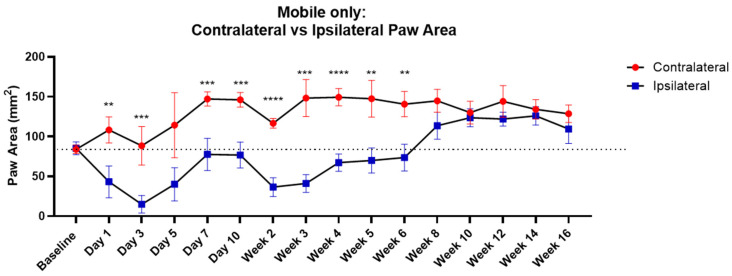 Figure 5
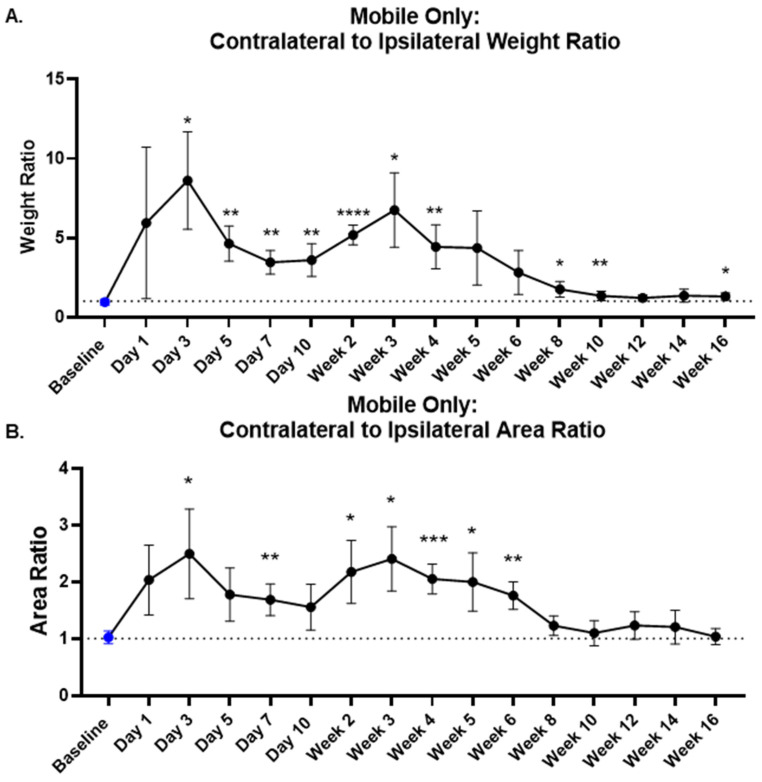 Figure 6
Peer Reviews
No public reviews on file for this paper yet. If you reviewed it on a platform where reviews are public (OpenReview, ICLR, NeurIPS, ICML), you can paste yours below so the community can read it here.
Videos
No videos yet. Explain this paper in a talk, walkthrough, or lecture? Add one.
Taxonomy
TopicsPain Mechanisms and Treatments · Osteoarthritis Treatment and Mechanisms · Neuropeptides and Animal Physiology