Seasonal Dynamics of Culturable Yeasts in Ornithogenically Influenced Soils in a Temperate Forest and Evaluation of Extracellular Enzyme Secretion in Tausonia pullulans at Different Temperatures
Anna Glushakova, Anna Sharova, Aleksey Kachalkin

TL;DR
This study explores how bird-influenced forest soils host diverse yeast communities, with a focus on cold-tolerant Tausonia pullulans and its enzyme production potential.
Contribution
The study reveals seasonal dynamics of ornithogenic soil yeasts and identifies Tausonia pullulans as a psychrotolerant yeast with high cold-adapted enzyme activity.
Findings
Yeast abundance in ornithogenic soils peaks in winter at 4.8 lg (cfu/g), much higher than in summer.
Tausonia pullulans dominates in winter and shows high esterase, lipase, and protease activity at low temperatures.
Ornithogenic soils host diverse yeast species, including soil-related, plant-inhabiting, and pathogenic types.
Abstract
The culturable yeast communities in temperate forest soils under the ornithogenic influence were studied in a seasonal dynamic. To investigate the intense ornithogenic influence, conventional and “live” feeders were used, which were attached to trees in the forest and constantly replenished throughout the year. It was found that the yeast abundance in the soil under strong ornithogenic influence reached the highest values in winter compared to the other seasons and amounted to 4.8 lg (cfu/g). This was almost an order of magnitude higher than the minimum value of yeast abundance in ornithogenic soils determined for summer. A total of 44 yeast species, 21 ascomycetes and 23 basidiomycetes, were detected in ornithogenic soil samples during the year. These included soil-related species (Barnettozyma californica, Cyberlindnera misumaiensis, Cutaneotrichosporon moniliiforme, Goffeauzyma…
Genes, proteins, chemicals, diseases, species, mutations and cell lines named across the full text — each resolved to its canonical identifier and authoritative record.
Click any figure to enlarge with its caption.
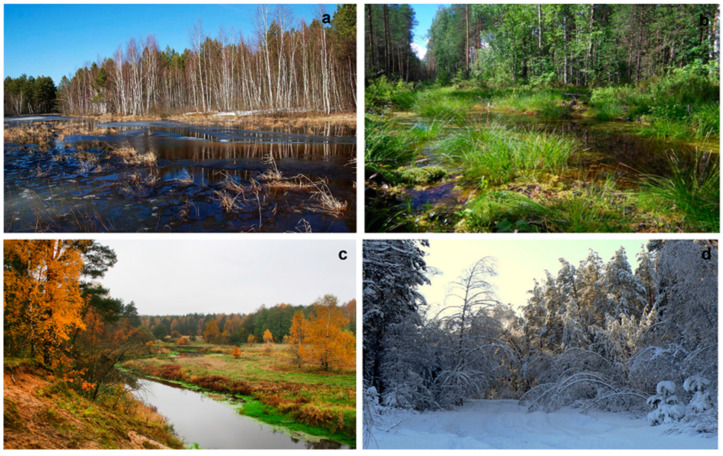 Figure 1
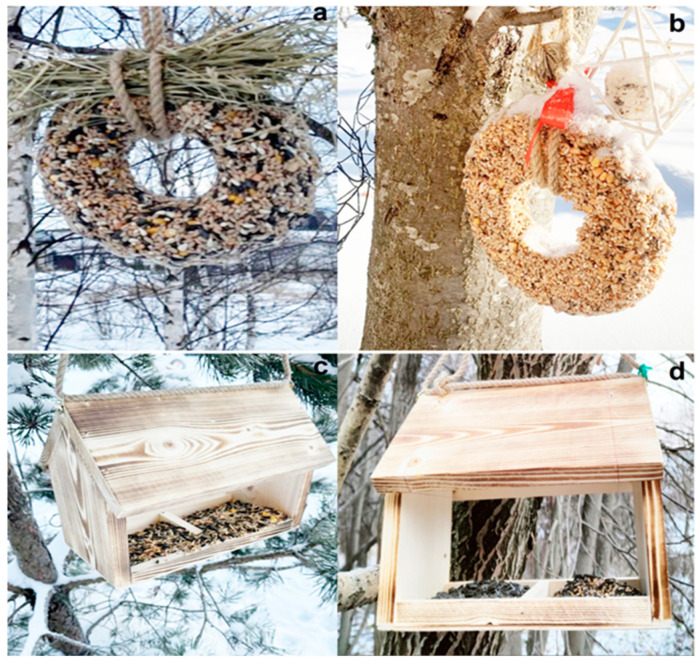 Figure 2
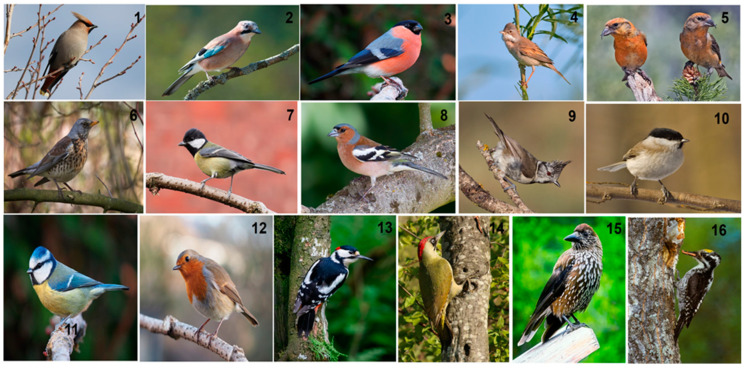 Figure 3
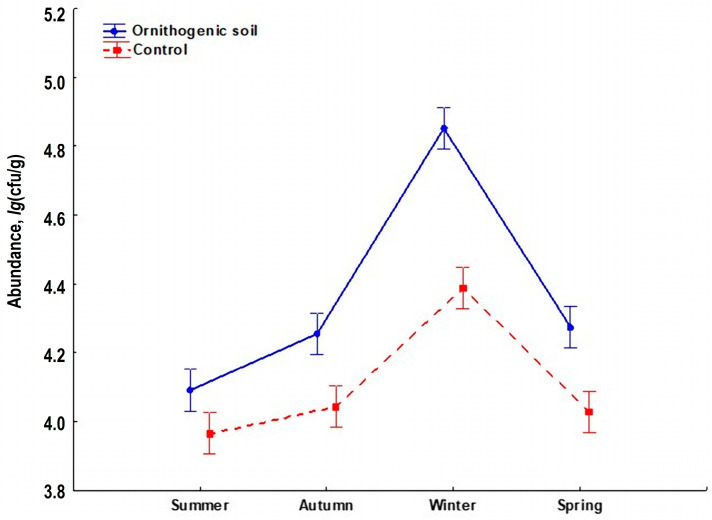 Figure 4
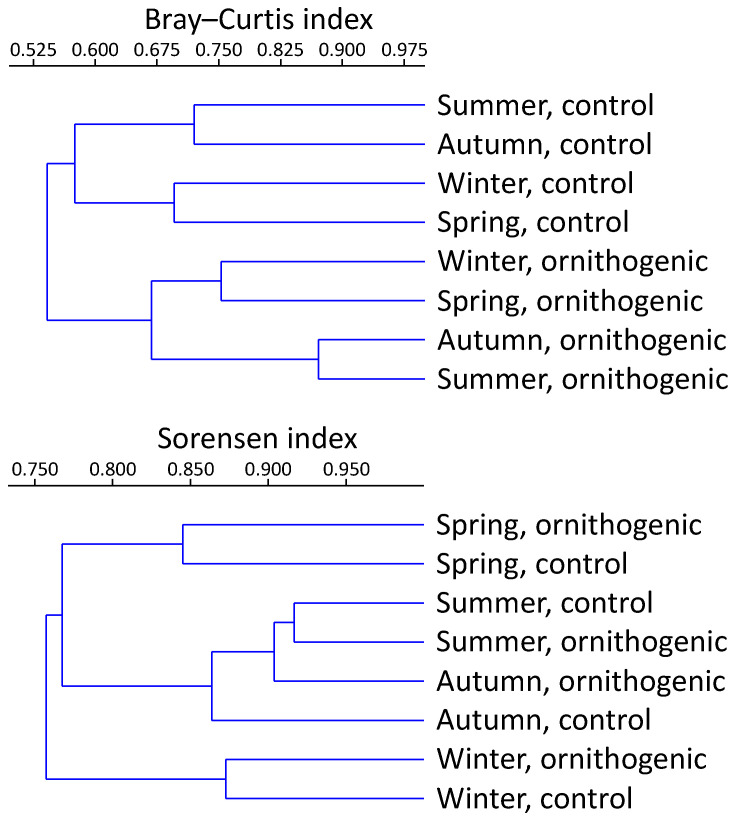 Figure 5
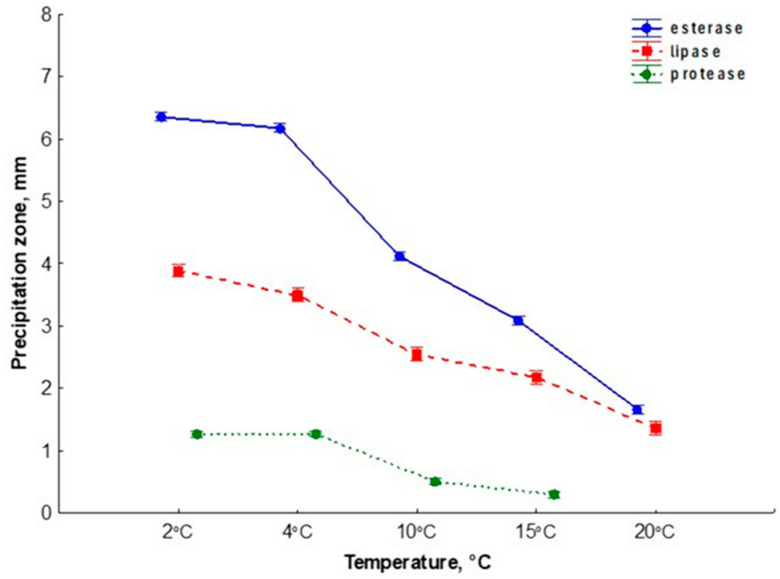 Figure 6
Peer Reviews
No public reviews on file for this paper yet. If you reviewed it on a platform where reviews are public (OpenReview, ICLR, NeurIPS, ICML), you can paste yours below so the community can read it here.
Videos
No videos yet. Explain this paper in a talk, walkthrough, or lecture? Add one.
Taxonomy
TopicsYeasts and Rust Fungi Studies · Mycorrhizal Fungi and Plant Interactions · Plant Pathogens and Fungal Diseases