The True Impact of Voiding Dysfunctions after Transobturator Sub-Urethral Tape Procedures: A Systematic Review of Literature
Francesco Plotti, Stefania Rampello, Corrado Terranova, Carlo De Cicco Nardone, Daniela Luvero, Roberto Montera, Violante Di Donato, Anna Franca Cavaliere, Giuseppe Campagna, Fernando Ficarola, Arianna Martinelli, Roberto Angioli

TL;DR
This study reviews the incidence of voiding dysfunctions and overactive bladder symptoms after transobturator tape procedures for stress urinary incontinence in women.
Contribution
The study systematically analyzes the real-world incidence and trends of voiding complications following transobturator procedures, offering updated insights for clinical practice.
Findings
Voiding dysfunctions occur in 0–22% of cases but decrease to 0–1% after 12 months.
De novo overactive bladder symptoms range from 3% to 14% at 12 months.
Tape-related complications and UTIs are common but often transient or manageable with prophylactic antibiotics.
Abstract
Introduction: Transobturator techniques are frequently used for the surgical treatment of female stress urinary incontinence (SUI), due to their high success rates and few intraoperative complications. However, controversial results have been reported in the literature regarding their incidence. The aim of this study is to analyze the real incidence and trend over time of such complications, especially voiding dysfunctions and overactive bladder (OAB) symptoms. Methods: A comprehensive search using PubMed/MEDLINE, Scopus, and Cochrane databases was performed. The search string used was the following: (female stress urinary incontinence) AND (complication) AND ((midurethral sling) OR (transobturator tape) OR (TVT-O) OR (voiding dysfunctions) OR (de novo OAB) OR (recurrent UTI) OR (vaginal erosion)). We included randomized controlled trials, prospective controlled studies, prospective and…
Genes, proteins, chemicals, diseases, species, mutations and cell lines named across the full text — each resolved to its canonical identifier and authoritative record.
Click any figure to enlarge with its caption.
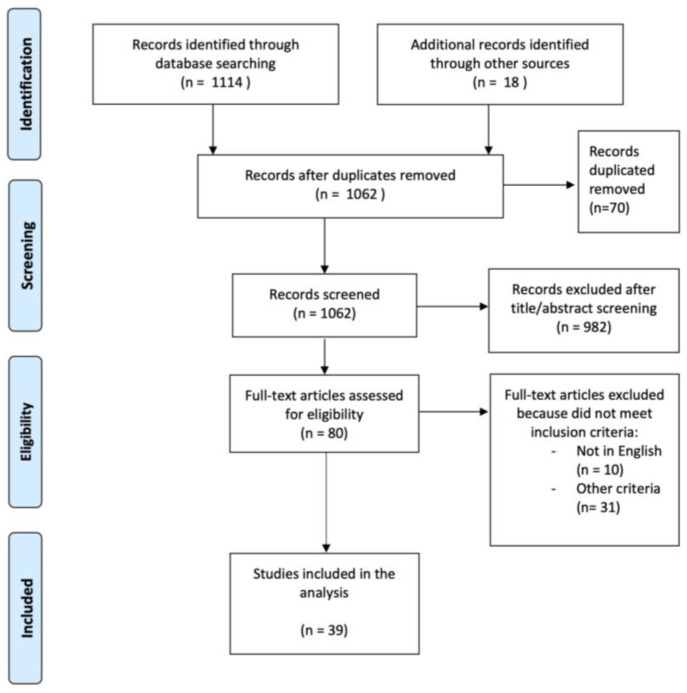 Figure 1
Peer Reviews
No public reviews on file for this paper yet. If you reviewed it on a platform where reviews are public (OpenReview, ICLR, NeurIPS, ICML), you can paste yours below so the community can read it here.
Videos
No videos yet. Explain this paper in a talk, walkthrough, or lecture? Add one.
Taxonomy
TopicsPelvic floor disorders treatments · Urinary Bladder and Prostate Research · Urological Disorders and Treatments