Comparison of Optical Properties and Fracture Loads of Multilayer Monolithic Zirconia Crowns with Different Yttria Levels
Chien-Ming Kang, Tzu-Yu Peng, Yan-An Wu, Chi-Fei Hsieh, Miao-Ching Chi, Hsuan-Yu Wu, Zih-Chan Lin

TL;DR
This study compares how different yttria levels in zirconia crowns affect their appearance and strength, finding that higher yttria improves translucency and color matching while maintaining good fracture resistance.
Contribution
The study introduces a comparison of multilayer monolithic zirconia crowns with varying yttria levels, revealing their optical and mechanical performance differences.
Findings
Higher yttria levels (4Y + 5Y) increased translucency and improved color matching in zirconia crowns.
Fracture loads were significantly higher for 3Y zirconia (SZ) compared to 4Y + 5Y (AZ), especially in thicker crowns.
Fracture patterns varied with yttria levels, with SZ showing more complete fractures and AZ showing fewer non-fracture cases.
Abstract
Multilayer monolithic zirconia, which incorporates polychromatic layers that mimic natural tooth gradients, offers enhanced aesthetics and functionality while reducing debonding risks and improving fabrication efficiency. However, uncertainties remain regarding the fracture characteristics of multilayer monolithic zirconia crowns under occlusal loading, whether composed of uniform or combined yttria levels. The current study investigated how variations in yttria levels and thicknesses affected the optical properties and fracture loads of multilayer monolithic zirconia. Samples of multilayer monolithic zirconia in the Vita A1 shade were used, while employing 3Y (SZ) and 4Y + 5Y (AZ) yttria levels. The optical properties, including the color difference (ΔEWS) and translucency parameters (TP00), were measured using a digital colorimeter. The fracture loads were analyzed using a universal…
Genes, proteins, chemicals, diseases, species, mutations and cell lines named across the full text — each resolved to its canonical identifier and authoritative record.
Click any figure to enlarge with its caption.
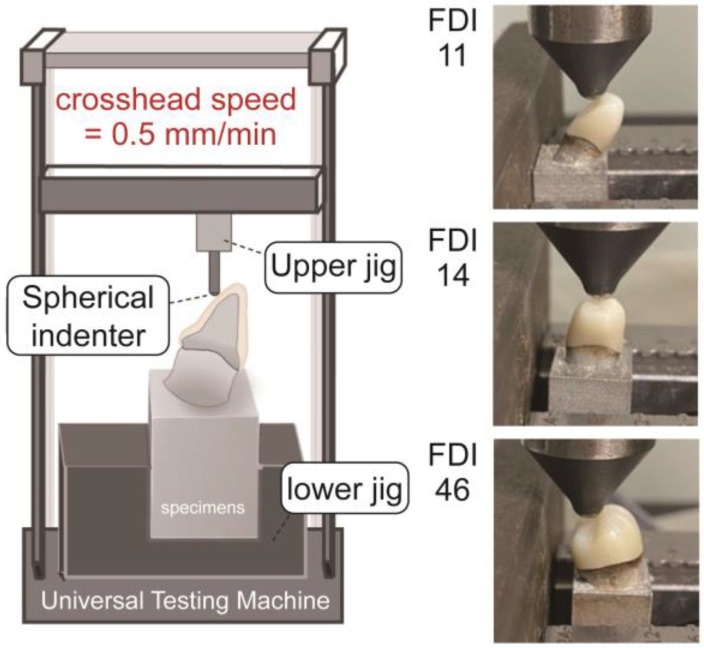 Figure 1
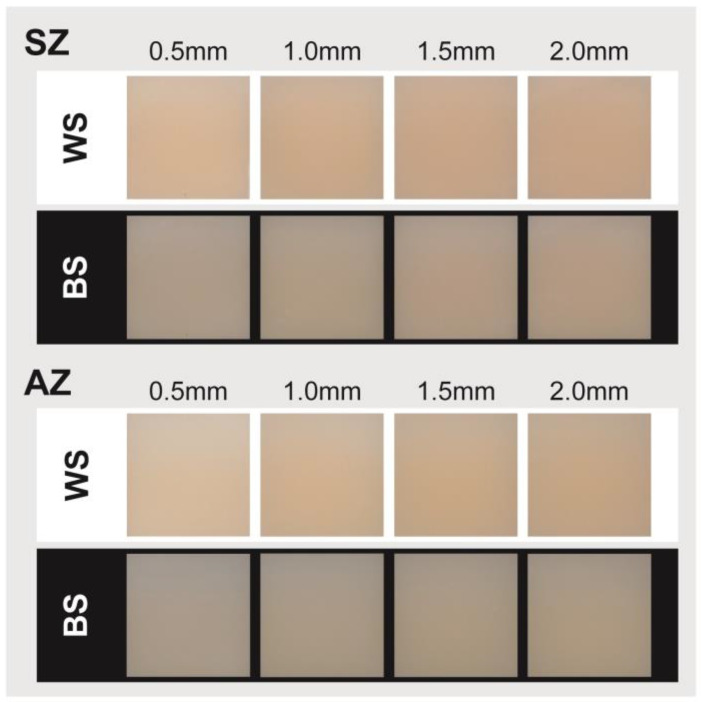 Figure 2
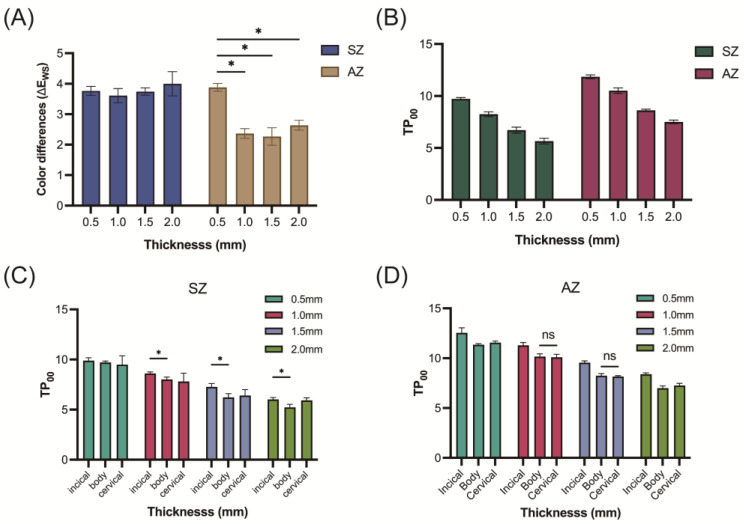 Figure 3
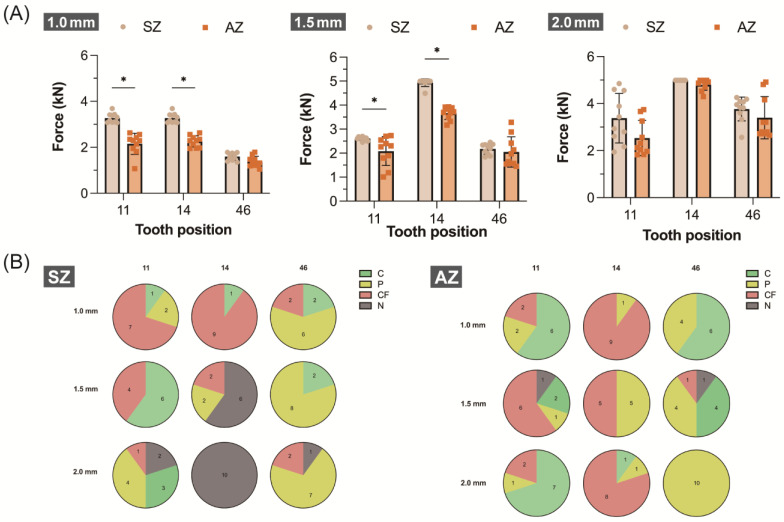 Figure 4
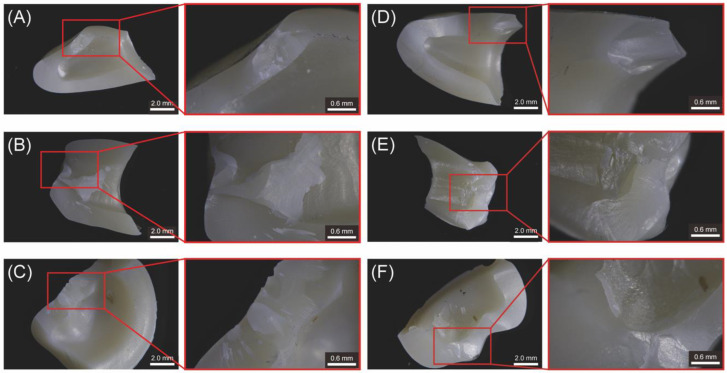 Figure 5
Peer Reviews
No public reviews on file for this paper yet. If you reviewed it on a platform where reviews are public (OpenReview, ICLR, NeurIPS, ICML), you can paste yours below so the community can read it here.
Videos
No videos yet. Explain this paper in a talk, walkthrough, or lecture? Add one.
Taxonomy
TopicsDental materials and restorations · Injection Molding Process and Properties · Dental Research and COVID-19