Reduced Clavicle Length Indicates the Severity of Scapular Misalignment in Obstetric Brachial Plexus Lesions
Rudolf Rosenauer, Antal Nógrádi, Stefan Quadlbauer, Markus Schmidhammer, Robert Schmidhammer, Savas Tsolakidis

TL;DR
Shorter clavicles in children with brachial plexus birth palsy are linked to worse scapular positioning, suggesting clavicle length can predict the severity of shoulder misalignment.
Contribution
This study establishes a novel correlation between clavicle length differences and scapular dyskinesia severity in brachial plexus birth palsy patients.
Findings
Greater clavicle length differences correlate with more severe scapular dyskinesia.
Shorter clavicles are associated with worsened scapular positioning angles.
Clavicle length differences increase with age and scapular size on the affected side.
Abstract
(1) Background: Although most brachial plexus birth palsies show some spontaneous recovery, secondary operations are likely to follow. Accordingly, due to the loss of muscle innervation, the growth of the affected limb and the shoulder girdle is reduced. This is associated with pathological scapula positioning and rotation. The objective of this work was to clarify the relationship between length differences of the two clavicles and different types of scapular dyskinesia. (2) Methods: Twenty-five patients suffering from brachial plexus birth palsy were included in this retrospective study. There were eighteen female and seven male patients with a mean age of 10 years (2 to 23 years). CT scans of the thoracic cage, including both shoulder joints and both clavicles, were obtained preoperatively between 2010 and 2012. Radiographic measurements were taken of the axial plane and 3D…
Genes, proteins, chemicals, diseases, species, mutations and cell lines named across the full text — each resolved to its canonical identifier and authoritative record.
Click any figure to enlarge with its caption.
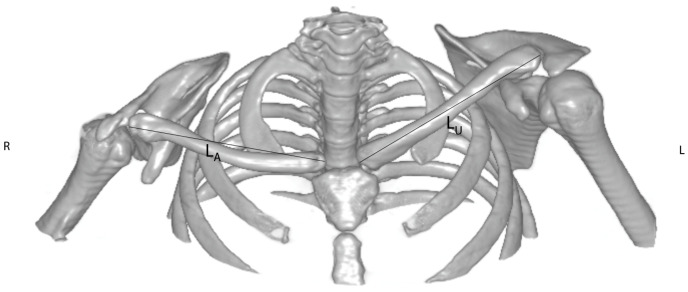 Figure 1
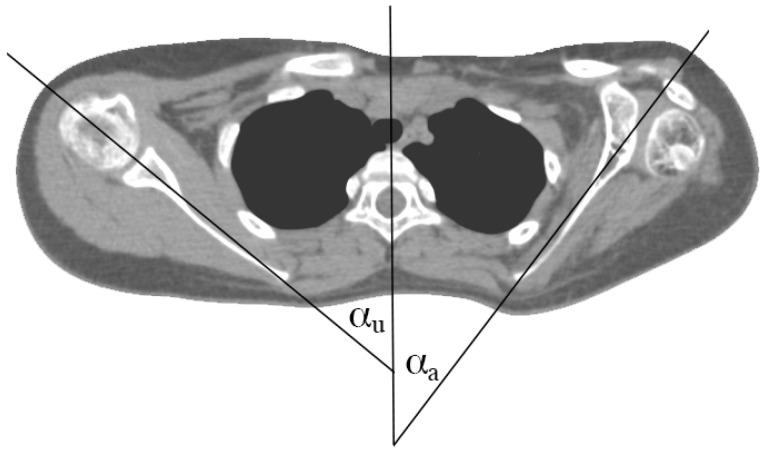 Figure 2
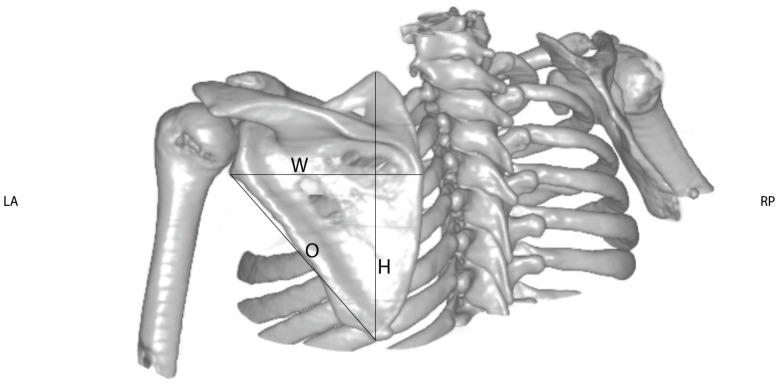 Figure 3
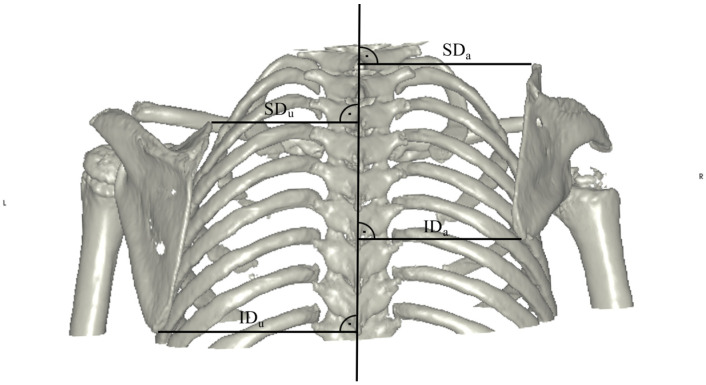 Figure 4
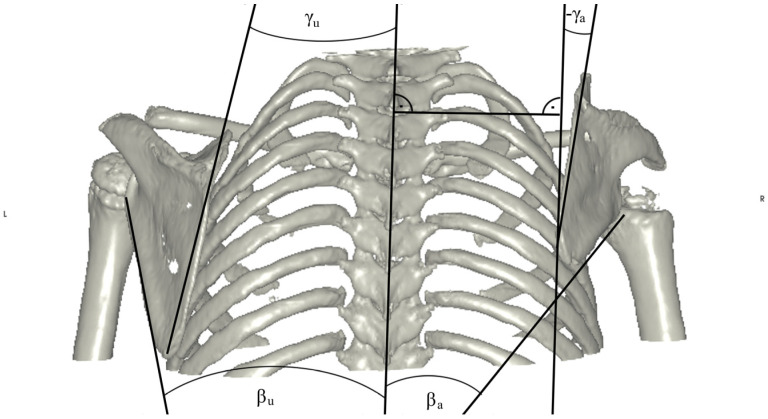 Figure 5
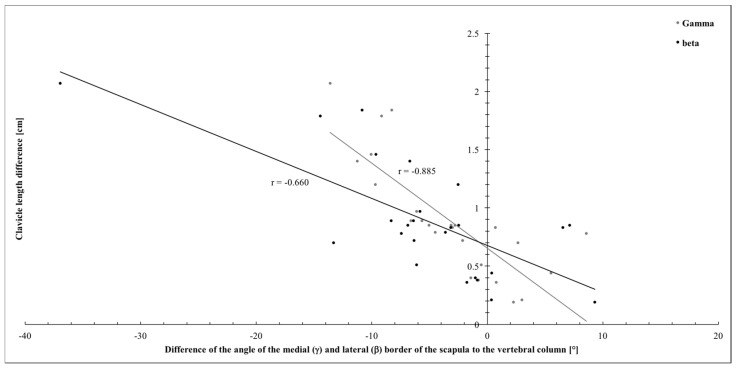 Figure 6
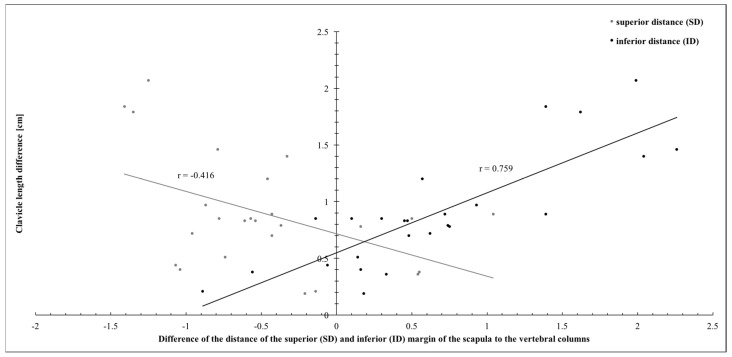 Figure 7
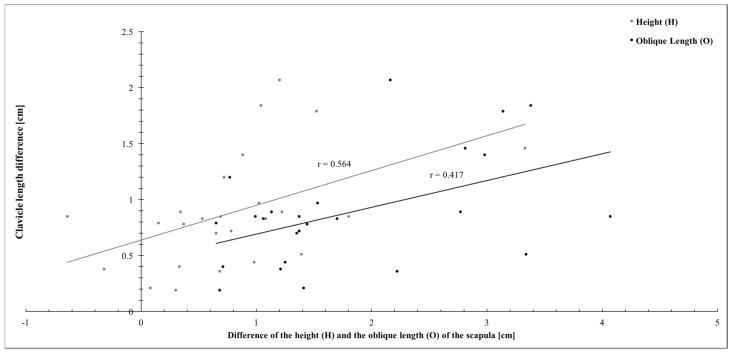 Figure 8
Peer Reviews
No public reviews on file for this paper yet. If you reviewed it on a platform where reviews are public (OpenReview, ICLR, NeurIPS, ICML), you can paste yours below so the community can read it here.
Videos
No videos yet. Explain this paper in a talk, walkthrough, or lecture? Add one.
Taxonomy
TopicsNerve Injury and Rehabilitation · Cardiac Structural Anomalies and Repair · Shoulder and Clavicle Injuries