Differential Strategies of Ectomycorrhizal Development between Suillus luteus and Pinus massoniana in Response to Nutrient Changes
Xueyu Pan, Junfeng Liang, Jinhua Zhang, Yan Zhao, Mingjie Chen

TL;DR
This study explores how the ectomycorrhizal fungus Suillus luteus interacts with Pinus massoniana under different nutrient conditions and identifies a key gene involved in root colonization.
Contribution
The study identifies a GST gene in Suillus luteus that is involved in root colonization and is independent of nutrient levels.
Findings
Suillus luteus LS88 promotes Pinus massoniana seedling growth without mature ectomycorrhiza.
The GST gene in LS88 is likely involved in colonizing P. massoniana roots and is induced by the host.
GST gene expression is independent of nutrient levels and could serve as a colonization marker.
Abstract
Ectomycorrhizal fungi employ different strategies for mycelial growth and host colonization under varying nutrient conditions. However, key genes associated with mycorrhizal interaction should be influenced solely by the inoculation treatment and not by nutrient variations. To utilize subtle nutrient differences and rapidly screen for key genes related to the interaction between Suillus luteus and Pinus massoniana, we performed an inoculation experiment using culture bottles containing high- and low-nutrient media. Interestingly, S. luteus LS88 promoted the growth of P. massoniana seedlings without mature ectomycorrhiza, and the impact of LS88 inoculation on P. massoniana roots was greater than that of nutrient changes. In this study, the resequenced genome of the LS88 strain was utilized for transcriptome analysis of the strain. The analysis indicated that a unique gene encoding…
Genes, proteins, chemicals, diseases, species, mutations and cell lines named across the full text — each resolved to its canonical identifier and authoritative record.
Click any figure to enlarge with its caption.
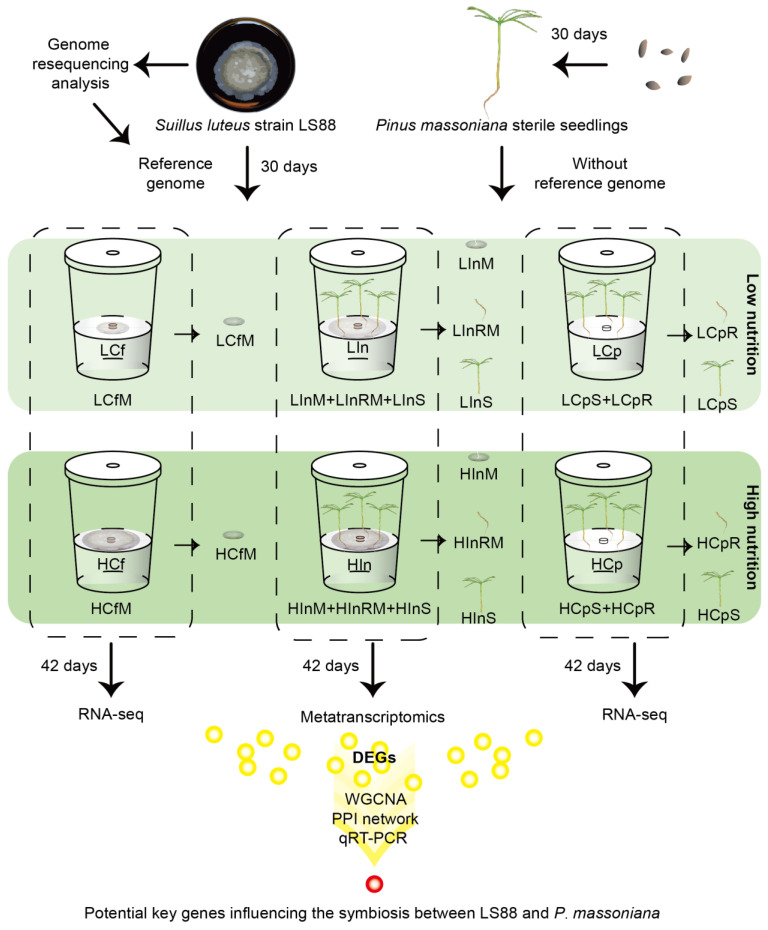 Figure 1
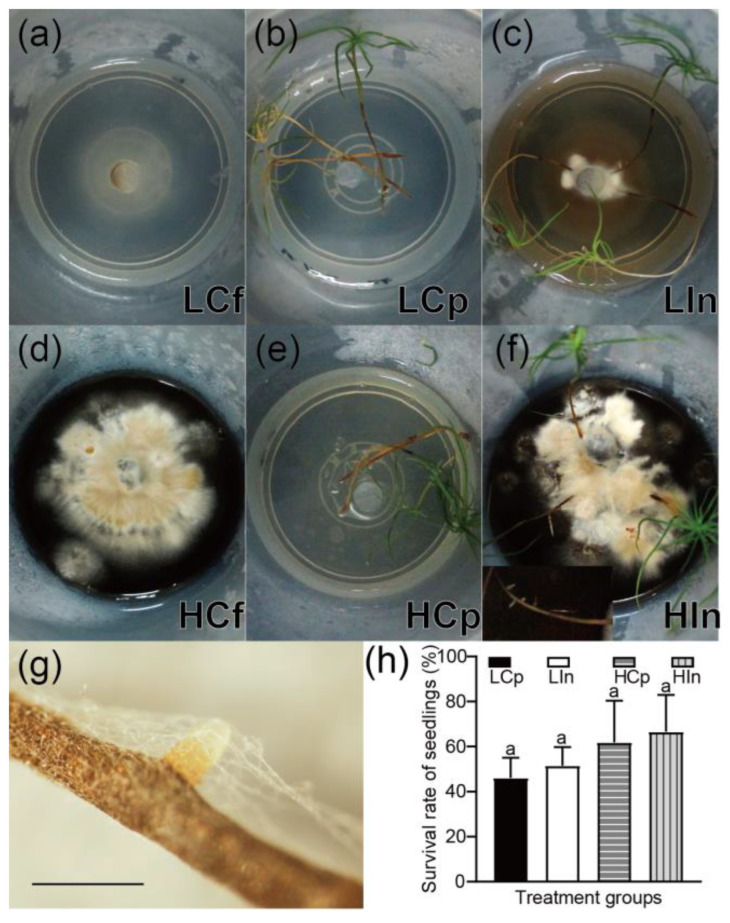 Figure 2
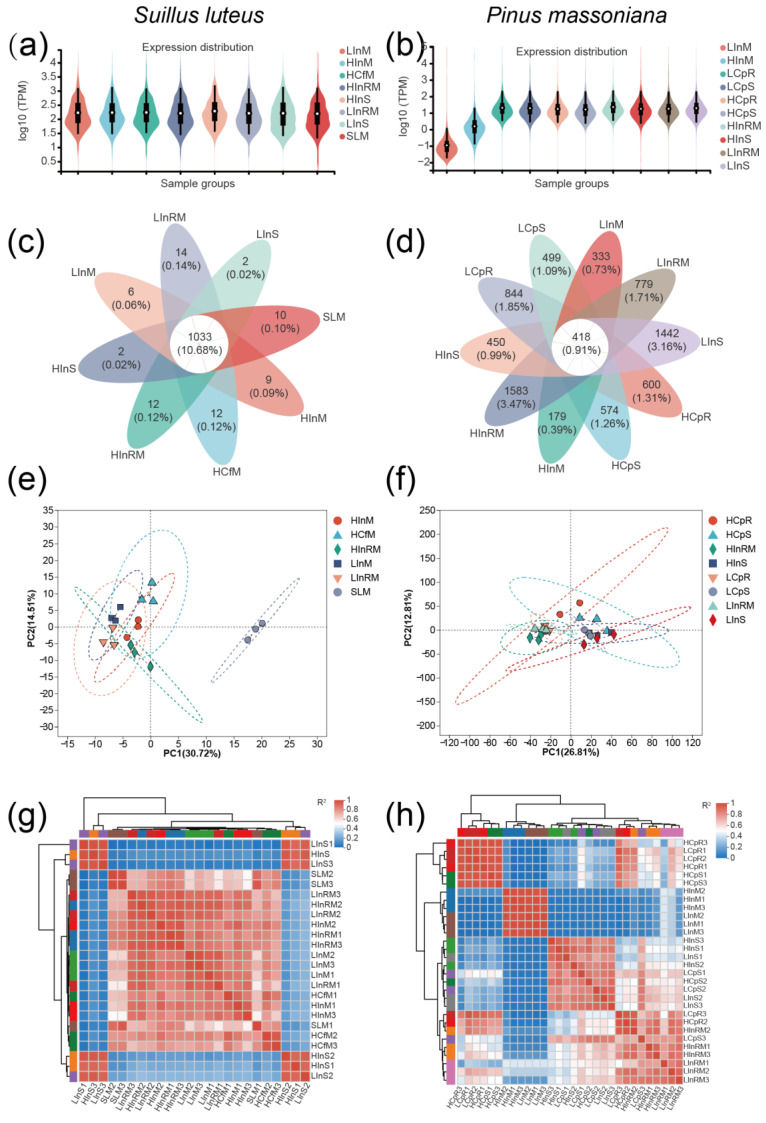 Figure 3
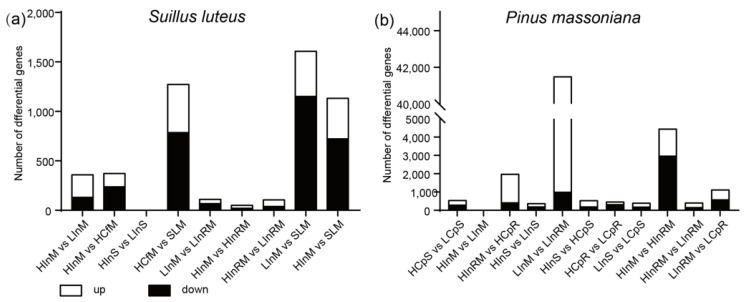 Figure 4
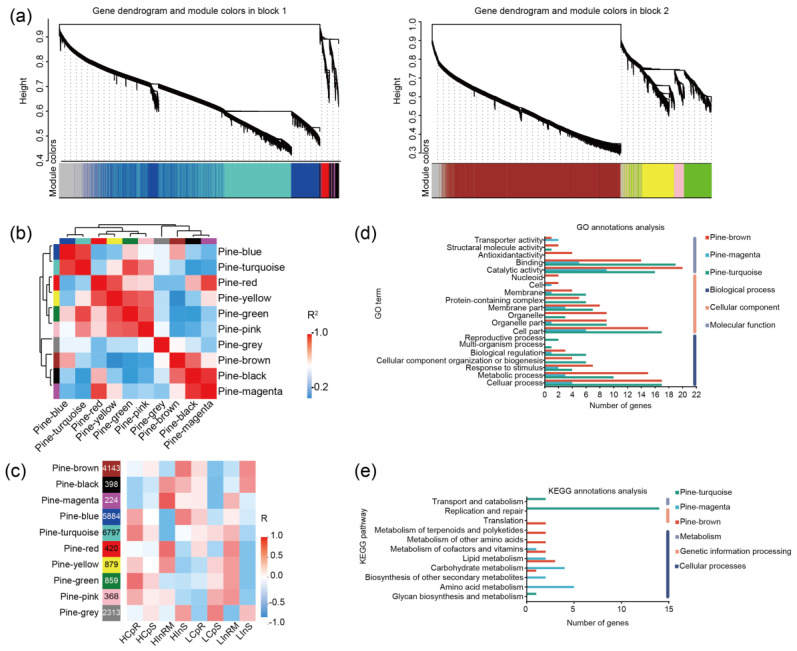 Figure 5
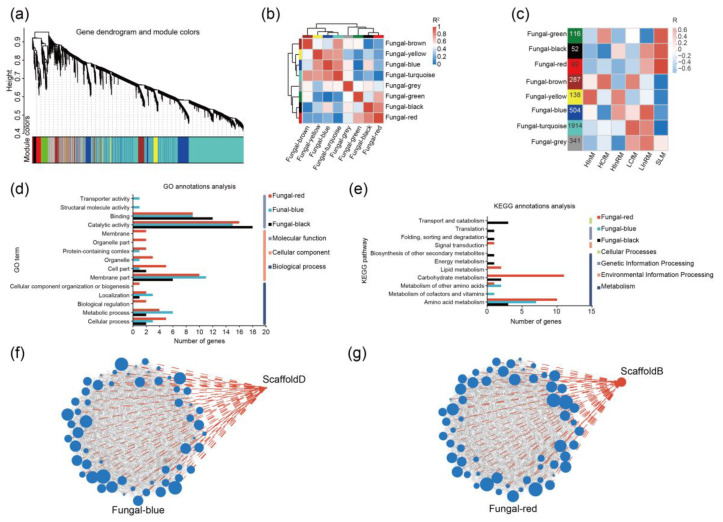 Figure 6
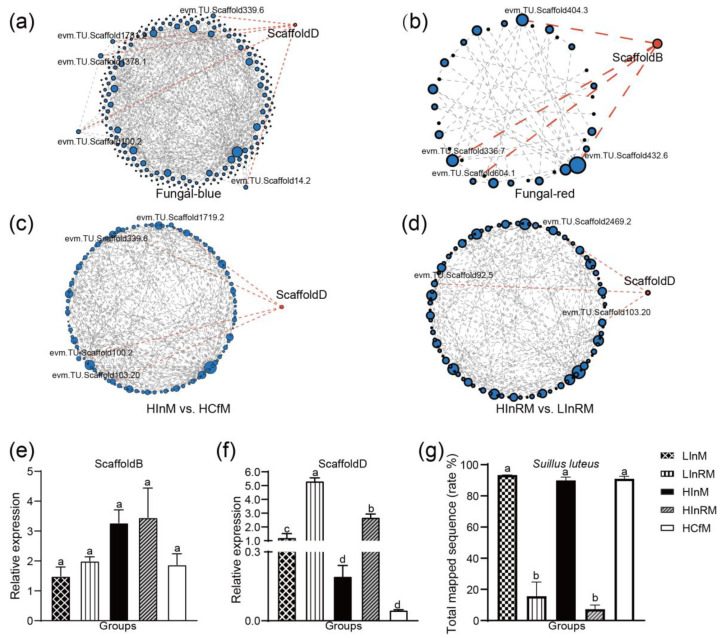 Figure 7
Peer Reviews
No public reviews on file for this paper yet. If you reviewed it on a platform where reviews are public (OpenReview, ICLR, NeurIPS, ICML), you can paste yours below so the community can read it here.
Videos
No videos yet. Explain this paper in a talk, walkthrough, or lecture? Add one.
Taxonomy
TopicsMycorrhizal Fungi and Plant Interactions · Fungal Biology and Applications · Forest Ecology and Biodiversity Studies