Inhalational Drug Devices: Revisiting the Linchpin of Asthma Management
Damini Saxena, Neveda Murugesan, Uyioghosa D. Evbayiro, Marina K. Ngassa, Muhammad Adrish

TL;DR
This review discusses how inhalers work and the importance of choosing the right type for effective asthma treatment.
Contribution
The paper provides a comprehensive overview of inhaler types and their role in asthma management.
Findings
Proper inhaler technique is crucial for effective asthma treatment.
Multiple inhaler types exist, and selecting the right one is essential for disease control.
Future directions in inhaled medication delivery are being explored.
Abstract
Asthma remains a prevalent condition among all age groups globally. First-line treatment requires the delivery of medications into the distal respiratory tract via inhalers. Using appropriate inhaler techniques is a significant challenge in achieving disease control. A variety of inhalers are available for treating asthma, and selecting the appropriate inhaler type for any given patient is crucial to achieving and maintaining symptomatic control. This review will discuss the anatomy and physiology behind drug delivery via inhalers, the types of inhalers currently available for use, nebulizers, and future directions in the delivery of inhaled medications for asthma.
Genes, proteins, chemicals, diseases, species, mutations and cell lines named across the full text — each resolved to its canonical identifier and authoritative record.
Click any figure to enlarge with its caption.
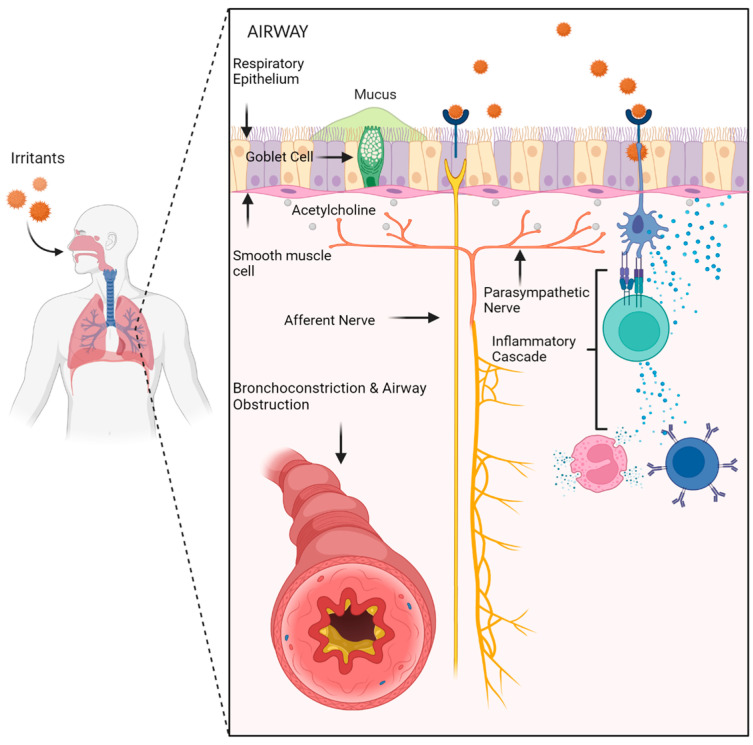 Figure 1
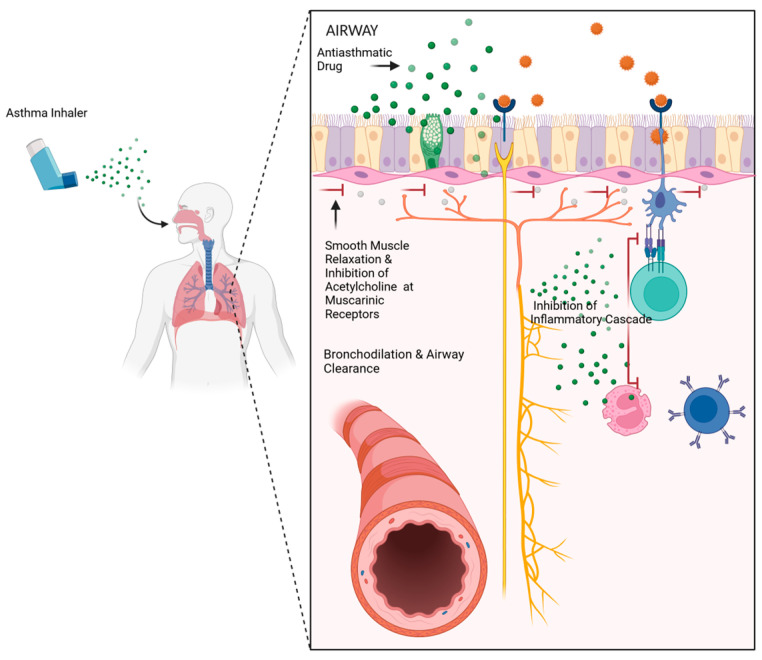 Figure 2
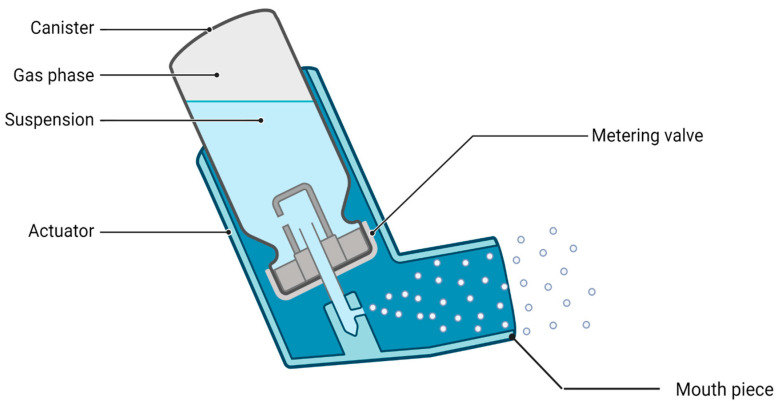 Figure 3
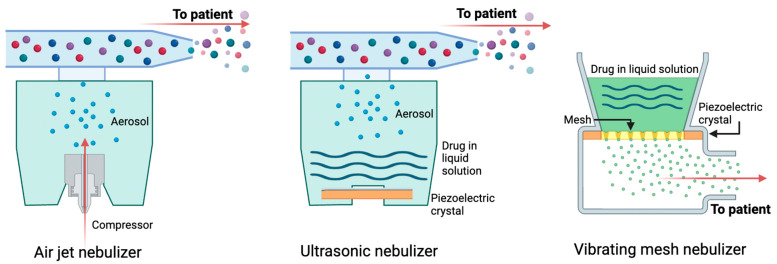 Figure 4
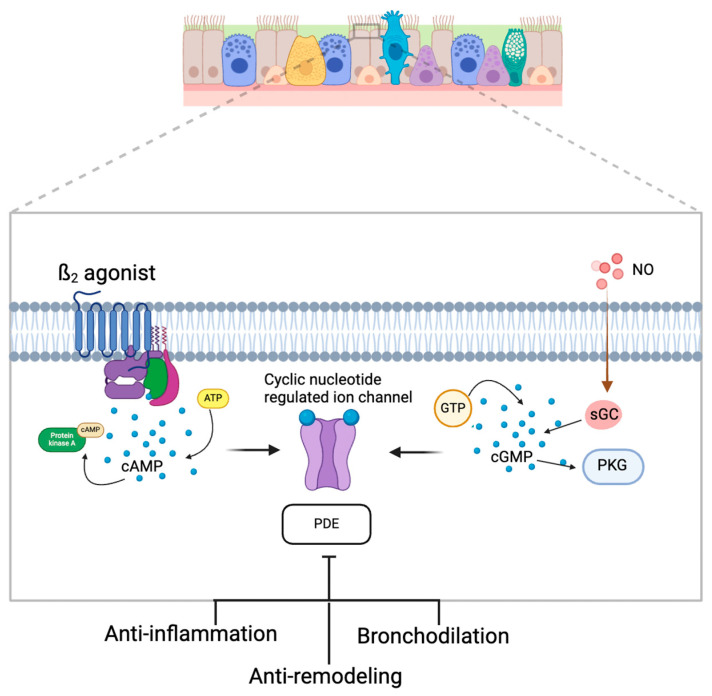 Figure 5
Peer Reviews
No public reviews on file for this paper yet. If you reviewed it on a platform where reviews are public (OpenReview, ICLR, NeurIPS, ICML), you can paste yours below so the community can read it here.
Videos
No videos yet. Explain this paper in a talk, walkthrough, or lecture? Add one.
Taxonomy
TopicsInhalation and Respiratory Drug Delivery · Asthma and respiratory diseases · Respiratory and Cough-Related Research