Hematopoietic Growth Factors Regulate the Entry of Monocytes into the Adult Brain via Chemokine Receptor CCR5
Xuefang Sophie Ren, Junchi He, Songruo Li, Heng Hu, Michele Kyle, Shinichi Kohsaka, Li-Ru Zhao

TL;DR
This study shows how growth factors SCF and G-CSF help monocytes enter the adult brain to renew macrophages via the CCR5 receptor.
Contribution
The novel finding is that SCF and G-CSF synergistically enhance monocyte entry into the brain through CCR5, not via traditional adhesion molecules.
Findings
SCF and G-CSF together increase monocyte adhesion to brain endothelial cells in a dose-dependent way.
Blocking CCR5 reduces monocyte adhesion and recruitment induced by SCF and G-CSF.
CCR5 knockout mice show reduced monocyte recruitment into the cerebral perivascular space.
Abstract
Monocytes are circulating macrophage precursors generated from bone marrow hematopoietic stem cells. In adults, monocytes continuously replenish cerebral border-associated macrophages under physiological conditions. Monocytes also rapidly infiltrate the brain in pathological settings. The mechanisms of recruiting monocyte-derived macrophages into the brain under pathological conditions have been extensively studied. However, it remains unclear how monocytes enter the brain to renew border-associated macrophages under physiological conditions. Using both in vitro and in vivo approaches, this study reveals that a combination of two hematopoietic growth factors, stem cell factor (SCF) and granulocyte colony-stimulating factor (G-CSF), complementarily and synergistically enhances the adhesion of monocytes to cerebral endothelial cells in a dose-dependent manner. Cysteine-cysteine chemokine…
Genes, proteins, chemicals, diseases, species, mutations and cell lines named across the full text — each resolved to its canonical identifier and authoritative record.
Click any figure to enlarge with its caption.
 Figure 1
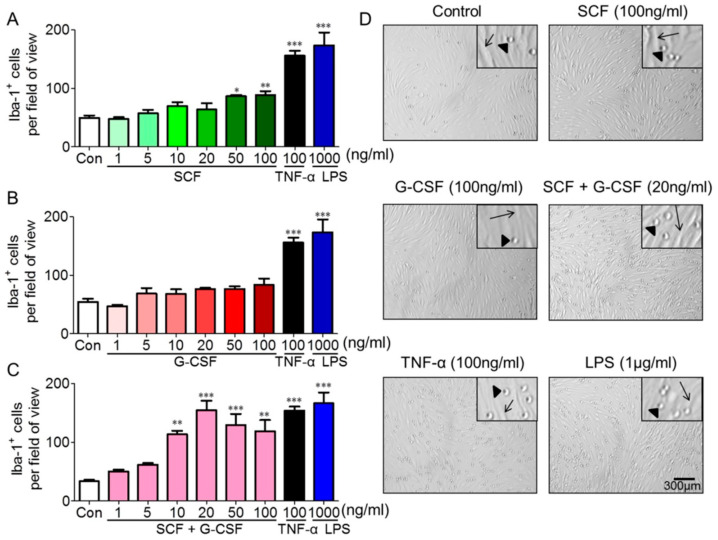 Figure 2
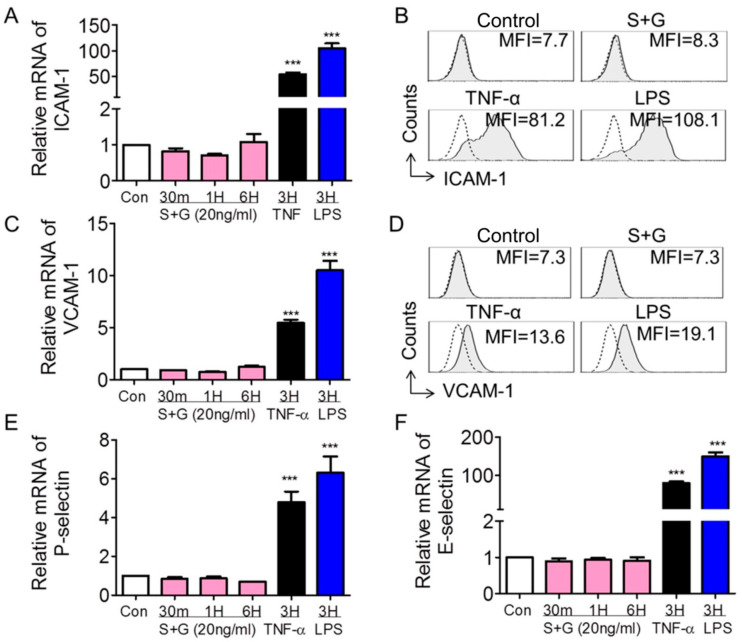 Figure 3
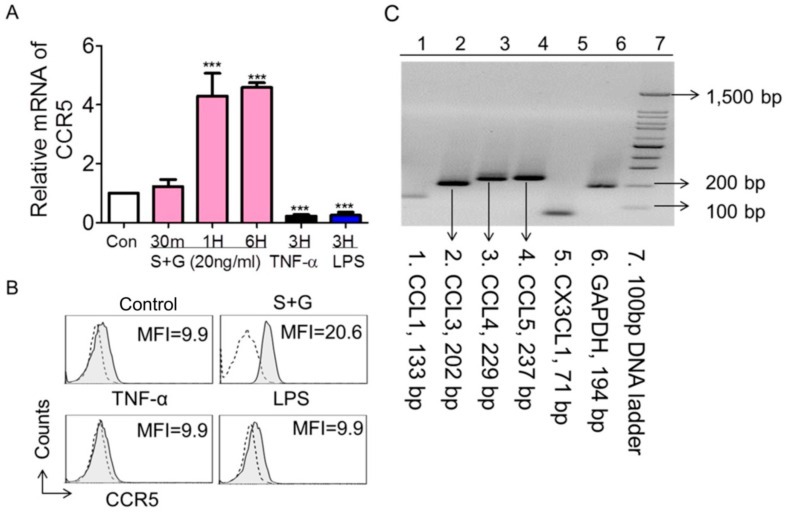 Figure 4
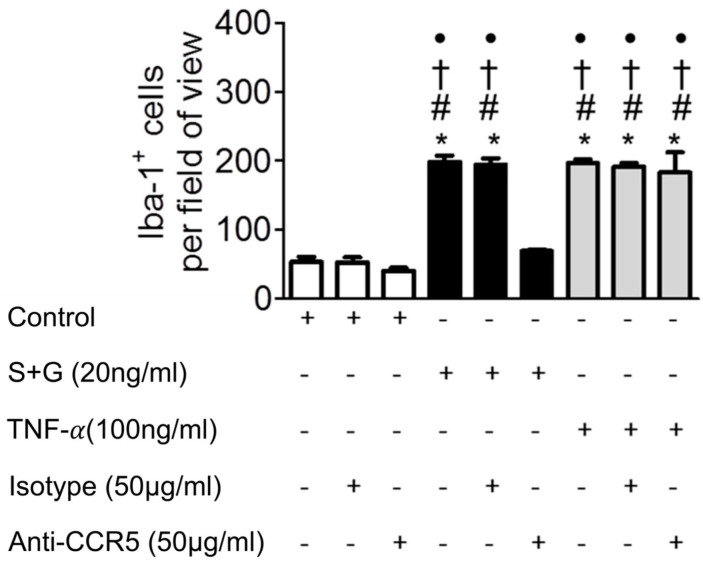 Figure 5
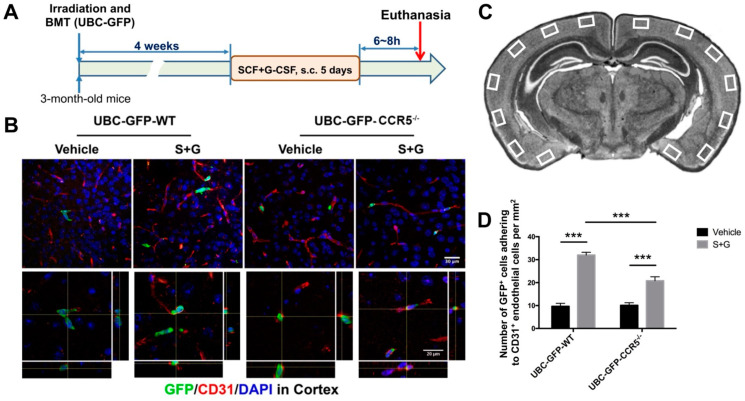 Figure 6
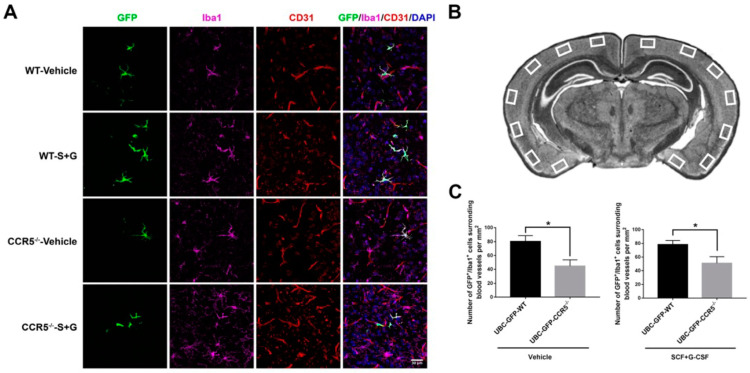 Figure 7
Peer Reviews
No public reviews on file for this paper yet. If you reviewed it on a platform where reviews are public (OpenReview, ICLR, NeurIPS, ICML), you can paste yours below so the community can read it here.
Videos
No videos yet. Explain this paper in a talk, walkthrough, or lecture? Add one.
Taxonomy
TopicsNeuroinflammation and Neurodegeneration Mechanisms · Immune cells in cancer · Neurogenesis and neuroplasticity mechanisms