Hybrid Polystyrene–Plasmonic Systems as High Binding Density Biosensing Platforms
Charles M. Darr, Juiena Hasan, Cherian Joseph Mathai, Keshab Gangopadhyay, Shubhra Gangopadhyay, Sangho Bok

TL;DR
This paper introduces a new biosensing platform combining polystyrene and plasmonic systems to detect biomarkers with high sensitivity and stability.
Contribution
The novel contribution is a stable, ultra-thin polystyrene layer on plasmonic gratings for enhanced fluorescence and single-molecule detection.
Findings
The hybrid system showed 63.8 times brighter fluorescence than commercial wellplates.
The platform enabled single-molecule counting of the spike protein for COVID-19.
The polystyrene layer improved shelf-life and binding stability compared to plasma-activated surfaces.
Abstract
Sensitive, accurate, and early detection of biomarkers is essential for prompt response to medical decisions for saving lives. Some infectious diseases are deadly even in small quantities and require early detection for patients and public health. The scarcity of these biomarkers necessitates signal amplification before diagnosis. Recently, we demonstrated single-molecule-level detection of tuberculosis biomarker, lipoarabinomannan, from patient urine using silver plasmonic gratings with thin plasma-activated alumina. While powerful, biomarker binding density was limited by the surface density of plasma-activated carbonyl groups, that degraded quickly, resulting in immediate use requirement after plasma activation. Therefore, development of stable high density binding surfaces such as high binding polystyrene is essential to improving shelf-life, reducing binding protocol complexity,…
Genes, proteins, chemicals, diseases, species, mutations and cell lines named across the full text — each resolved to its canonical identifier and authoritative record.
Click any figure to enlarge with its caption.
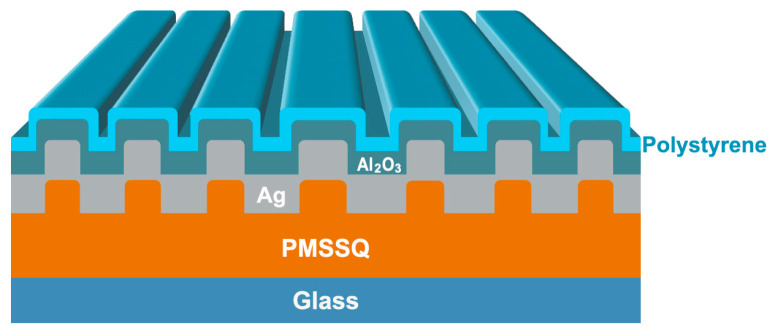 Figure 1
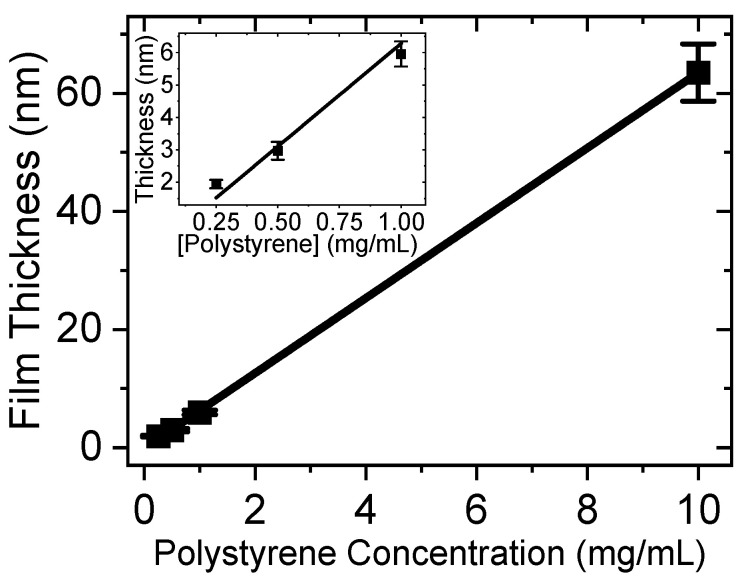 Figure 2
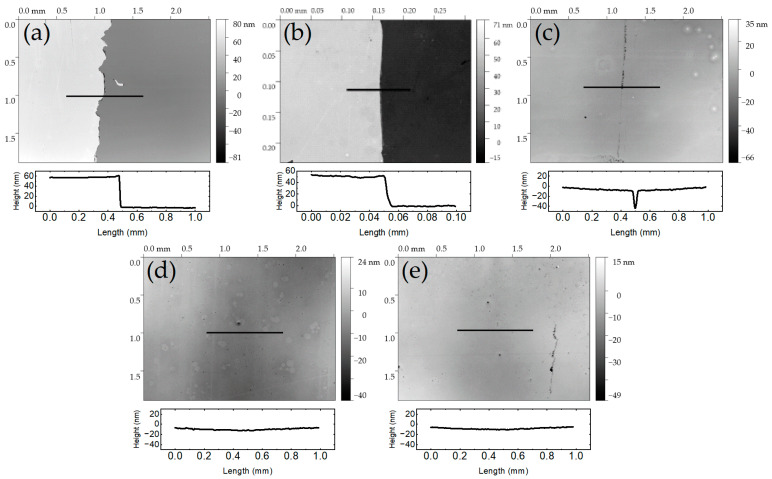 Figure 3
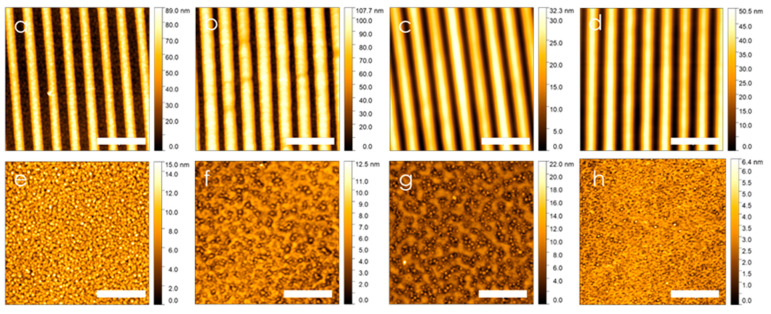 Figure 4
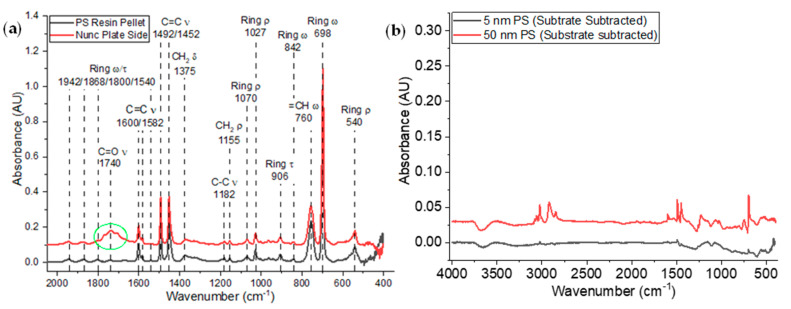 Figure 5
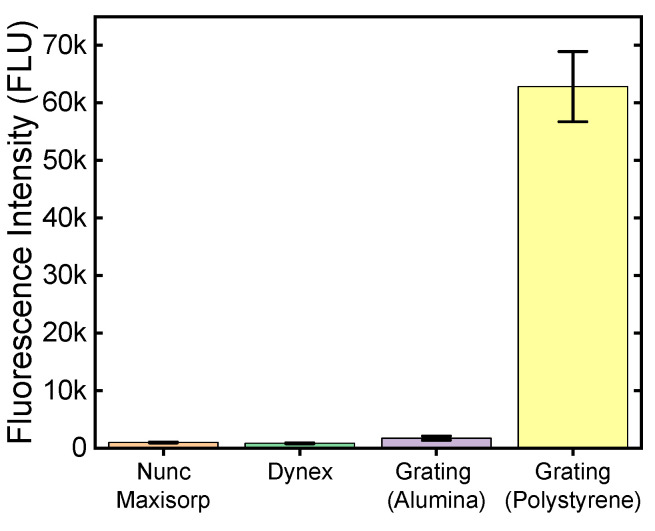 Figure 6
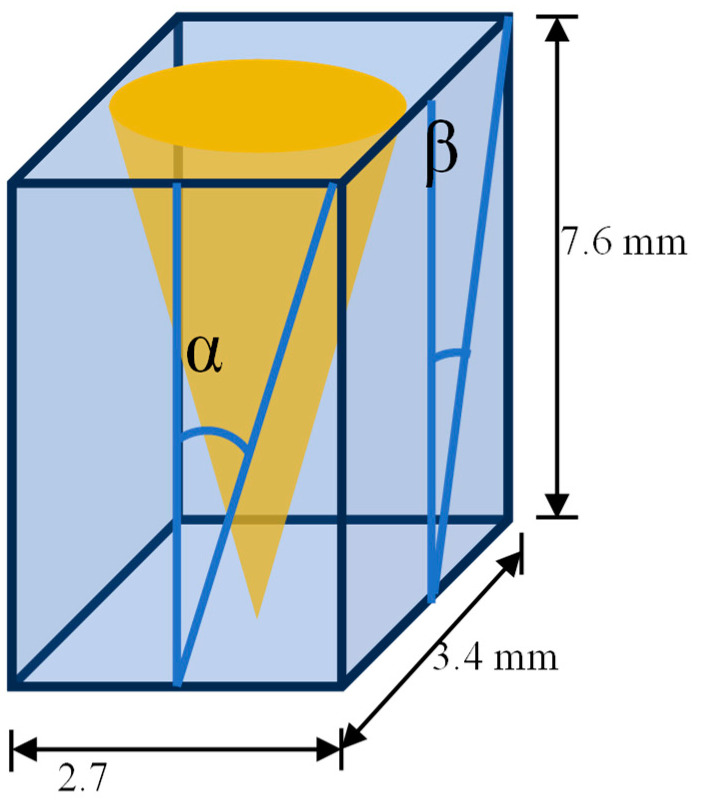 Figure 7
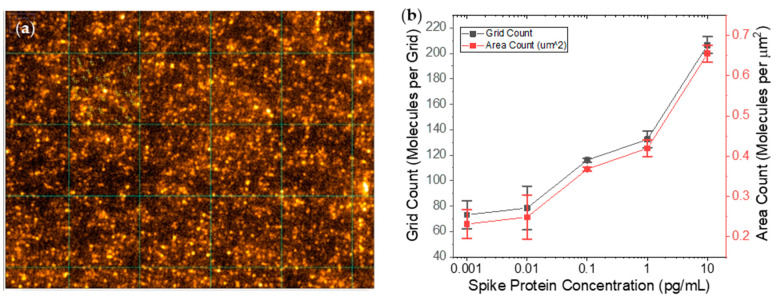 Figure 8
Peer Reviews
No public reviews on file for this paper yet. If you reviewed it on a platform where reviews are public (OpenReview, ICLR, NeurIPS, ICML), you can paste yours below so the community can read it here.
Videos
No videos yet. Explain this paper in a talk, walkthrough, or lecture? Add one.
Taxonomy
TopicsNanofabrication and Lithography Techniques · Gold and Silver Nanoparticles Synthesis and Applications · Plasmonic and Surface Plasmon Research