Chromosome-Level Assembly Reveals a Fifteen-Chromosome Aneuploid Genome and Environmental Adaptation Strategy of Chinese Traditional Medical Fungus Wolfiporia hoelen
Shoujian Li, Bing Li, Shunxing Guo

TL;DR
This study provides a high-quality genome assembly of Wolfiporia hoelen, revealing it has 15 chromosomes and an aneuploid genome, which may help it adapt to its environment.
Contribution
The first chromosome-level assembly of W. hoelen, revealing a 15-chromosome aneuploid genome and its potential role in environmental adaptation.
Findings
W. hoelen has 15 chromosomes, correcting the previous count of 14.
Aneuploidy was found in some W. hoelen strains, not all.
Aneuploidy may be an adaptation strategy to environmental conditions.
Abstract
The sclerotia of Wolfiporia hoelen are one of the most important traditional Chinese medicines and foods commonly used in China, Japan, Korea, and other Asian countries. To provide a high-quality reference genome and deepen our understanding of the genome of W. hoelen to elucidate various biological phenomena. In this study, we assembled three genomes of W. hoelen using a combination of Nanopore and Illumina sequencing strategies. The fifteen-chromosome genome L7 of W. hoelen was assembled with two-sided telomere and rDNA sequences for the first time. The chromosome count was subsequently confirmed through collinearity analysis, correcting the previous belief that W. hoelen had only fourteen chromosomes. Moreover, the aneuploid genome was discovered in W. hoelen for the first time through sequencing depth analysis of different chromosomes, and only some strains of W. hoelen exhibit…
Genes, proteins, chemicals, diseases, species, mutations and cell lines named across the full text — each resolved to its canonical identifier and authoritative record.
Click any figure to enlarge with its caption.
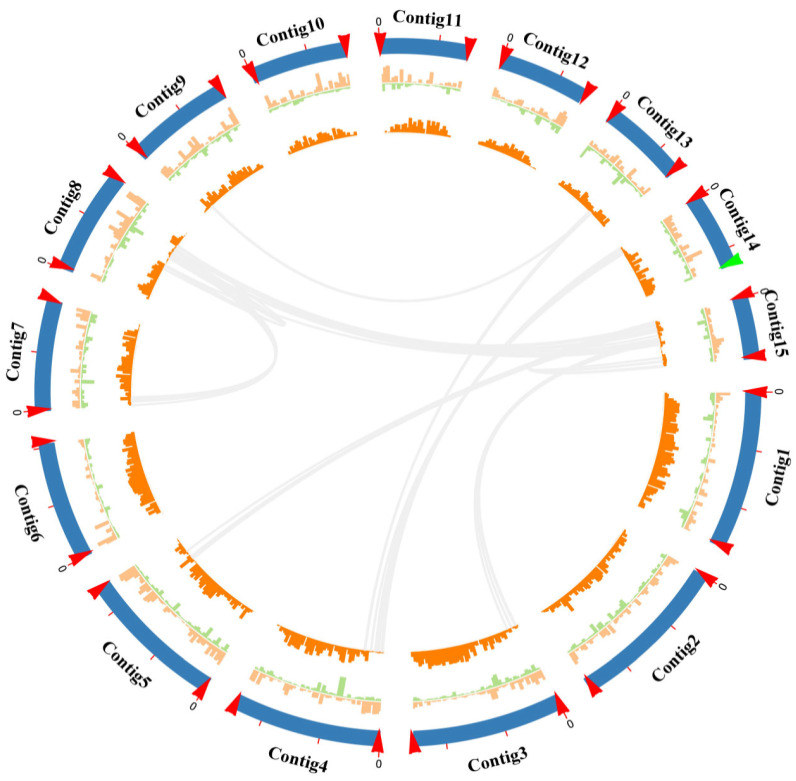 Figure 1
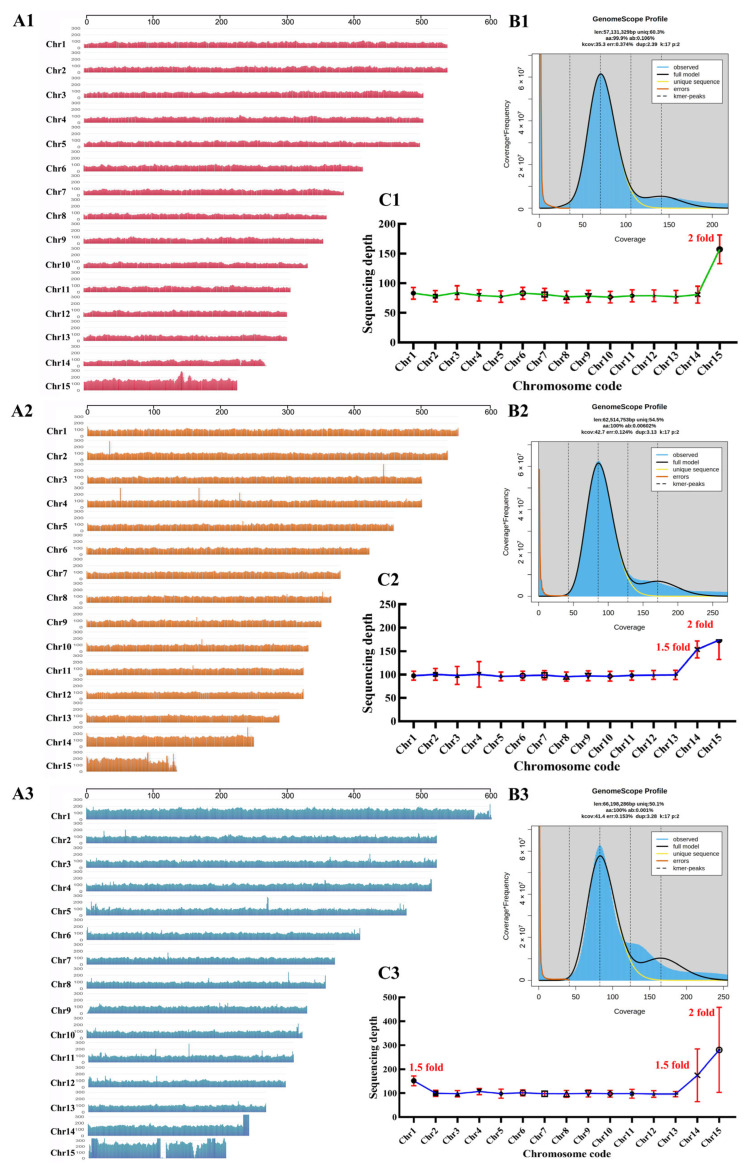 Figure 2
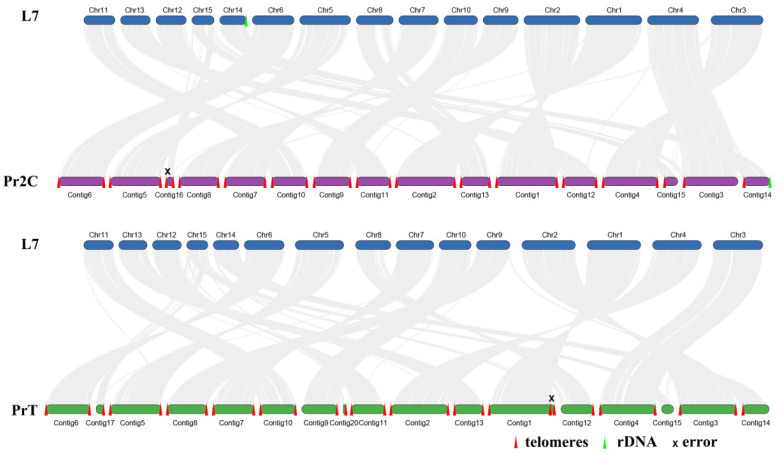 Figure 3
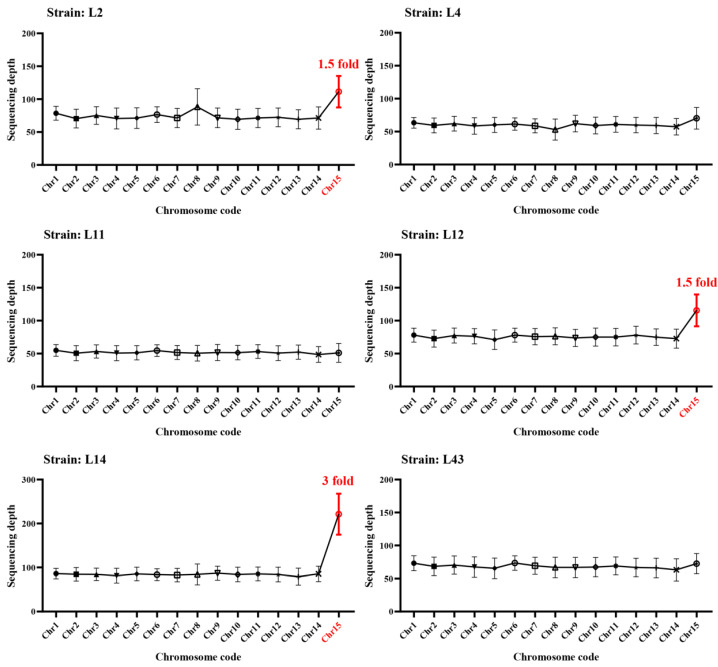 Figure 4
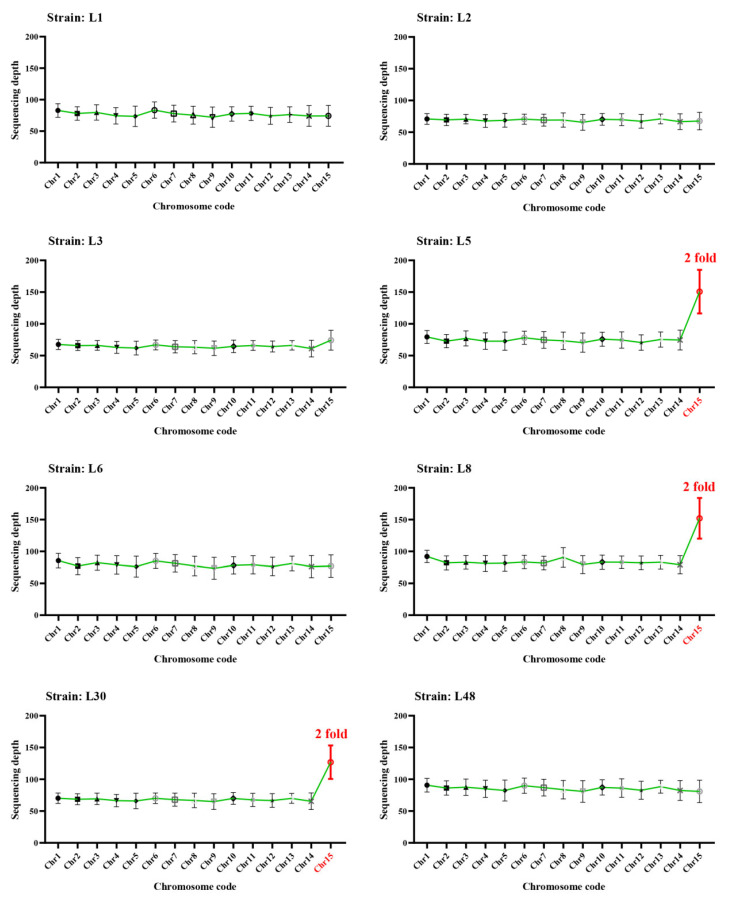 Figure 5
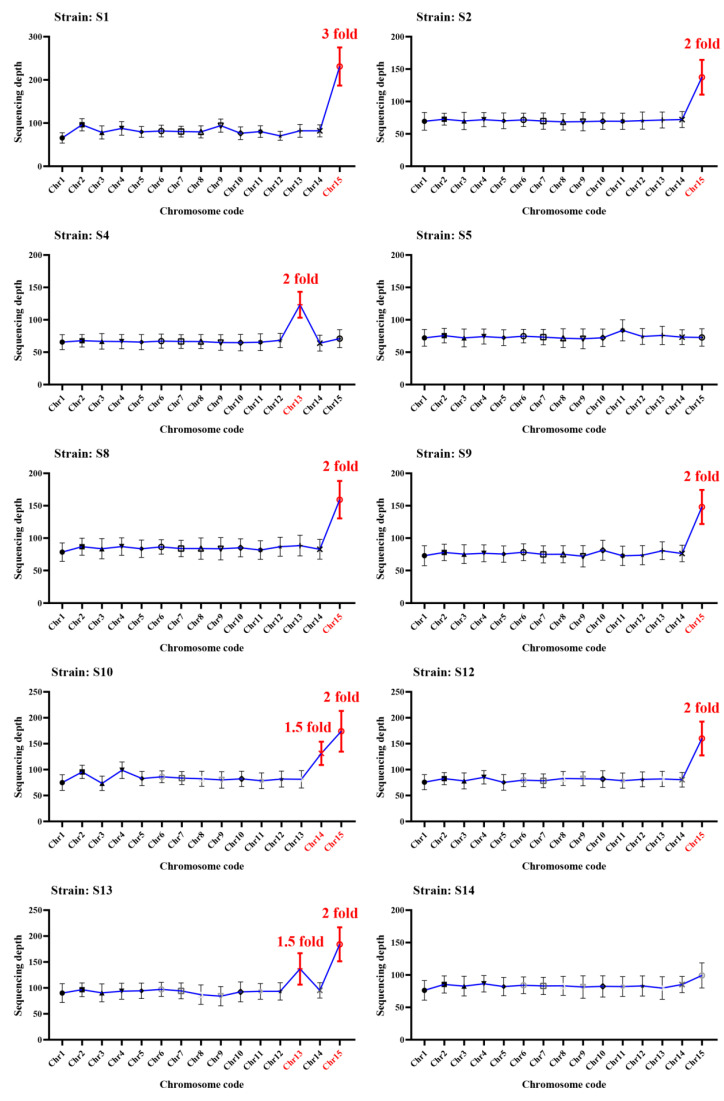 Figure 6
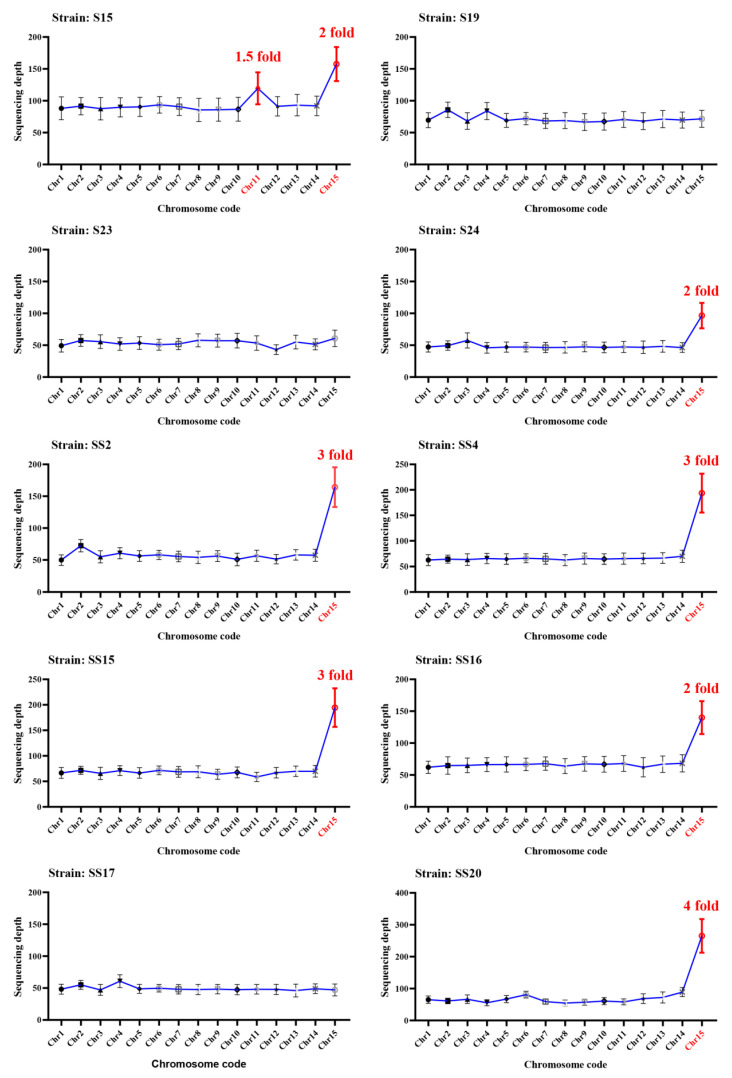 Figure 7
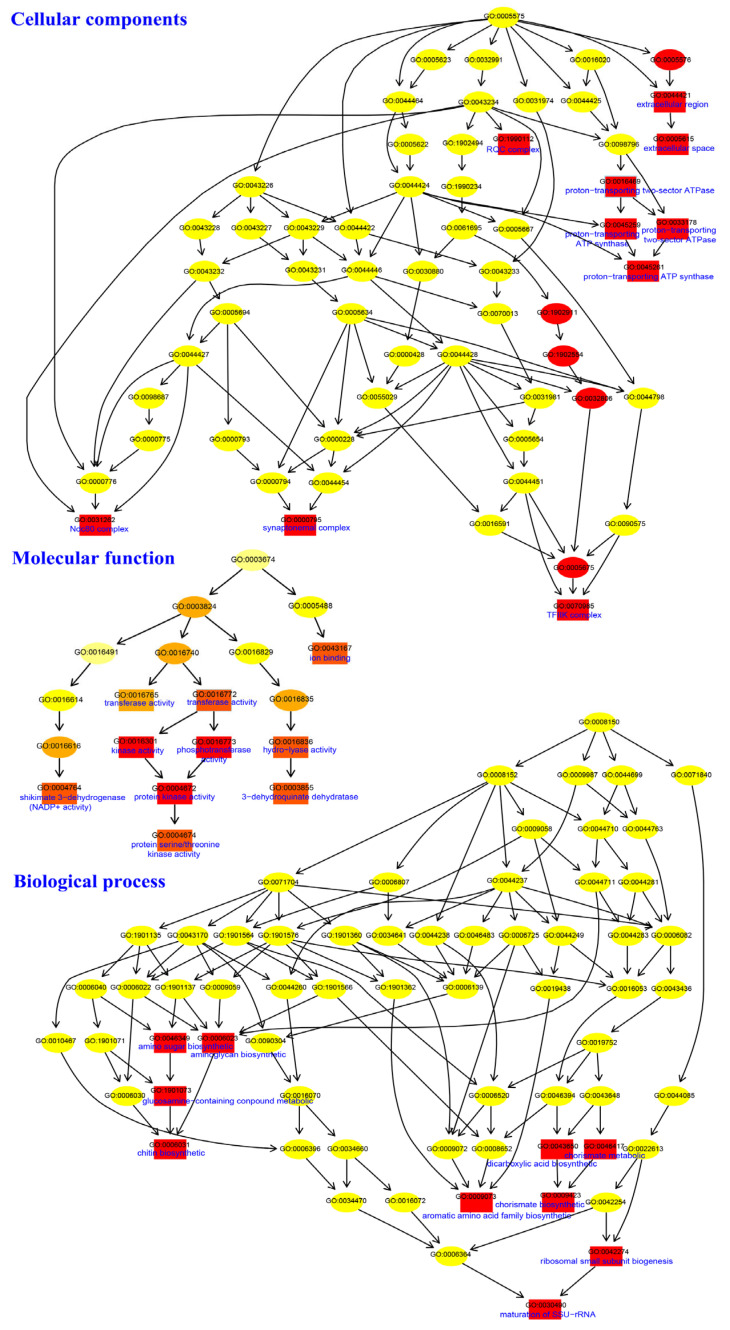 Figure 8
Peer Reviews
No public reviews on file for this paper yet. If you reviewed it on a platform where reviews are public (OpenReview, ICLR, NeurIPS, ICML), you can paste yours below so the community can read it here.
Videos
No videos yet. Explain this paper in a talk, walkthrough, or lecture? Add one.
Taxonomy
TopicsMicrobial Natural Products and Biosynthesis · Genomics and Phylogenetic Studies · Plant Pathogens and Fungal Diseases