Threshold Interphase Delay for Bipolar Pulses to Prevent Cancellation Phenomenon during Electrochemotherapy
Veronika Malyško-Ptašinskė, Aušra Nemeikaitė-Čėnienė, Eivina Radzevičiūtė-Valčiukė, Eglė Mickevičiūtė, Paulina Malakauskaitė, Barbora Lekešytė, Vitalij Novickij

TL;DR
This study investigates how adjusting the delay between pulses in electrochemotherapy can reduce the cancelation effect and improve treatment efficiency.
Contribution
The study identifies threshold interphase delays for bipolar pulses to minimize the cancelation phenomenon during electrochemotherapy.
Findings
Bipolar cancellation can be minimized with appropriate interphase delays, achieving efficiency similar to monophasic pulses.
Bipolar cancellation significantly affects membrane permeabilization but has minimal impact on electrochemotherapy outcomes.
Reduced interphase delays (0 ms and 0.1 ms) were tested in vitro with cisplatin and 10 Hz protocols.
Abstract
Electroporation-based procedures employing nanosecond bipolar pulses are commonly linked to an undesirable phenomenon known as the cancelation effect. The cancellation effect arises when the second pulse partially or completely neutralizes the effects of the first pulse, simultaneously diminishing cells’ plasma membrane permeabilization and the overall efficiency of the procedure. Introducing a temporal gap between the positive and negative phases of the bipolar pulses during electroporation procedures may help to overcome the cancellation phenomenon; however, the exact thresholds are not yet known. Therefore, in this work, we have tested the influence of different interphase delay values (from 0 ms to 95 ms) using symmetric bipolar nanoseconds (300 and 500 ns) on cell permeabilization using 10 Hz, 100 Hz, and 1 kHz protocols. As a model mouse hepatoma, the MH-22a cell line was…
Genes, proteins, chemicals, diseases, species, mutations and cell lines named across the full text — each resolved to its canonical identifier and authoritative record.
Click any figure to enlarge with its caption.
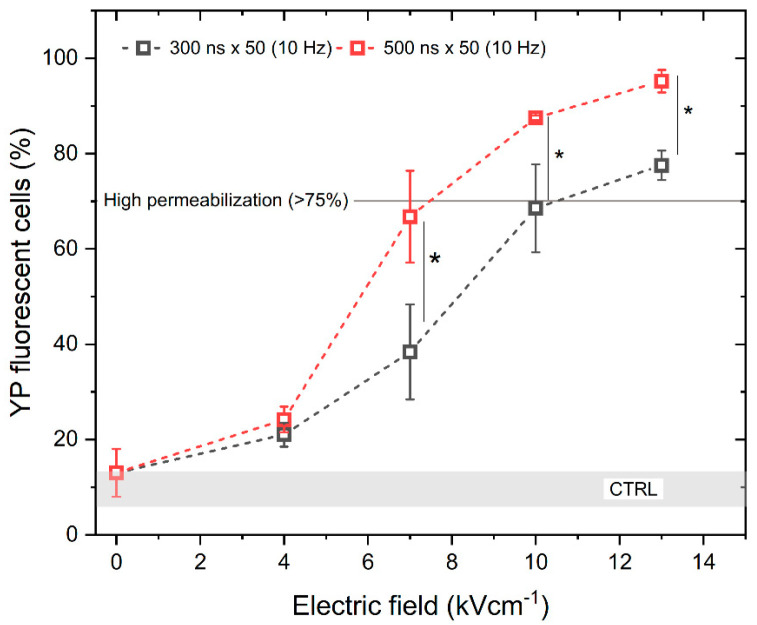 Figure 1
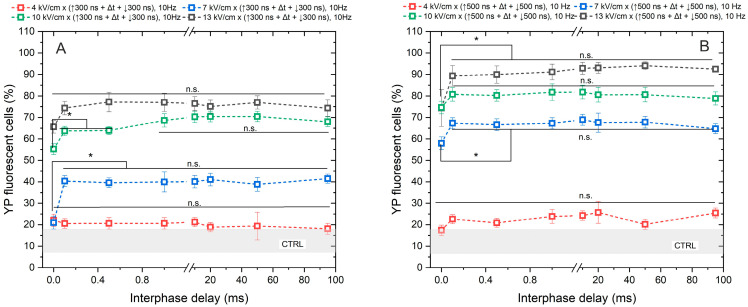 Figure 2
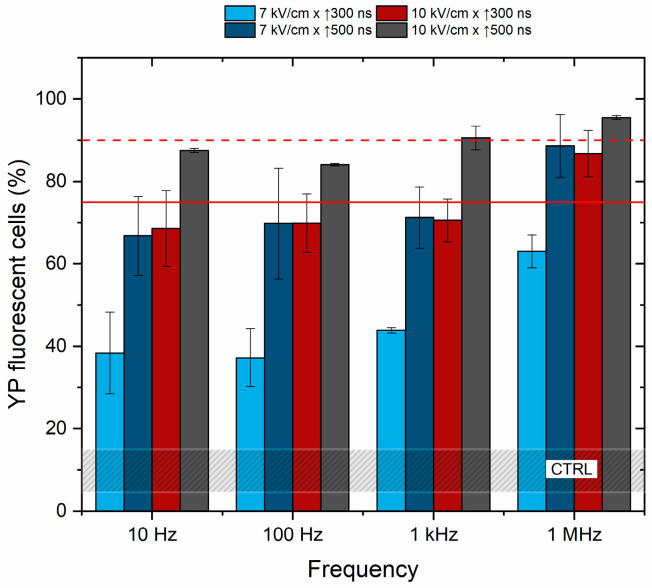 Figure 3
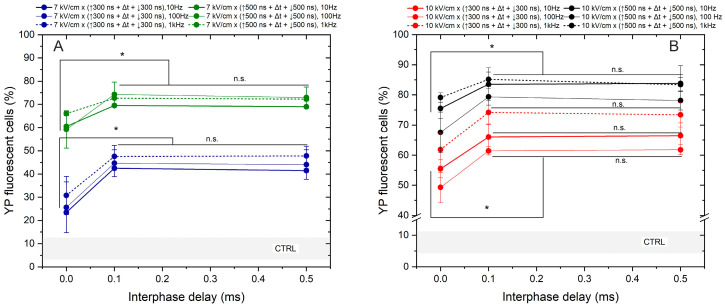 Figure 4
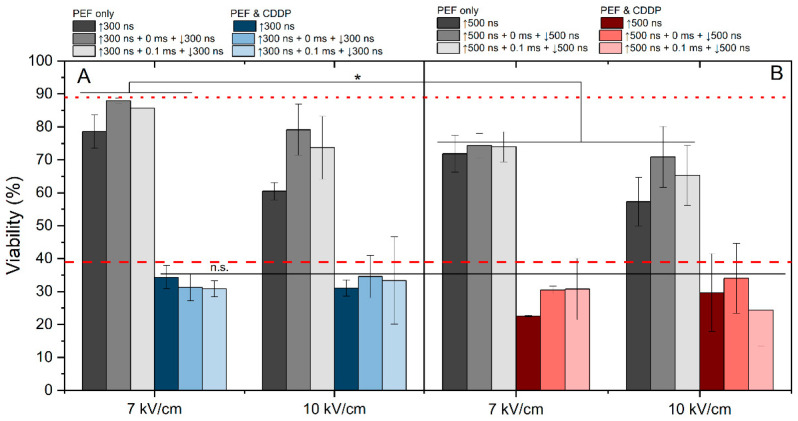 Figure 5
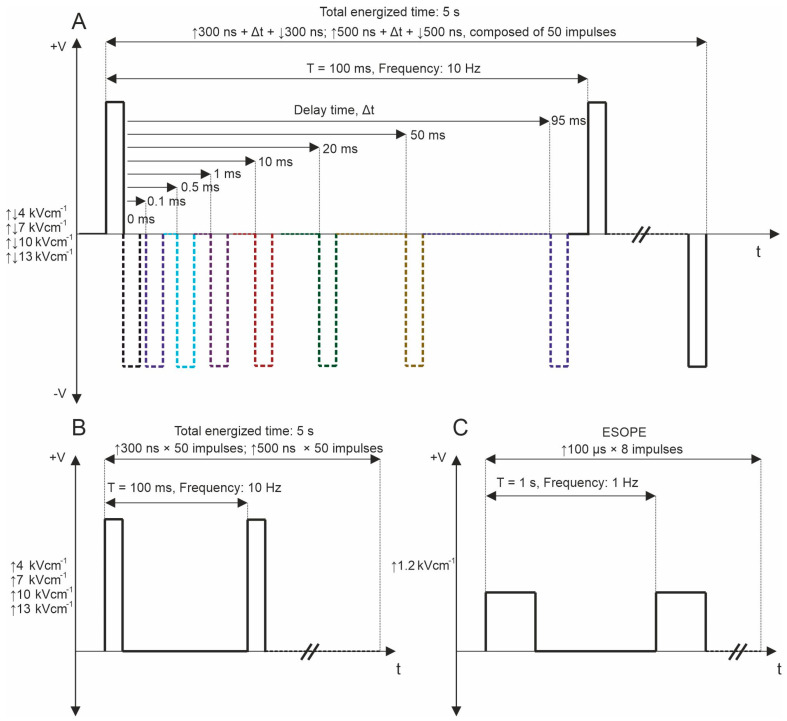 Figure 6
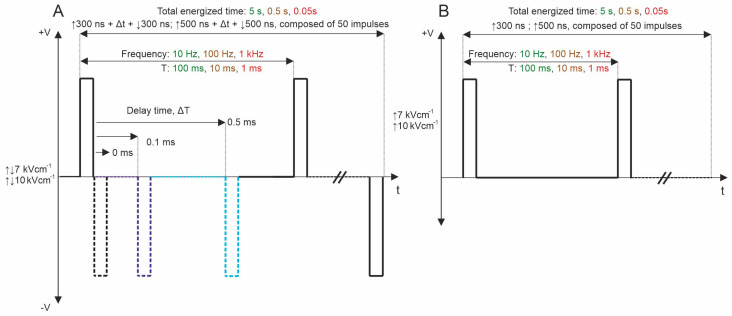 Figure 7
 Figure 8
Peer Reviews
No public reviews on file for this paper yet. If you reviewed it on a platform where reviews are public (OpenReview, ICLR, NeurIPS, ICML), you can paste yours below so the community can read it here.
Videos
No videos yet. Explain this paper in a talk, walkthrough, or lecture? Add one.
Taxonomy
TopicsMicrobial Inactivation Methods · Microfluidic and Bio-sensing Technologies · Magnetic and Electromagnetic Effects