Increased Homer Activity and NMJ Localization in the Vestibular Lesion het−/− Mouse soleus Muscle
Gabor Trautmann, Katharina Block, Martina Gutsmann, Stéphane Besnard, Sandra Furlan, Pierre Denise, Pompeo Volpe, Dieter Blottner, Michele Salanova

TL;DR
This study explores how Homer proteins behave in specific mouse muscles to understand how a vestibular disorder affects muscle function and neuromuscular junctions.
Contribution
The study reveals muscle-specific changes in Homer protein isoforms and their localization in response to a vestibular lesion.
Findings
Het−/− mice show increased Homer dimers and multimers in the soleus muscle's soluble fraction.
Altered Homer subcellular localization at neuromuscular junctions correlates with myofiber properties in postural muscles.
No Homer dimers were detected in the gastrocnemius muscle of het−/− mice.
Abstract
We investigated the shuttling of Homer protein isoforms identified in soluble (cytosolic) vs. insoluble (membrane–cytoskeletal) fraction and Homer protein–protein interaction/activation in the deep postural calf soleus (SOL) and non-postural gastrocnemius (GAS) muscles of het−/− mice, i.e., mice with an autosomal recessive variant responsible for a vestibular disorder, in order to further elucidate a) the underlying mechanisms of disrupted vestibular system-derived modulation on skeletal muscle, and b) molecular signaling at respective neuromuscular synapses. Heterozygote mice muscles served as the control (CTR). An increase in Homer cross-linking capacity was present in the SOL muscle of het−/− mice as a compensatory mechanism for the altered vestibule system function. Indeed, in both fractions, different Homer immunoreactive bands were detectable, as were Homer monomers (~43–48 kDa),…
Genes, proteins, chemicals, diseases, species, mutations and cell lines named across the full text — each resolved to its canonical identifier and authoritative record.
Click any figure to enlarge with its caption.
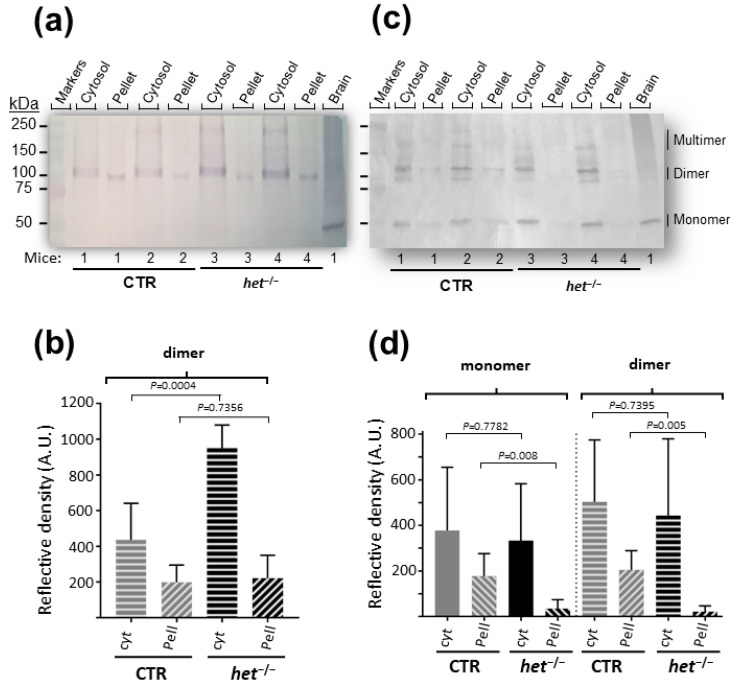 Figure 1
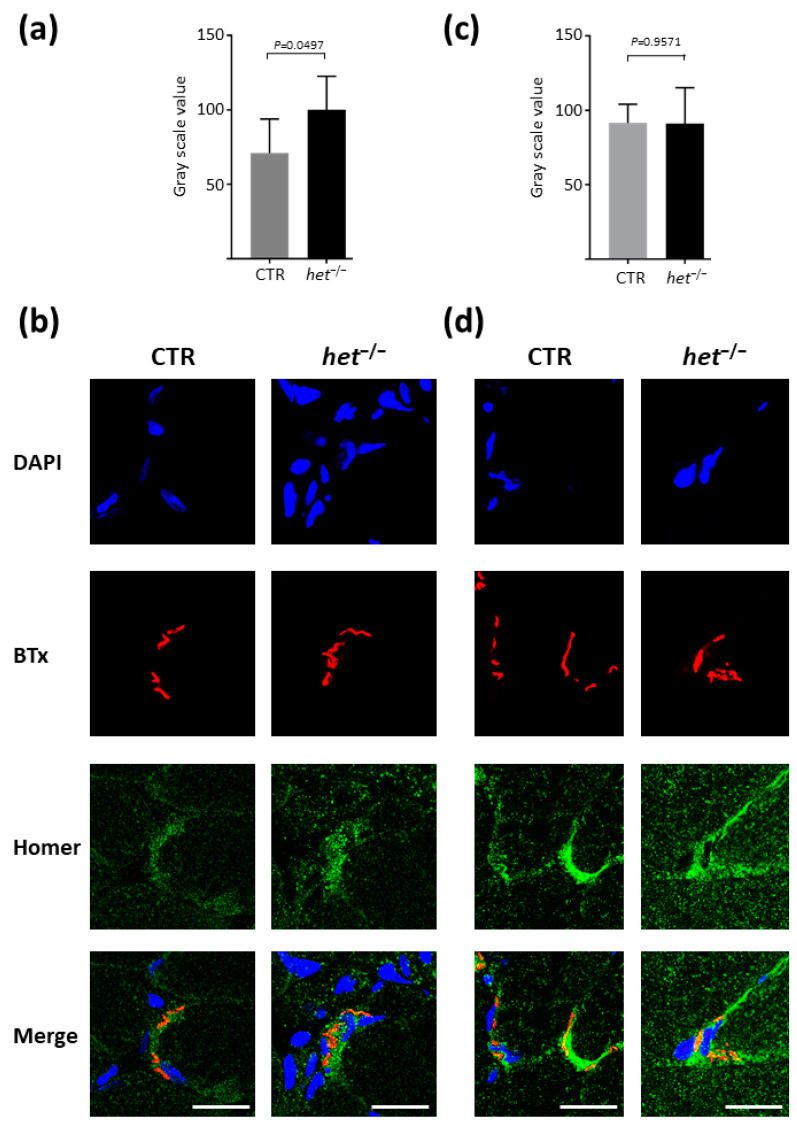 Figure 2
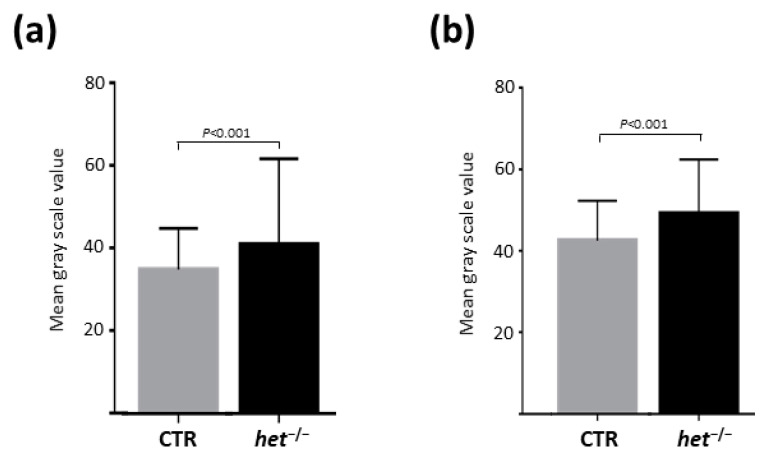 Figure 3
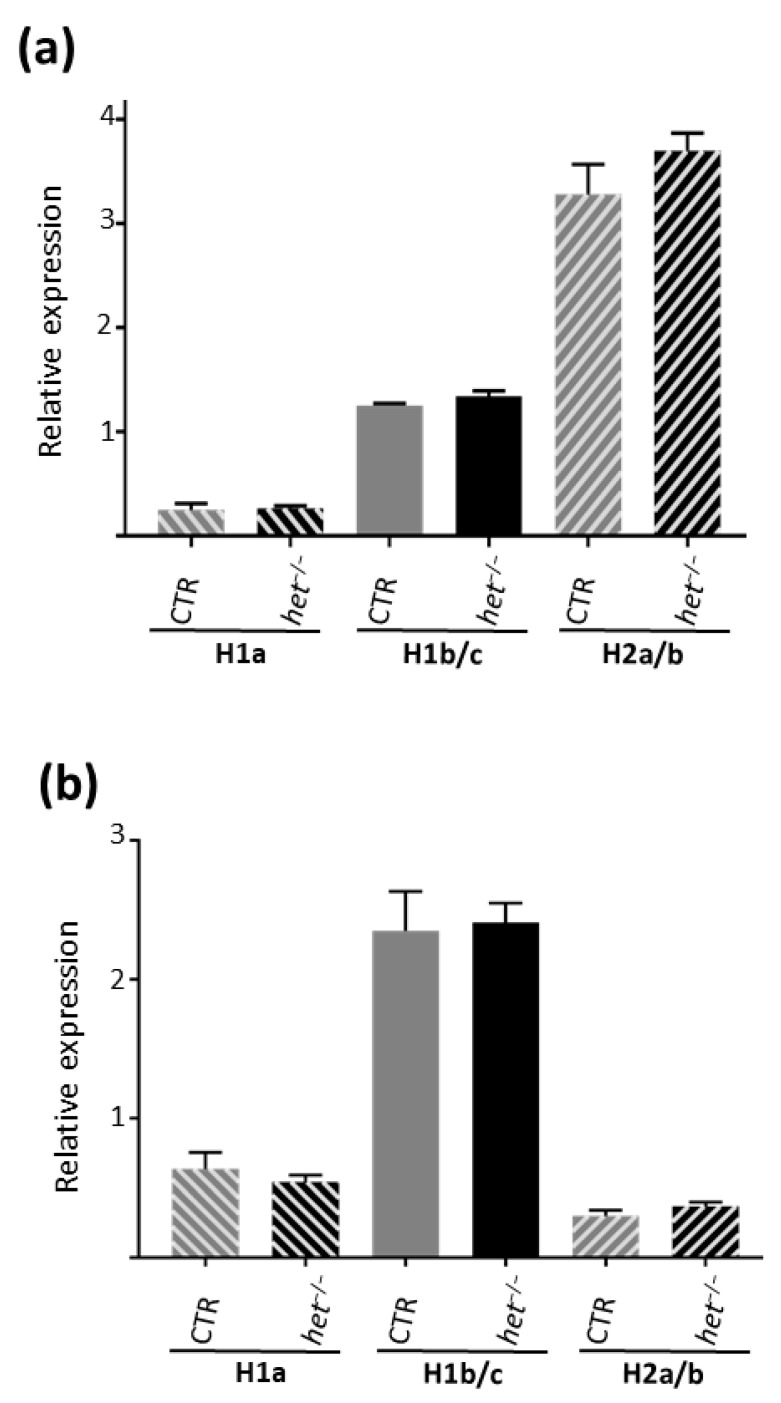 Figure 4
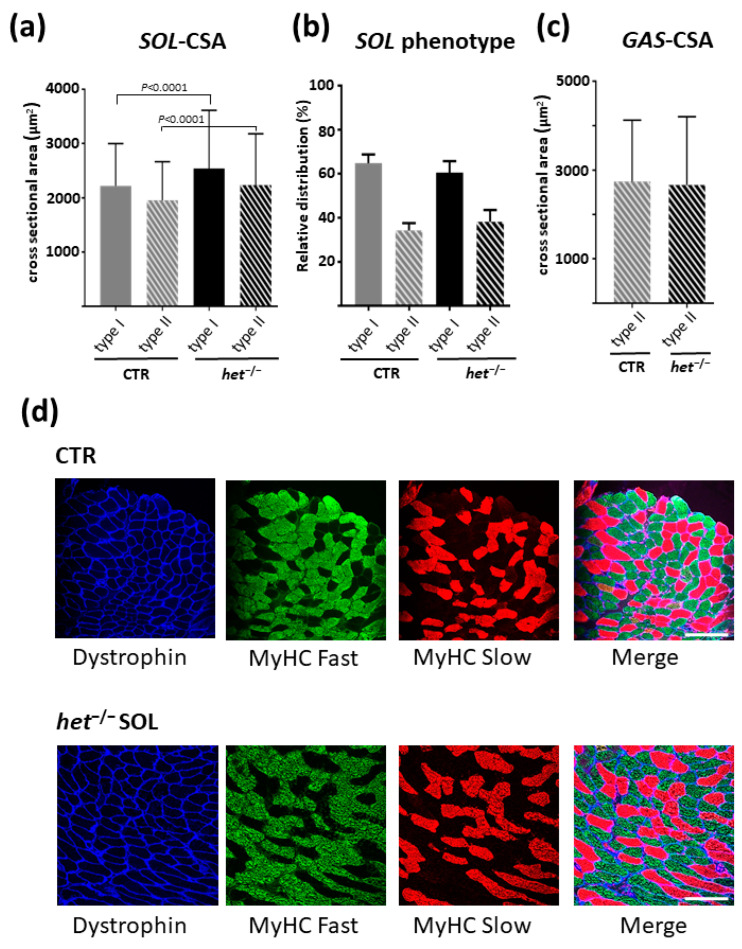 Figure 5
Peer Reviews
No public reviews on file for this paper yet. If you reviewed it on a platform where reviews are public (OpenReview, ICLR, NeurIPS, ICML), you can paste yours below so the community can read it here.
Videos
No videos yet. Explain this paper in a talk, walkthrough, or lecture? Add one.
Taxonomy
TopicsVestibular and auditory disorders · Neuroscience of respiration and sleep · Sleep and Wakefulness Research