Synthesis of Natural and Sugar-Modified Nucleosides Using the Iodine/Triethylsilane System as N-Glycosidation Promoter
Martina Cimafonte, Anna Esposito, Maria De Fenza, Francesco Zaccaria, Daniele D’Alonzo, Annalisa Guaragna

TL;DR
A new method using iodine and triethylsilane efficiently promotes the synthesis of natural and modified nucleosides, including a drug candidate.
Contribution
The iodine/triethylsilane system is shown to be an effective and selective promoter for N-glycosidation in nucleoside synthesis.
Findings
The Et3SiH/I2 system promotes N-glycosidation with high stereoselectivity in six-membered substrates.
The method was successfully applied to synthesize the drug apricitabine.
Abstract
The reagent system based on the combined use of Et3SiH/I2 acts as an efficient N-glycosidation promoter for the synthesis of natural and sugar-modified nucleosides. An analysis of reaction stereoselectivity in the absence of C2-positioned stereodirecting groups revealed high selectivity with six-membered substrates, depending on the nucleophilic character of the nucleobase or based on anomerization reactions. The synthetic utility of the Et3SiH/I2-mediated N-glycosidation reaction was highlighted by its use in the synthesis of the investigational drug apricitabine.
Genes, proteins, chemicals, diseases, species, mutations and cell lines named across the full text — each resolved to its canonical identifier and authoritative record.
Click any figure to enlarge with its caption.
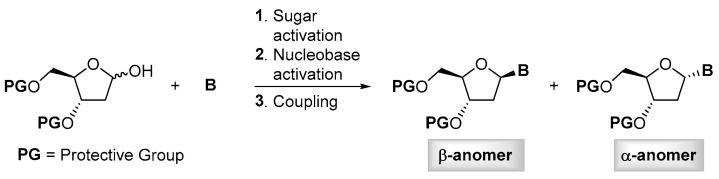 Figure 1
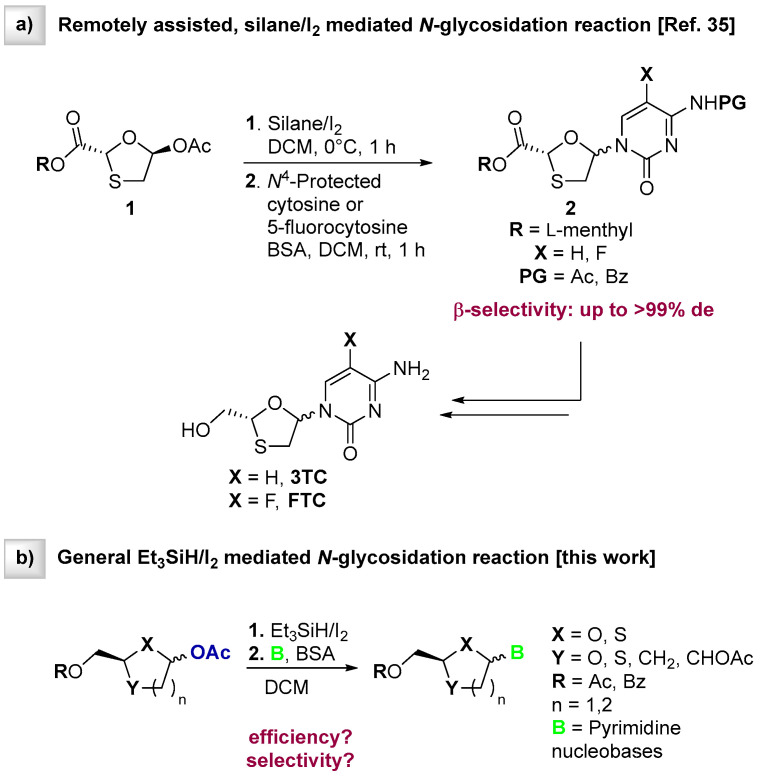 Figure 2
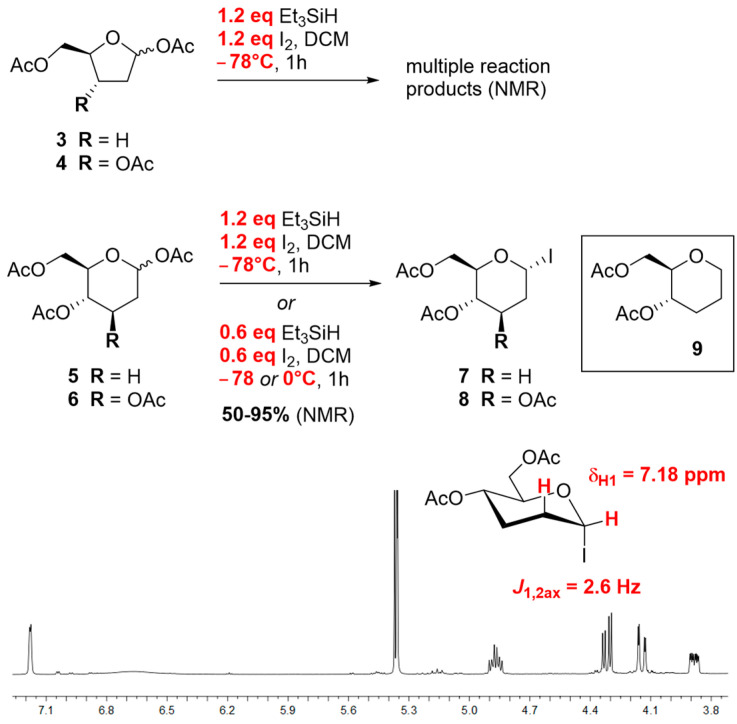 Figure 3
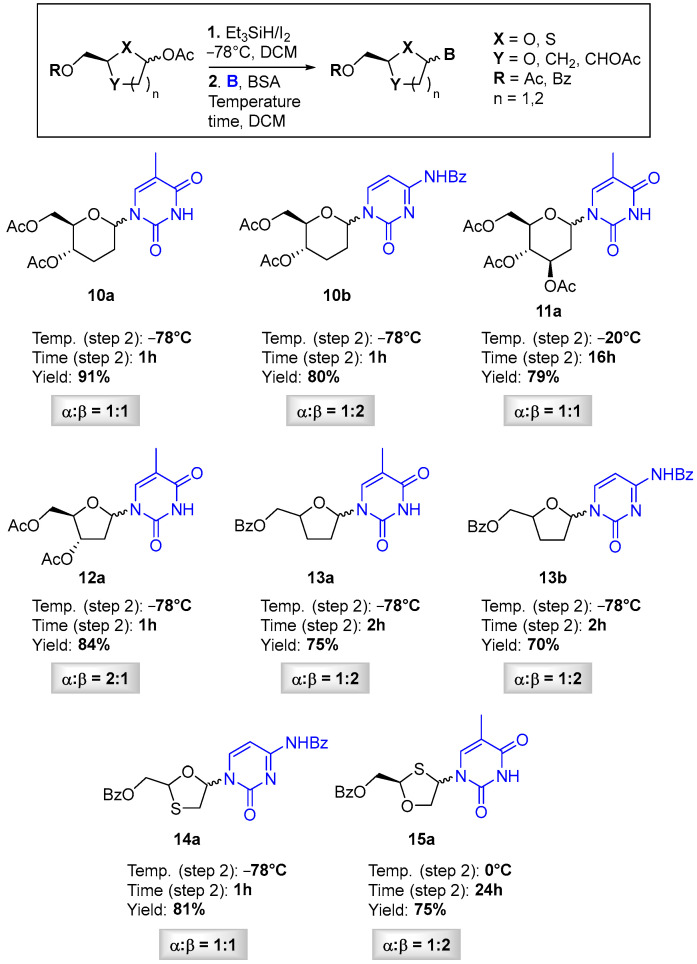 Figure 4
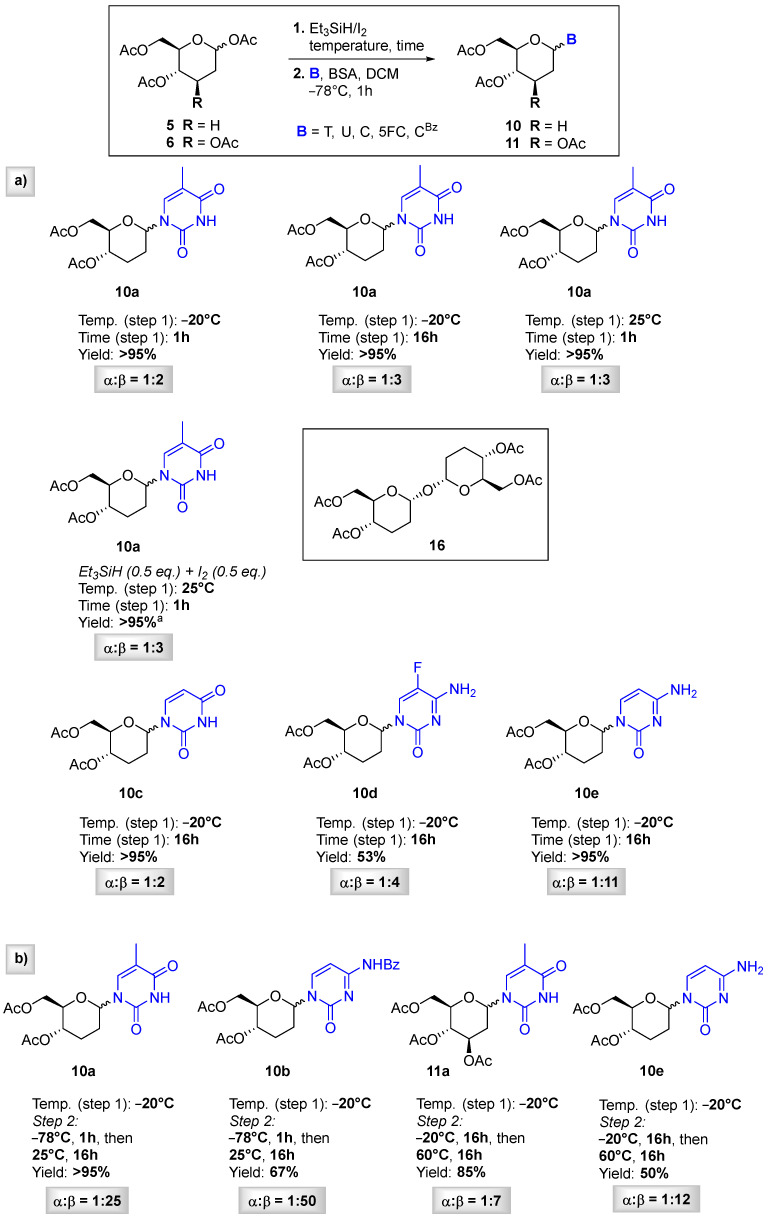 Figure 5
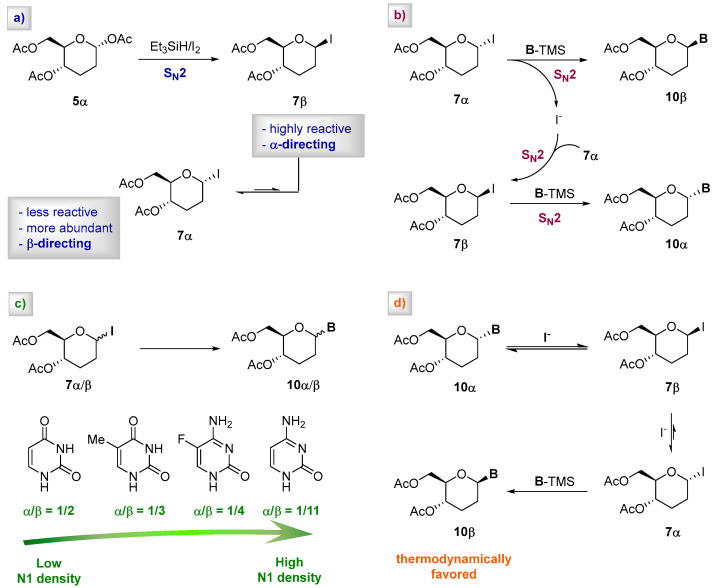 Figure 6
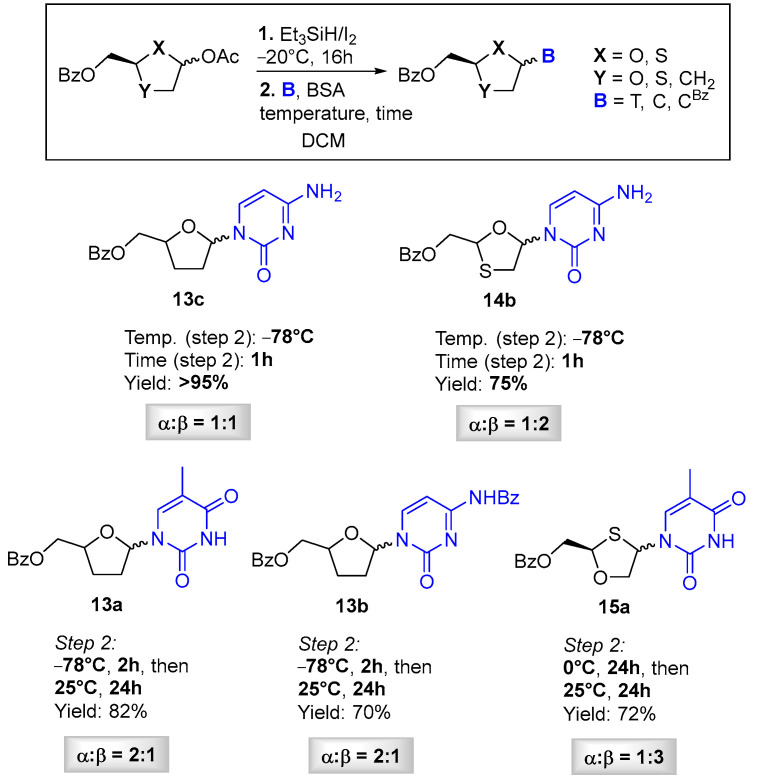 Figure 7
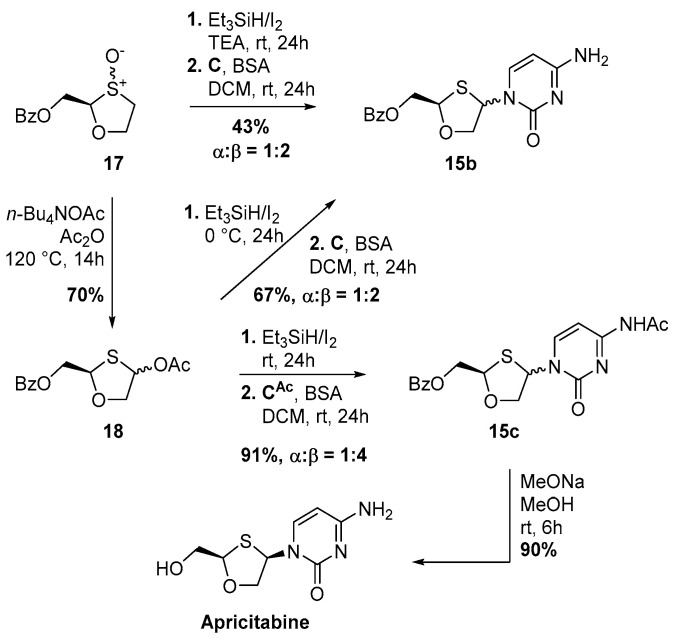 Figure 8
Peer Reviews
No public reviews on file for this paper yet. If you reviewed it on a platform where reviews are public (OpenReview, ICLR, NeurIPS, ICML), you can paste yours below so the community can read it here.
Videos
No videos yet. Explain this paper in a talk, walkthrough, or lecture? Add one.
Taxonomy
TopicsBiochemical and Molecular Research · Carbohydrate Chemistry and Synthesis · HIV/AIDS drug development and treatment