Effect of Synthetic Vitreous Fiber Exposure on TMEM16A Channels in a Xenopus laevis Oocyte Model
Martina Zangari, Giuliano Zabucchi, Martina Conti, Paola Lorenzon, Violetta Borelli, Andrew Constanti, Francesco Dellisanti, Sara Leone, Lisa Vaccari, Annalisa Bernareggi

TL;DR
This study compares how synthetic vitreous fibers affect cell membranes, finding they cause some similar but less severe effects as asbestos.
Contribution
The study introduces a novel comparison of synthetic vitreous fiber effects on cell membranes using a Xenopus laevis oocyte model.
Findings
FAV173 fibers stimulate a chloride outward current blocked by TMEM16A antagonist Ani9.
FAV173 fibers alter oocyte membrane microvilli morphology, likely via TMEM16A-actin interaction.
FAV173 effects are less severe than crocidolite asbestos, even at higher concentrations.
Abstract
Many years ago, asbestos fibers were banned and replaced by synthetic vitreous fibers because of their carcinogenicity. However, the toxicity of the latter fibers is still under debate, especially when it concerns the early fiber interactions with biological cell membranes. Here, we aimed to investigate the effects of a synthetic vitreous fiber named FAV173 on the Xenopus laevis oocyte membrane, the cell model we have already used to characterize the effect of crocidolite asbestos fiber exposure. Using an electrophysiological approach, we found that, similarly to crocidolite asbestos, FAV173 was able to stimulate a chloride outward current evoked by step membrane depolarizations, that was blocked by the potent and specific TMEM16A channel antagonist Ani9. Exposure to FAV173 fibers also altered the oocyte cell membrane microvilli morphology similarly to crocidolite fibers, most likely as…
Genes, proteins, chemicals, diseases, species, mutations and cell lines named across the full text — each resolved to its canonical identifier and authoritative record.
Click any figure to enlarge with its caption.
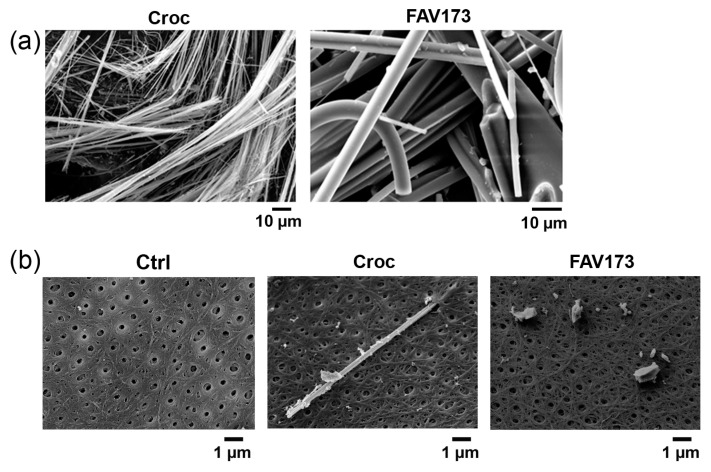 Figure 1
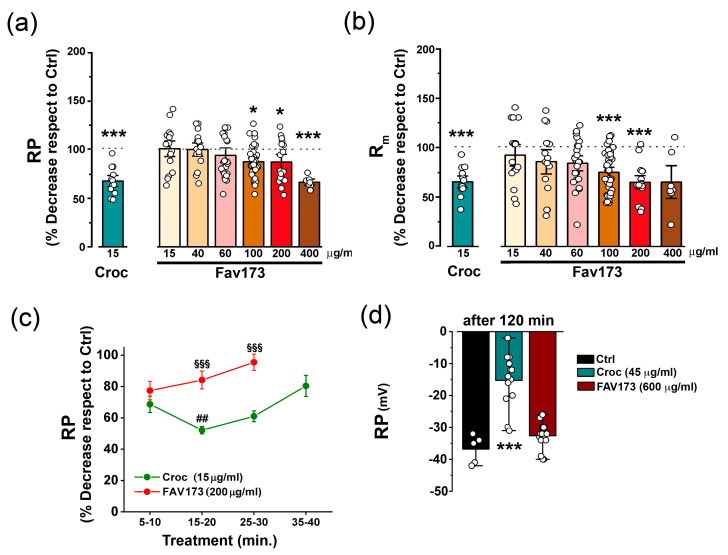 Figure 2
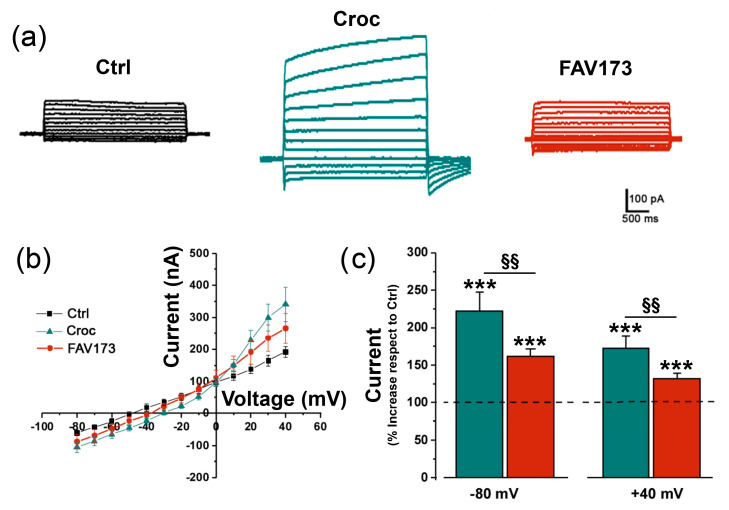 Figure 3
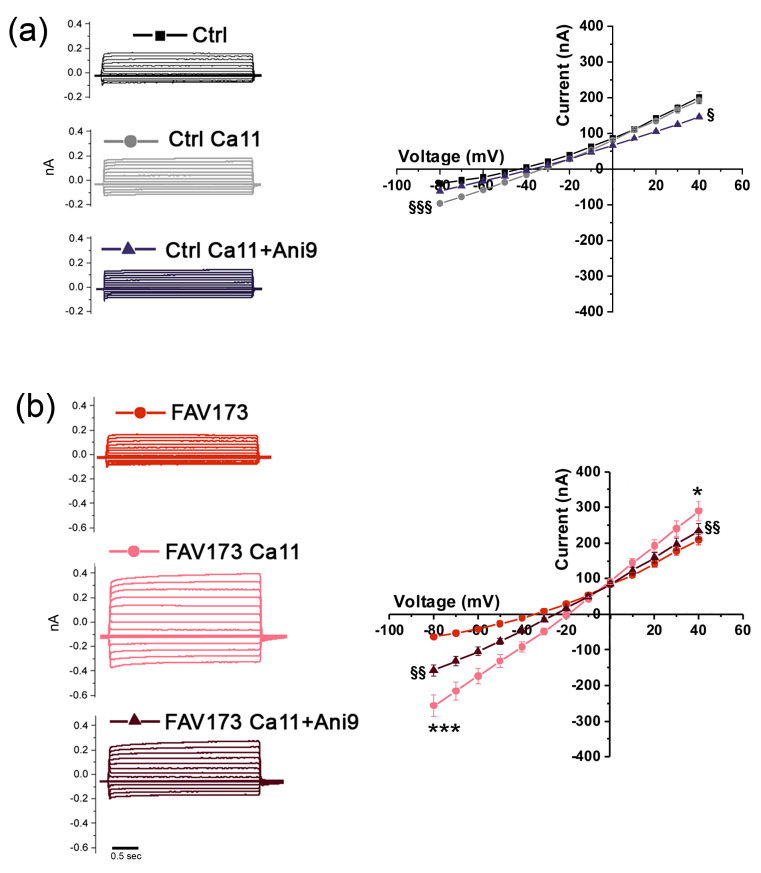 Figure 4
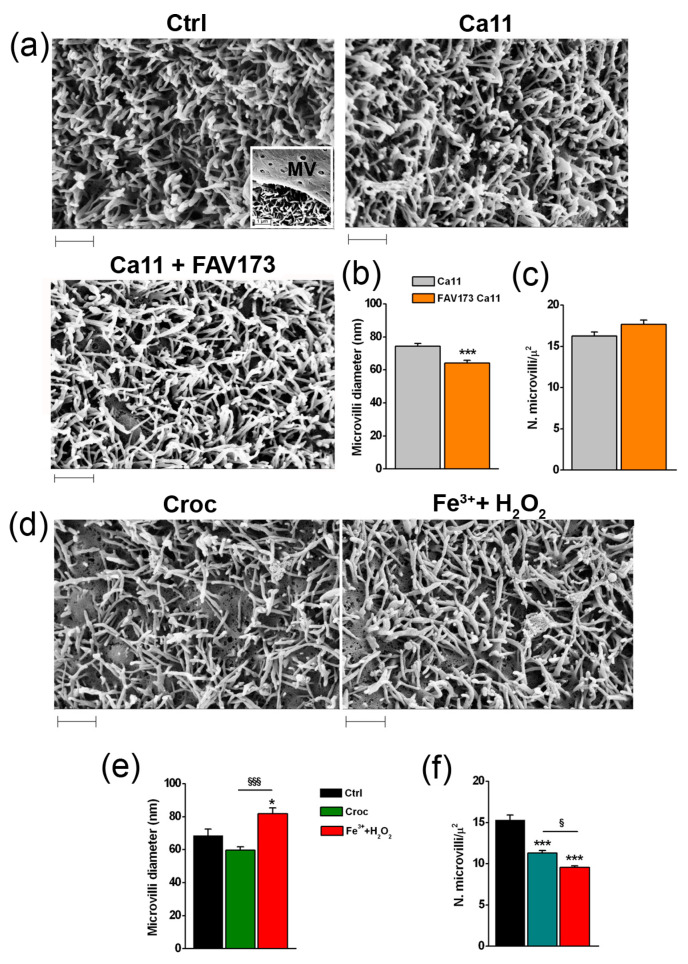 Figure 5
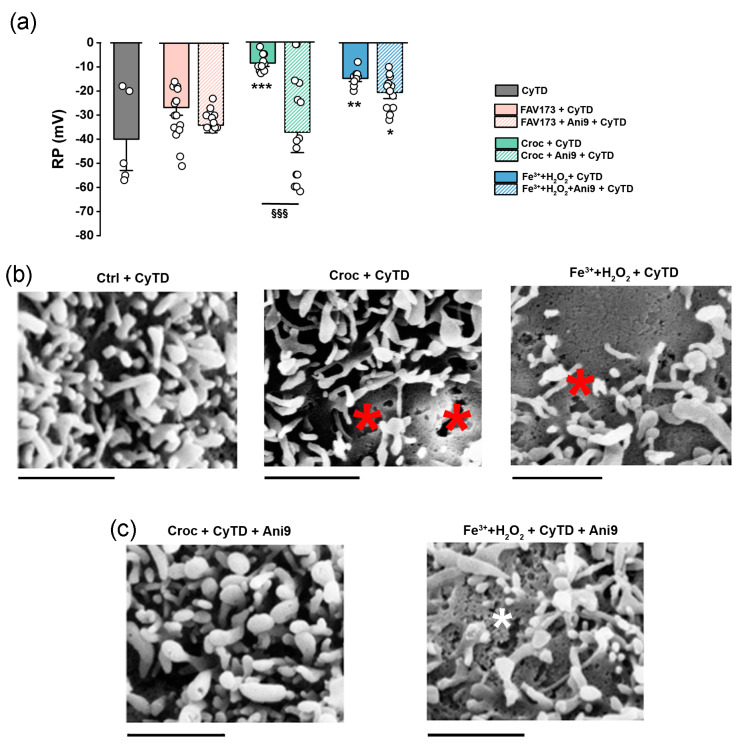 Figure 6
Peer Reviews
No public reviews on file for this paper yet. If you reviewed it on a platform where reviews are public (OpenReview, ICLR, NeurIPS, ICML), you can paste yours below so the community can read it here.
Videos
No videos yet. Explain this paper in a talk, walkthrough, or lecture? Add one.
Taxonomy
TopicsIon channel regulation and function · Neuroscience and Neuropharmacology Research · Erythrocyte Function and Pathophysiology