Integrated Morphological, Comparative Transcriptomic, and Metabolomic Analyses Reveal Mechanisms Underlying Seasonal Patterns of Variation in Spines of the Giant Spiny Frog (Quasipaa spinosa)
Gang Wan, Ze-Yuan Jiang, Nuo Shi, Yi-Ge Xiong, Rong-Quan Zheng

TL;DR
This study explores how spines on male spiny frogs change seasonally, using multiple analyses to reveal the underlying biological mechanisms.
Contribution
The study provides the first integrated morphological, transcriptomic, and metabolomic analysis of seasonal spine variation in Quasipaa spinosa.
Findings
Spine density inversely correlates with body size and is linked to epidermal thickness and keratinization during breeding.
Transcriptomic changes involve extracellular matrix, tyrosine metabolism, Wnt signaling, and melanogenesis pathways.
Metabolomic shifts include increased citric acid and β-alanine, supporting energy and melanin synthesis during spine development.
Abstract
Quasipaa spinosa, commonly known as the spiny frog, is an economically valued amphibian in China prized for its tender meat and nutritional value. This species exhibits marked sexual dimorphism, most notably the prominent spiny structures on males that are pivotal for mating success and species identification. The spines of Q. spinosa exhibit strong seasonal variation, changing significantly with the reproductive cycle, which typically spans from April to October. Sexually mature males develop densely packed, irregularly arranged round papillae with black spines on their chests during the breeding season, which may then reduce or disappear afterward, while females have smooth chest skin. Despite their ecological importance, the developmental mechanisms and biological functions of these spines have been inadequately explored. This study integrates morphological, transcriptomic, and…
Genes, proteins, chemicals, diseases, species, mutations and cell lines named across the full text — each resolved to its canonical identifier and authoritative record.
Click any figure to enlarge with its caption.
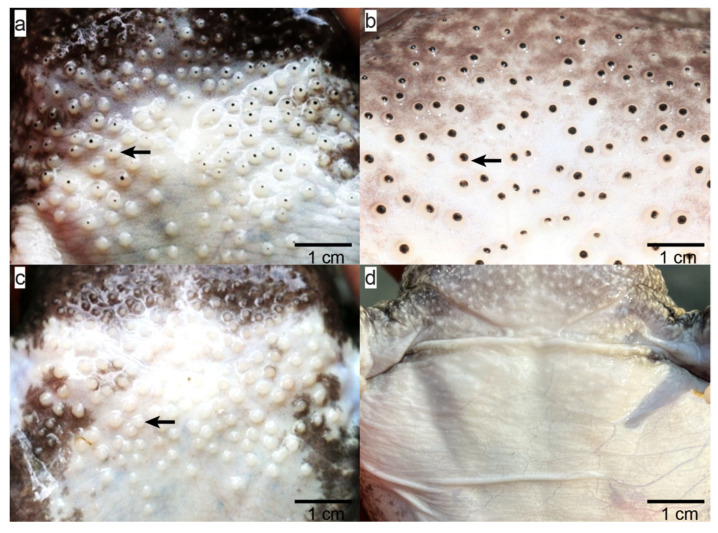 Figure 1
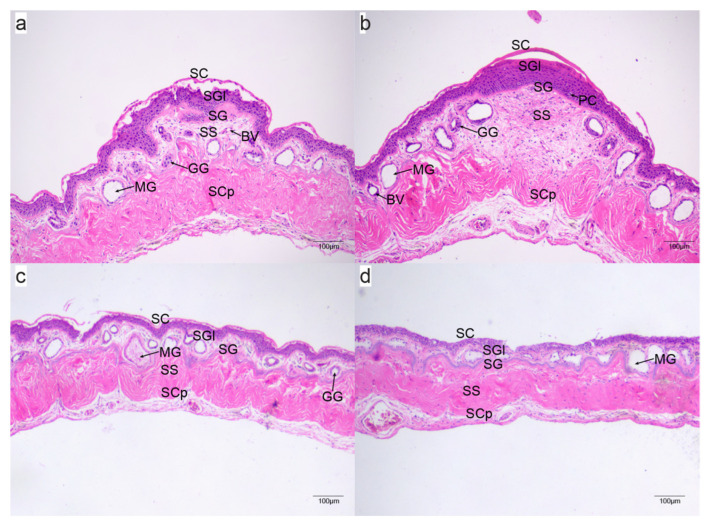 Figure 2
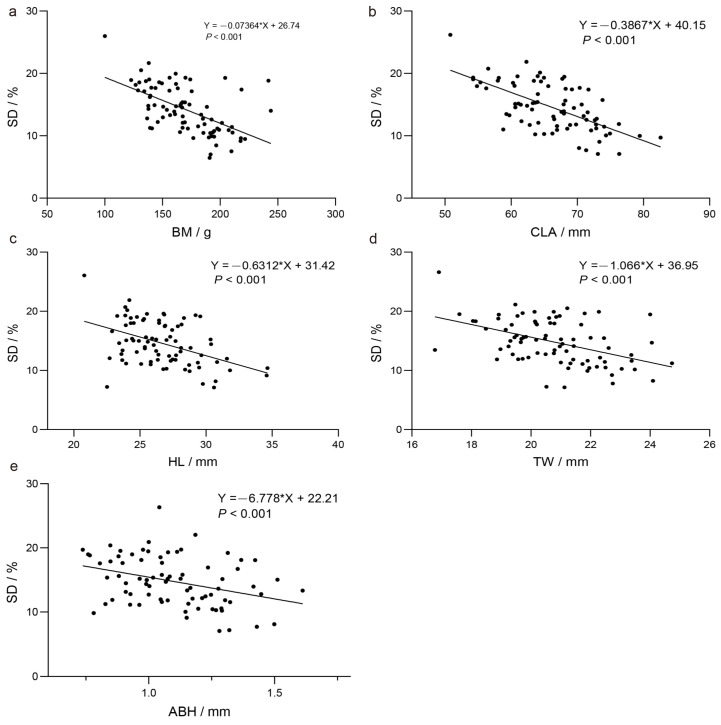 Figure 3
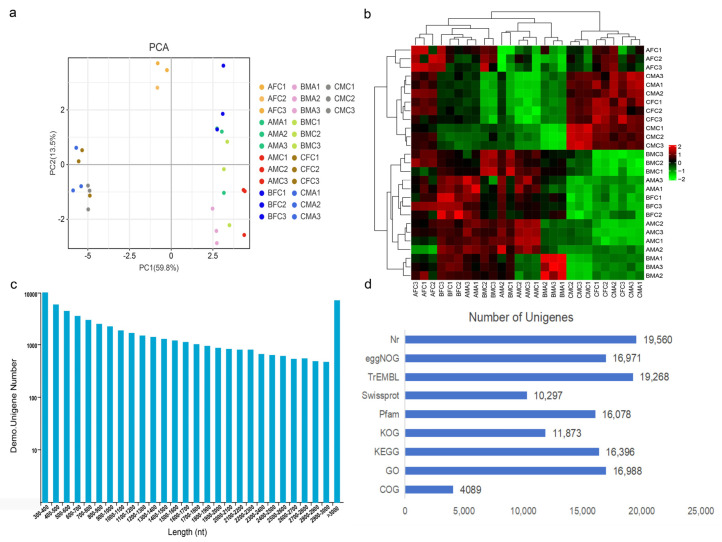 Figure 4
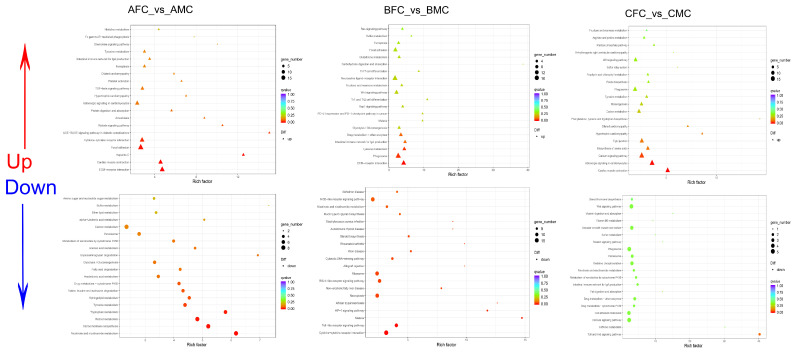 Figure 5
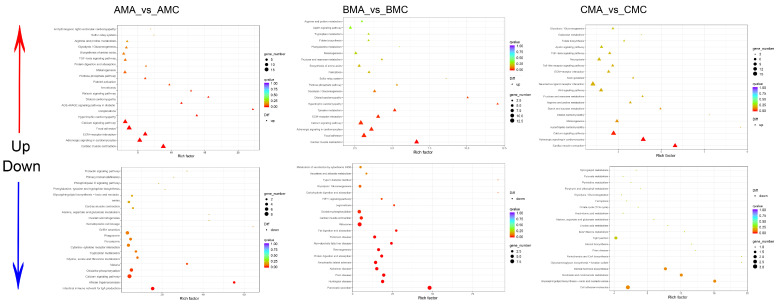 Figure 6
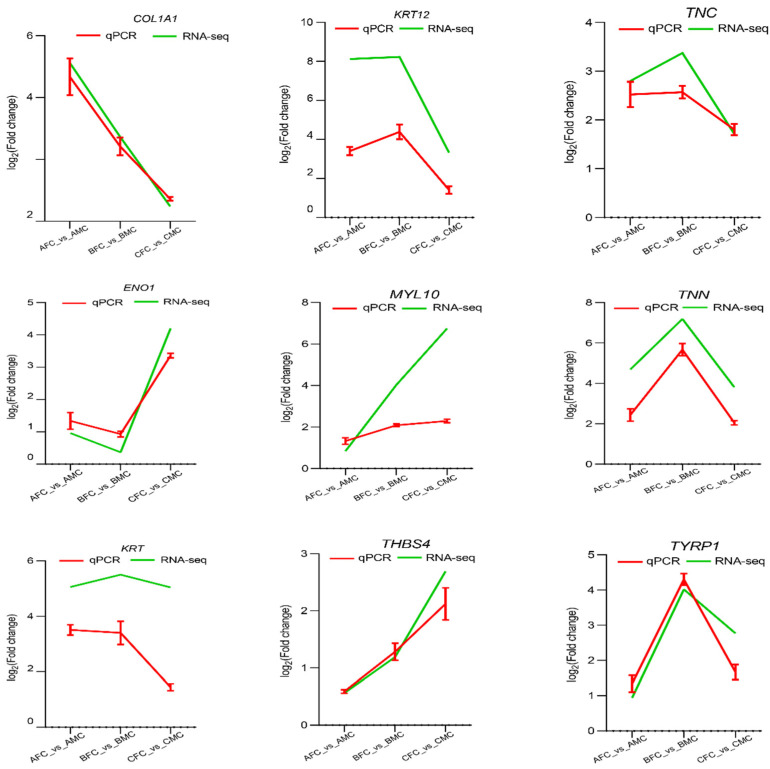 Figure 7
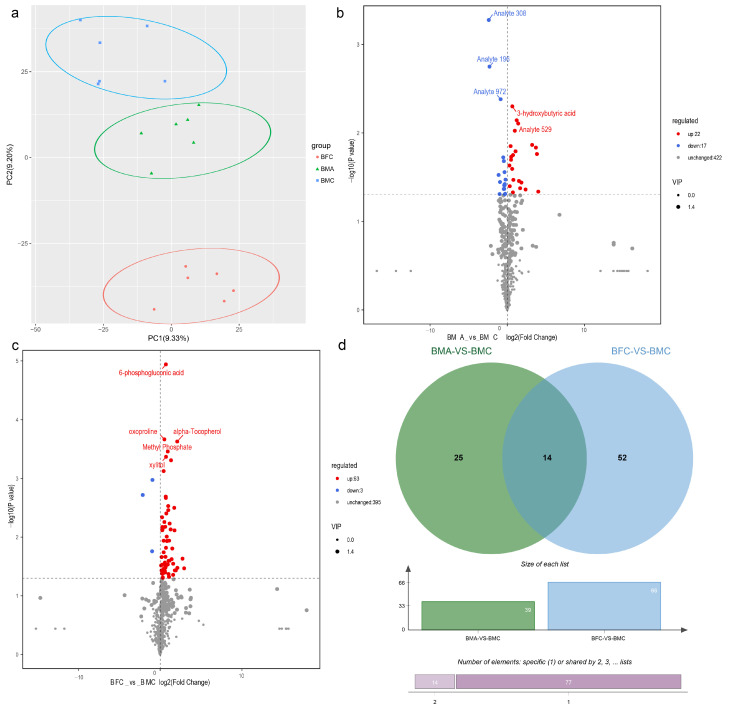 Figure 8
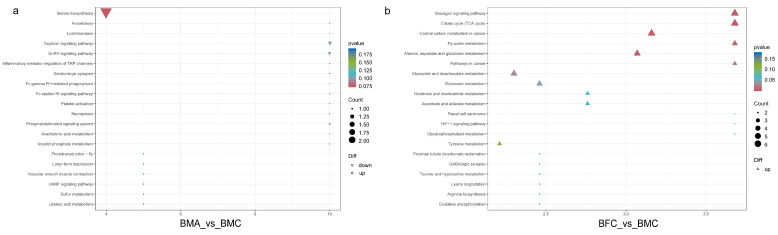 Figure 9
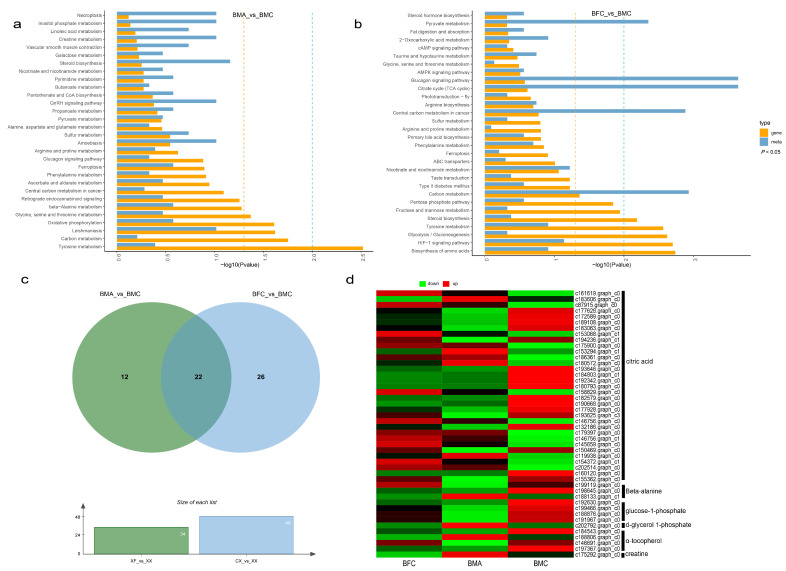 Figure 10
Peer Reviews
No public reviews on file for this paper yet. If you reviewed it on a platform where reviews are public (OpenReview, ICLR, NeurIPS, ICML), you can paste yours below so the community can read it here.
Videos
No videos yet. Explain this paper in a talk, walkthrough, or lecture? Add one.
Taxonomy
TopicsPhysiological and biochemical adaptations · Aquaculture disease management and microbiota · Amphibian and Reptile Biology