Evaluation of the Ameliorative Potential of 3,5-bis(2-hydroxyethyl)-1,3,5-thiadiazinane-2-thione against Scopolamine-Induced Alzheimer’s Disease
Shagufta, Gowhar Ali, Adnan Khan, Abdur Rasheed, Farah Deeba, Rahim Ullah, Muhammad Shahid, Haleema Ali, Rasool Khan, Najeebullah Shamezai, Naveed Sharif

TL;DR
This study tests a new compound that may help treat Alzheimer's by improving memory and protecting the brain in a lab model.
Contribution
The study introduces a novel compound with potential disease-modifying and neuroprotective effects for Alzheimer’s.
Findings
The compound improved short-term and spatial memory in behavioral tests.
It showed antioxidant activity and inhibited acetylcholinesterase enzyme.
Histological results indicated brain protection against scopolamine-induced damage.
Abstract
Alzheimer’s disease (AD) is the most common neurodegenerative disorder, marked by cognitive impairment. Currently, the available treatment provides only symptomatic relief and there is a great need to design and formulate new drugs to stabilize AD. In the search for a new anti-Alzheimer’s drug, 3,5-bis(2-hydroxyethyl)-1,3,5-thiadiazinane-2-thione (THTT), a tetrahydro-2H-1,3,5-thiadiazine-2-thione derivative, was investigated against a scopolamine-induced Alzheimer’s model. The selected test compound was administered intraperitoneally in three doses (15 mg/kg, 30 mg/kg, and 45 mg/kg). The test compound exhibited an IC50 value of 69.41 µg/mL, indicating its ability to inhibit the acetylcholinesterase enzyme. An antioxidant DPPH assay revealed that the IC50 value of the test compound was 97.75 µg/mL, which shows that the test compound possesses antioxidant activity. The results of behavior…
Genes, proteins, chemicals, diseases, species, mutations and cell lines named across the full text — each resolved to its canonical identifier and authoritative record.
Click any figure to enlarge with its caption.
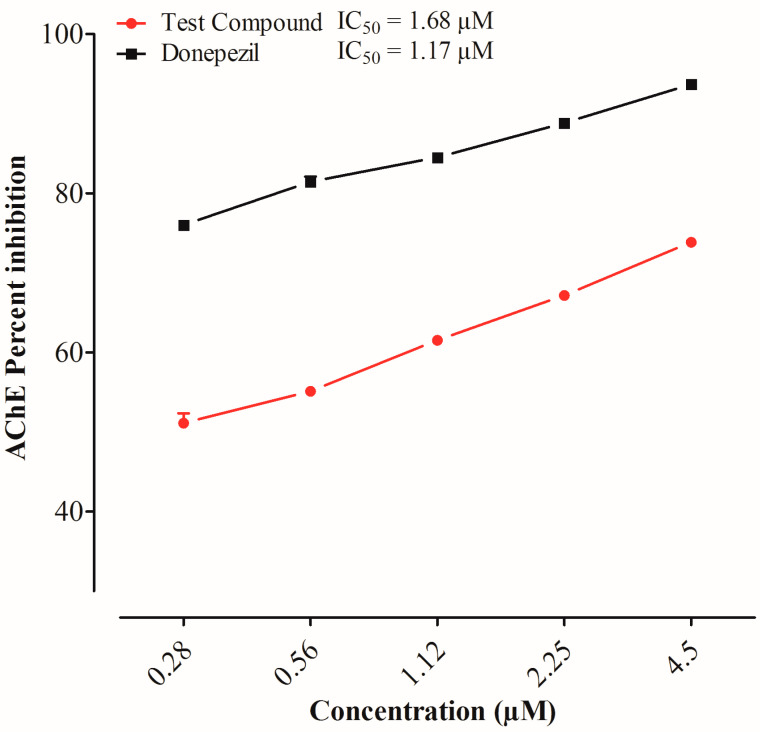 Figure 1
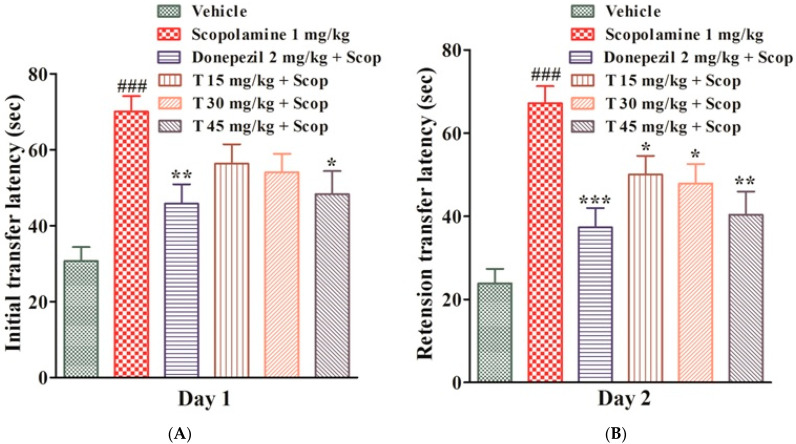 Figure 2
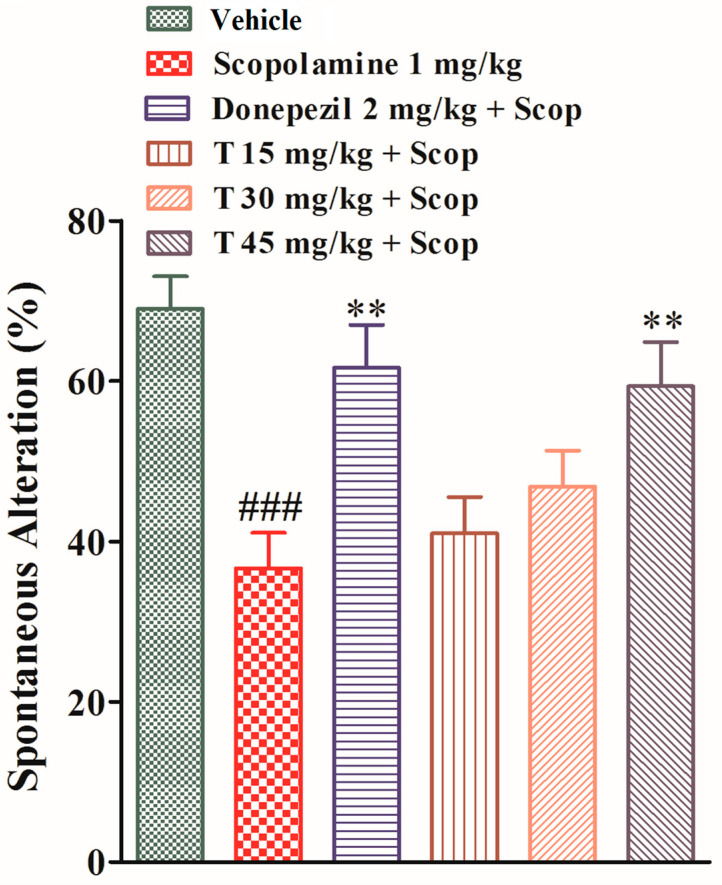 Figure 3
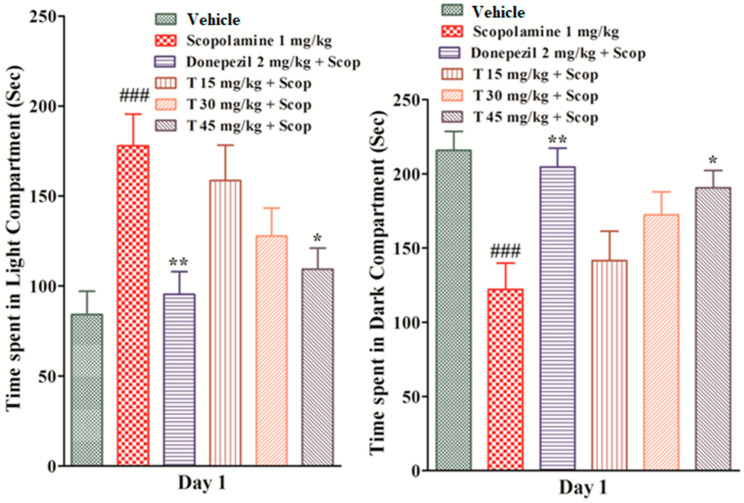 Figure 4
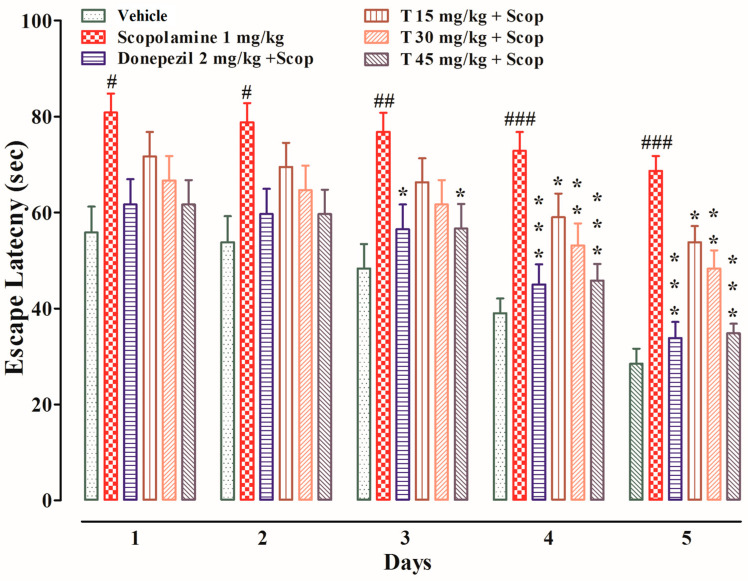 Figure 5
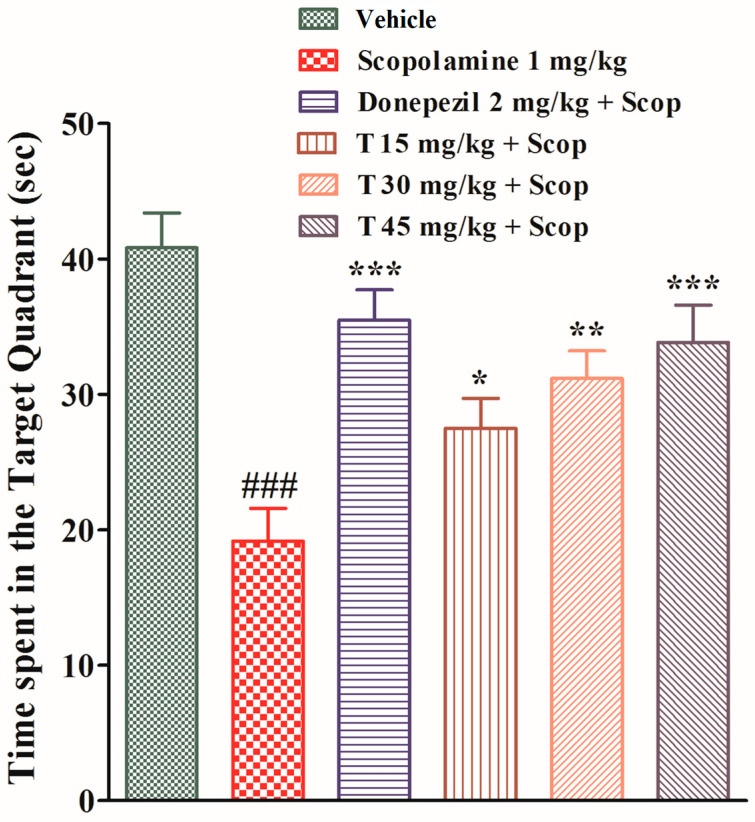 Figure 6
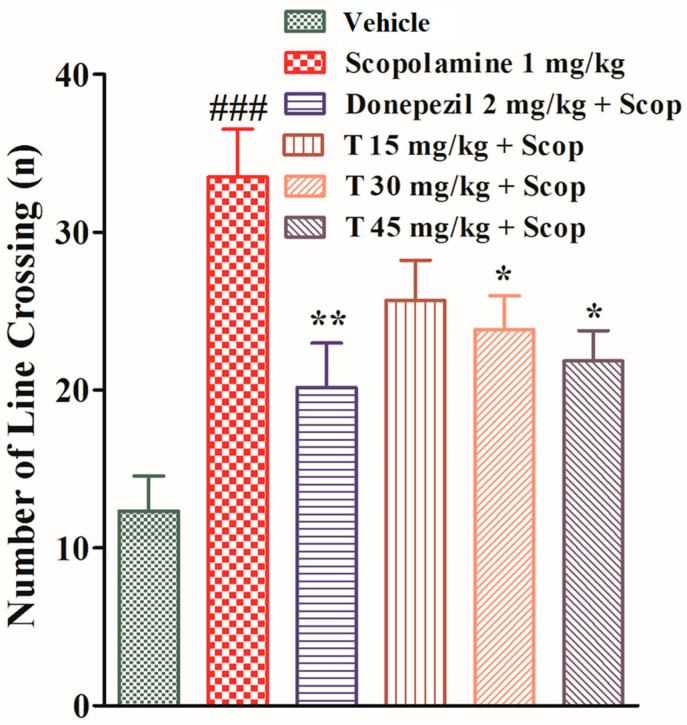 Figure 7
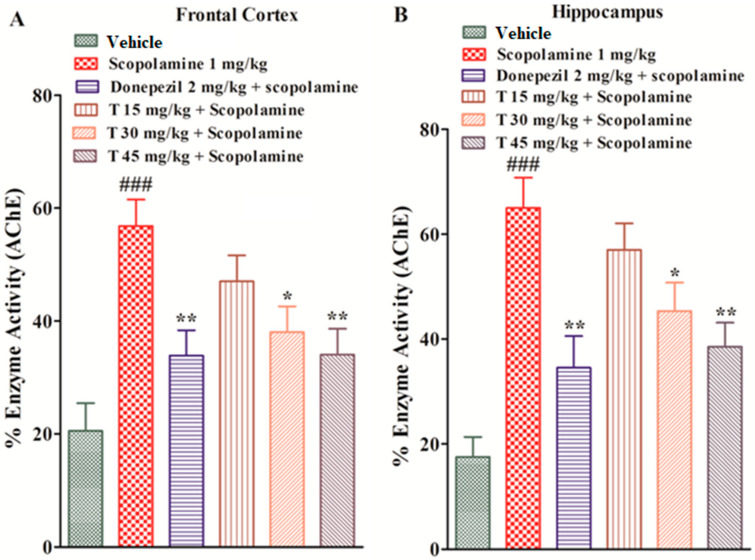 Figure 8
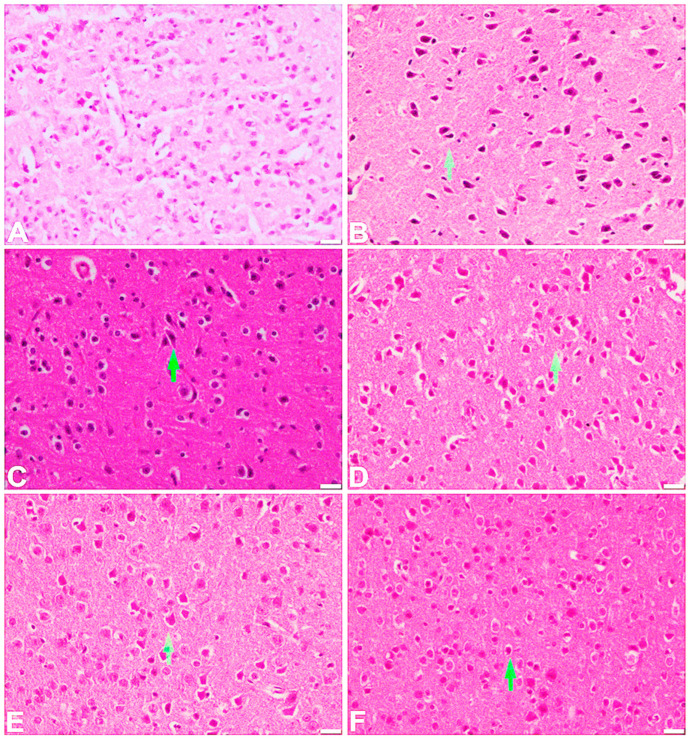 Figure 9
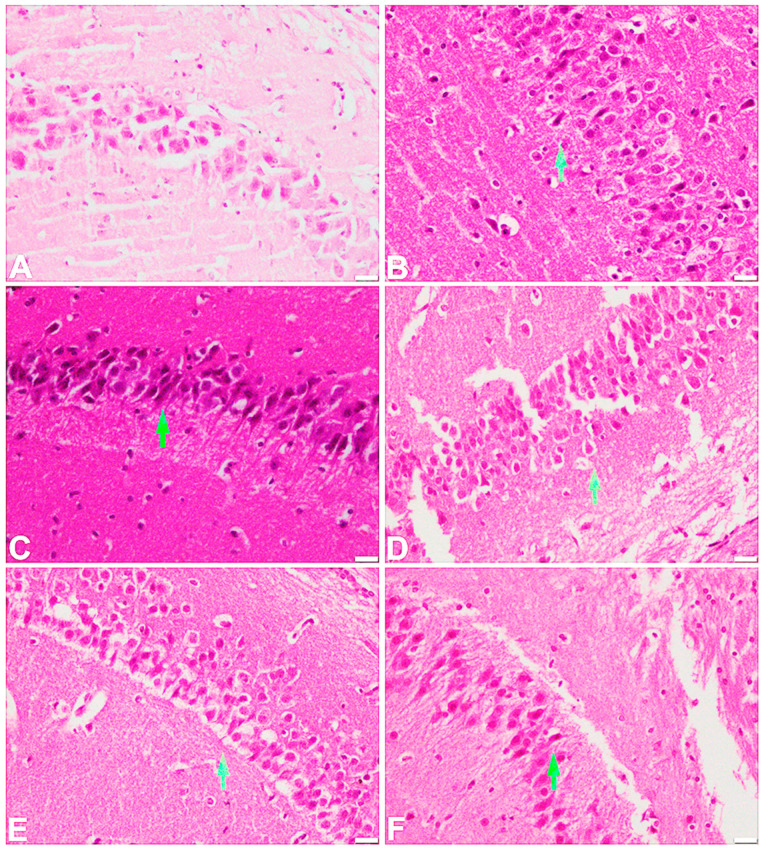 Figure 10
Peer Reviews
No public reviews on file for this paper yet. If you reviewed it on a platform where reviews are public (OpenReview, ICLR, NeurIPS, ICML), you can paste yours below so the community can read it here.
Videos
No videos yet. Explain this paper in a talk, walkthrough, or lecture? Add one.
Taxonomy
TopicsCholinesterase and Neurodegenerative Diseases · Synthesis and biological activity · Computational Drug Discovery Methods