The genome sequence of the Lesser Skullcap, Scutellaria minor Huds., 1762 (Lamiaceae)
Sahr Mian, Maarten J. M. Christenhusz, Ilia J Leitch, Liangsheng Zhang, Lei Yu

TL;DR
This paper presents the genome sequence of the Lesser Skullcap, a plant in the Lamiaceae family, with a detailed assembly of its chromosomes, mitochondria, and plastid.
Contribution
The paper provides the first genome assembly for Scutellaria minor, including chromosomal pseudomolecules and organelle genomes.
Findings
The genome assembly spans 341.8 megabases and is scaffolded into 14 chromosomal pseudomolecules.
The mitochondrial genome is 376.64 kilobases long, and the plastid genome is 152.59 kilobases long.
Abstract
We present a genome assembly from an individual Scutellaria minor (Tracheophyta; Magnoliopsida; Lamiales; Lamiaceae). The genome sequence is 341.8 megabases in span. Most of the assembly is scaffolded into 14 chromosomal pseudomolecules. The mitochondrial and plastid genome assemblies have lengths of 376.64 kilobases and 152.59 kilobases in length, respectively.
Genes, proteins, chemicals, diseases, species, mutations and cell lines named across the full text — each resolved to its canonical identifier and authoritative record.
Click any figure to enlarge with its caption.
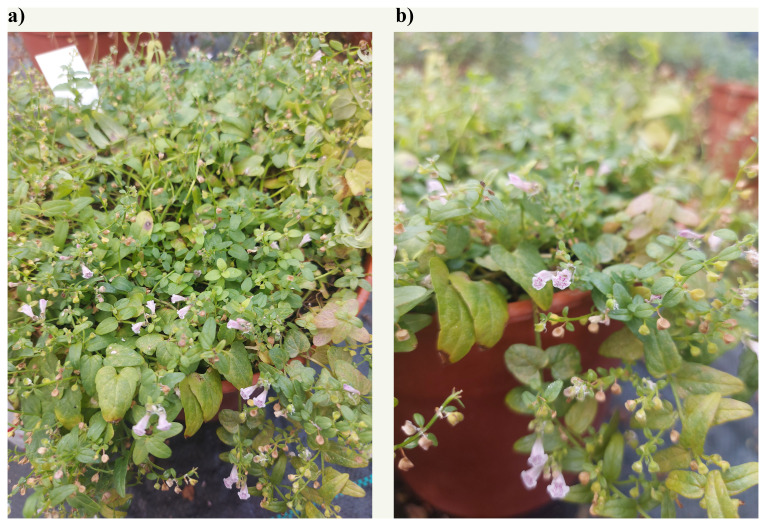 Figure 1
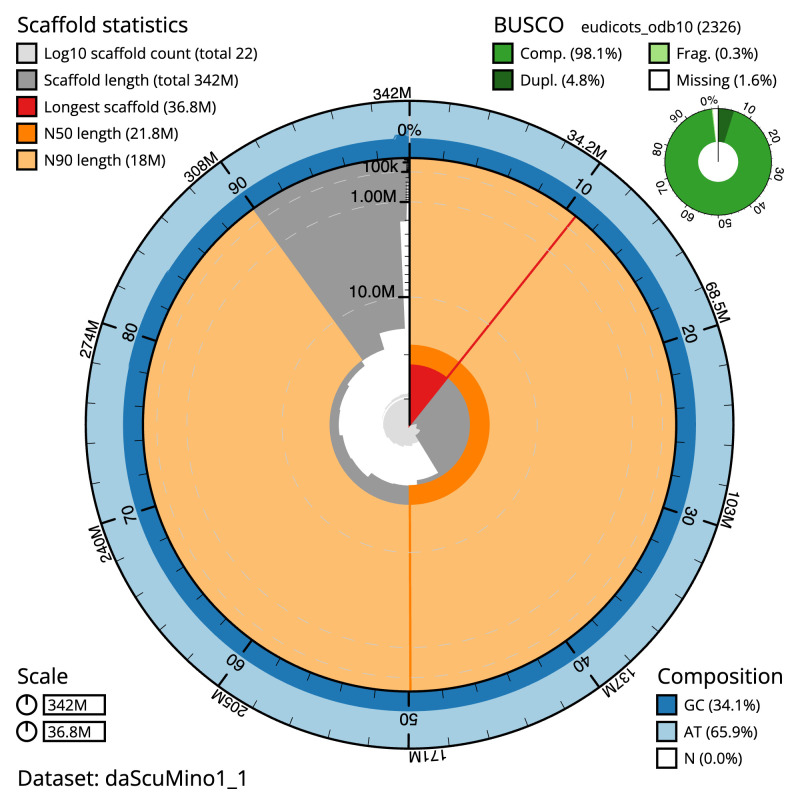 Figure 2
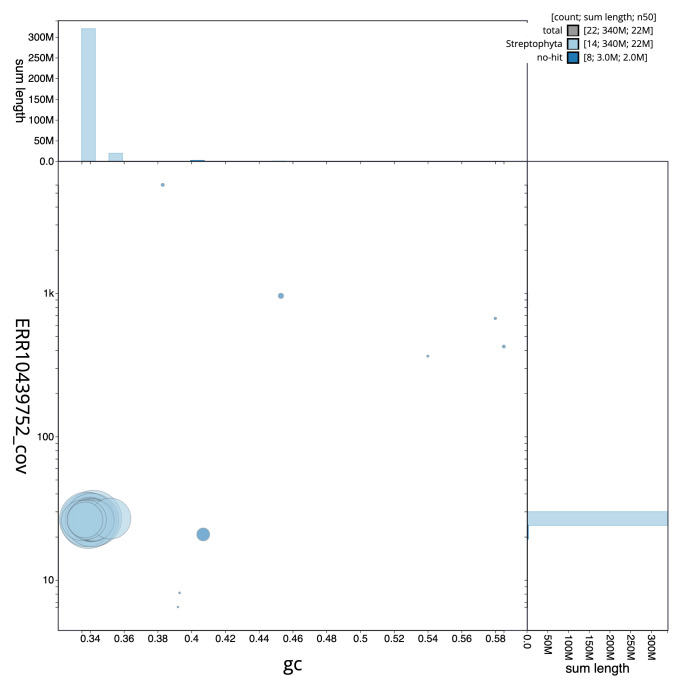 Figure 3
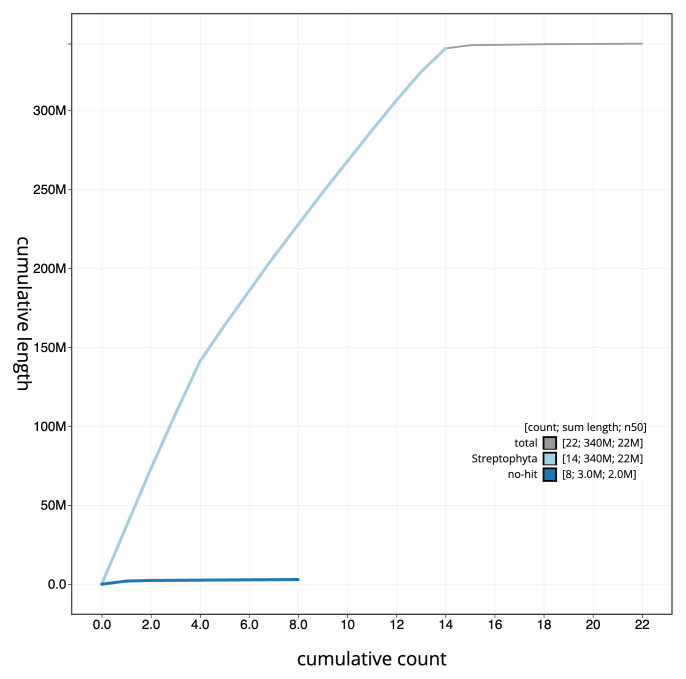 Figure 4
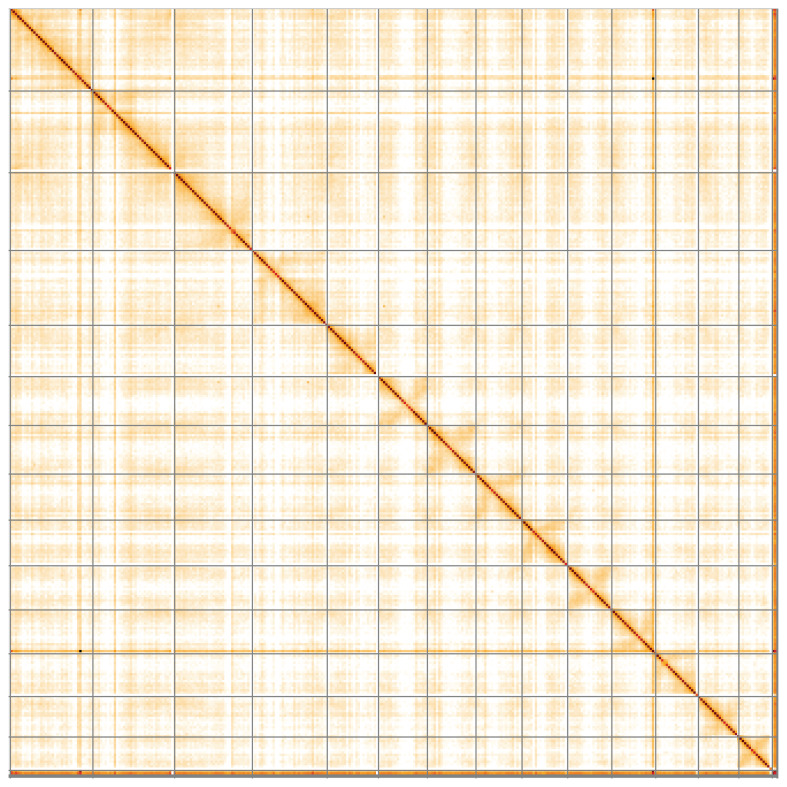 Figure 5
| Project accession data | ||
|---|---|---|
| Assembly identifier | daScuMino1.1 | |
| Species |
| |
| Specimen | daScuMino1 | |
| NCBI taxonomy ID | 1053395 | |
| BioProject | PRJEB57113 | |
| BioSample ID | SAMEA7522634 | |
| Isolate information | daScuMino1: leaf (DNA, Hi-C and RNA sequencing) | |
| Assembly metrics
|
| |
| Consensus quality (QV) | 67.8 |
|
|
| 100.0% |
|
| BUSCO
| C:98.1%[S:93.3%,D:4.8%],
|
|
| Percentage of assembly
| 99.12% |
|
| Sex chromosomes | - |
|
| Organelles | Mitochondrial genome: 376.64 kb
|
|
| Raw data accessions | ||
| PacificBiosciences SEQUEL II | ERR10439752 | |
| Hi-C Illumina | ERR10446387 | |
| PolyA RNA-Seq Illumina | ERR10446386 | |
| Genome assembly | ||
| Assembly accession | GCA_954870855.1 | |
|
| GCA_954870745.1 | |
| Span (Mb) | 341.8 | |
| Number of contigs | 28 | |
| Contig N50 length (Mb) | 19.7 | |
| Number of scaffolds | 20 | |
| Scaffold N50 length (Mb) | 21.8 | |
| Longest scaffold (Mb) | 36.76 | |
| INSDC accession | Chromosome | Length (Mb) | GC% |
|---|---|---|---|
| 1 | 36.76 | 34.0 | |
| 2 | 36.39 | 34.0 | |
| 3 | 34.62 | 34.0 | |
| 4 | 33.34 | 34.0 | |
| 5 | 22.82 | 34.0 | |
| 6 | 21.76 | 34.0 | |
| 7 | 21.63 | 34.0 | |
| 8 | 20.51 | 34.0 | |
| 9 | 20.3 | 34.0 | |
| 10 | 19.68 | 34.0 | |
| 11 | 19.52 | 35.0 | |
| 12 | 19.04 | 33.5 | |
| 13 | 17.99 | 34.0 | |
| 14 | 14.91 | 33.5 | |
| MT | 0.38 | 45.5 | |
| Pltd | 0.15 | 38.5 |
| Software tool | Version | Source |
|---|---|---|
| BlobToolKit | 4.1.7 |
|
| BUSCO | 5.3.2 |
|
| Hifiasm | 0.16.1-r375 |
|
| HiGlass | 1.11.6 |
|
| Merqury | MerquryFK |
|
| MitoHiFi | 2 |
|
| MBG | - |
|
| PretextView | 0.2 |
|
| purge_dups | 1.2.3 |
|
| sanger-tol/genomenote | v1.0 |
|
| sanger-tol/readmapping | 1.1.0 |
|
| YaHS | yahs-1.2a.2 |
|
- —Wellcome Trust
Peer Reviews
No public reviews on file for this paper yet. If you reviewed it on a platform where reviews are public (OpenReview, ICLR, NeurIPS, ICML), you can paste yours below so the community can read it here.
Videos
No videos yet. Explain this paper in a talk, walkthrough, or lecture? Add one.
Taxonomy
TopicsFlavonoids in Medical Research · Phytochemistry and Biological Activities · Natural product bioactivities and synthesis
Species taxonomy
Eukaryota; Viridiplantae; Streptophyta; Streptophytina; Embryophyta; Tracheophyta; Euphyllophyta; Spermatophyta; Magnoliopsida; Mesangiospermae; eudicotyledons; Gunneridae; Pentapetalae; asterids; lamiids; Lamiales; Lamiaceae; Scutellarioideae; Scutellaria; Scutellaria minor Huds., 1762 (NCBI:txid1053395).
Background
Scutellaria minor is a perennial herb usually found in wet heaths, bogs, marshes and generally acidic soils. Belonging to the mint family (Lamiaceae), the plant grows up to 25 cm tall with small pinkish flowers and is distributed through the southern temperate regions of Europe ( Stace et al., 2019). Found mainly in the southern regions of Britain and Ireland, S. minor populations have since declined, particularly in the Midlands, due to drainage and loss of habitat ( Stroh et al., 2023).
Several species within the genus Scutellaria have historically been used in traditional medicinal practices to treat ailments and disease, including respiratory, cardiovascular and neurological diseases ( Grzegorczyk-Karolak et al., 2016; Shen et al., 2021). Other species within the genus have proven anticancer, anti-bacterial and anti-inflammatory properties ( Cheng et al., 2018; de Boer et al., 2005). The variety of bioactive compounds found in the leaves and roots of this genus have been studied extensively due to their potential medicinal value, with more than 295 compounds having been identified so far ( Georgieva et al., 2019; Shang et al., 2010). The two main groups of bioactive compounds found in Scutellaria are flavonoids and diterpenes, both of which are found in high concentrations ( Georgieva et al., 2019; Shang et al., 2010). Flavonoids and their derivatives have been confirmed to have anti-tumour, anti-mutagenic, neuroprotective and hepatoprotective properties ( Shang et al., 2010). While the diterpenoids isolated from Scutellaria have been of interest due to their biological pest control potential as anti-feedant and anti-fungal agents to prevent damage to economically important crops ( Cole et al., 1990).
Cytologically, studies have reported this species to have a chromosome count of either 2n = 28 (e.g. in material from Sweden) or 2n = c. 32 (e.g. material from UK) ( Henniges et al., 2022; Morton, 1973; Ranjbar & Mahmoudi, 2013). In both cases the authors consider this species to be a tetraploid given that other species in the genus have been reported to have 2 n = 14 or 2 n = 16. Nevertheless, whether the species is an auto- or allo-polyploid is currently unclear.
The whole genome assembly of S. minor is expected to elucidate further properties and uses of the bioactive chemicals present within this diverse genus.
Genome sequence report
The genome was sequenced from one specimen of Scutellaria minor ( Figure 1) collected from Jodrell Laboratory Glasshouses at the Royal Botanic Gardens Kew, where it was grown from seed from the Millennium Seed Bank (seed accession number 678632). Using flow cytometry, the genome size (1C-value) was estimated to be 0.43 pg, equivalent to 420 Mb. A total of 54-fold coverage in Pacific Biosciences single-molecule HiFi long reads was generated. Primary assembly contigs were scaffolded with chromosome conformation Hi-C data. Manual assembly curation corrected 3 missing joins or mis-joins, reducing the scaffold number by 15.38%.
Photograph of the Scutellaria minor (daScuMino1) specimen used for genome sequencing.
The final assembly has a total length of 341.8 Mb in 20 sequence scaffolds with a scaffold N50 of 21.8 Mb ( Table 1). The snail plot in Figure 2 provides a summary of the assembly statistics, while the distribution of assembly scaffolds on GC proportion and coverage is shown in Figure 3. The cumulative assembly plot in Figure 4 shows curves for subsets of scaffolds assigned to different phyla. Most (99.12%) of the assembly sequence was assigned to 14 chromosomal-level scaffolds, indicating the individual sequenced has a chromosome count of 2n = 28. Chromosome-scale scaffolds confirmed by the Hi-C data are named in order of size ( Figure 5; Table 2). While not fully phased, the assembly deposited is of one haplotype. Contigs corresponding to the second haplotype have also been deposited. The mitochondrial and plastid genomes were also assembled and can be found as contigs within the multifasta file of the genome submission.
Table 1.: Genome data for Scutellaria minor, daScuMino1.1.
Genome assembly of Scutellaria minor, daScuMino1.1: metrics.The BlobToolKit Snailplot shows N50 metrics and BUSCO gene completeness. The main plot is divided into 1,000 size-ordered bins around the circumference with each bin representing 0.1% of the 342,281,700 bp assembly. The distribution of scaffold lengths is shown in dark grey with the plot radius scaled to the longest scaffold present in the assembly (36,764,200 bp, shown in red). Orange and pale-orange arcs show the N50 and N90 scaffold lengths (21,760,285 and 17,994,855 bp), respectively. The pale grey spiral shows the cumulative scaffold count on a log scale with white scale lines showing successive orders of magnitude. The blue and pale-blue area around the outside of the plot shows the distribution of GC, AT and N percentages in the same bins as the inner plot. A summary of complete, fragmented, duplicated and missing BUSCO genes in the eudicots_odb10 set is shown in the top right. An interactive version of this figure is available at https://blobtoolkit.genomehubs.org/view/daScuMino1_1/dataset/daScuMino1_1/snail.
Genome assembly of Scutellaria minor, daScuMino1.1: BlobToolKit GC-coverage plot.Scaffolds are coloured by phylum. Circles are sized in proportion to scaffold length. Histograms show the distribution of scaffold length sum along each axis. An interactive version of this figure is available at https://blobtoolkit.genomehubs.org/view/daScuMino1_1/dataset/daScuMino1_1/blob.
Genome assembly of Scutellaria minor, daScuMino1.1: BlobToolKit cumulative sequence plot.The grey line shows cumulative length for all scaffolds. Coloured lines show cumulative lengths of scaffolds assigned to each phylum using the buscogenes taxrule. An interactive version of this figure is available at https://blobtoolkit.genomehubs.org/view/daScuMino1_1/dataset/daScuMino1_1/cumulative.
Genome assembly of Scutellaria minor, daScuMino1.1: Hi-C contact map of the daScuMino1.1 assembly, visualised using HiGlass.Chromosomes are shown in order of size from left to right and top to bottom. An interactive version of this figure may be viewed at https://genome-note-higlass.tol.sanger.ac.uk/l/?d=S8hyWCfwRq2qMhenu7cSyA.
Table 2.: Chromosomal pseudomolecules in the genome assembly of Scutellaria minor, daScuMino1.
The estimated Quality Value (QV) of the final assembly is 67.8 with k-mer completeness of 100.0%, and the assembly has a BUSCO v5.3.2 completeness of 98.1% (single = 93.3%, duplicated = 4.8%), using the eudicots_odb10 reference set ( n = 2,326).
Metadata for specimens, barcode results, spectra estimates, sequencing runs, contaminants and pre-curation assembly statistics are given at https://links.tol.sanger.ac.uk/species/1053395.
Methods
Sample acquisition, genome size estimation and nucleic acid extraction
A specimen of Scutellaria minor (specimen ID KDTOL10114, ToLID daScuMino1) was picked by hand from the Jodrell Laboratory Glasshouses, Royal Botanic Gardens Kew, Richmond, UK (latitude 51.48, longitude –0.29) on 2020-09-10. The specimen was grown from seed from the Millennium Seed Bank. The specimen was collected by Sahr Mian (Royal Botanic Gardens, Kew) and identified by Maarten Christenhusz (Royal Botanic Gardens, Kew) and frozen at –80 °C.
The genome size was estimated by flow cytometry using the fluorochrome propidium iodide and following the ‘one-step’ method as outlined in Pellicer et al. (2021). The General Purpose Buffer (GPB) supplemented with 3% PVP and 0.08% (v/v) beta-mercaptoethanol was used for isolation of nuclei ( Loureiro et al., 2007), and the internal calibration standard was Solanum lycopersicum ‘Stupiké polní rané’ with an assumed 1C-value of 968 Mb ( Doležel et al., 2007).
The workflow for high molecular weight (HMW) DNA extraction at the Wellcome Sanger Institute (WSI) includes a sequence of core procedures: sample preparation; sample homogenisation, DNA extraction, fragmentation, and clean-up. In sample preparation, the daScuMino1 sample was weighed and dissected on dry ice ( Jay et al., 2023). Leaf tissue was homogenised by cryogenic bead beating ( Jackson & Howard, 2023a). HMW DNA was extracted using the Automated Plant MagAttract v4 protocol ( Jackson & Howard, 2023b). HMW DNA was sheared into an average fragment size of 12–20 kb in a Megaruptor 3 system with speed setting 31 ( Bates et al., 2023). Sheared DNA was purified by solid-phase reversible immobilisation ( Oatley et al., 2023): in brief, the method employs a 1.8X ratio of AMPure PB beads to sample to eliminate shorter fragments and concentrate the DNA. The concentration of the sheared and purified DNA was assessed using a Nanodrop spectrophotometer and Qubit Fluorometer and Qubit dsDNA High Sensitivity Assay kit. Fragment size distribution was evaluated by running the sample on the FemtoPulse system.
RNA was extracted from leaf tissue of daScuMino1 in the Tree of Life Laboratory at the WSI using the RNA Extraction: Automated MagMax™ mirVana protocol ( do Amaral et al., 2023). The RNA concentration was assessed using a Nanodrop spectrophotometer and a Qubit Fluorometer using the Qubit RNA Broad-Range Assay kit. Analysis of the integrity of the RNA was done using the Agilent RNA 6000 Pico Kit and Eukaryotic Total RNA assay.
Protocols developed by the WSI Tree of Life core laboratory are publicly available on protocols.io ( Denton et al., 2023).
Sequencing
Pacific Biosciences HiFi circular consensus DNA sequencing libraries were constructed according to the manufacturers’ instructions. Poly(A) RNA-Seq libraries were constructed using the NEB Ultra II RNA Library Prep kit. DNA and RNA sequencing was performed by the Scientific Operations core at the WSI on Pacific Biosciences SEQUEL II (HiFi) and Illumina NovaSeq 6000 (RNA-Seq) instruments. Hi-C data were also generated from leaf tissue of daScuMino1 using the Arima2 kit and sequenced on the Illumina NovaSeq 6000 instrument.
Genome assembly, curation and evaluation
Assembly was carried out with Hifiasm ( Cheng et al., 2021) and haplotypic duplication was identified and removed with purge_dups ( Guan et al., 2020). The assembly was then scaffolded with Hi-C data ( Rao et al., 2014) using YaHS ( Zhou et al., 2023). The assembly was checked for contamination and corrected as described previously ( Howe et al., 2021). Manual curation was performed using HiGlass ( Kerpedjiev et al., 2018) and PretextView ( Harry, 2022). The mitochondrial and plastid genomes were assembled using MBG ( Rautiainen & Marschall, 2021) from PacBio HiFi reads mapping to related genomes. A representative circular sequence was selected for each from the graph based on read coverage.
A Hi-C map for the final assembly was produced using bwa-mem2 ( Vasimuddin et al., 2019) in the Cooler file format ( Abdennur & Mirny, 2020). To assess the assembly metrics, the k-mer completeness and QV consensus quality values were calculated in Merqury ( Rhie et al., 2020). This work was done using Nextflow ( Di Tommaso et al., 2017) DSL2 pipelines “sanger-tol/readmapping” ( Surana et al., 2023a) and “sanger-tol/genomenote” ( Surana et al., 2023b). The genome was analysed within the BlobToolKit environment ( Challis et al., 2020) and BUSCO scores ( Manni et al., 2021; Simão et al., 2015) were calculated.
Table 3 contains a list of relevant software tool versions and sources.
Wellcome Sanger Institute – Legal and Governance
The materials that have contributed to this genome note have been supplied by a Darwin Tree of Life Partner. The submission of materials by a Darwin Tree of Life Partner is subject to the ‘Darwin Tree of Life Project Sampling Code of Practice’, which can be found in full on the Darwin Tree of Life website here. By agreeing with and signing up to the Sampling Code of Practice, the Darwin Tree of Life Partner agrees they will meet the legal and ethical requirements and standards set out within this document in respect of all samples acquired for, and supplied to, the Darwin Tree of Life Project.
Further, the Wellcome Sanger Institute employs a process whereby due diligence is carried out proportionate to the nature of the materials themselves, and the circumstances under which they have been/are to be collected and provided for use. The purpose of this is to address and mitigate any potential legal and/or ethical implications of receipt and use of the materials as part of the research project, and to ensure that in doing so we align with best practice wherever possible. The overarching areas of consideration are:
• Ethical review of provenance and sourcing of the material
• Legality of collection, transfer and use (national and international)
Each transfer of samples is further undertaken according to a Research Collaboration Agreement or Material Transfer Agreement entered into by the Darwin Tree of Life Partner, Genome Research Limited (operating as the Wellcome Sanger Institute), and in some circumstances other Darwin Tree of Life collaborators.
The reference list from the paper itself. Each links out to its DOI / PubMed record.
- 1Abdennur N Mirny LA : Cooler: Scalable storage for Hi-C data and other genomically labeled arrays. Bioinformatics. 2020;36(1):311–316. 10.1093/bioinformatics/btz 540 31290943 PMC 8205516 · doi ↗ · pubmed ↗
- 2Bates A Clayton-Lucey I Howard C : Sanger Tree of Life HMW DNA Fragmentation: Diagenode Megaruptor ®3 for LI Pac Bio. Protocols.Io. 2023. 10.17504/protocols.io.81wgbxzq 3lpk/v 1 · doi ↗
- 3Challis R Richards E Rajan J : Blob Tool Kit - Interactive Quality Assessment of Genome Assemblies. G 3 (Bethesda). 2020;10(4):1361–1374. 10.1534/g 3.119.400908 32071071 PMC 7144090 · doi ↗ · pubmed ↗
- 4Cheng CS Chen J Tan HY : Scutellaria baicalensis and Cancer Treatment: Recent Progress and Perspectives in Biomedical and Clinical Studies. Am J Chin Med. 2018;46(1):25–54. 10.1142/S 0192415 X 18500027 29316796 · doi ↗ · pubmed ↗
- 5Cheng H Concepcion GT Feng X : Haplotype-resolved de novo assembly using phased assembly graphs with hifiasm. Nat Methods. 2021;18(2):170–175. 10.1038/s 41592-020-01056-5 33526886 PMC 7961889 · doi ↗ · pubmed ↗
- 6Cole MD Anderson JC Blaney WM : Neo-clerodane insect antifeedants from Scutellaria galericulata. Phytochemistry. 1990;29(6):1793–1796. 10.1016/0031-9422(90)85018-B · doi ↗
- 7de Boer JGD Quiney B Walter PB : Protection against aflatoxin-B 1-induced liver mutagenesis by Scutellaria baicalensis. Mutat Res. 2005;578(1–2):15–22. 10.1016/j.mrfmmm.2005.01.016 16202794 · doi ↗ · pubmed ↗
- 8Denton A Yatsenko H Jay J : Sanger Tree of Life Wet Laboratory Protocol Collection V.1. protocols.io. 2023. 10.17504/protocols.io.8epv 5xxy 6g 1b/v 1 · doi ↗