Brain mechanisms discriminating enactive mental simulations of running and plogging
Roxane Philips, Chris Baeken, Joël Billieux, James Madog Harris, Pierre Maurage, Ismael Muela, İrem Tuğçe Öz, Arthur Pabst, Guillaume Sescousse, Claus Vögele, Damien Brevers

TL;DR
The study explores how the brain distinguishes between imagining running and plogging, revealing specific brain networks involved in these mental simulations.
Contribution
The paper identifies brain regions and functional connectivity patterns specific to enactive mental simulations of plogging versus running.
Findings
Brain activation patterns differ significantly between mental simulations of plogging and running.
Self-reported running engagement and simulation quality modulate brain reactivity to plogging versus running.
The insular cortex shows increased functional connectivity during plogging simulations compared to running.
Abstract
Enactive cognition emphasizes co‐constructive roles of humans and their environment in shaping cognitive processes. It is specifically engaged in the mental simulation of behaviors, enhancing the connection between perception and action. Here we investigated the core network of brain regions involved in enactive cognition as applied to mental simulations of physical exercise. We used a neuroimaging paradigm in which participants (N = 103) were required to project themselves running or plogging (running while picking‐up litter) along an image‐guided naturalistic trail. Using both univariate and multivariate brain imaging analyses, we find that a broad spectrum of brain activation discriminates between the mental simulation of plogging versus running. Critically, we show that self‐reported ratings of daily life running engagement and the quality of mental simulation (how well participants…
Genes, proteins, chemicals, diseases, species, mutations and cell lines named across the full text — each resolved to its canonical identifier and authoritative record.
Click any figure to enlarge with its caption.
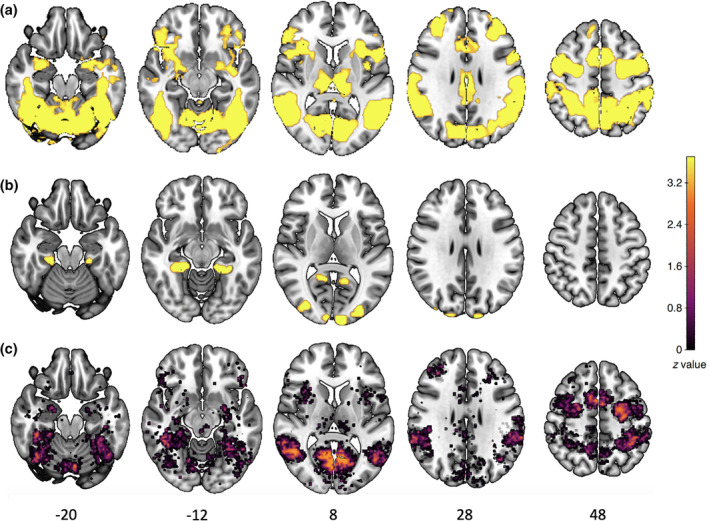 Figure 1
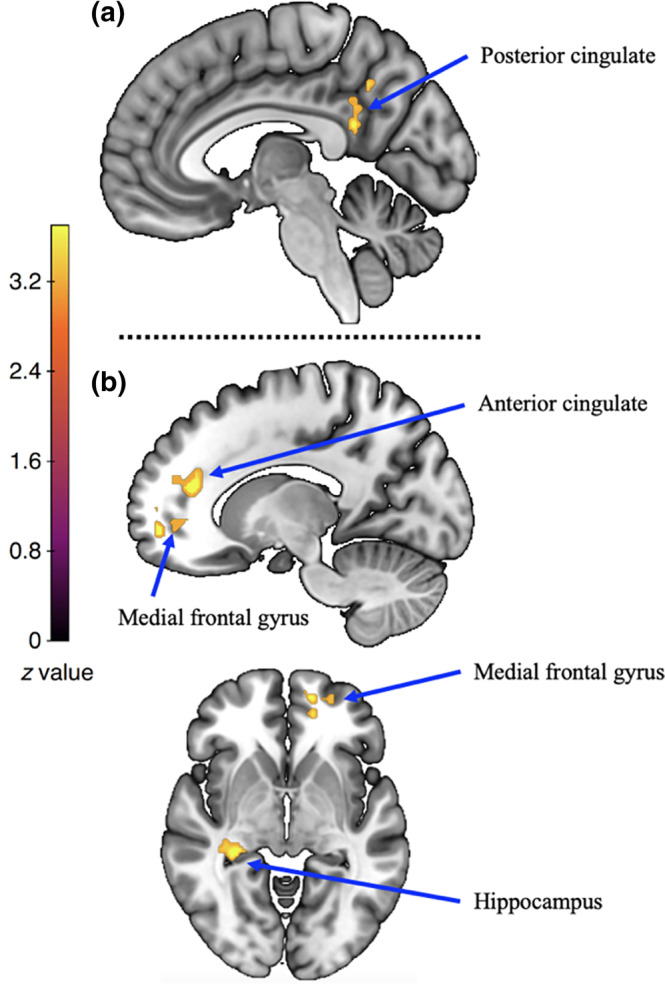 Figure 2
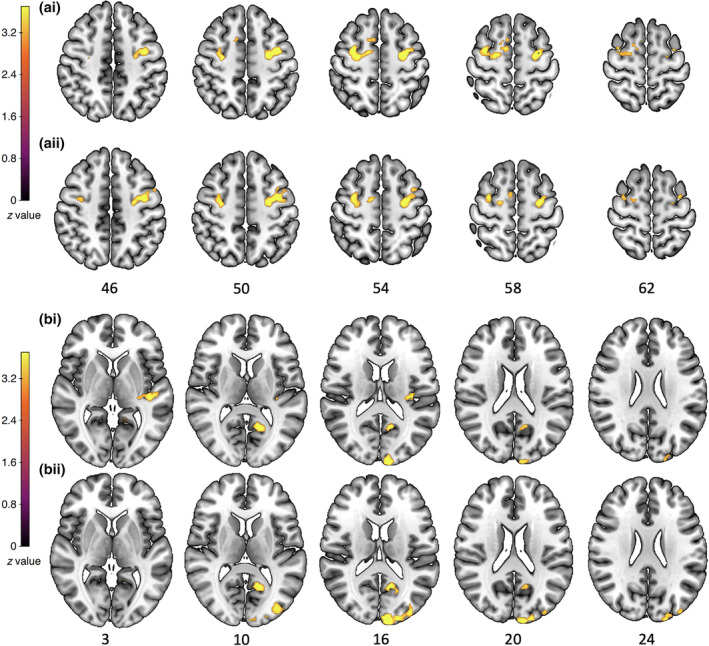 Figure 3
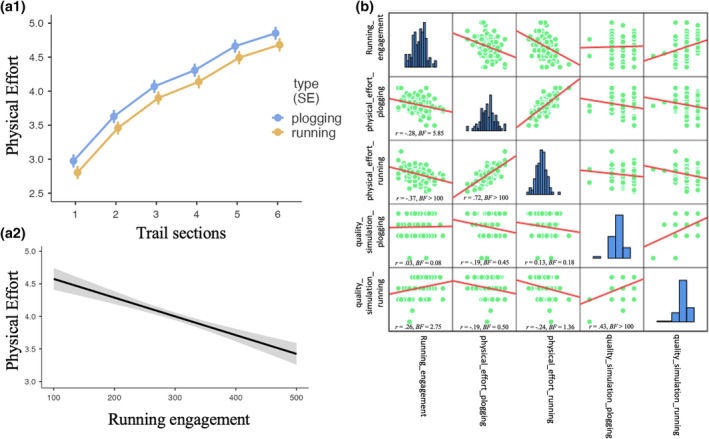 Figure 4
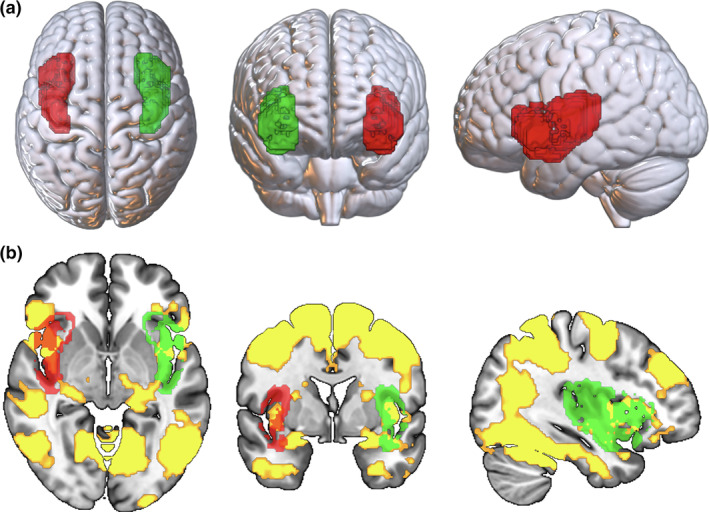 Figure 5
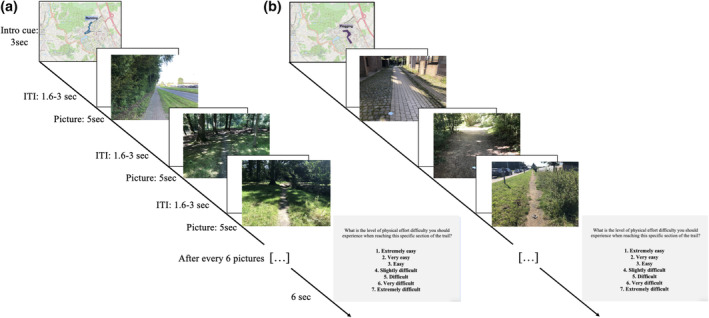 Figure 6
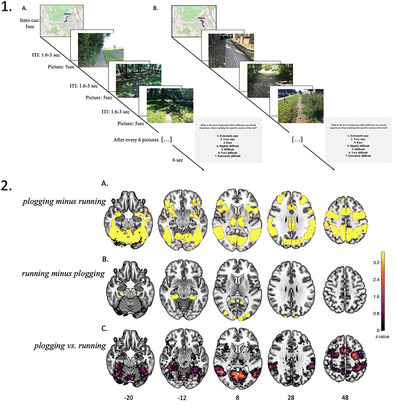 Figure 7
Peer Reviews
No public reviews on file for this paper yet. If you reviewed it on a platform where reviews are public (OpenReview, ICLR, NeurIPS, ICML), you can paste yours below so the community can read it here.
Videos
No videos yet. Explain this paper in a talk, walkthrough, or lecture? Add one.
Taxonomy
TopicsFunctional Brain Connectivity Studies · Action Observation and Synchronization · Neural dynamics and brain function