The association between unemployment and treatment among adults with hemophilia
Christian Qvigstad, Lars Q. Sørensen, Geir E. Tjønnfjord, Pål André Holme, Ingrid Pabinger, Ingrid Pabinger, Cedric Hermans, Roseline d’Oiron, Robert Klamroth, Johannes Oldenburg, Natascha Marquardt, Peter Staritz, Olga Katsarou, Uri Martinowitz, Aharon Lubetsky, Gili Kenet

TL;DR
This study finds that prophylactic treatment for hemophilia reduces the risk of unemployment due to disability, improving quality of life.
Contribution
The study identifies prophylactic treatment as a key factor in reducing unemployment among adults with hemophilia.
Findings
Prophylactic treatment was associated with decreased odds of unemployment due to disability.
Severe hemophilia, age, smoking, and psychiatric disorders increased the risk of unemployment.
Maintaining factor levels above 3%-5% through prophylaxis could help avoid disability-related unemployment.
Abstract
People with hemophilia often experience pain and suffer from comorbidities related to their bleeding disorder. Consequently, unemployment due to disability is prevalent among people with hemophilia. To explore associations between unemployment due to disability and treatment while adjusting for known risk factors for unemployment. Collecting data from 20 hemophilia centers from 15 European countries, the Age-related DeVelopments ANd ComorbiditiEs in hemophilia study recruited 785 participants aged 40 years and over with hemophilia A or B. A comprehensive electronic case report form included items related to patient characteristics, demographic information, past and current treatment regimens, and medical history, including a lifelong history of comorbidities. Baseline data from the Age-related DeVelopments ANd ComorbiditiEs in hemophilia study was analyzed using descriptive statistics…
Genes, proteins, chemicals, diseases, species, mutations and cell lines named across the full text — each resolved to its canonical identifier and authoritative record.
Click any figure to enlarge with its caption.
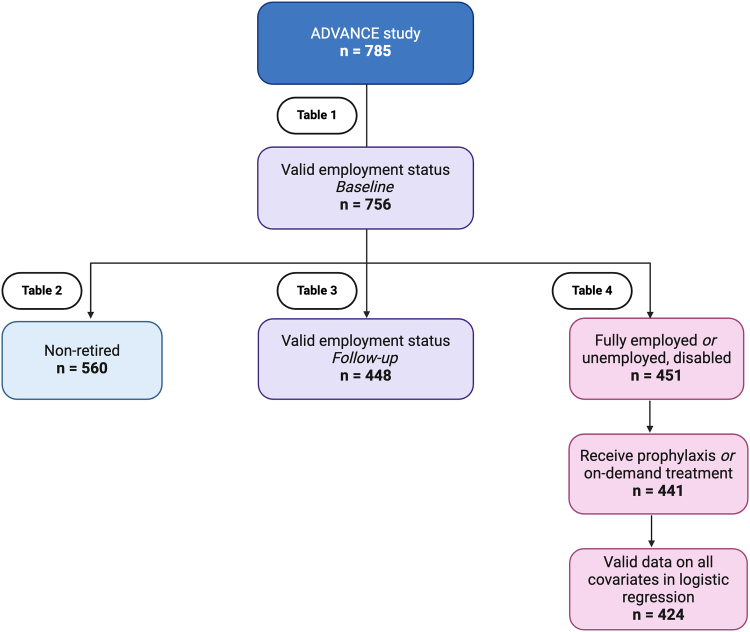 Figure 1
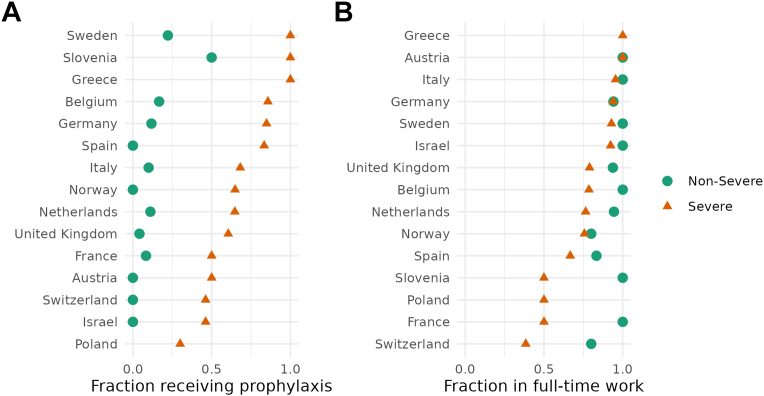 Figure 2
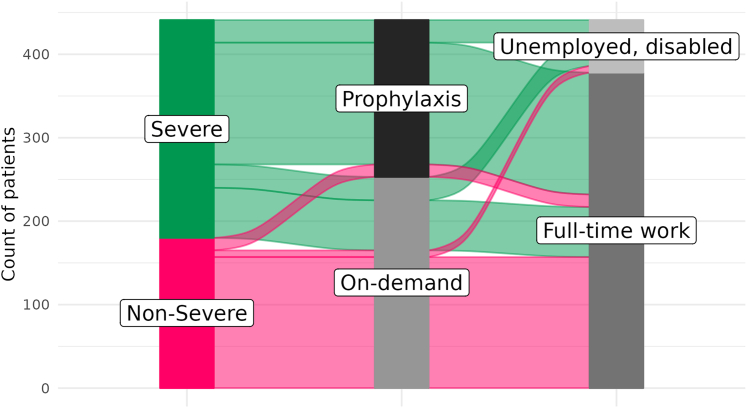 Figure 3
Peer Reviews
No public reviews on file for this paper yet. If you reviewed it on a platform where reviews are public (OpenReview, ICLR, NeurIPS, ICML), you can paste yours below so the community can read it here.
Videos
No videos yet. Explain this paper in a talk, walkthrough, or lecture? Add one.
Taxonomy
TopicsHemophilia Treatment and Research