Potential biomarkers and immune characteristics for polycythemia vera-related atherosclerosis using bulk RNA and single-cell RNA datasets: a combined comprehensive bioinformatics and machine learning analysis
Ziqing Wang, Jixuan Zou

TL;DR
This study identifies CCR1 and MMP9 as potential biomarkers for atherosclerosis in polycythemia vera patients, using bioinformatics and machine learning to explore their immune-related roles.
Contribution
The study introduces a novel diagnostic model for PV-related atherosclerosis using CCR1 and MMP9 as potential biomarkers.
Findings
CCR1 and MMP9 were identified as hub genes strongly associated with PV-related atherosclerosis.
These biomarkers correlate with immune pathways like Toll-like and chemokine signaling and macrophage infiltration.
A diagnostic model based on CCR1 and MMP9 showed strong performance in predicting PV-related atherosclerosis.
Abstract
Polycythemia vera (PV) is a myeloproliferative disease characterized by significantly higher hemoglobin levels and positivity for JAK2 mutation. Thrombosis is the main risk event of this disease. Atherosclerosis (AS) can markedly increase the risk of arterial thrombosis in patients with PV. The objectives of our study were to identify potential biomarkers for PV-related AS and to explore the molecular biological association between PV and AS. We extracted microarray datasets from the Gene Expression Omnibus (GEO) dataset for PV and AS. Common differentially expressed genes (CGs) were identified by differential expression analysis. Functional enrichment and protein-protein interaction (PPI) networks were constructed from the CG by random forest models using LASSO regression to identify pathogenic genes and their underlying processes in PV-related AS. The expression of potential…
Genes, proteins, chemicals, diseases, species, mutations and cell lines named across the full text — each resolved to its canonical identifier and authoritative record.
Click any figure to enlarge with its caption.
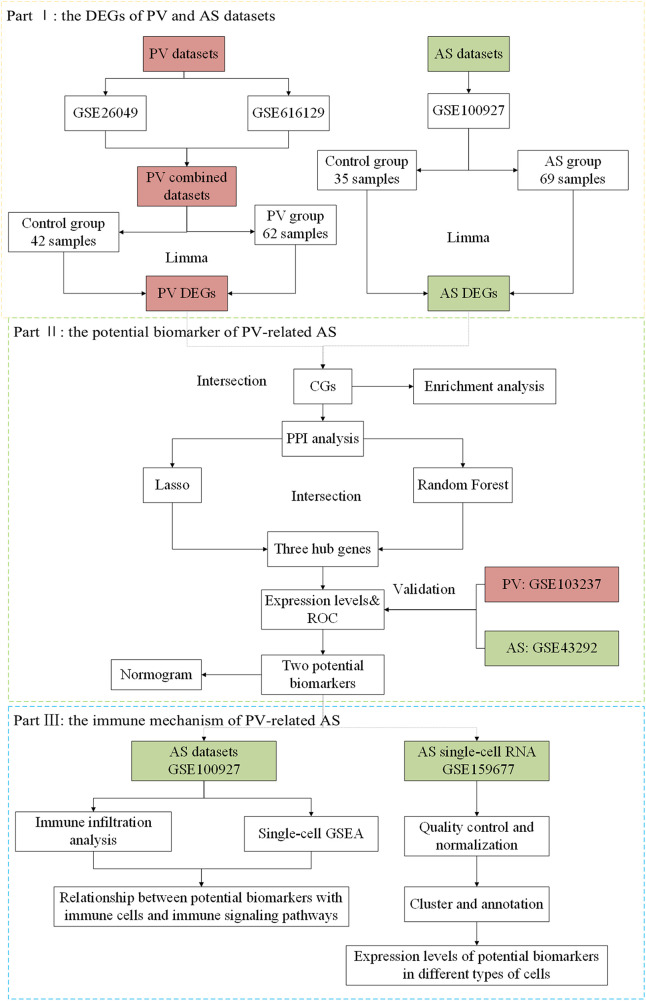 Figure 1
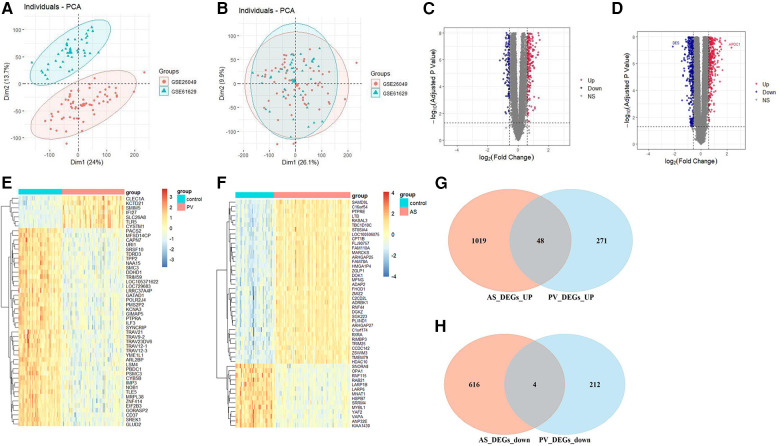 Figure 2
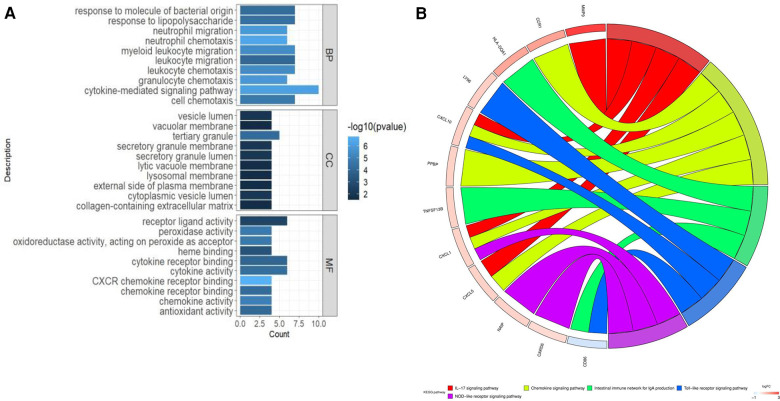 Figure 3
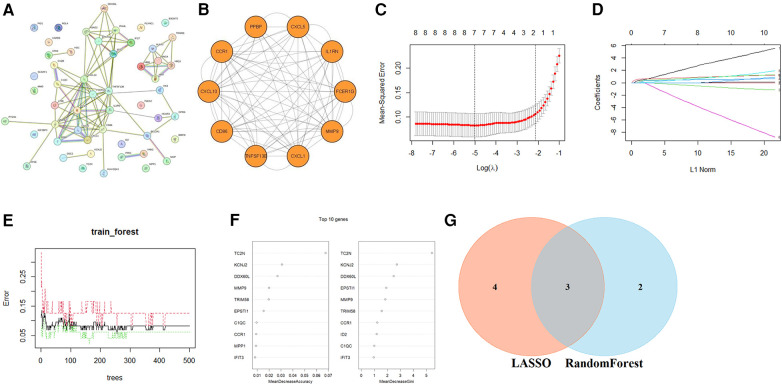 Figure 4
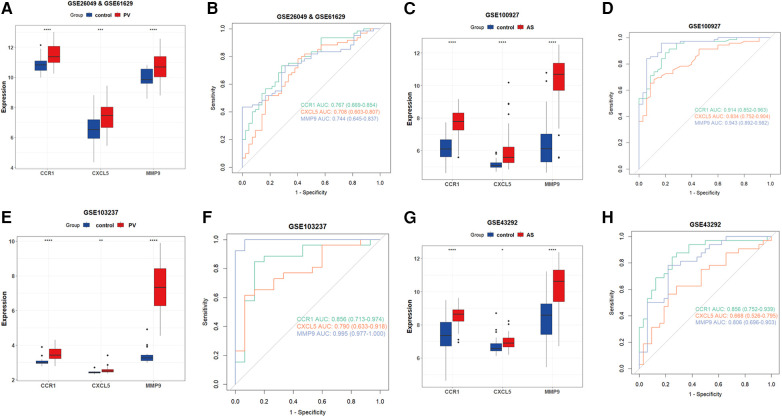 Figure 5
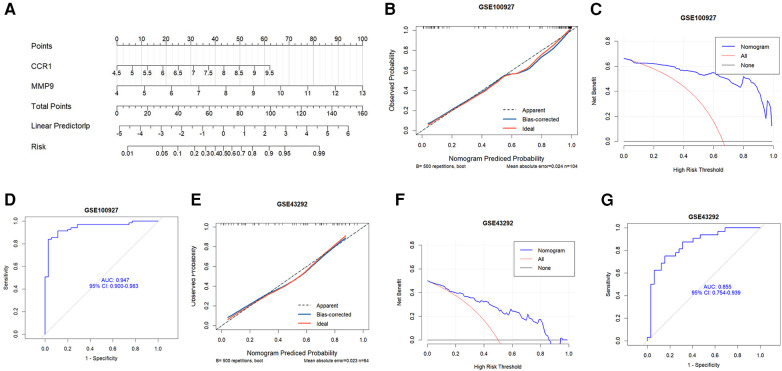 Figure 6
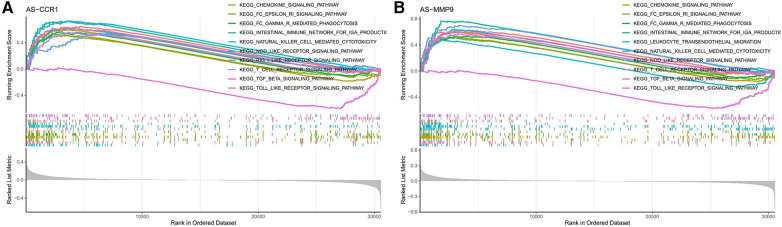 Figure 7
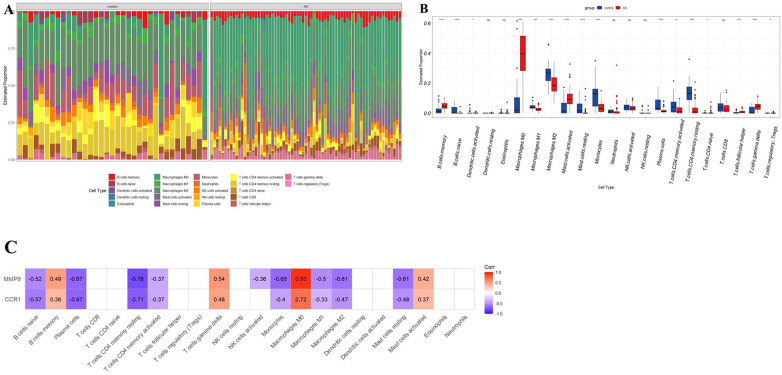 Figure 8
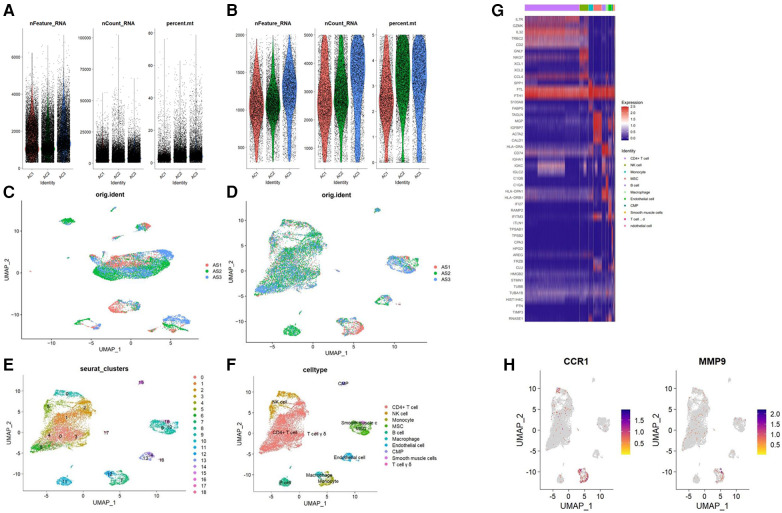 Figure 9
Peer Reviews
No public reviews on file for this paper yet. If you reviewed it on a platform where reviews are public (OpenReview, ICLR, NeurIPS, ICML), you can paste yours below so the community can read it here.
Videos
No videos yet. Explain this paper in a talk, walkthrough, or lecture? Add one.
Taxonomy
TopicsMyeloproliferative Neoplasms: Diagnosis and Treatment · Cancer-related molecular mechanisms research · Kruppel-like factors research