Sacituzumab govitecan response in extensive leptomeningeal carcinomatosis from triple-negative breast cancer: a case report
Jesús Yaringaño, María Roca-Herrera, Simeón Eremiev, Pau Mascaró-Baselga, Pau Benito, Fidel Núñez, Sergi Benavente, Isabel Pimentel

TL;DR
This case report shows that sacituzumab govitecan may help treat leptomeningeal carcinomatosis from triple-negative breast cancer.
Contribution
The novelty is the first reported case of SG effectiveness in treating extensive leptomeningeal carcinomatosis from TNBC.
Findings
The patient showed a clinical response after the first cycle of SG.
Progression-free survival reached 6 months with SG treatment.
Abstract
Sacituzumab govitecan (SG), a Trop-2-directed antibody-drug conjugate (ADC), was the first ADC approved for patients with metastatic triple-negative breast cancer (mTNBC) who had received at least two prior lines of therapy for advanced disease. Although SG has shown promising clinical activity in treating brain metastases in both ASCENT randomized trials and real-world analysis, its utility in leptomeningeal carcinomatosis (LC) remains underexplored. We report the diagnostic and therapeutic process of a patient who develops extensive LC from TNBC treated with SG. She presented a clinical response after the first cycle of SG with a PFS of 6 months. This case report highlights the need for further inquiry into the use of SG in LC.
Genes, proteins, chemicals, diseases, species, mutations and cell lines named across the full text — each resolved to its canonical identifier and authoritative record.
Click any figure to enlarge with its caption.
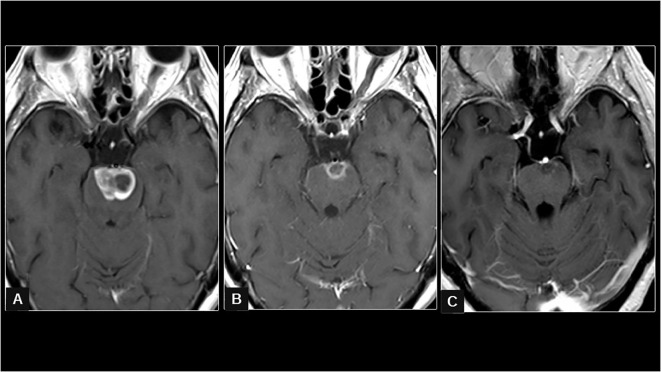 Figure 1
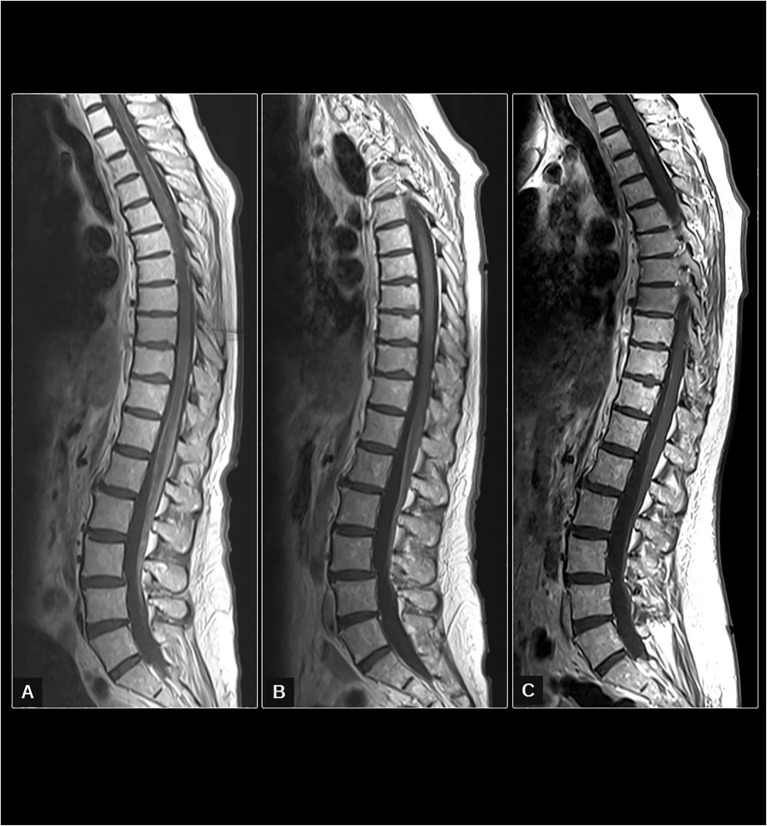 Figure 2
Peer Reviews
No public reviews on file for this paper yet. If you reviewed it on a platform where reviews are public (OpenReview, ICLR, NeurIPS, ICML), you can paste yours below so the community can read it here.
Videos
No videos yet. Explain this paper in a talk, walkthrough, or lecture? Add one.
Taxonomy
TopicsSocial and Educational Sciences