Rotation insensitive implantable wireless power transfer system for medical devices using metamaterial-polarization converter
Tarakeswar Shaw, Bappaditya Mandal, Gopinath Samanta, Thiemo Voigt, Debasis Mitra, Robin Augustine

TL;DR
This paper introduces a wireless power transfer system for medical implants that works efficiently even when rotated, using a special antenna and a metamaterial-polarization converter.
Contribution
The novel use of a metamaterial-polarization converter to improve rotation insensitivity and power transfer efficiency in implantable medical devices.
Findings
The proposed system achieves a 6.94 dB improvement in transmission coefficient in simulations with the metamaterial-polarization converter.
Experimental results show 7.04 dB and 6.76 dB enhancements in transmission coefficient due to the converter integration.
The system maintains compliance with safety regulations regarding electromagnetic exposure.
Abstract
This article introduces an innovative approach for creating a circular polarization (CP) antenna-based rotation-insensitive implantable wireless power transfer (WPT) system for medical devices. The system is constructed to work in the industrial, scientific, and medical (ISM) frequency band of 902–928 MHz. Initially, a flexible, wide-band, and bio-compatible open-ended CP slot antenna is designed within a single-layer human skin tissue model to serve as the receiving (Rx) element. To form the implantable WPT link, a circular patch antenna is also constructed in the free-space to use as a transmitting (Tx) source. Further, a new metamaterial-polarization converter (MTM-PC) structure is developed and incorporated into the proposed system to enhance the power transfer efficiency (PTE). Furthermore, the rotational phenomenon of the Rx implant has been studied to show how the rotation…
Genes, proteins, chemicals, diseases, species, mutations and cell lines named across the full text — each resolved to its canonical identifier and authoritative record.
Click any figure to enlarge with its caption.
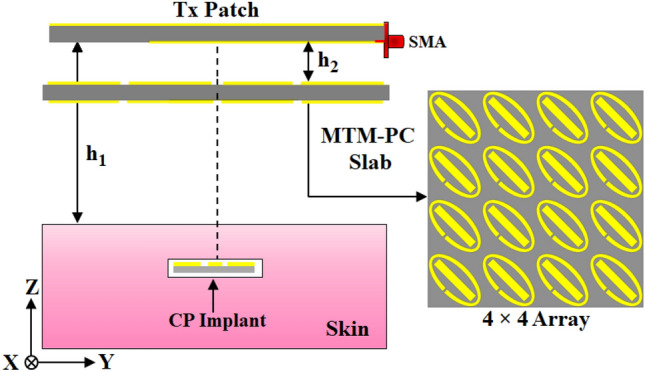 Figure 10
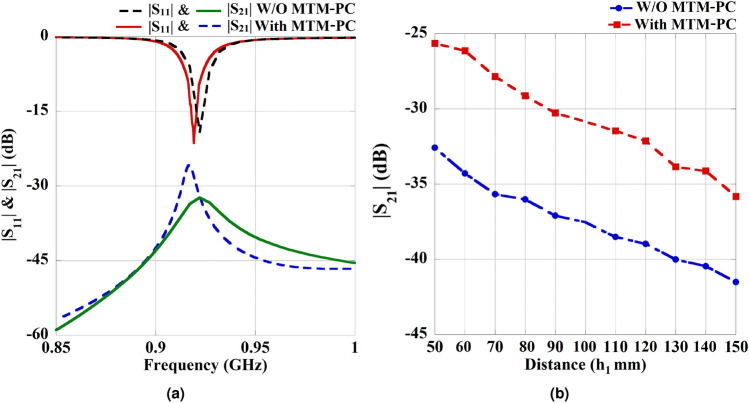 Figure 11
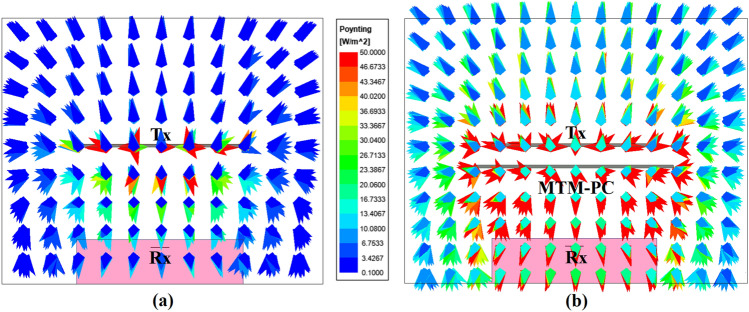 Figure 12
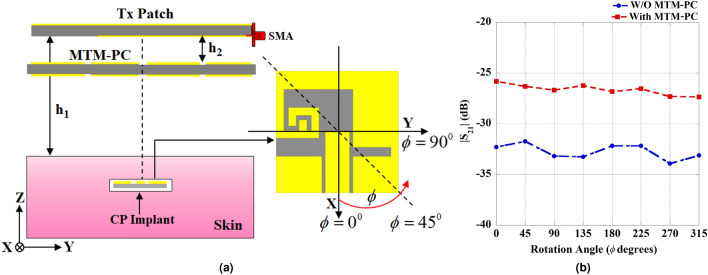 Figure 13
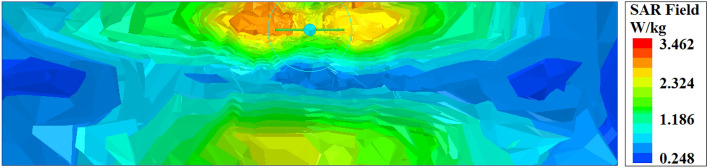 Figure 14
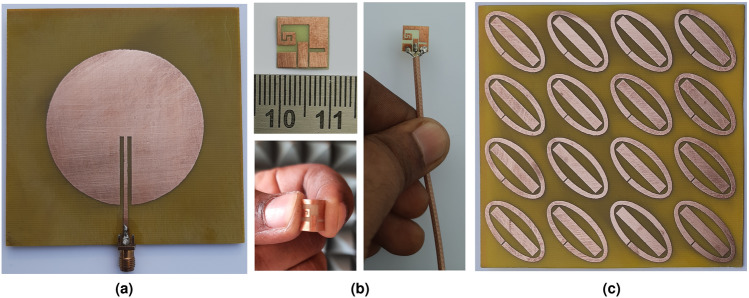 Figure 15
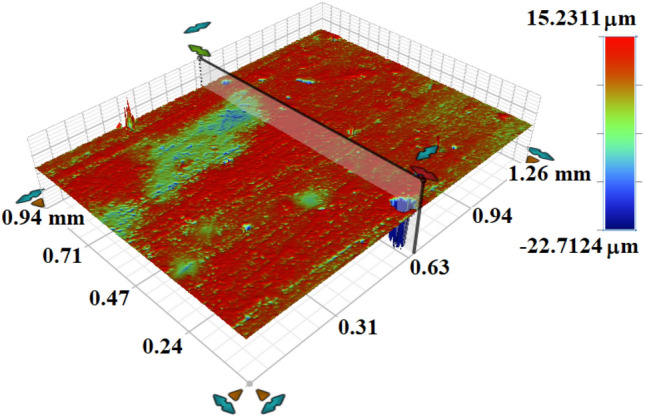 Figure 16
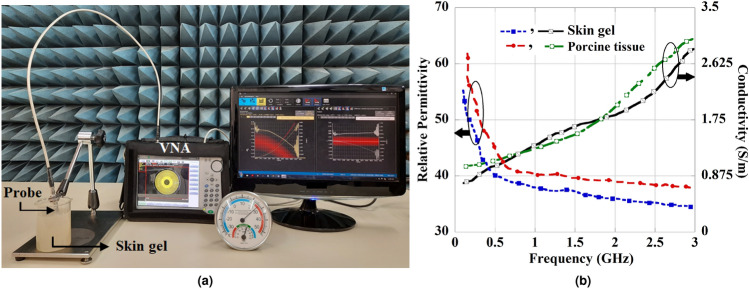 Figure 17
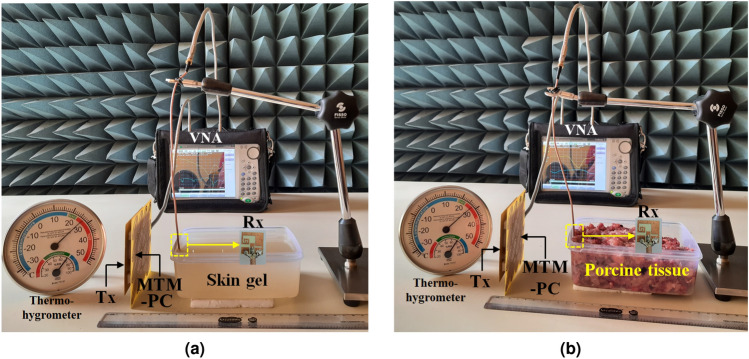 Figure 18
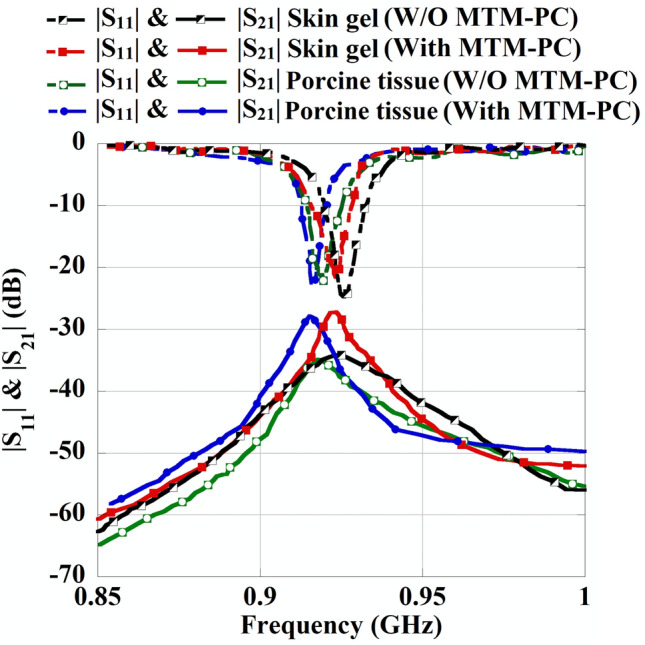 Figure 19
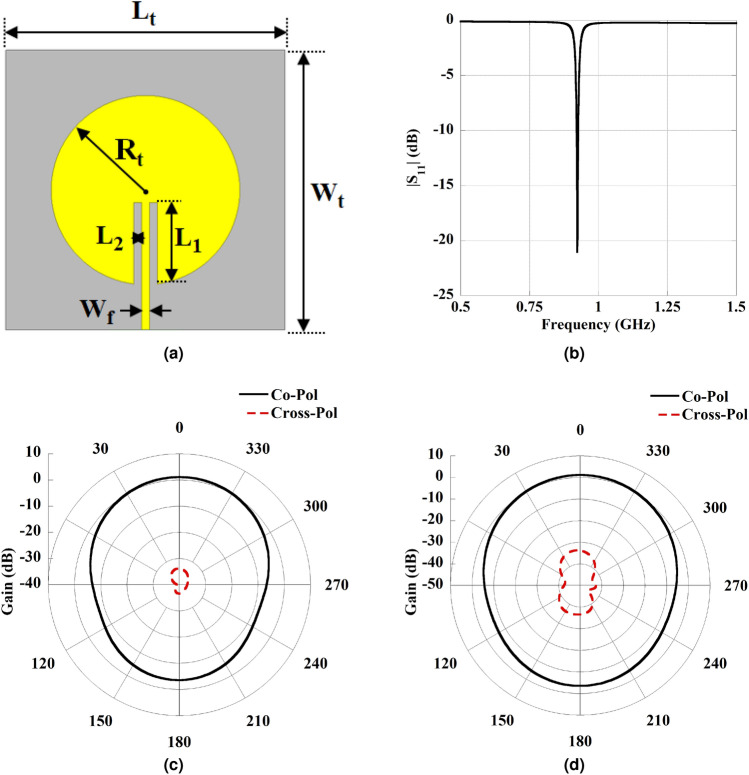 Figure 1
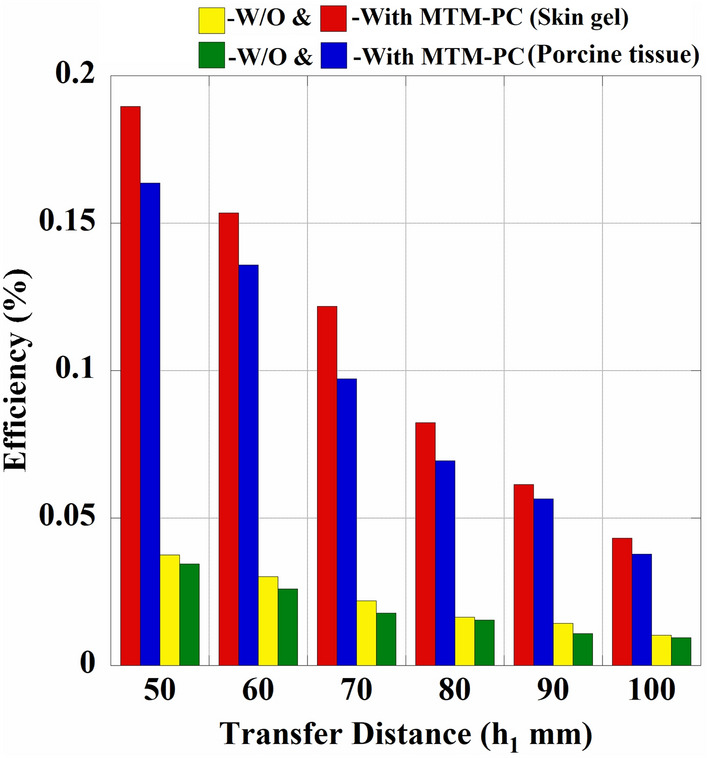 Figure 20
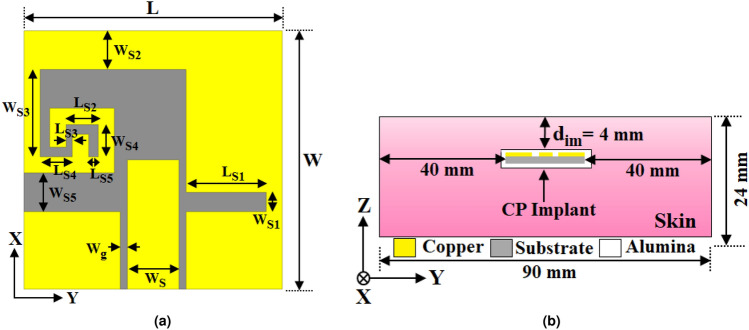 Figure 2
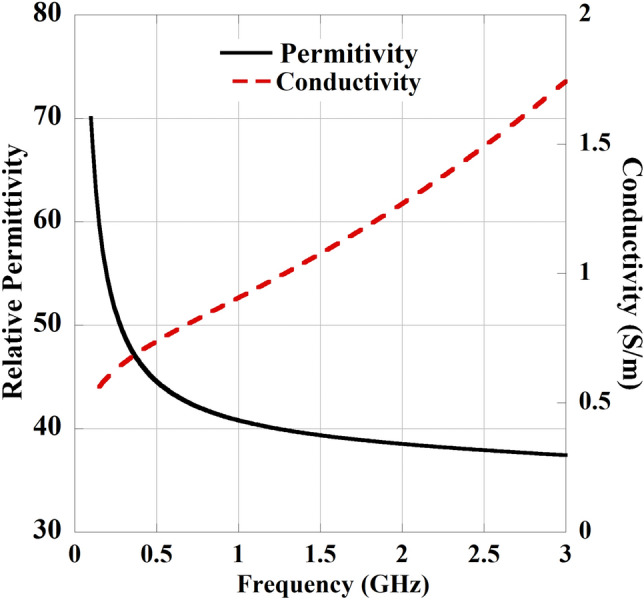 Figure 3
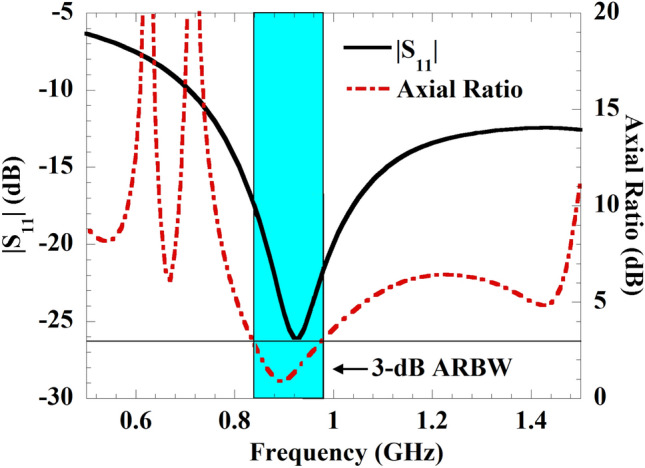 Figure 4
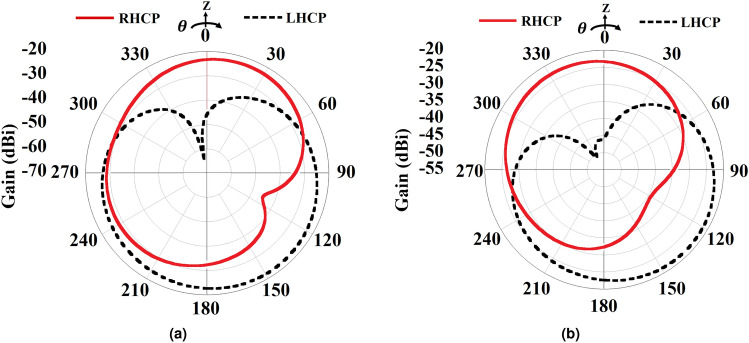 Figure 5
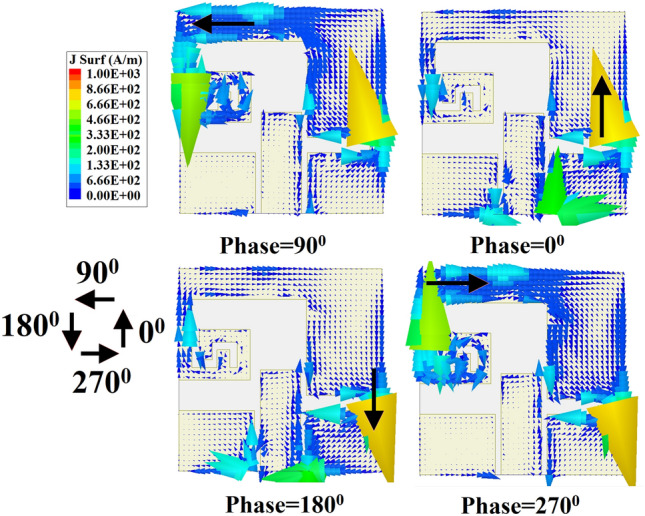 Figure 6
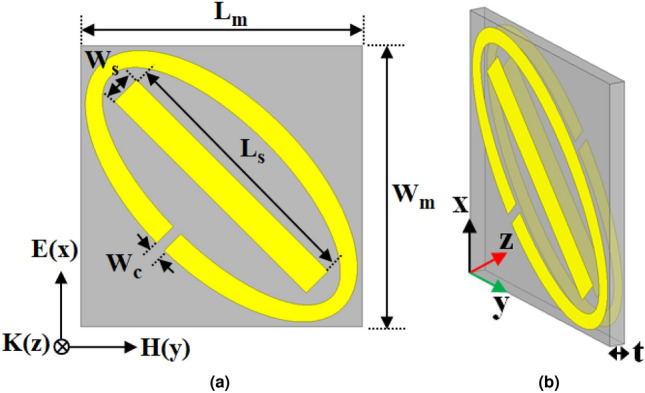 Figure 7
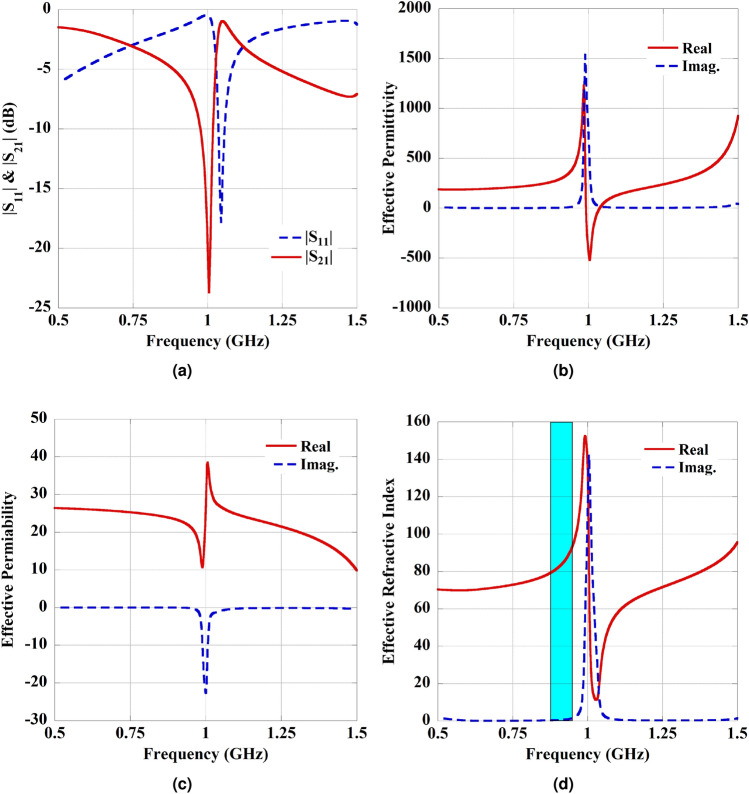 Figure 8
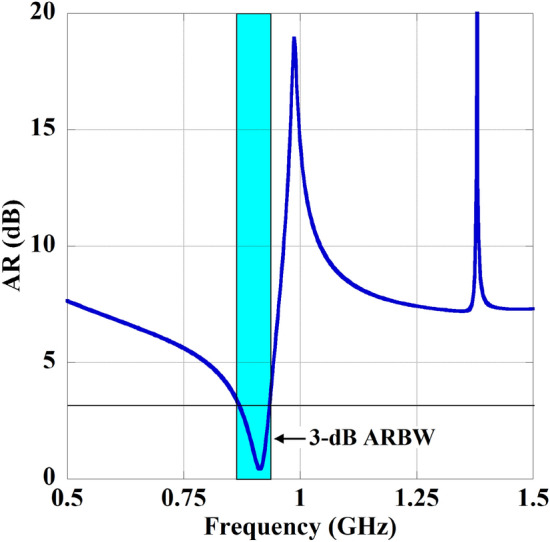 Figure 9
Peer Reviews
No public reviews on file for this paper yet. If you reviewed it on a platform where reviews are public (OpenReview, ICLR, NeurIPS, ICML), you can paste yours below so the community can read it here.
Videos
No videos yet. Explain this paper in a talk, walkthrough, or lecture? Add one.
Taxonomy
TopicsRadiation Effects and Dosimetry