Intrathecal Digoxin Administration During Spinal Anesthesia: A Case Report Outlining Recovery and Rehabilitation
Nicholas R Hooper, Minh Andy Doan, Derick Davis, James Morgan

TL;DR
A 24-year-old woman who accidentally received digoxin during spinal anesthesia showed significant recovery in cognition and mobility after a month of rehabilitation.
Contribution
This case report presents a rare instance of neurological recovery following accidental intrathecal digoxin administration.
Findings
The patient showed significant improvement in cognition and functional mobility after a month of rehabilitation.
The patient achieved ambulation with assistive devices following the rehabilitation program.
Abstract
This case report highlights the rehabilitation outcomes of a 24-year-old female who received inadvertent intrathecal digoxin during a routine cesarean section, leading to encephalomeningitis, vestibulocochlear neuritis, and incomplete paraplegia. Despite initial neurological deficits, the patient demonstrated significant improvement in both cognition and functional mobility during a one-month inpatient rehabilitation program, ultimately achieving ambulation with assistive devices. This case underscores the potential for rehabilitation of neurological sequela following accidental intrathecal digoxin administration.
Genes, proteins, chemicals, diseases, species, mutations and cell lines named across the full text — each resolved to its canonical identifier and authoritative record.
Click any figure to enlarge with its caption.
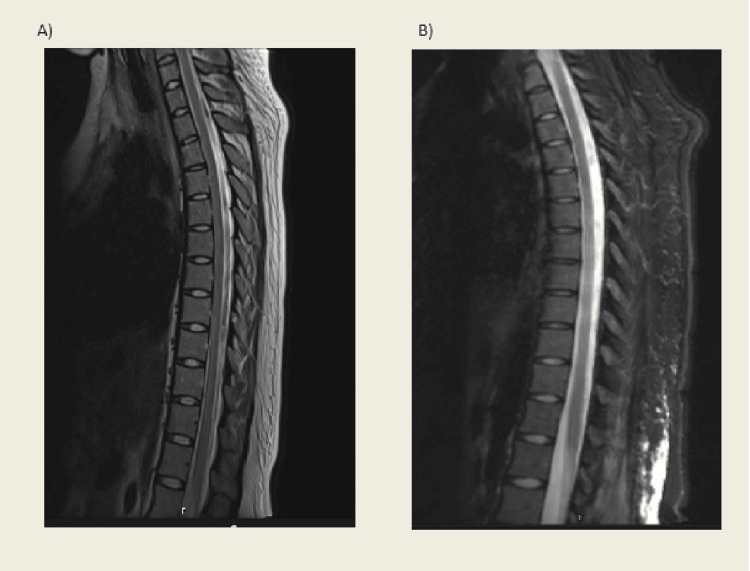 Figure 1
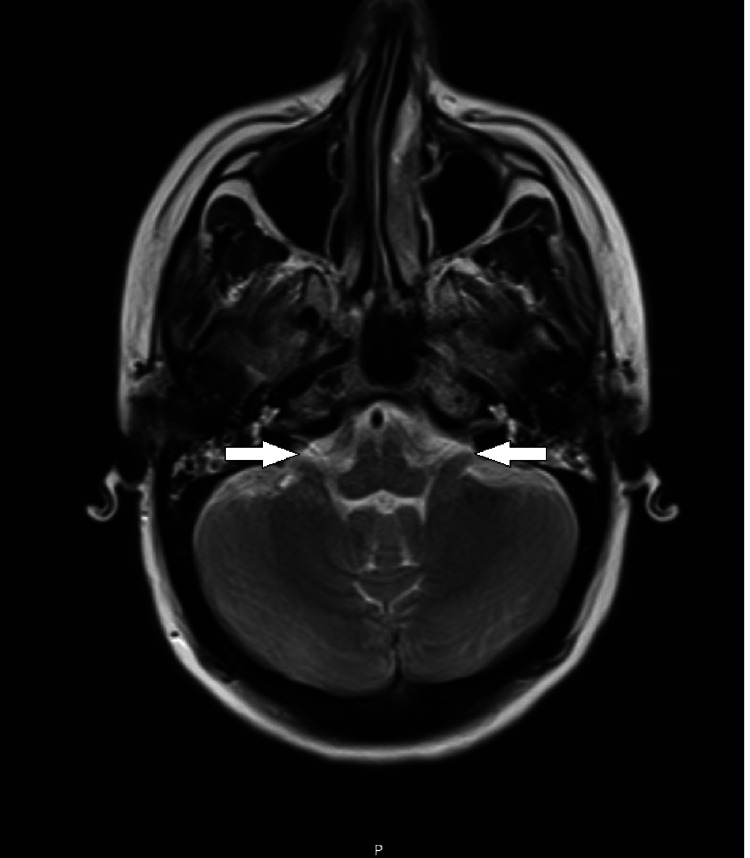 Figure 2
Peer Reviews
No public reviews on file for this paper yet. If you reviewed it on a platform where reviews are public (OpenReview, ICLR, NeurIPS, ICML), you can paste yours below so the community can read it here.
Videos
No videos yet. Explain this paper in a talk, walkthrough, or lecture? Add one.
Taxonomy
TopicsCardiovascular Syncope and Autonomic Disorders · Anesthesia and Pain Management · Pain Management and Opioid Use