Analysis of the Functional Outcome of Arthroscopic Anterior Cruciate Ligament Reconstruction Using the Central Quadriceps Tendon Graft
Ambareesh Parameshwar, Lanka Bhupati Kumar, Supreeth R Donthi, S Gurucharan, Nishanth J Reddy, Varun GBS, Vishwanath M S, Amruta Gurudatta, Mohammed Shahid

TL;DR
This study shows that using a central quadriceps tendon graft for ACL reconstruction leads to significant improvements in knee function and stability.
Contribution
The study evaluates the effectiveness of central quadriceps tendon grafts in ACL reconstruction, showing promising functional outcomes.
Findings
Patients showed significant improvement in Lysholm knee scores from 47.06 preoperatively to 93.16 six months post-surgery.
78.1% of patients achieved excellent outcomes, with knee flexion improving from 0-100° to 0-130° six months postoperatively.
Postoperative tests like Lachman and pivot shift were negative, indicating successful ACL reconstruction.
Abstract
Introduction: Anterior cruciate ligament (ACL) injuries are common, particularly among athletes, and often result in knee instability and decreased functionality. Arthroscopic ACL reconstruction is the standard treatment, typically using a patellar tendon bone graft (PTBG) or hamstring tendon graft (HTG). The central quadriceps tendon graft (QTG) has been proposed as a superior alternative due to its structural properties. Methodology: This study involved patients undergoing ACL reconstruction using the central quadriceps tendon graft. Functional outcomes were assessed using the Tegner Lysholm knee score were assessed at preoperative and postoperative intervals of two weeks, three months, and six months. Statistical analysis compared these scores over time. Results: Among the subjects, 90.6% were male and 9.4% were female. Injuries primarily resulted from sports activities and road…
Genes, proteins, chemicals, diseases, species, mutations and cell lines named across the full text — each resolved to its canonical identifier and authoritative record.
Click any figure to enlarge with its caption.
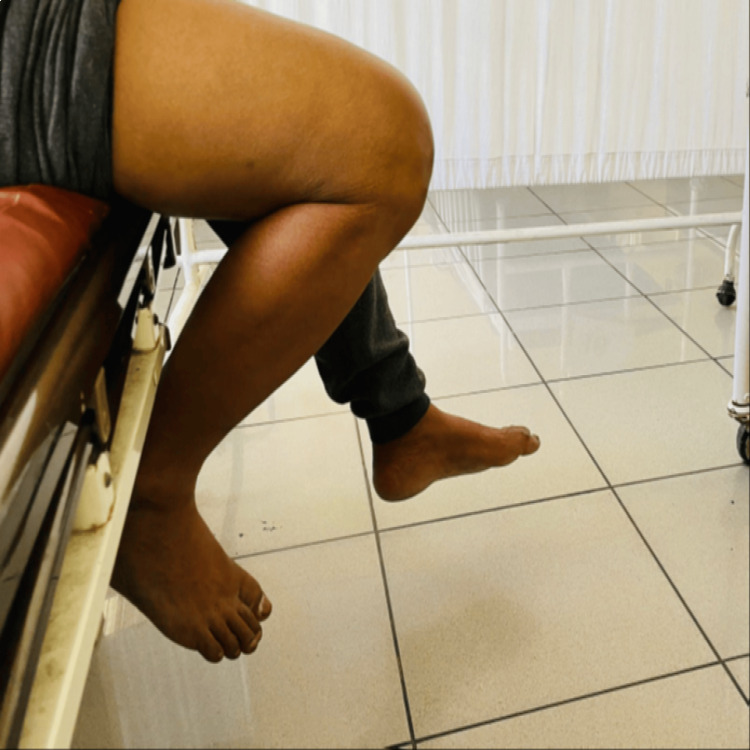 Figure 1
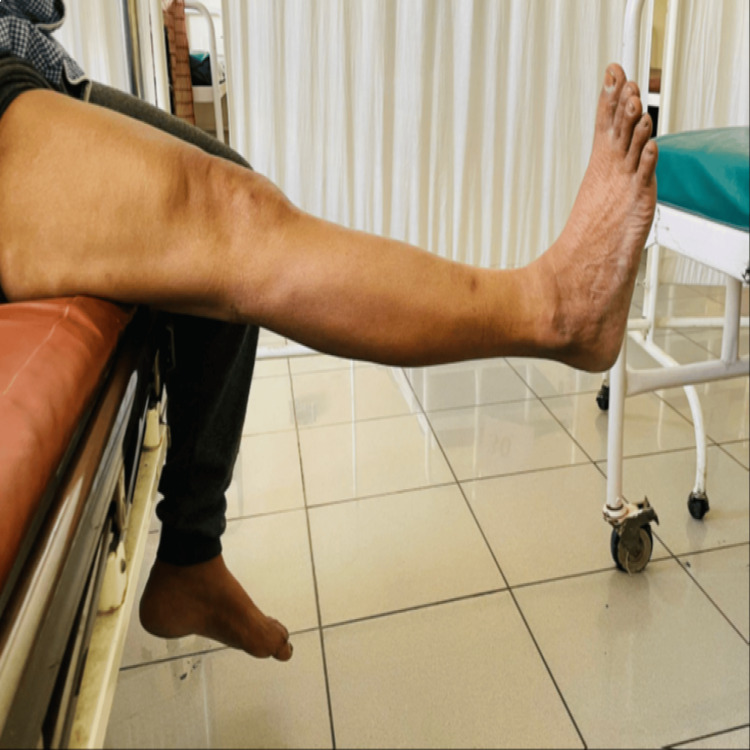 Figure 2
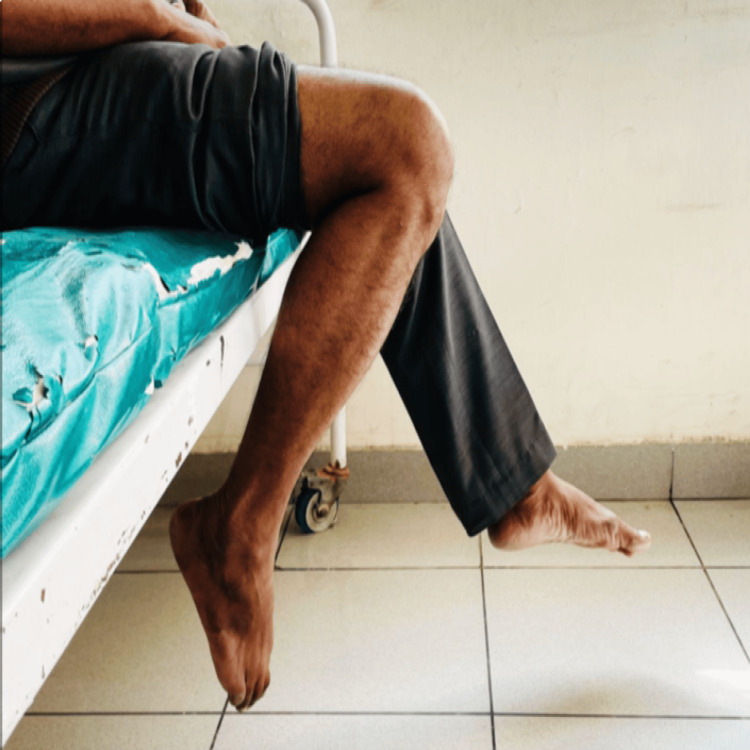 Figure 3
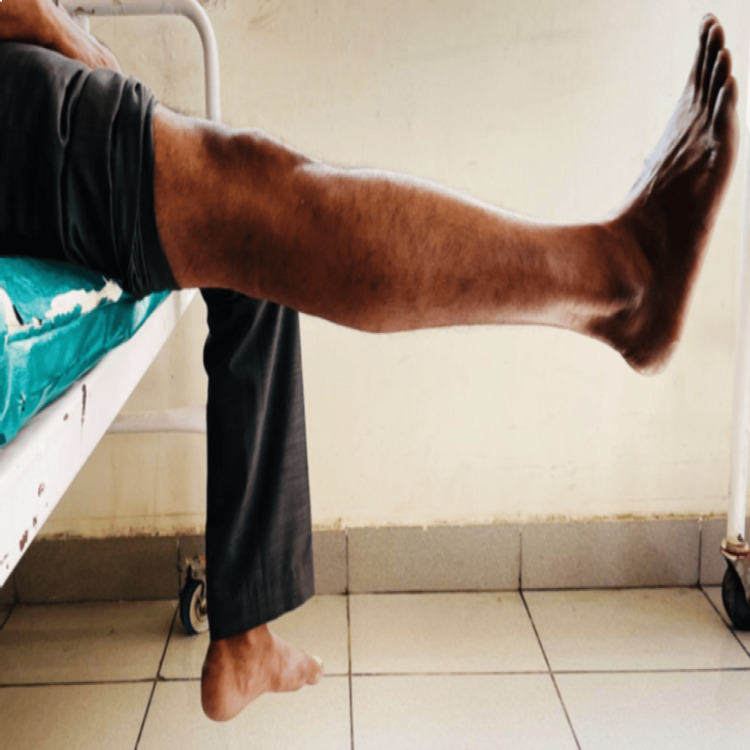 Figure 4
Peer Reviews
No public reviews on file for this paper yet. If you reviewed it on a platform where reviews are public (OpenReview, ICLR, NeurIPS, ICML), you can paste yours below so the community can read it here.
Videos
No videos yet. Explain this paper in a talk, walkthrough, or lecture? Add one.
Taxonomy
TopicsKnee injuries and reconstruction techniques · Tendon Structure and Treatment · Lower Extremity Biomechanics and Pathologies