Understanding the epidemiology of iNTS disease in Africa in preparation for future iNTS- vaccine studies in endemic countries: Seroepidemiology in Africa of iNTS (SAiNTS) Study Protocol [Version 9.0]
Helen Dale, Esmeda Chirwa, Priyanka Patel, Georgina Makuta, Felistas Mwakiseghile, Theresa Misiri, Innocent Kadwala, Maurice Mbewe, Happy Banda, Niza Silungwe, Kenneth Chizani, Paul Kambiya, Marc Henrion, Neil French, Tonny Nyirenda, Melita Gordon, Virginie Stévenin

TL;DR
This study aims to understand how children in Africa develop immunity to a type of Salmonella infection, and how factors like malaria and malnutrition affect this, to help design better vaccines and control strategies.
Contribution
The study introduces a large-scale seroepidemiological protocol to investigate immune responses to invasive NTS in children, integrated with malaria vaccine trial data.
Findings
The study will measure age-specific antibody acquisition to Salmonella serovars in children.
It will assess the impact of malaria vaccination on NTS immunity in a high-risk population.
Data on risk factors like malaria and malnutrition will be linked to immune responses and disease outcomes.
Abstract
Background: Non-typhoidal Salmonella (NTS) are a major cause of bloodstream infections amongst children in sub-Saharan Africa. A clear understanding of the seroepidemiology and correlates of protection for invasive NTS (iNTS) in relation to key risk factors (malaria, anaemia, malnutrition) in children in Africa is needed to inform strategies for disease control including vaccine implementation. Methodology: The SAiNTS study (Seroepidemiology in Africa of iNTS) is a prospective community cohort study with paired serology samples from 2500 children 0-5 years at baseline and three months to measure age-stratified acquisition of lipopolysaccharide (LPS) O-antigen antibody (IgG) and serum bactericidal activity to the main serovars causing iNTS ( Salmonella typhimurium and S. enteritidis). Children are selected from mapped and censused randomly selected households in Chikwawa, Malawi; an…
Genes, proteins, chemicals, diseases, species, mutations and cell lines named across the full text — each resolved to its canonical identifier and authoritative record.
Click any figure to enlarge with its caption.
 Figure 1
 Figure 2
 Figure 3
 Figure 4
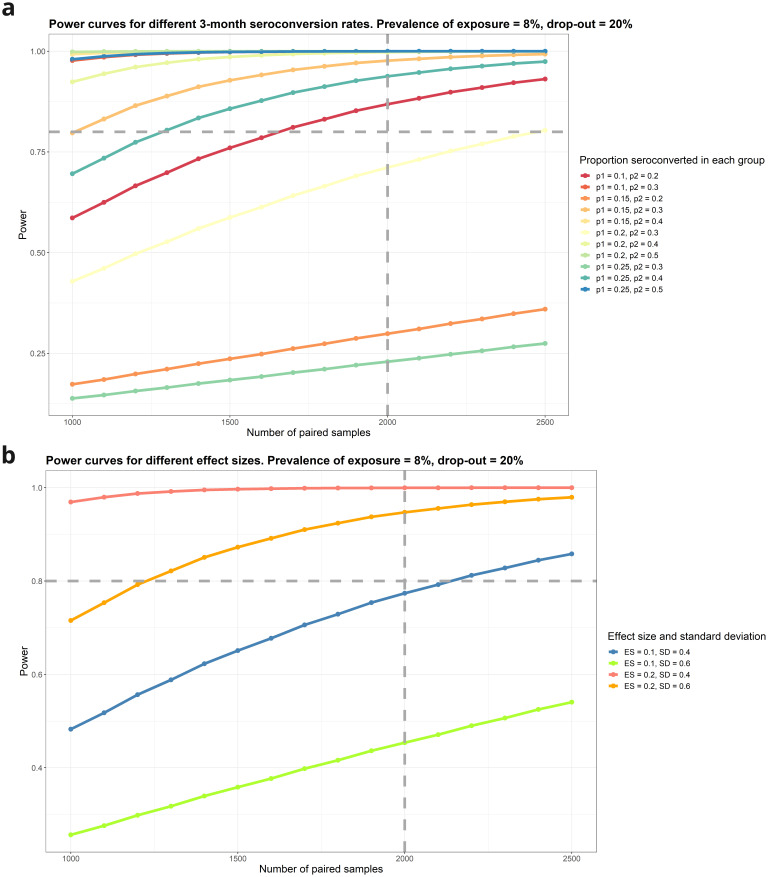 Figure 5
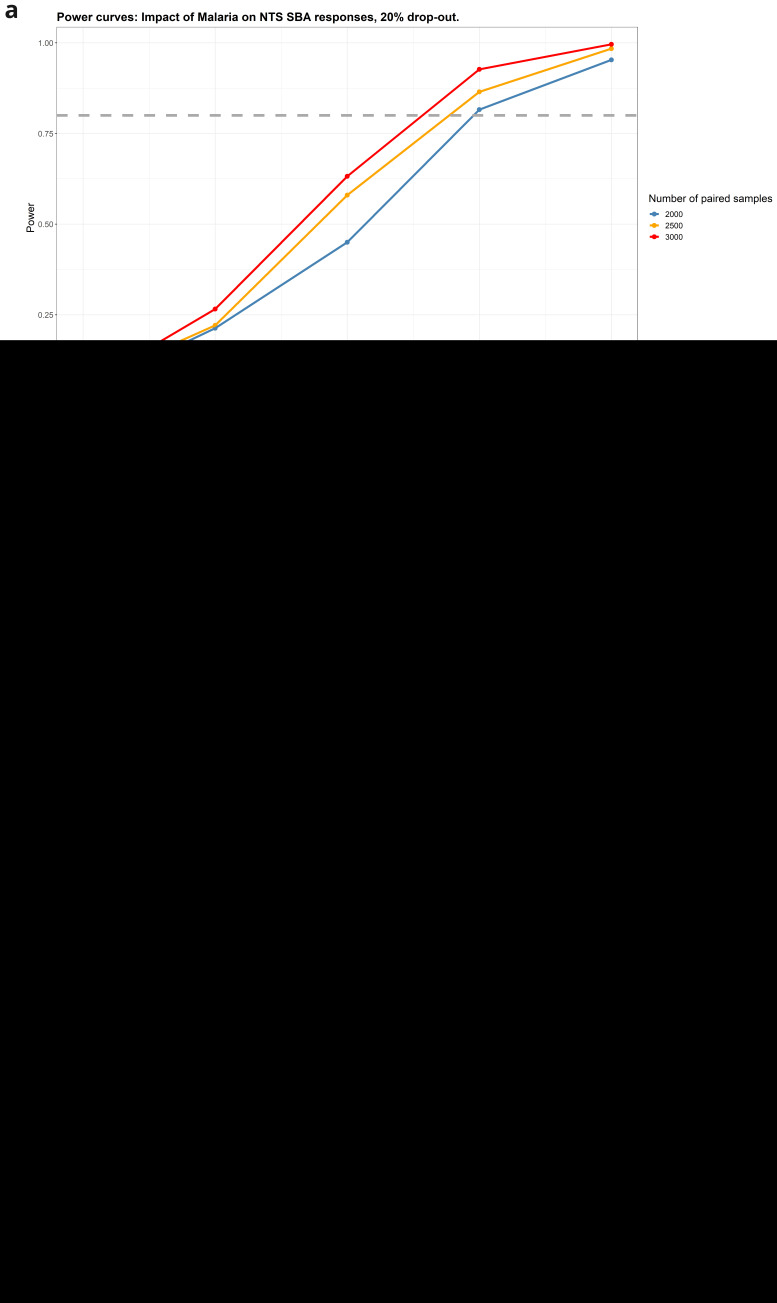 Figure 6
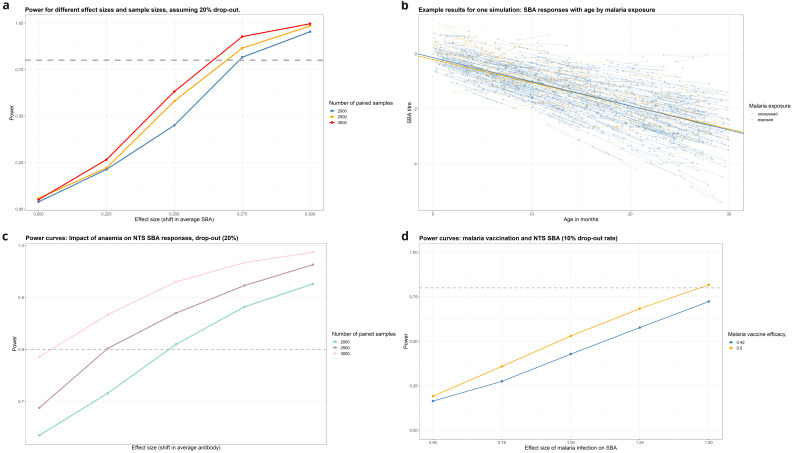 Figure 7
Peer Reviews
No public reviews on file for this paper yet. If you reviewed it on a platform where reviews are public (OpenReview, ICLR, NeurIPS, ICML), you can paste yours below so the community can read it here.
Videos
No videos yet. Explain this paper in a talk, walkthrough, or lecture? Add one.
Taxonomy
TopicsSalmonella and Campylobacter epidemiology · Viral gastroenteritis research and epidemiology · Brucella: diagnosis, epidemiology, treatment