Intracardiac Shunt Reversal and Early Right Ventricular Failure after Left Ventricular Assist Device Implantation
Ashwin Pillai, Zeina Jedeon, Jonathan Hammond, Jason Gluck, Abhishek Jaiswal

TL;DR
A patient developed right ventricular failure and a reversed heart shunt after a left ventricular assist device was implanted, highlighting the complex interactions between heart devices and intracardiac shunts.
Contribution
This case highlights the reversal of a patent foramen ovale shunt and early right ventricular failure following LVAD implantation, offering insights into device-specific hemodynamic effects.
Findings
A right-to-left shunt through a patent foramen ovale was unmasked after LVAD implantation due to early right ventricular failure.
The patient showed improved hypoxia but worsening RVF after percutaneous PFO closure.
The study outlines potential reasons for PFO-related shunting differences between LVAD and Impella pump use.
Abstract
Right ventricular failure (RVF) is a common complication that occurs after a left ventricular assist device (LVAD) is implanted. We report an interesting case of severe and refractory hypoxia during the early postoperative period after HeartMate3 (HM3) (Abbott Laboratories, Lake Forest, IL) implantation resulting in the unmasking of a right-to-left intracardiac shunt through a patent foramen ovale (PFO), triggered by early RVF. Importantly, the patient had a small left-to-right shunt after receiving a left-sided Impella 5.5 micro-axial pump (Abiomed, Danvers, MA, USA) pre-LVAD implantation. We observed improved hypoxia but worsening RVF after percutaneous PFO closure, necessitating right-sided mechanical circulatory support. We outline potential reasons for the significant PFO-related shunting seen after HM3 implantation, but not after Impella 5.5 placement. Uncertainty exists regarding…
Genes, proteins, chemicals, diseases, species, mutations and cell lines named across the full text — each resolved to its canonical identifier and authoritative record.
Click any figure to enlarge with its caption.
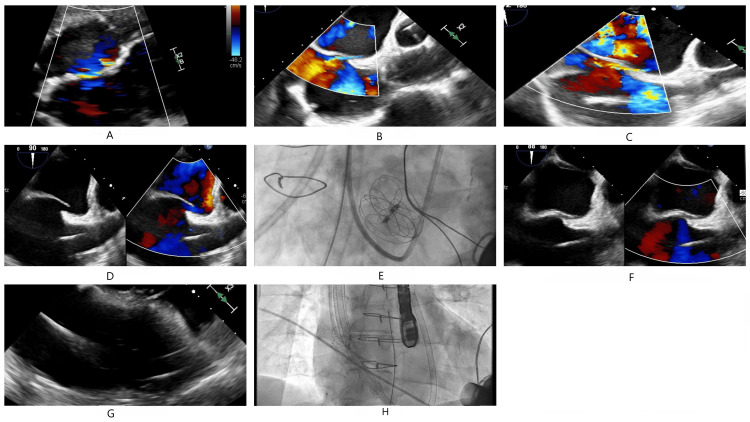 Figure 1
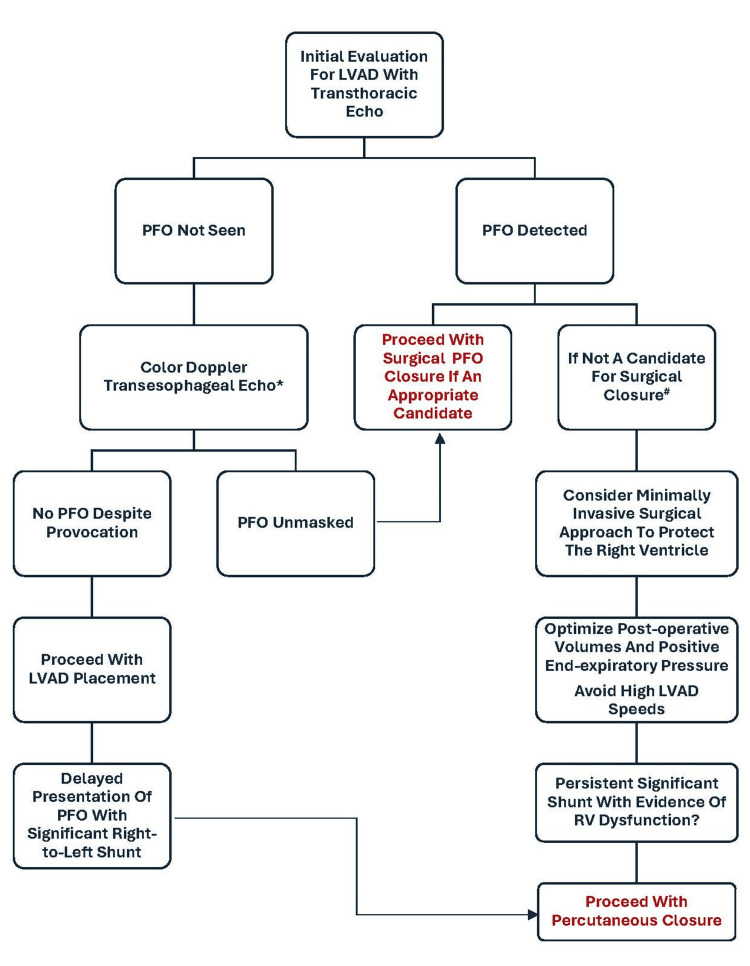 Figure 2
Peer Reviews
No public reviews on file for this paper yet. If you reviewed it on a platform where reviews are public (OpenReview, ICLR, NeurIPS, ICML), you can paste yours below so the community can read it here.
Videos
No videos yet. Explain this paper in a talk, walkthrough, or lecture? Add one.
Taxonomy
TopicsMechanical Circulatory Support Devices · Cardiac Structural Anomalies and Repair · Cardiovascular and Diving-Related Complications