A Vesicocutaneous Fistula Treated With Urinary Diversion, Negative Pressure Wound Therapy, and Time
Adham Al-Hajj, Wassim Hamze, Georgio El Koubayati, Fady Haddad, Antoine Noujeim

TL;DR
A 38-year-old patient with a bladder injury was successfully treated using non-surgical methods like urinary diversion and negative pressure therapy.
Contribution
The paper presents a successful non-surgical treatment approach for a complex bladder fistula.
Findings
Urinary diversion and negative pressure therapy resolved the fistula without further surgery.
The patient achieved full clinical and radiological recovery.
Non-surgical techniques can be effective for persistent bladder leaks.
Abstract
A 38-year-old motor vehicle accident victim presented for acute urinary retention due to a clogged Foley catheter, which was inserted two weeks prior during surgery for pelvic and spine fixation and extra-peritoneal bladder rupture. Imaging studies revealed persistent bladder leaks despite primary and, later, secondary surgical repair. A combination of novel non-surgical techniques, that is, urinary diversion, negative pressure dressings, and waiting proved beneficial in our case, and led ultimately to complete clinical and radiological resolution of the fistula.
Genes, proteins, chemicals, diseases, species, mutations and cell lines named across the full text — each resolved to its canonical identifier and authoritative record.
Click any figure to enlarge with its caption.
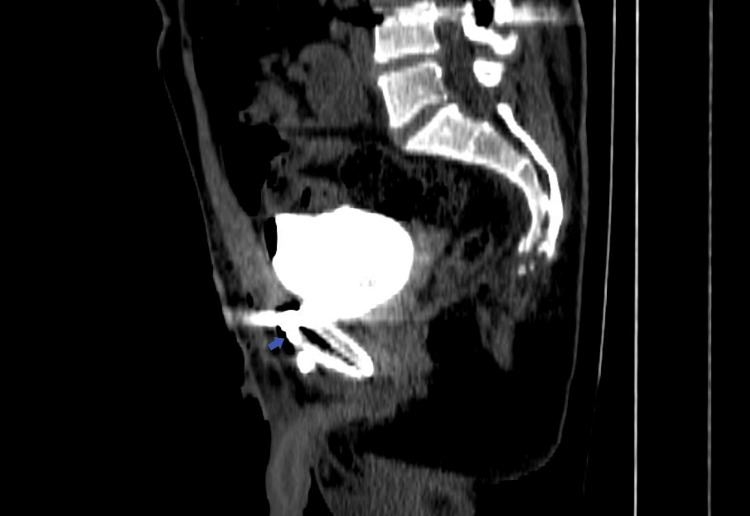 Figure 1
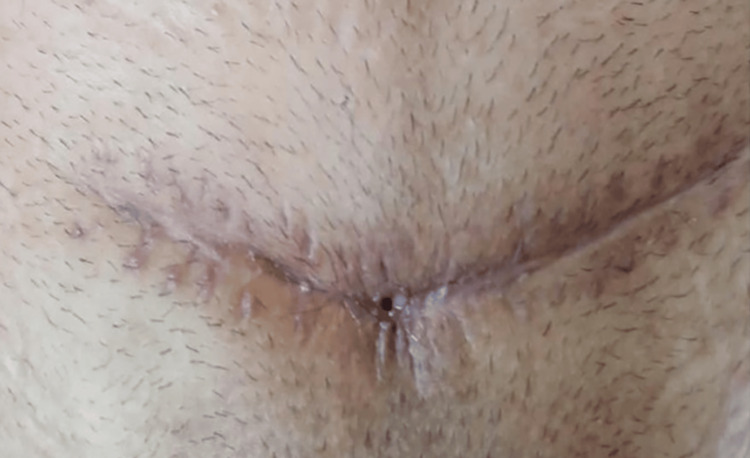 Figure 2
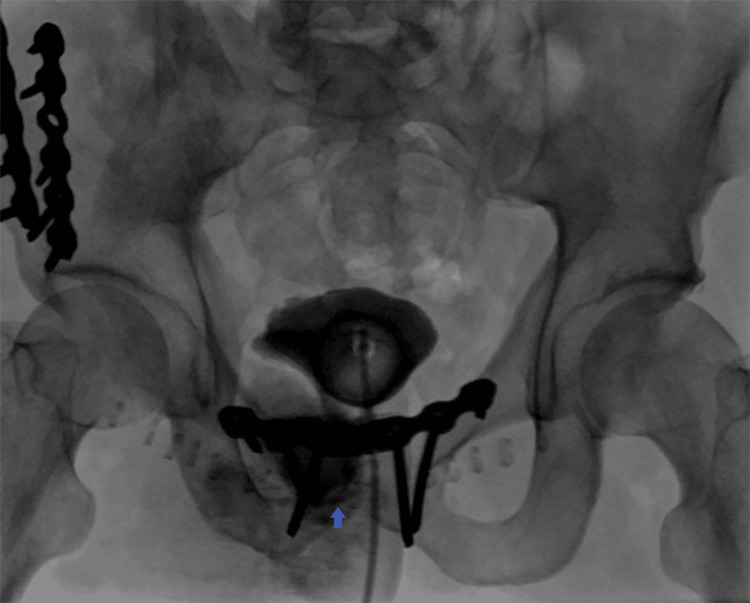 Figure 3
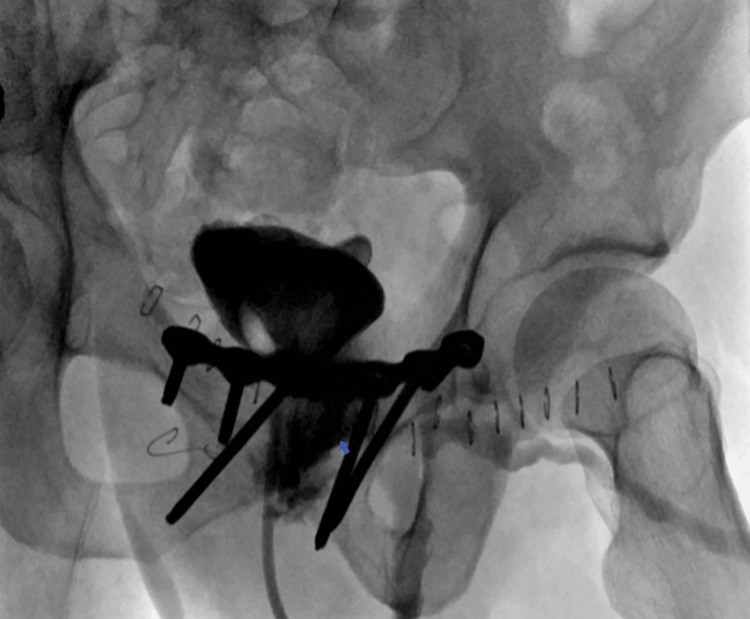 Figure 4
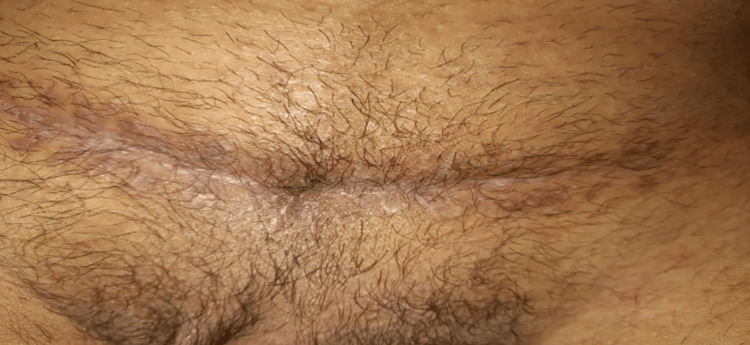 Figure 5
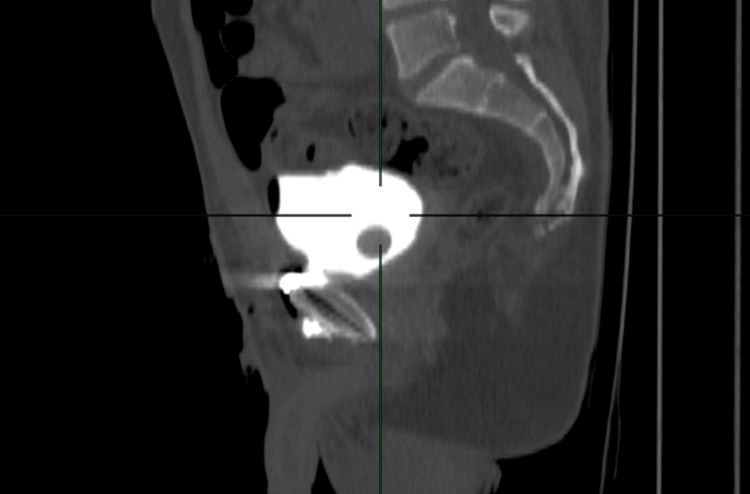 Figure 6
Peer Reviews
No public reviews on file for this paper yet. If you reviewed it on a platform where reviews are public (OpenReview, ICLR, NeurIPS, ICML), you can paste yours below so the community can read it here.
Videos
No videos yet. Explain this paper in a talk, walkthrough, or lecture? Add one.
Taxonomy
TopicsUreteral procedures and complications · Urological Disorders and Treatments · Infectious Disease Case Reports and Treatments