Preliminary study of a new magnetic compression technique for circumcision in dogs: An experimental animal model
Miaomiao Zhang, Linxin Shen, Kaihua Xue, Aihua Shi, Yanfeng Gao, Yi Lyu, Xiaopeng Yan

TL;DR
This study tested a new magnetic compression method for dog circumcision, showing it is feasible and effective with minimal complications.
Contribution
The study introduces a novel magnetic compression technique for canine circumcision with potential applications in humans.
Findings
Magnetic rings were successfully installed in all eight dogs without complications.
The foreskin stump healed well after the magnetic rings spontaneously fell off 8–12 days post-operation.
Postoperative X-rays confirmed good attraction of the magnetic rings during the healing process.
Abstract
Traditional/ritual/medical circumcision can be associated with considerable intraoperative blood loss and a prolonged postoperative healing course. This study investigated the feasibility of the magnetic compression technique (MCT) for circumcision in beagle dogs. A set of magnetic rings including a daughter magnetic ring (DMR) and a parent magnetic ring (PMR) were designed for circumcision. In eight beagle dogs as the animal model, the DMR was placed between the penis and the foreskin through the glans, and then the PMR was placed outside the penis. The DMR and PMR automatically attracted together to compress the foreskin. The necrosis of the prepuce of the anterior penis was observed daily. The operation time and time to magnetic ring shedding were recorded. Healing of the foreskin stump was visually observed. The magnetic rings were successfully installed in all eight dogs, and the…
Genes, proteins, chemicals, diseases, species, mutations and cell lines named across the full text — each resolved to its canonical identifier and authoritative record.
Click any figure to enlarge with its caption.
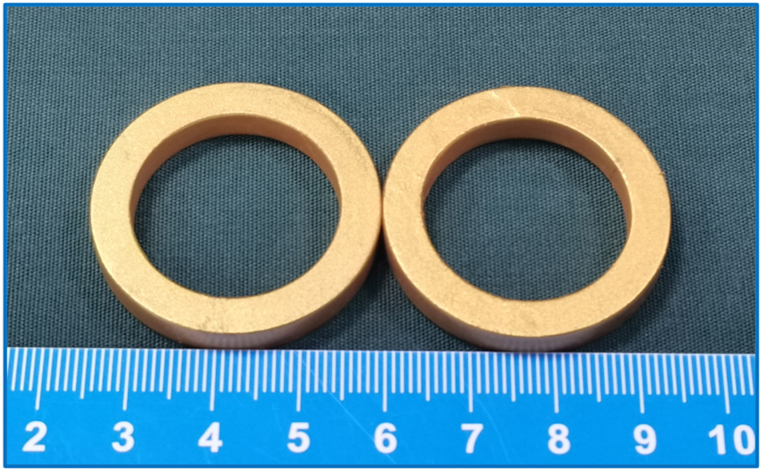 Figure 1
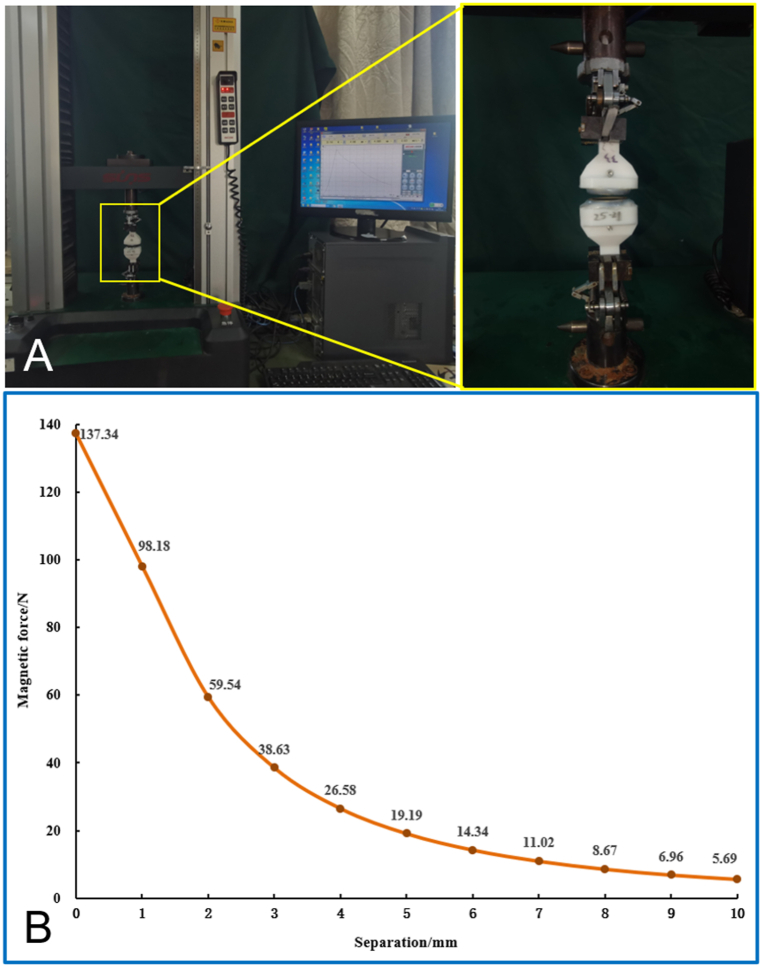 Figure 2
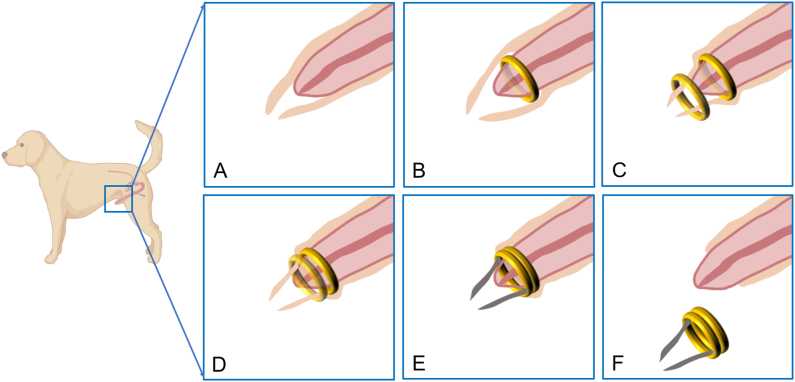 Figure 3
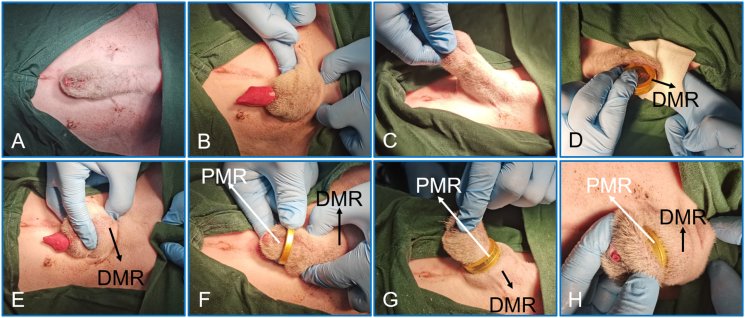 Figure 4
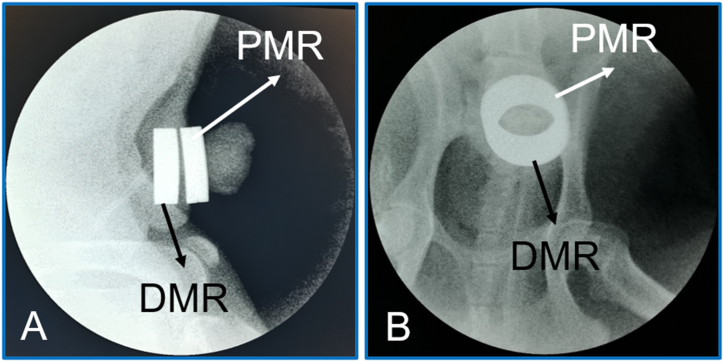 Figure 5
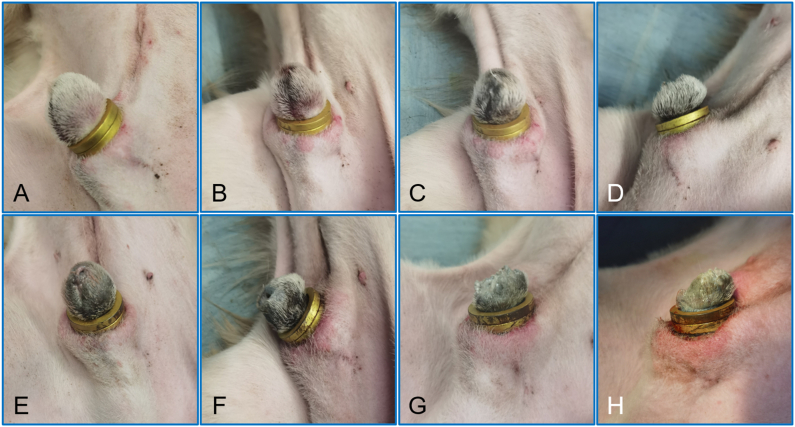 Figure 6
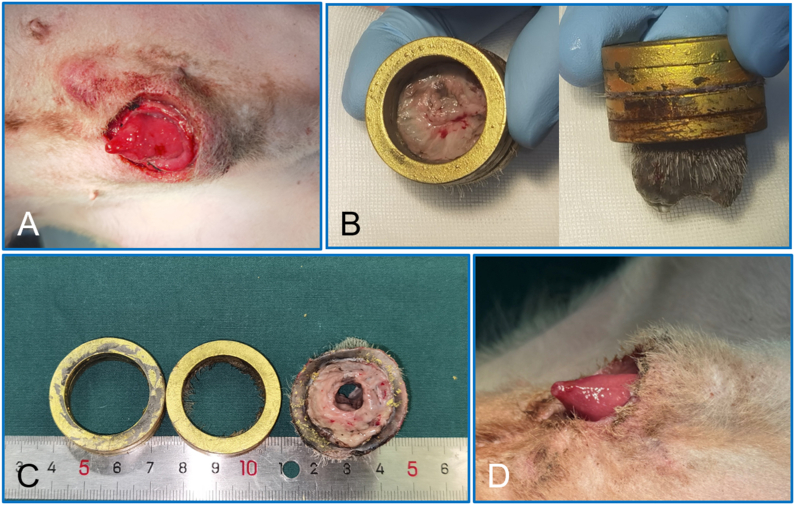 Figure 7
Peer Reviews
No public reviews on file for this paper yet. If you reviewed it on a platform where reviews are public (OpenReview, ICLR, NeurIPS, ICML), you can paste yours below so the community can read it here.
Videos
No videos yet. Explain this paper in a talk, walkthrough, or lecture? Add one.
Taxonomy
TopicsGenital Health and Disease · Urological Disorders and Treatments · Urologic and reproductive health conditions