The potential of residual clinical Group B Streptococcus swabs for assessing the vaginorectal microbiome in late pregnancy
Laura K. Boelsen, Melanie J. Williams, Yeukai TM. Mangwiro, Herah Hansji, Anna Czajko, Vanessa Marcelino, Samuel Forster, Joanne M. Said, Catherine Satzke, Richard Saffery

TL;DR
This study shows that leftover swabs used for Group B Streptococcus screening in late pregnancy can reliably provide data on the maternal microbiome, offering a practical way to study pregnancy health outcomes.
Contribution
The study demonstrates that residual clinical swabs can be used for microbiome research without additional sampling, enabling large-scale pregnancy studies.
Findings
Residual clinical swabs stored at 4°C for 7–10 days retained microbiome profiles consistent with published studies.
Research swabs stored at 4°C showed minimal microbiota changes over ten days, unlike those stored at room temperature.
Residual clinical swabs are a reliable source for studying the late pregnancy microbiome.
Abstract
The maternal pregnancy microbiome (including genitourinary and gut) has been linked to important pregnancy/birth and later childhood health outcomes. However, such sampling as part of large population cohort studies is logistically and financially challenging. Many countries routinely collect vaginal or vaginal-rectal swabs in late pregnancy for Group B Streptococcus (GBS) screening, but their utility for population-based research is still unclear. As part of planning for the Generation Victoria population-based cohort study beginning in pregnancy, we assessed the utility and reliability of residual clinical GBS vaginal/vaginal-rectal swabs for generating late pregnancy microbiome data. We carried out a two-phased pilot study. Phase one assessed the level of microbial diversity apparent in ‘residual’ clinical vaginal/vaginal-rectal swabs post clinical testing and storage for 7–10 days…
Genes, proteins, chemicals, diseases, species, mutations and cell lines named across the full text — each resolved to its canonical identifier and authoritative record.
Click any figure to enlarge with its caption.
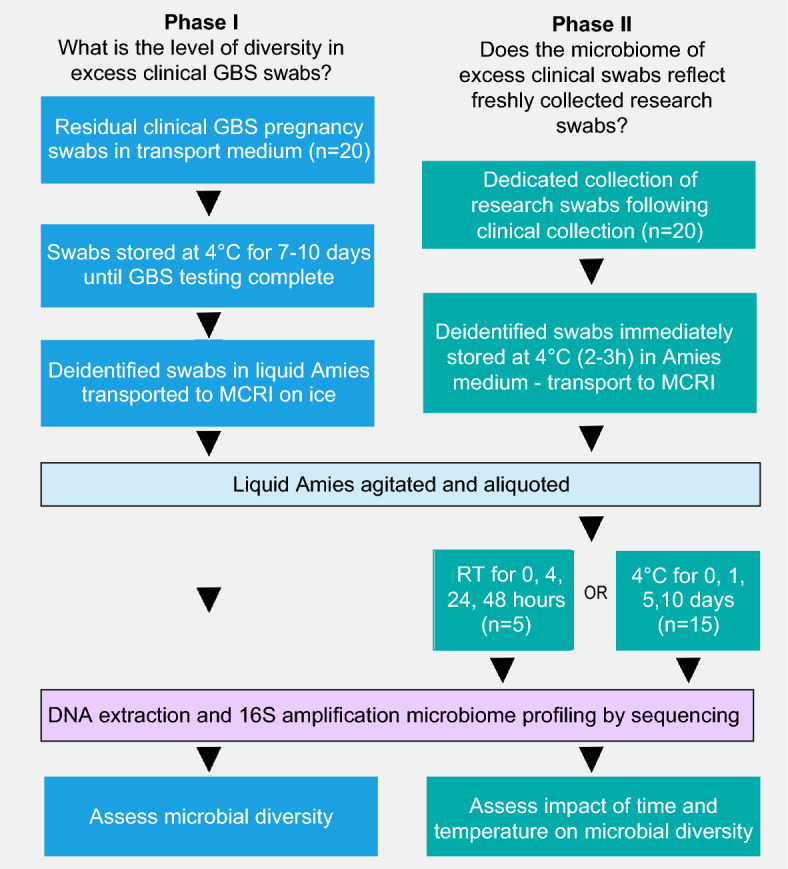 Figure 1
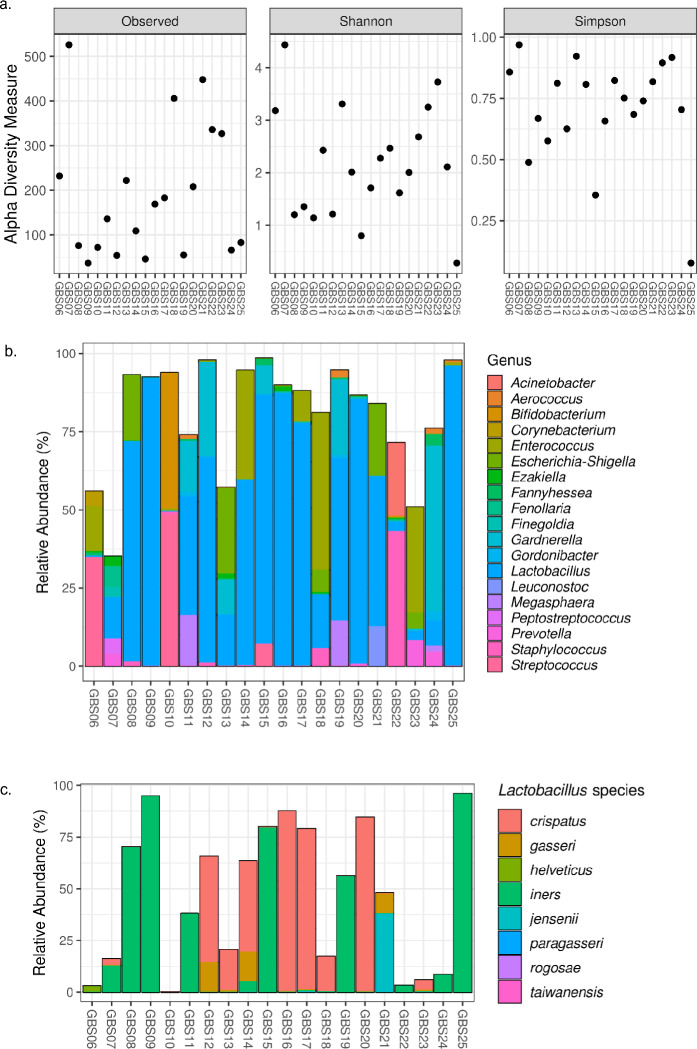 Figure 2
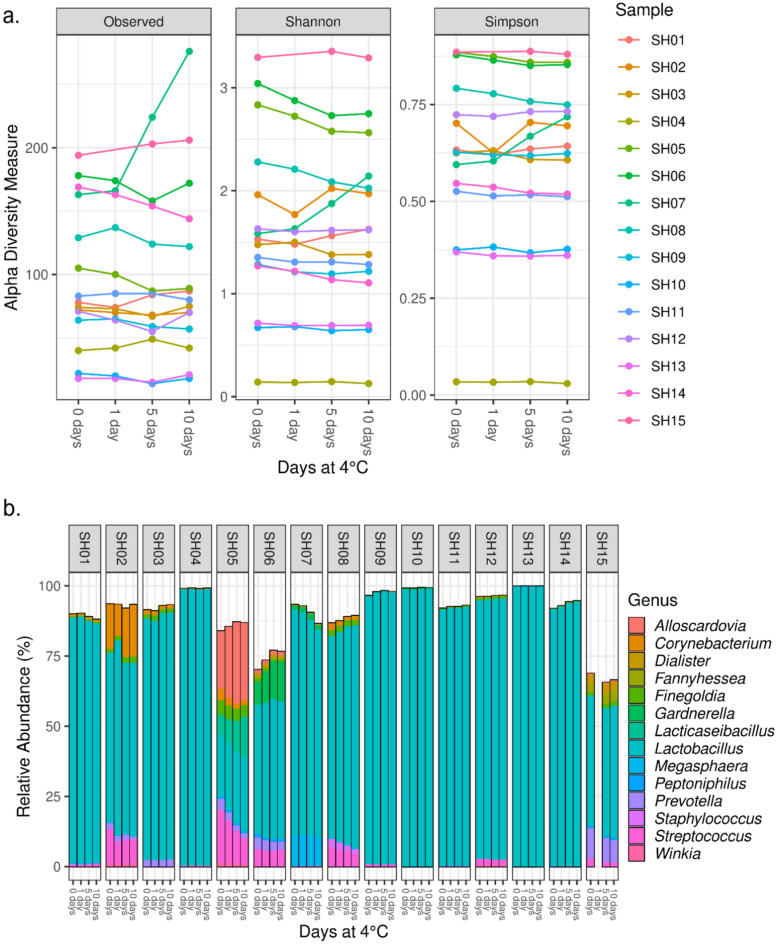 Figure 3
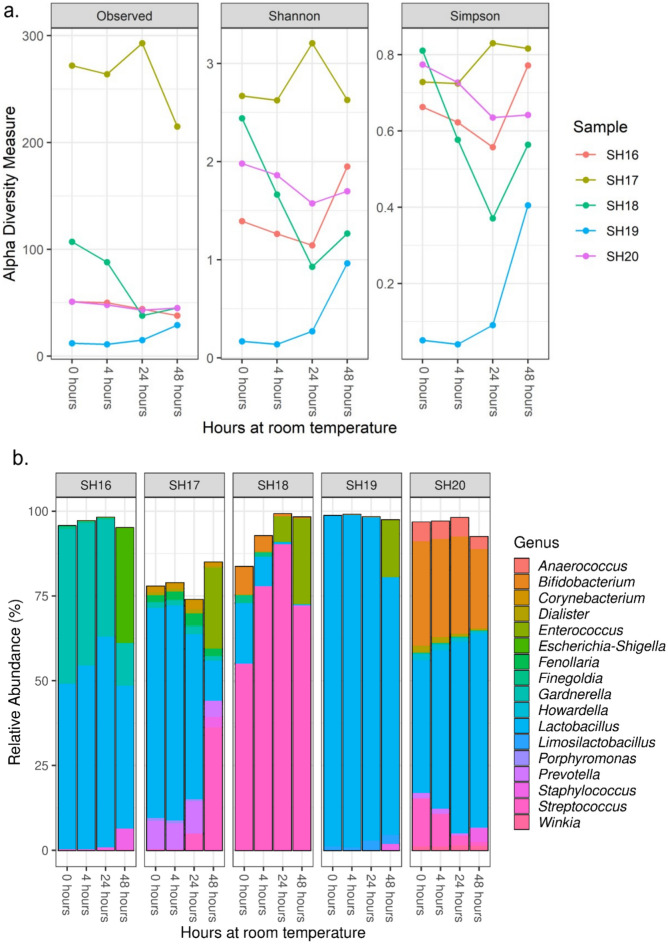 Figure 4
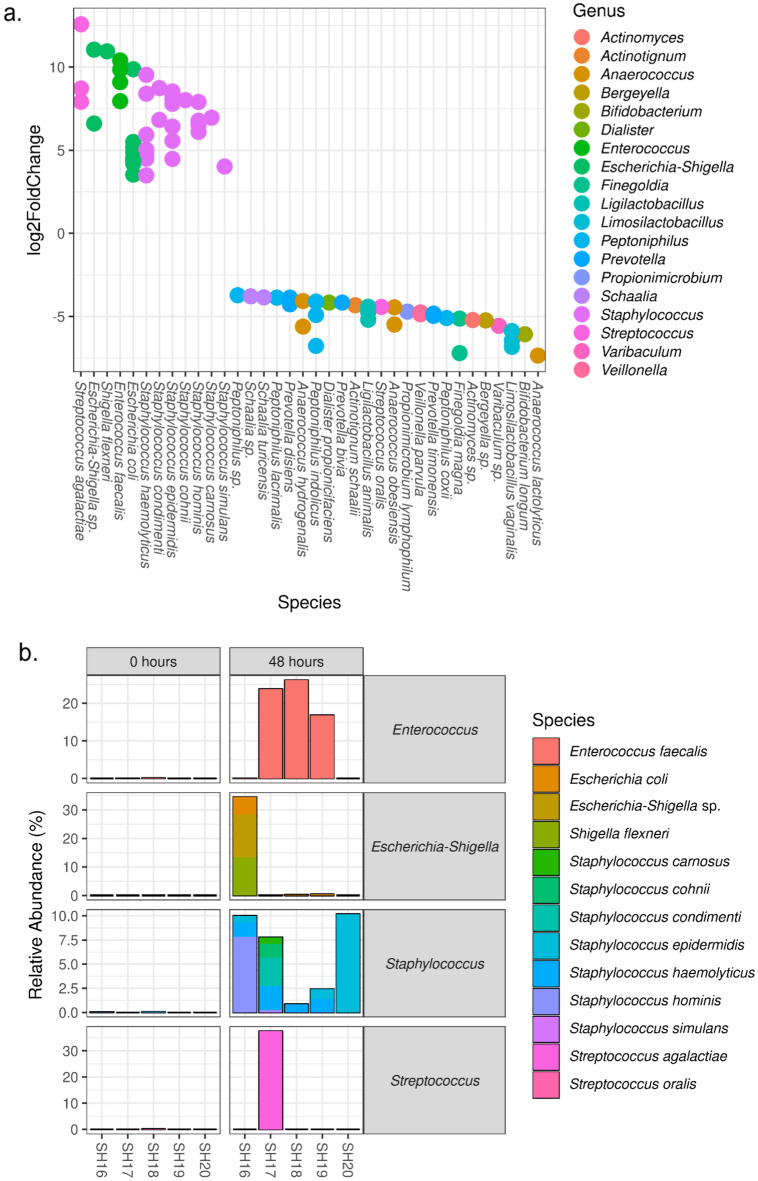 Figure 5
Peer Reviews
No public reviews on file for this paper yet. If you reviewed it on a platform where reviews are public (OpenReview, ICLR, NeurIPS, ICML), you can paste yours below so the community can read it here.
Videos
No videos yet. Explain this paper in a talk, walkthrough, or lecture? Add one.
Taxonomy
TopicsNeonatal and Maternal Infections · Reproductive tract infections research · Gut microbiota and health