Exact dynamical black hole solutions in five or higher dimensions
Bardia H. Fahim, A. M. Ghezelbash

TL;DR
The paper presents new black hole solutions in higher dimensions with a dilaton field and varying cosmological constants.
Contribution
The novelty is constructing non-stationary black hole solutions with arbitrary coupling constants in higher-dimensional Einstein–Maxwell theory.
Findings
Three distinct classes of solutions are found based on coupling constants.
Solutions can be asymptotically de-Sitter, anti-de-Sitter, or flat.
The solutions are non-stationary and conformally regular.
Abstract
We construct new classes of the dynamical black hole solutions in five or higher dimensional Einstein–Maxwell theory, coupled to a dilaton field, in the presence of an arbitrary cosmological constant. The dilaton field interacts non-trivially with the Maxwell field, as well as the cosmological constant, with two arbitrary coupling constants. The solutions are non-stationary, and almost conformally regular everywhere. To construct the solutions, we use the four-dimensional Bianchi type IX geometry, as the base space. We find three different classes of solutions, based on the values of the coupling constants. We notice that our solutions could be asymptotically de-Sitter, anti-de-Sitter or flat. We find the relevant quantities of the solutions, and discuss the properties of the solutions.
Genes, proteins, chemicals, diseases, species, mutations and cell lines named across the full text — each resolved to its canonical identifier and authoritative record.
Click any figure to enlarge with its caption.
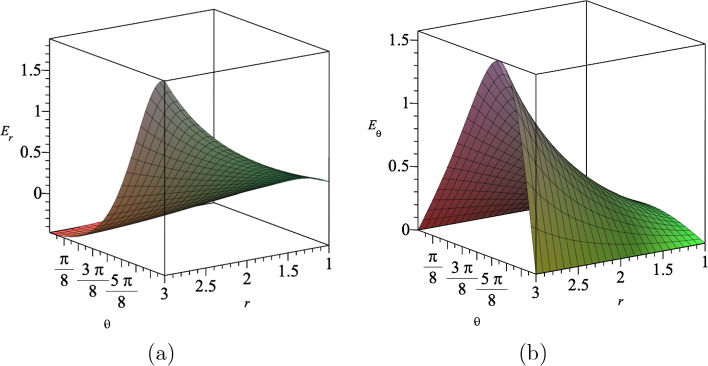 Figure 10
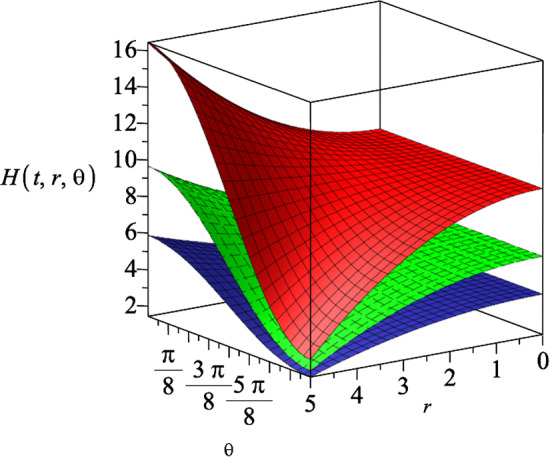 Figure 11
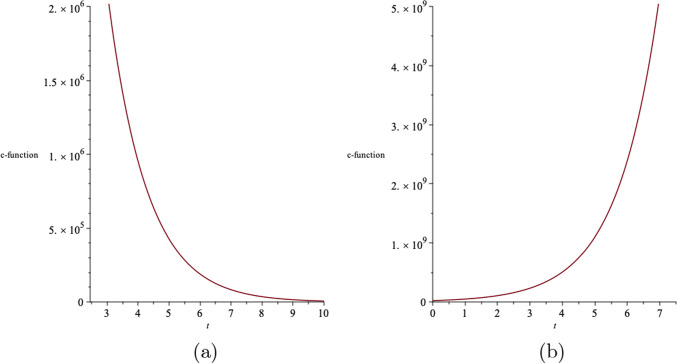 Figure 12
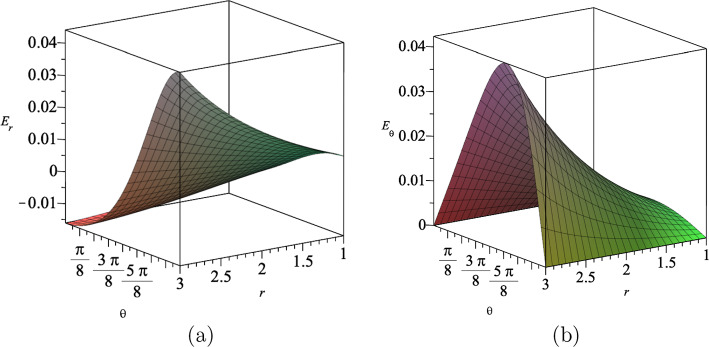 Figure 13
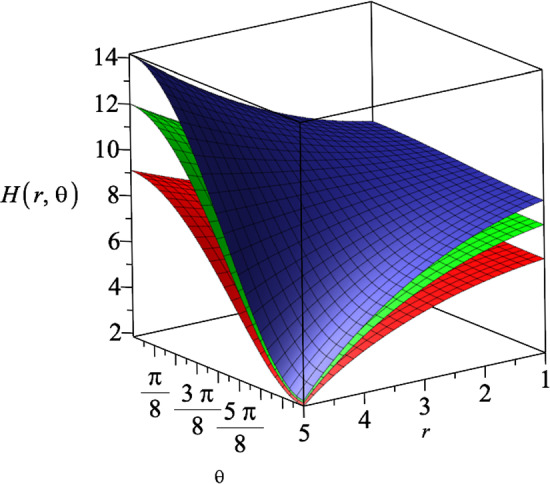 Figure 1
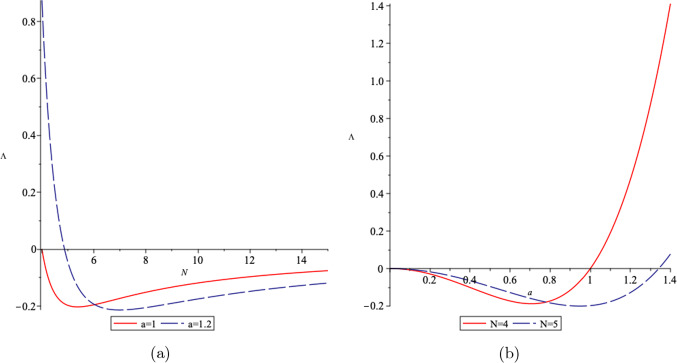 Figure 2
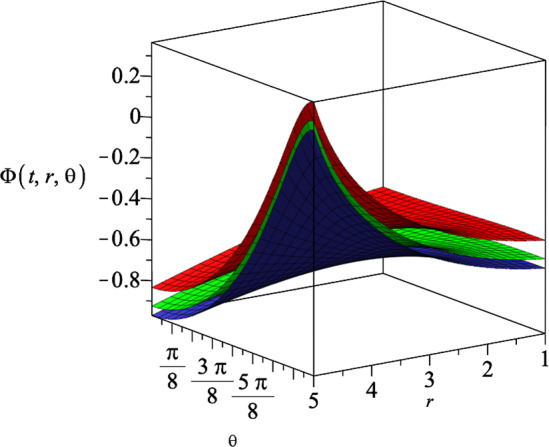 Figure 3
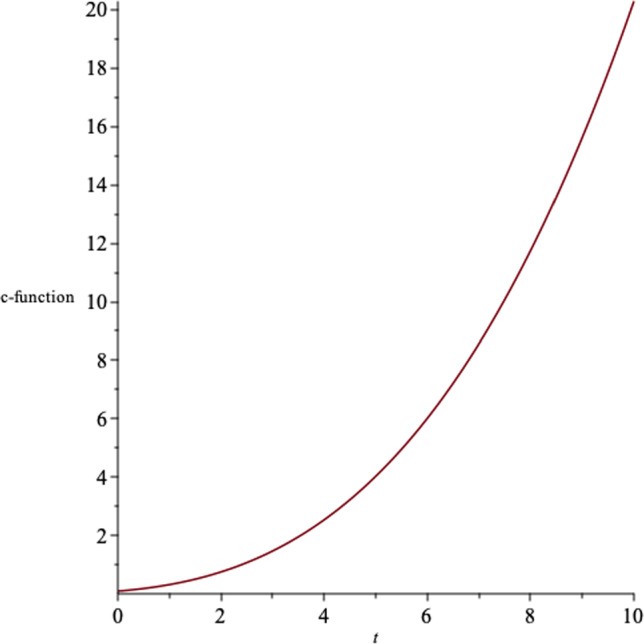 Figure 4
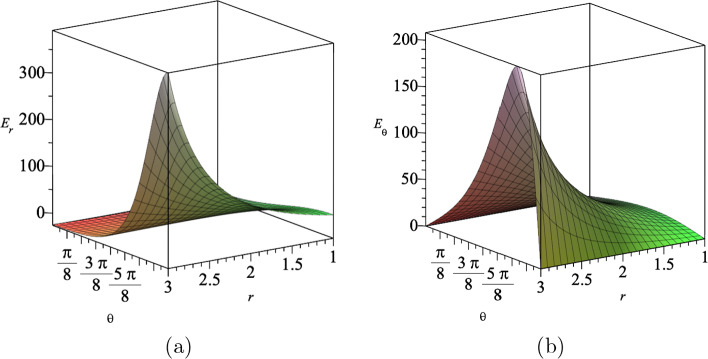 Figure 5
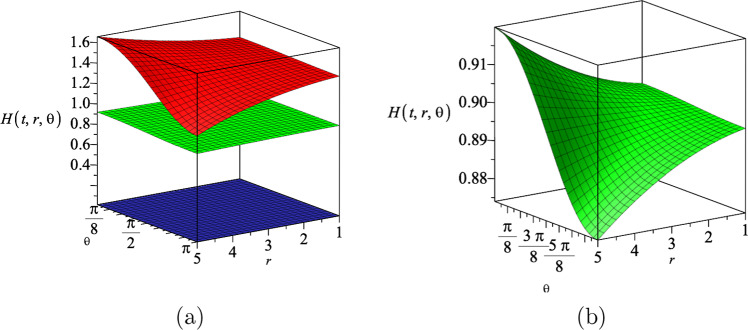 Figure 6
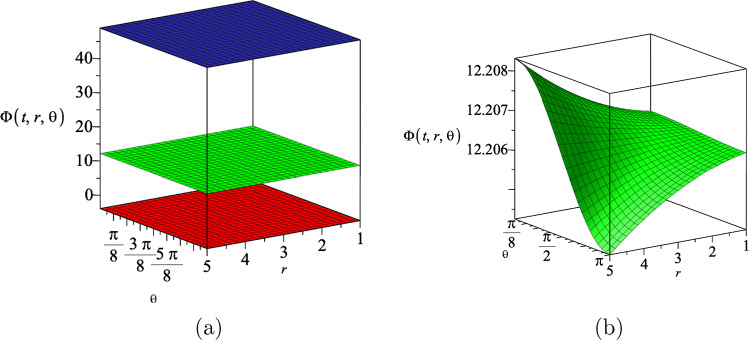 Figure 7
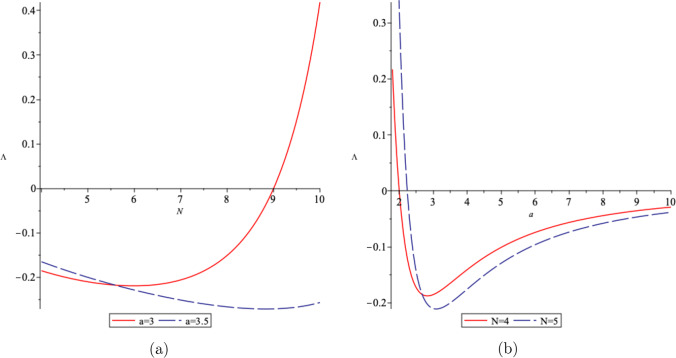 Figure 8
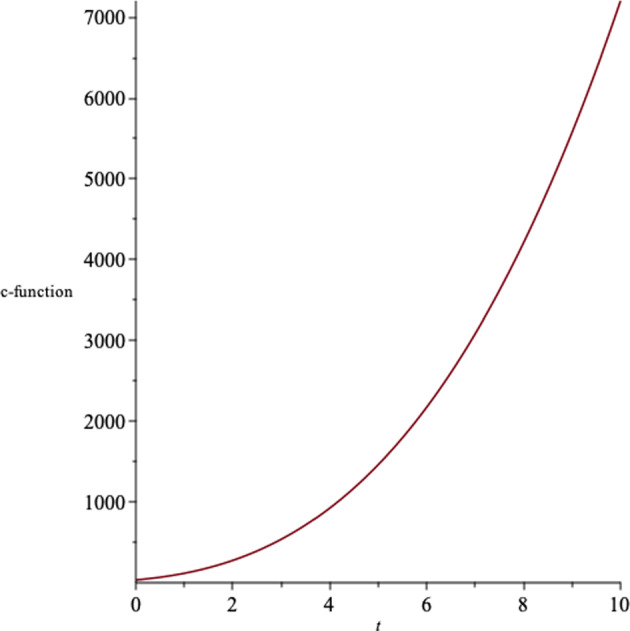 Figure 9
Peer Reviews
No public reviews on file for this paper yet. If you reviewed it on a platform where reviews are public (OpenReview, ICLR, NeurIPS, ICML), you can paste yours below so the community can read it here.
Videos
No videos yet. Explain this paper in a talk, walkthrough, or lecture? Add one.
Taxonomy
TopicsBlack Holes and Theoretical Physics · Cosmology and Gravitation Theories · Pulsars and Gravitational Waves Research