Analytical and computational studies predict negligible risk of cell death from eddy generation off flat surfaces in cell culture flow systems
Elliot J. Morley, Claire L. Brockett, Stefaan W. Verbruggen

TL;DR
This study predicts that eddies formed in cell culture systems are unlikely to cause cell death, helping optimize bioreactor design for cell therapies.
Contribution
The paper introduces an analytical tool linking flow dynamics to cell death risk, validated through computational modeling.
Findings
No flow condition or design parameter predicted cell death from eddy formation in cell culture systems.
Bioreactor design can be adjusted to selectively alter shear stress on cells via small flow rate changes.
Abstract
Cell-based therapies represent the current frontier of biomedical innovations, with the technologies required underpinning treatments as broad as CAR-T cell therapies, stem cell treatments, genetic therapies and mRNA manufacture. A key bottleneck in the manufacturing process for each of these lies in the expansion of cells within a bioreactor vessel, requiring by far the greatest share of time for what are often time-critical therapies. While various designs, culture feeding and mixing methods are employed in these bioreactors, a common concern among manufacturers and researchers lies in whether shear stresses generated by culture media flow will damage cells and inhibit expansion. This study develops an analytical tool to link macro-scale measures of flow to risk of cell death using relationships with eddy size and dissipation rates, from eddies generated off flat surfaces. This…
Genes, proteins, chemicals, diseases, species, mutations and cell lines named across the full text — each resolved to its canonical identifier and authoritative record.
Click any figure to enlarge with its caption.
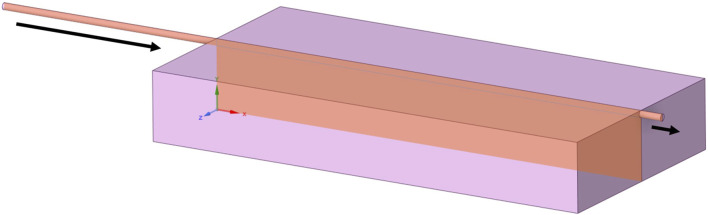 Figure 1
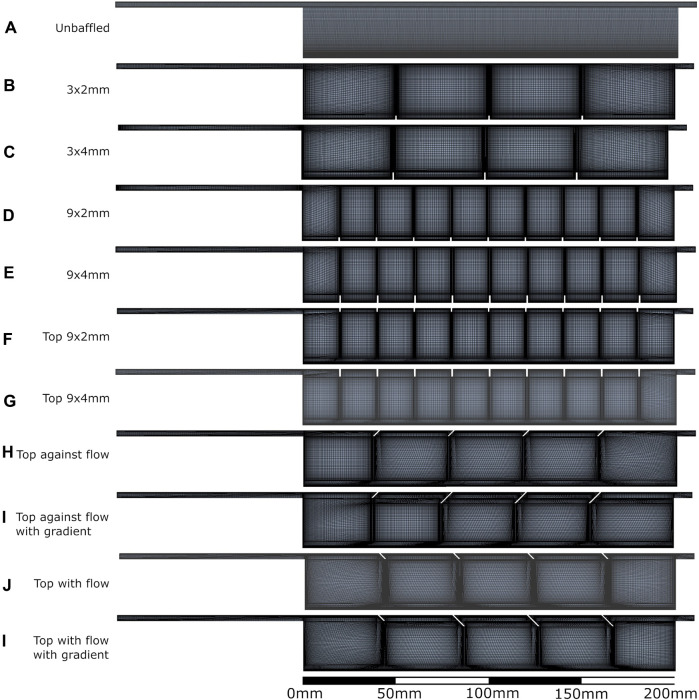 Figure 2
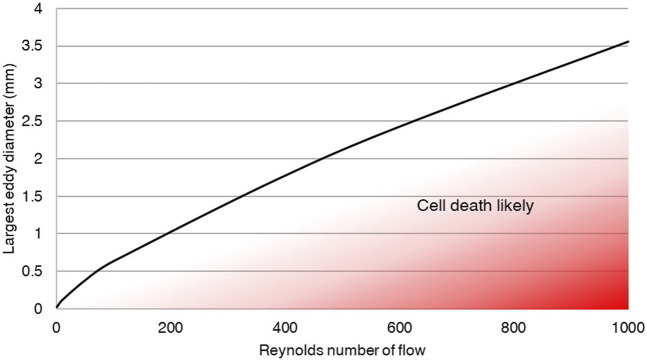 Figure 3
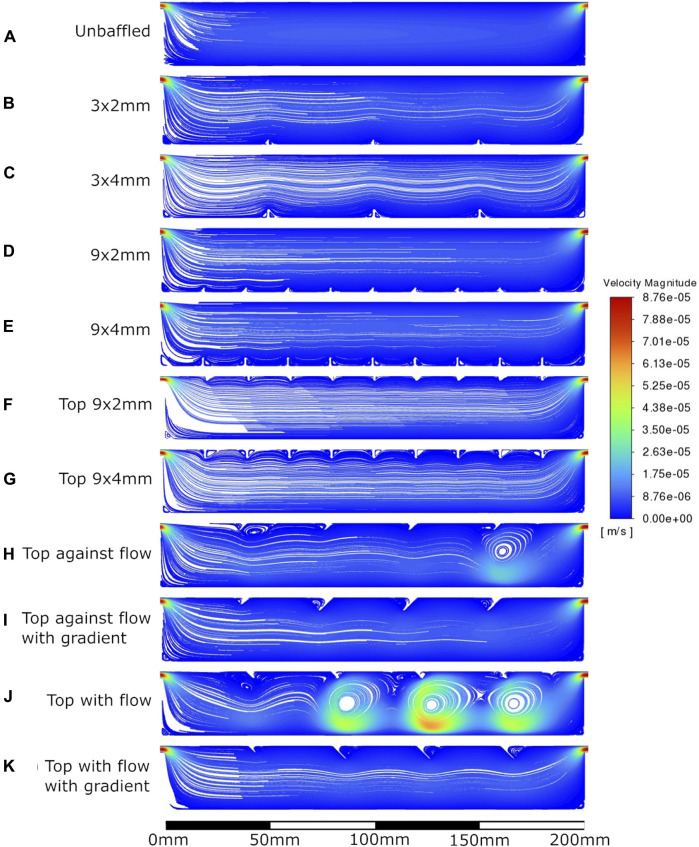 Figure 4
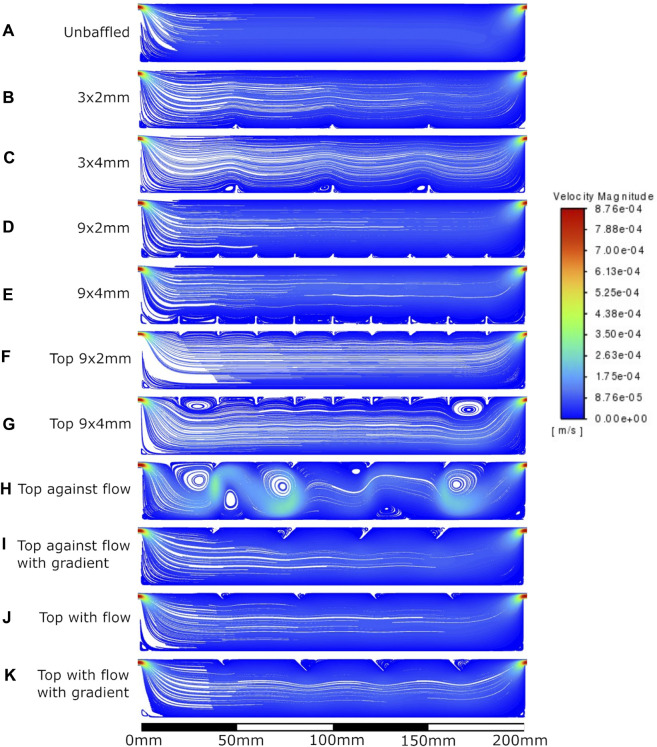 Figure 5
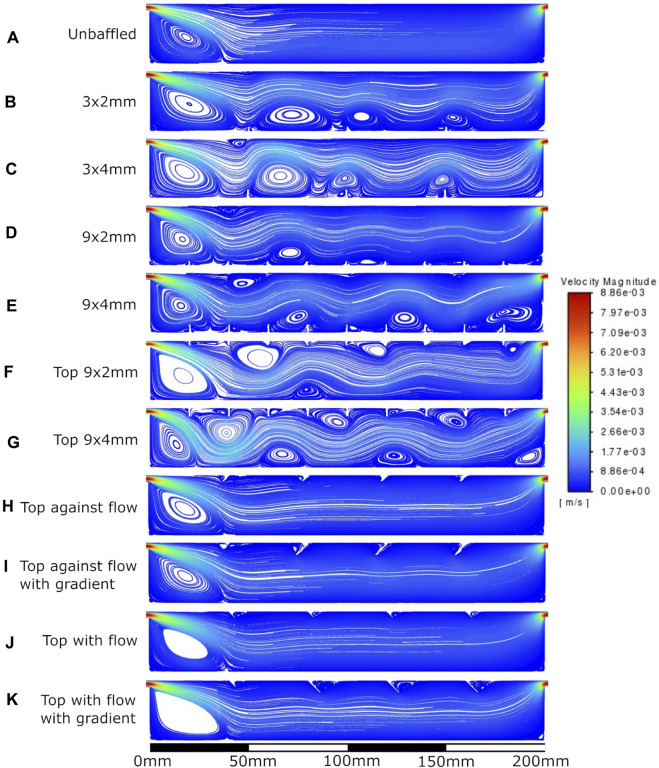 Figure 6
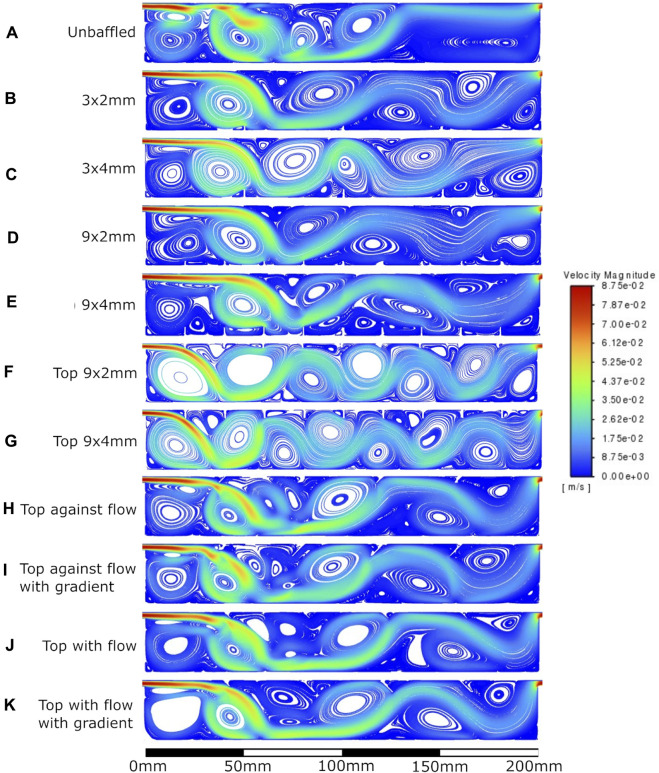 Figure 7
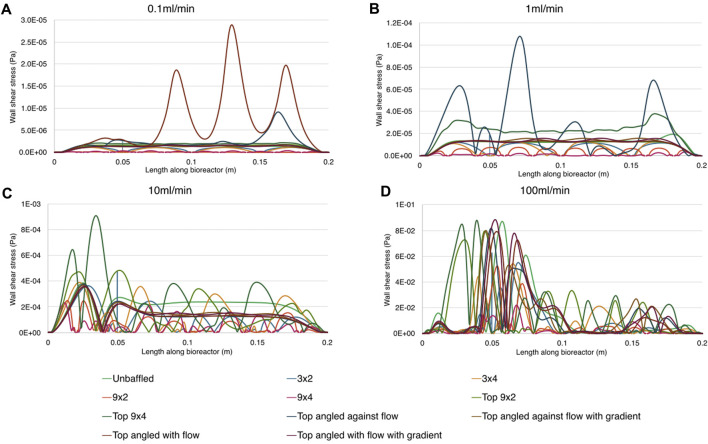 Figure 8
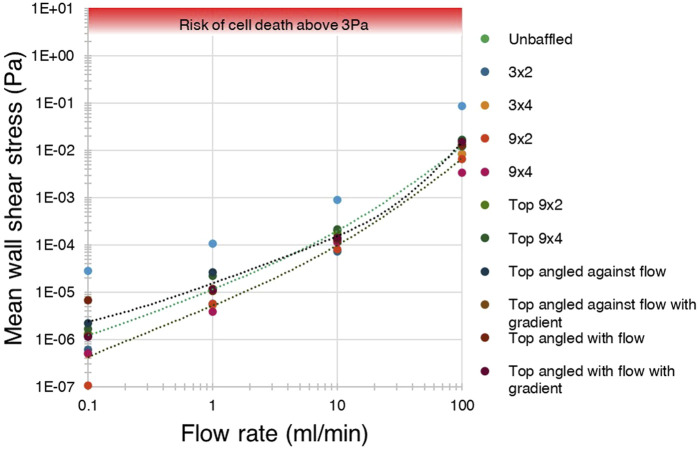 Figure 9
Peer Reviews
No public reviews on file for this paper yet. If you reviewed it on a platform where reviews are public (OpenReview, ICLR, NeurIPS, ICML), you can paste yours below so the community can read it here.
Videos
No videos yet. Explain this paper in a talk, walkthrough, or lecture? Add one.
Taxonomy
Topics3D Printing in Biomedical Research · Microfluidic and Bio-sensing Technologies · Lattice Boltzmann Simulation Studies