Prenatal low-dose Bisphenol A exposure impacts cortical development via cAMP-PKA-CREB pathway in offspring
Chu Jiang, Jun Guan, Xiangrong Tang, Yichun Zhang, Xiangyu Li, Yuting Li, Zhiheng Chen, Jing Zhang, Jia-Da Li

TL;DR
Prenatal exposure to low-dose BPA affects brain development in offspring by altering a key signaling pathway, leading to increased neuron numbers and manic-like behaviors.
Contribution
This study identifies the cAMP-PKA-CREB pathway as a novel mechanism linking prenatal BPA exposure to altered cortical development and behavioral changes.
Findings
Prenatal low-dose BPA exposure increases cortical neuron numbers and alters their migration.
BPA exposure leads to overactivation of the cAMP-PKA-CREB pathway in offspring.
Inhibiting PKA with H89 rescues neuronal proliferation and migration deficits but not all behavioral changes.
Abstract
Bisphenol A (BPA) is a widely used plasticizer known to cause various disorders. Despite a global reduction in the use of BPA-containing products, prenatal exposure to low-dose BPA, even those below established safety limits, has been linked to neurological and behavioral deficits in childhood. The precise mechanisms underlying these effects remain unclear. In the present study, we observed a significant increase in the number of cortical neurons in offspring born to dams exposed to low-dose BPA during pregnancy. We also found that this prenatal exposure to low-dose BPA led to increased proliferation but reduced migration of cortical neurons. Transcriptomic analysis via RNA sequencing revealed an aberrant activation of the cAMP-PKA-CREB pathway in offspring exposed to BPA. The use of H89, a selective PKA inhibitor, effectively rescued the deficits in both proliferation and migration of…
Genes, proteins, chemicals, diseases, species, mutations and cell lines named across the full text — each resolved to its canonical identifier and authoritative record.
Click any figure to enlarge with its caption.
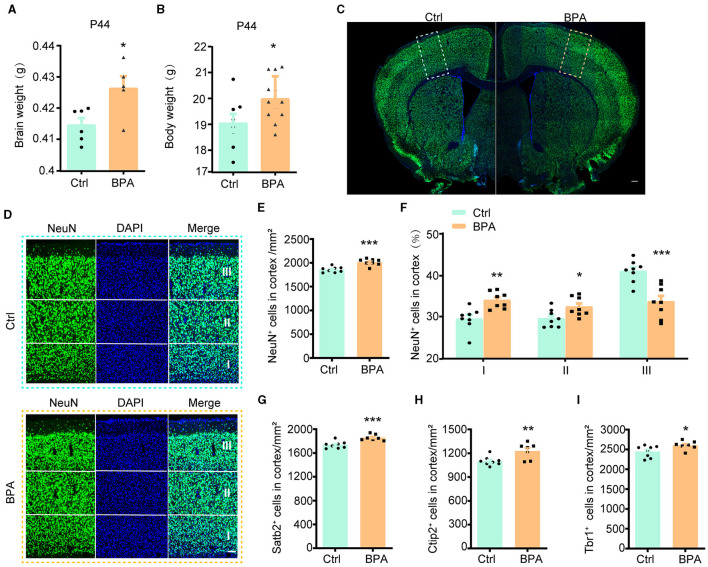 Figure 1
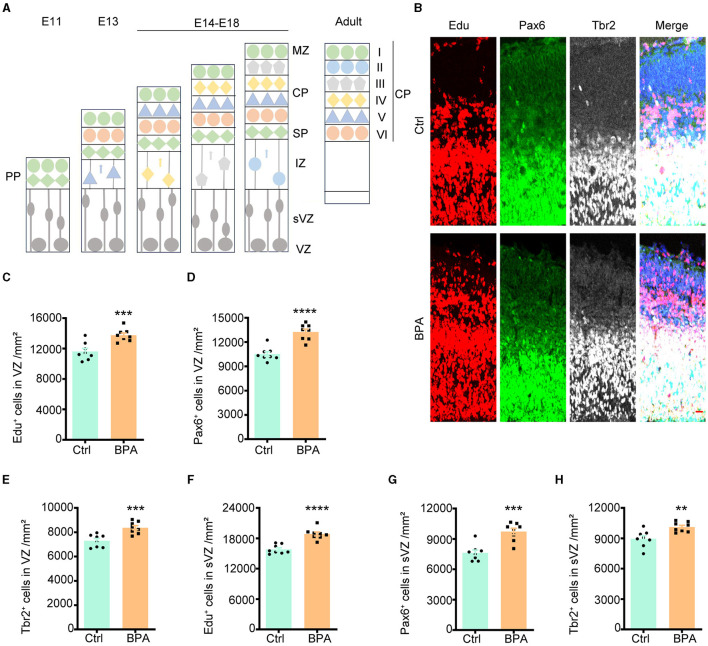 Figure 2
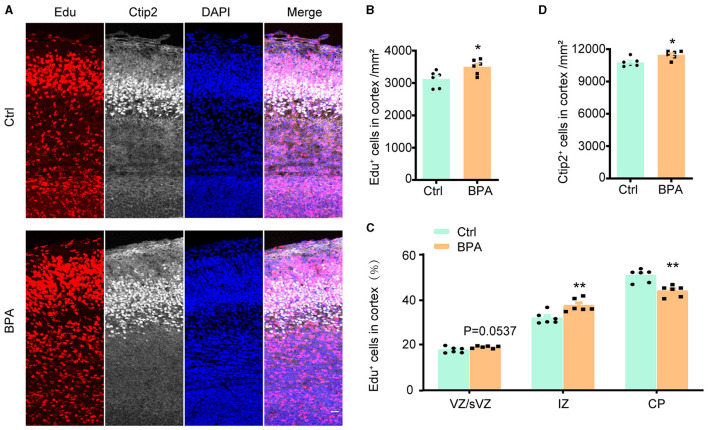 Figure 3
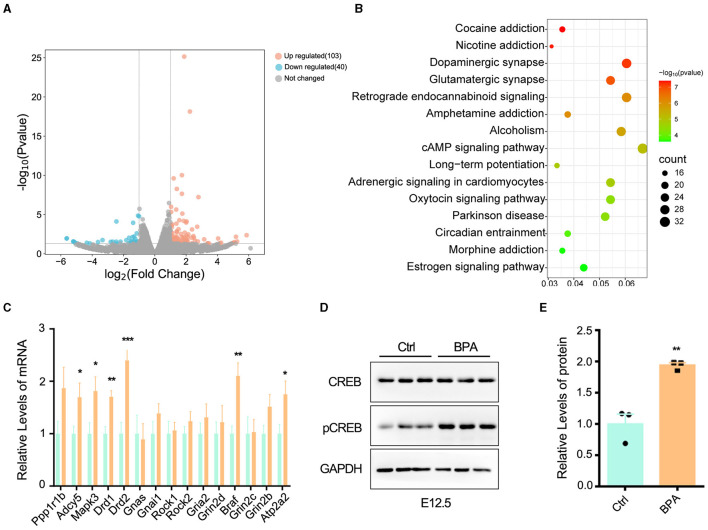 Figure 4
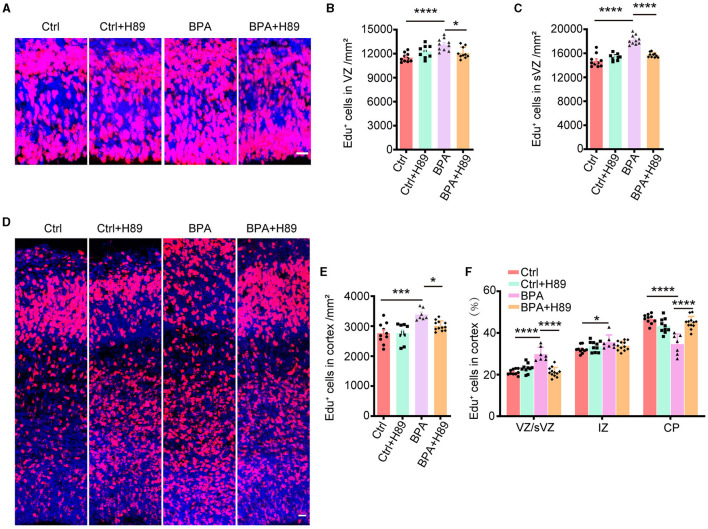 Figure 5
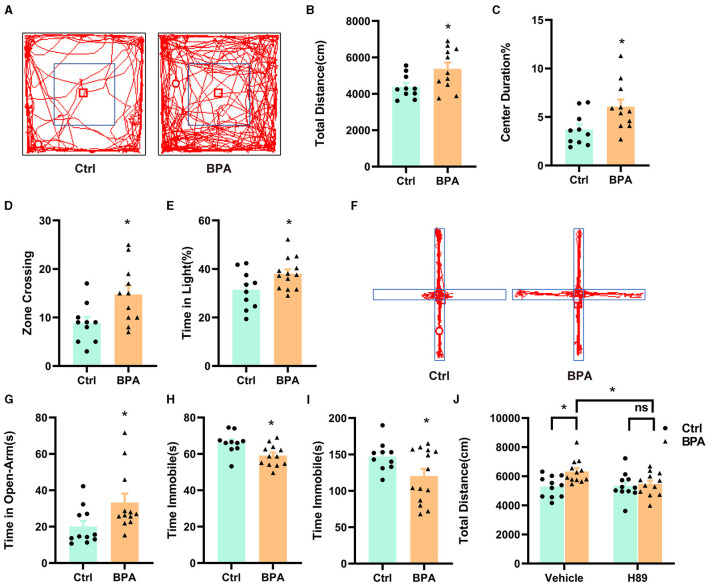 Figure 6
Peer Reviews
No public reviews on file for this paper yet. If you reviewed it on a platform where reviews are public (OpenReview, ICLR, NeurIPS, ICML), you can paste yours below so the community can read it here.
Videos
No videos yet. Explain this paper in a talk, walkthrough, or lecture? Add one.
Taxonomy
TopicsEffects and risks of endocrine disrupting chemicals · Microplastics and Plastic Pollution · Per- and polyfluoroalkyl substances research