Independent and joint associations between urinary polycyclic aromatic hydrocarbon metabolites and cognitive function in older adults in the United States
Xin Lu, Yanan Zhou, Qingshan Miao, Xuexue Han, Yi Zhou, Gaofeng Zhao, Hao Yu, Min Chen

TL;DR
This study finds that exposure to certain pollutants called PAHs is linked to worse cognitive performance in older U.S. adults, especially affecting memory and attention.
Contribution
The study is the first to examine the joint and individual effects of multiple PAH metabolites on cognitive function in older adults using advanced statistical models.
Findings
Higher levels of 2-hydroxynaphthalene (2-OHNa) were strongly linked to lower scores on cognitive tests measuring attention and processing speed.
Mixed PAH exposures showed negative associations with cognitive performance, particularly in language fluency and attention tasks.
Statistical models confirmed that 2-OHNa had the greatest impact among PAH metabolites on cognitive decline in older adults.
Abstract
Polycyclic aromatic hydrocarbons (PAHs), as organic pollutants widely present in daily environments, have been shown by existing epidemiological studies to be significantly associated with deficits in learning and memory functions in children and adults. However, the association between exposure to PAHs and cognitive function in older adults remains unclear. Additionally, existing related studies have only assessed the association between individual PAH exposures and cognitive assessments, overlooking the risks posed by mixed exposures. This study aims to use three statistical models to investigate the individual and overall effects of mixed PAH exposures on the cognition of older adults in the United States. The study cohort was obtained from the NHANES database, which included individuals aged 60 and older from 2011 to 2014. Weighted generalized linear models (GLM), weighted quantile…
Genes, proteins, chemicals, diseases, species, mutations and cell lines named across the full text — each resolved to its canonical identifier and authoritative record.
Click any figure to enlarge with its caption.
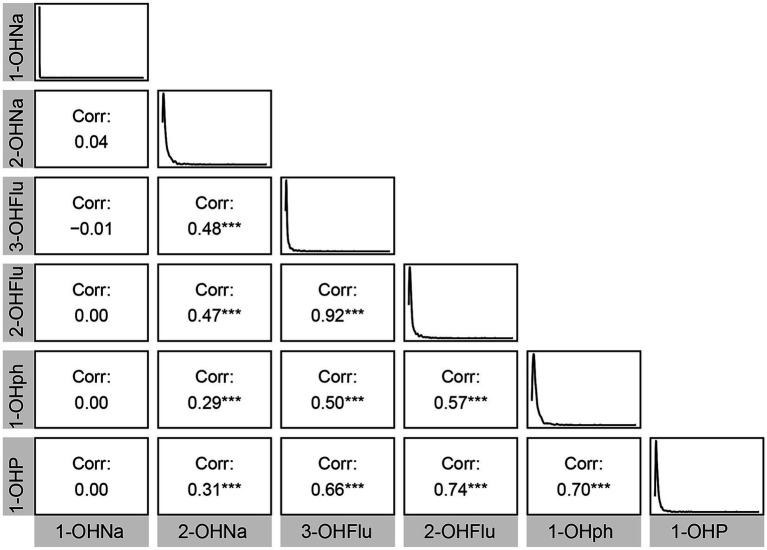 Figure 1
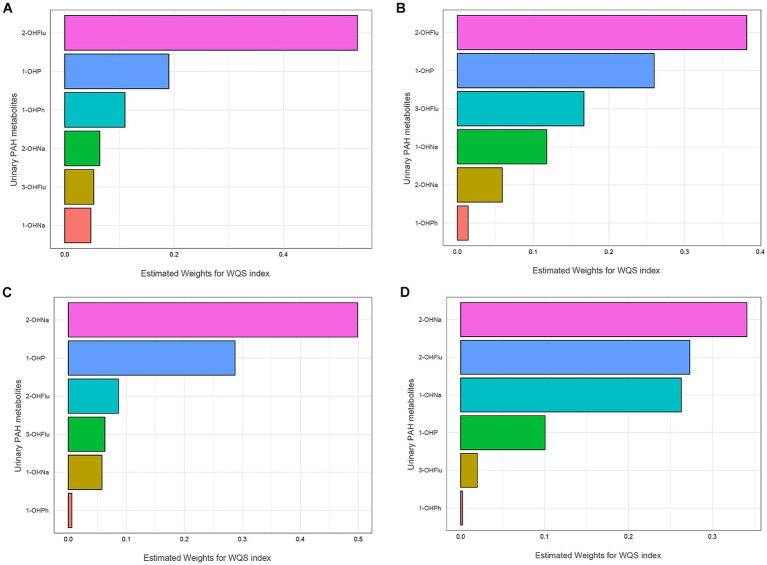 Figure 2
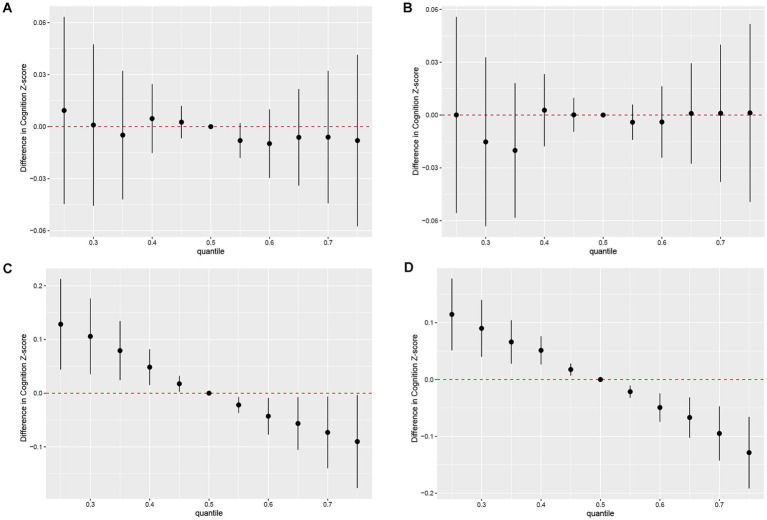 Figure 3
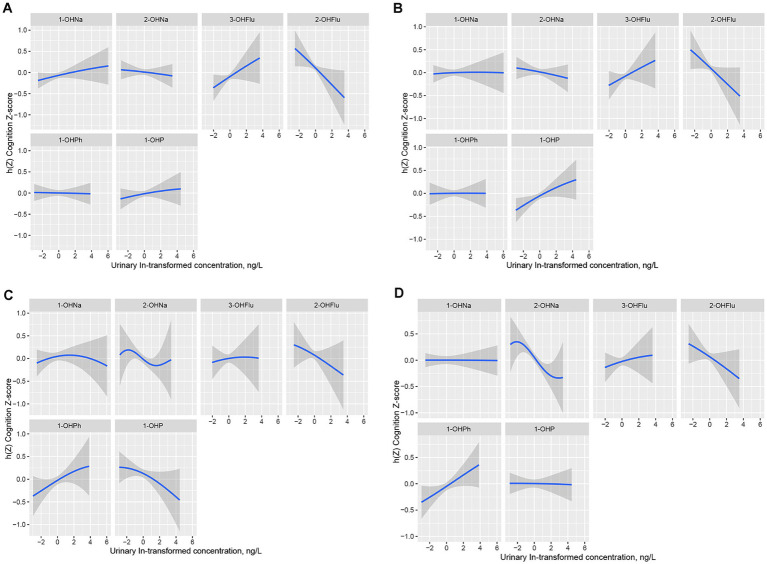 Figure 4
Peer Reviews
No public reviews on file for this paper yet. If you reviewed it on a platform where reviews are public (OpenReview, ICLR, NeurIPS, ICML), you can paste yours below so the community can read it here.
Videos
No videos yet. Explain this paper in a talk, walkthrough, or lecture? Add one.
Taxonomy
TopicsInternational Relations and Autism