Alx3 deficiency disrupts energy homeostasis, alters body composition, and impairs hypothalamic regulation of food intake
Mercedes Mirasierra, Antonio Fernández-Pérez, Blanca Lizarbe, Noelia Keiran, Laura Ruiz-Cañas, María José Casarejos, Sebastián Cerdán, Joan Vendrell, Sonia Fernández-Veledo, Mario Vallejo

TL;DR
Alx3 deficiency affects how the body manages energy and food intake, leading to changes in body composition and hypothalamic regulation.
Contribution
This study reveals that Alx3 is critical for regulating energy homeostasis and body composition through hypothalamic mechanisms.
Findings
Alx3-deficient mice show decreased food intake but stable body weight with reduced energy expenditure.
Alx3 deficiency is linked to increased adiposity and decreased muscle mass with signs of denervation.
Alx3-deficient mice on high-fat diets have reduced weight gain and improved insulin sensitivity.
Abstract
The coordination of food intake, energy storage, and expenditure involves complex interactions between hypothalamic neurons and peripheral tissues including pancreatic islets, adipocytes, muscle, and liver. Previous research shows that deficiency of the transcription factor Alx3 alters pancreatic islet-dependent glucose homeostasis. In this study we carried out a comprehensive assessment of metabolic alterations in Alx3 deficiency. We report that Alx3-deficient mice exhibit decreased food intake without changes in body weight, along with reduced energy expenditure and altered respiratory exchange ratio. Magnetic resonance imaging reveals increased adiposity and decreased muscle mass, which was associated with markers of motor and sympathetic denervation. By contrast, Alx3-deficient mice on a high-fat diet show attenuated weight gain and improved insulin sensitivity, compared to control…
Genes, proteins, chemicals, diseases, species, mutations and cell lines named across the full text — each resolved to its canonical identifier and authoritative record.
Click any figure to enlarge with its caption.
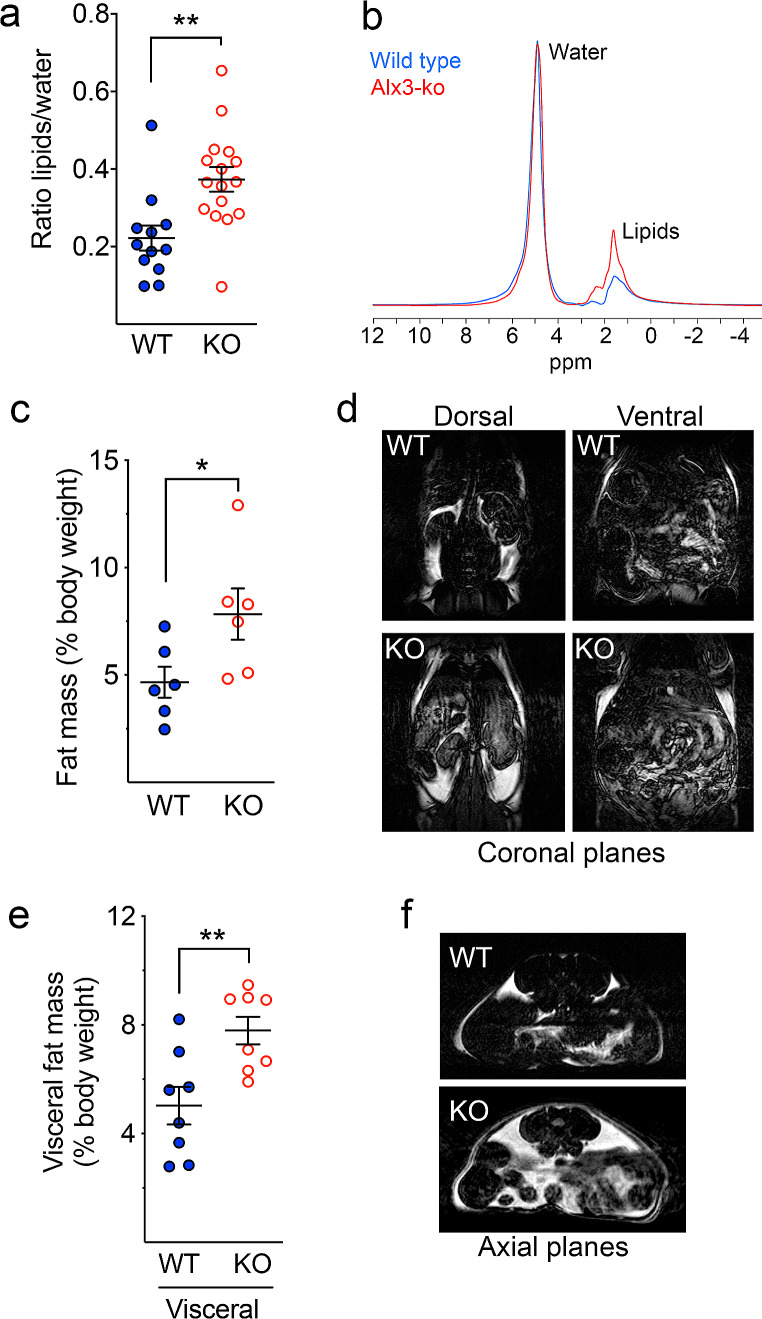 Figure 1
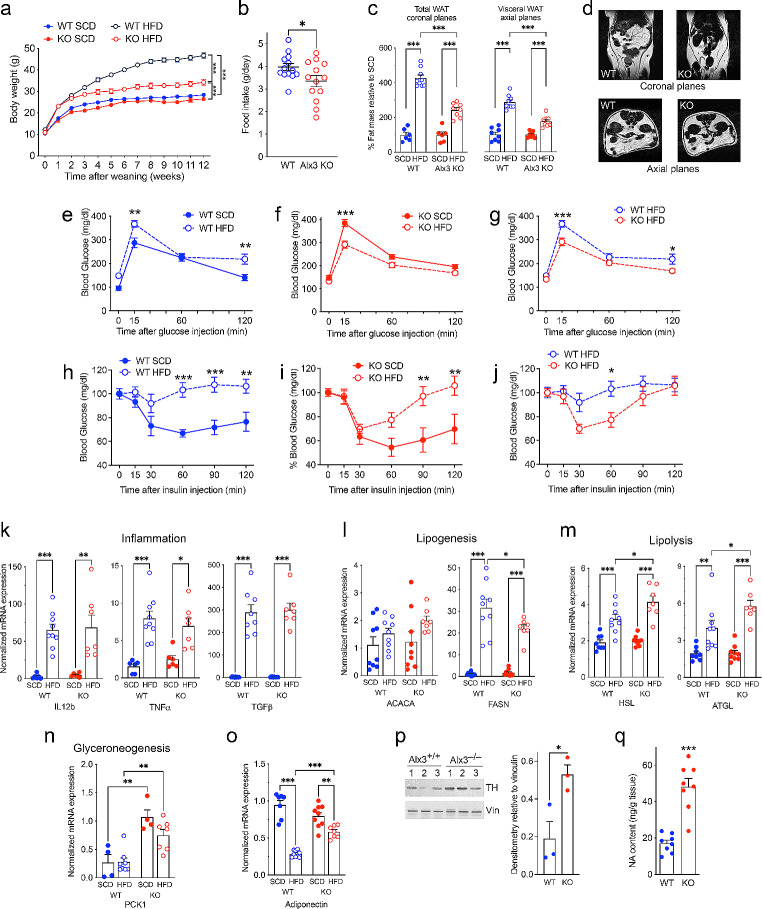 Figure 2
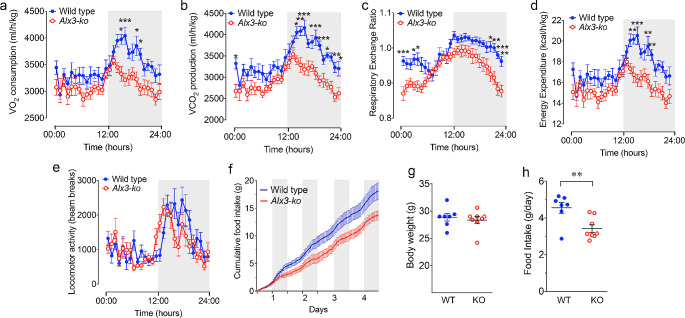 Figure 3
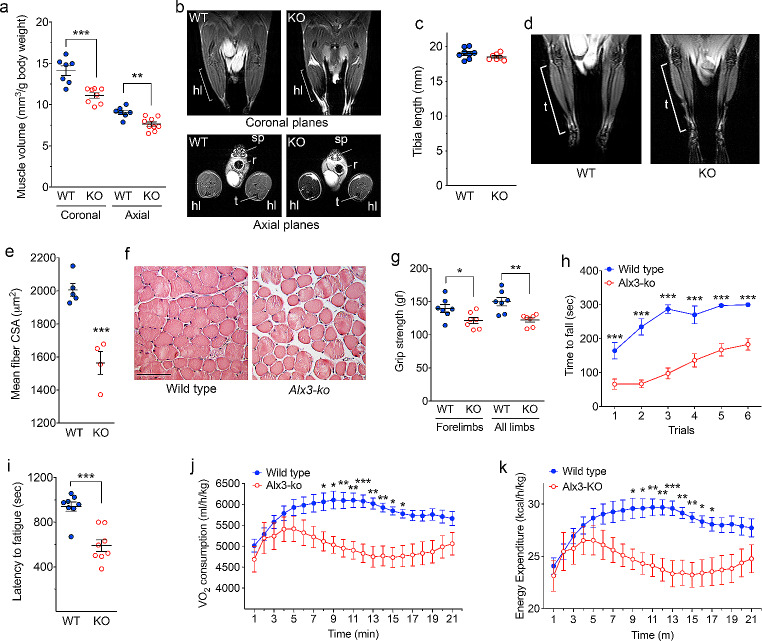 Figure 4
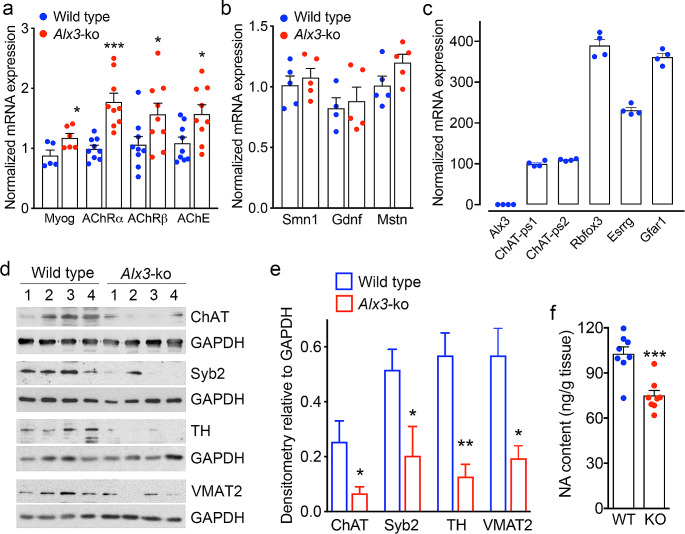 Figure 5
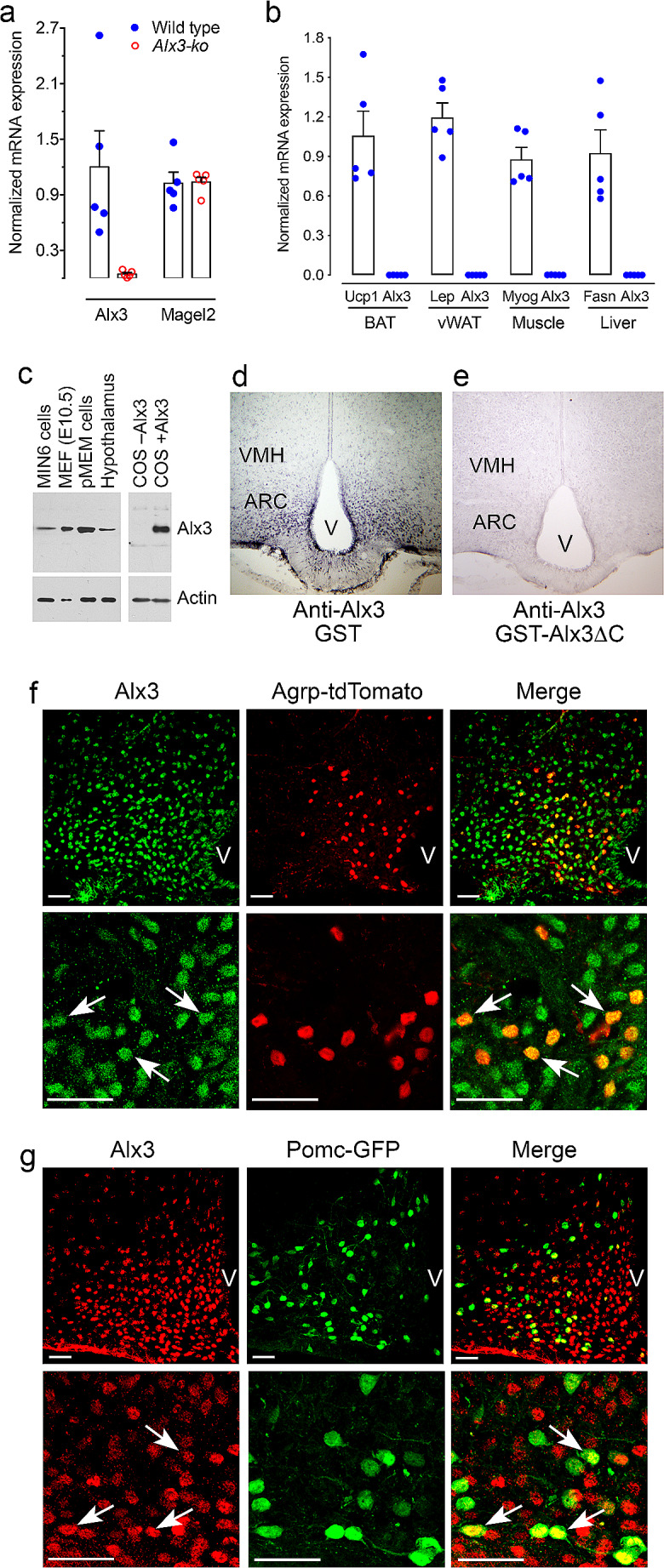 Figure 6
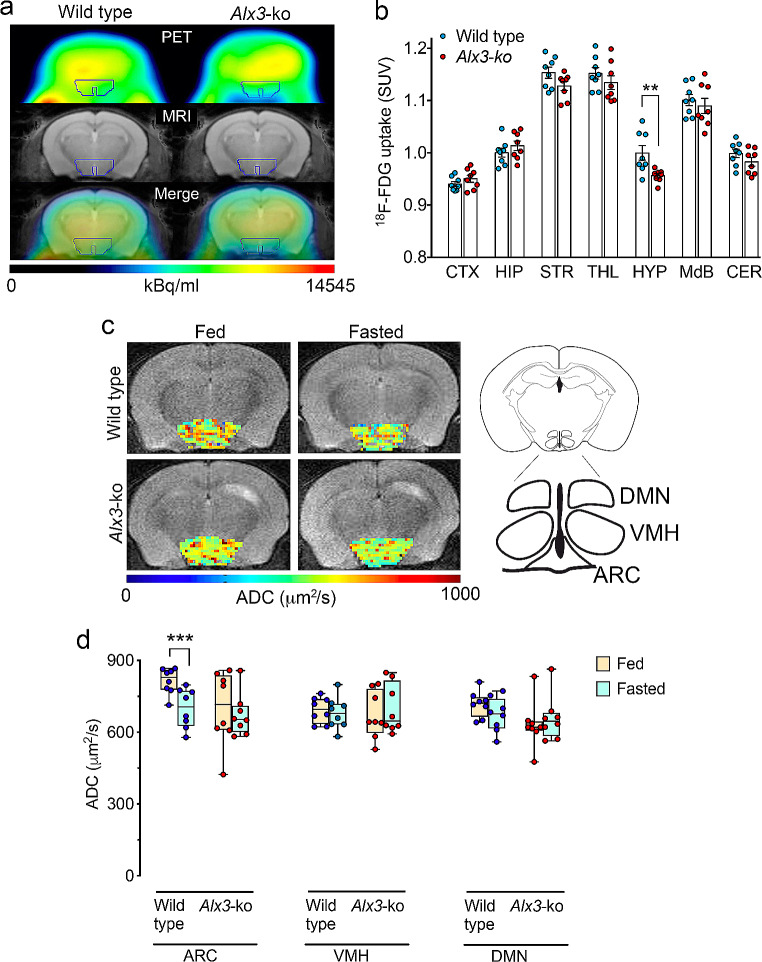 Figure 7
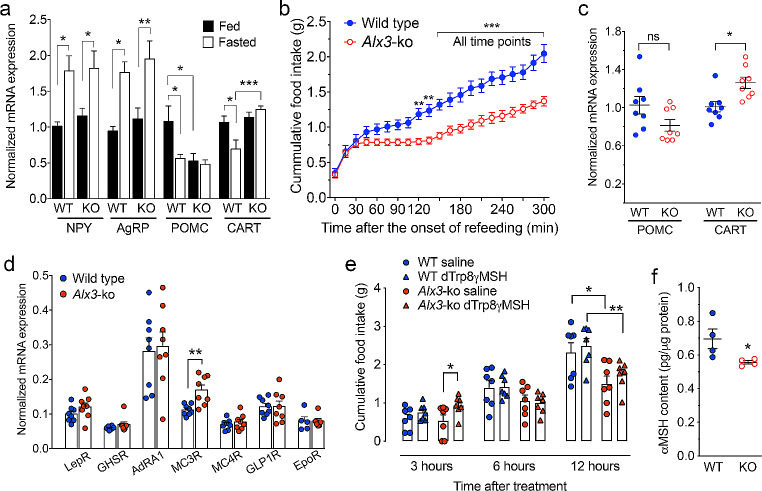 Figure 8
Peer Reviews
No public reviews on file for this paper yet. If you reviewed it on a platform where reviews are public (OpenReview, ICLR, NeurIPS, ICML), you can paste yours below so the community can read it here.
Videos
No videos yet. Explain this paper in a talk, walkthrough, or lecture? Add one.
Taxonomy
TopicsRegulation of Appetite and Obesity · Adipose Tissue and Metabolism · Biochemical Analysis and Sensing Techniques