Integrating niche and occupancy models to infer the distribution of an endemic fossorial snake (Atractus lasallei)
Camilo Alejandro Cruz-Arroyave, Felipe A. Toro-Cardona, Juan Luis Parra, Mark A. Davis, Mark A. Davis, Mark A. Davis

TL;DR
This study combines niche and occupancy models to understand the habitat and distribution of a rare, burrowing snake in Colombia, showing it's vulnerable due to habitat fragmentation.
Contribution
The study integrates niche and occupancy models to estimate both potential and realized distributions of an understudied endemic snake species.
Findings
Atractus lasallei prefers low slope areas with high annual precipitation and herbaceous/shrubby vegetation.
The species' realized distribution is only 935 km², indicating high vulnerability due to habitat fragmentation.
The snake's potential distribution spans the Central and Western Cordilleras in Colombia.
Abstract
Understanding species distribution and habitat preferences is crucial for effective conservation strategies. However, the lack of information about population responses to environmental change at different scales hinders effective conservation measures. In this study, we estimate the potential and realized distribution of Atractus lasallei, a semi-fossorial snake endemic to the northwestern region of Colombia. We modelled the potential distribution of A. lasallei based on ecological niche theory (using maxent), and habitat use was characterized while accounting for imperfect detection using a single-season occupancy model. Our results suggest that A. lasallei selects areas characterized by slopes below 10°, with high average annual precipitation (>2500mm/year) and herbaceous and shrubby vegetation. Its potential distribution encompasses the northern Central Cordillera and two smaller…
Genes, proteins, chemicals, diseases, species, mutations and cell lines named across the full text — each resolved to its canonical identifier and authoritative record.
Click any figure to enlarge with its caption.
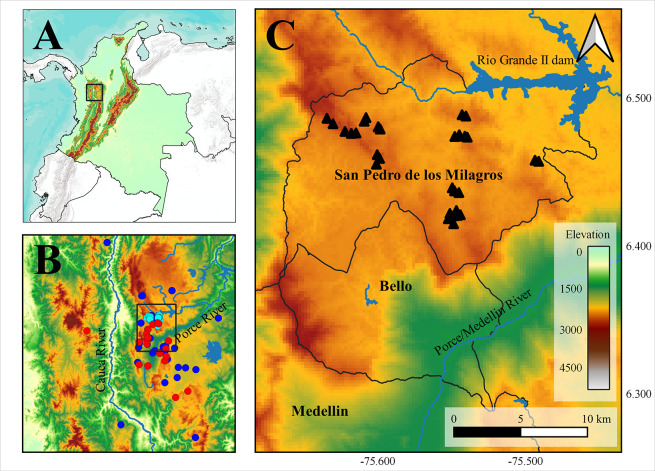 Figure 1
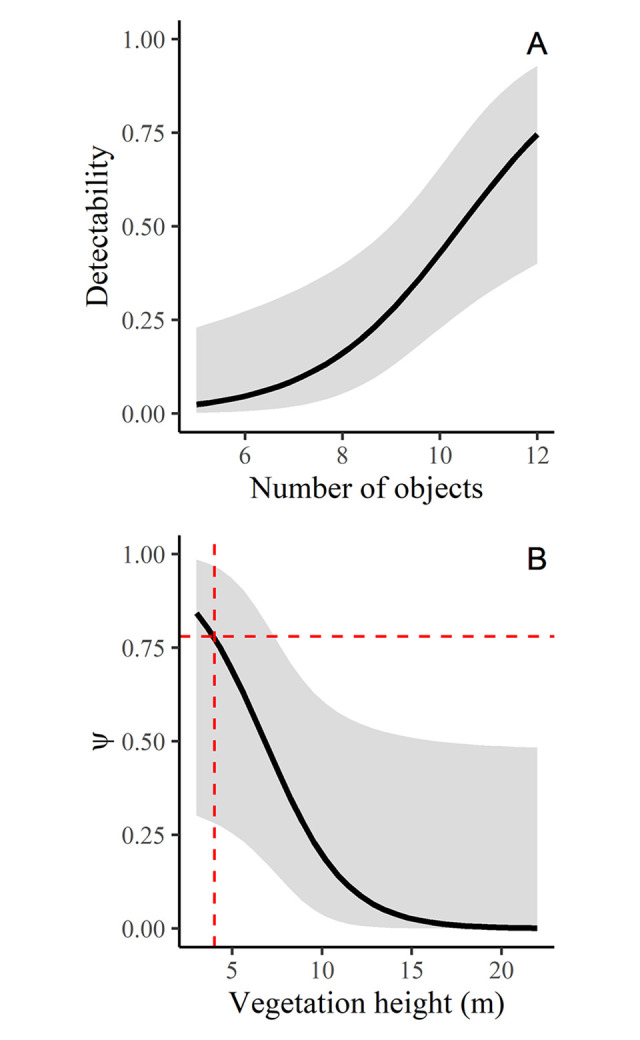 Figure 2
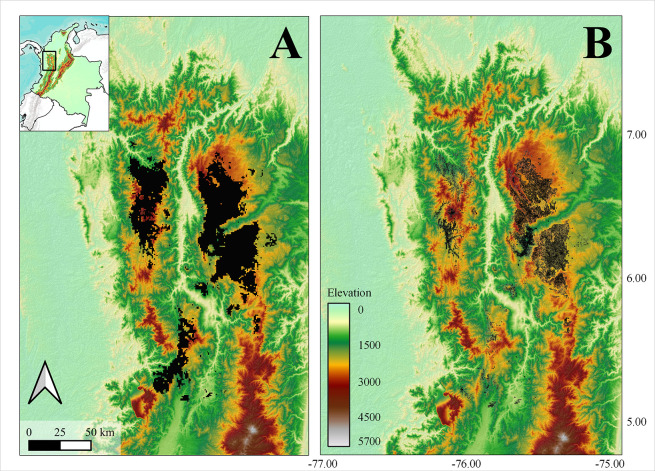 Figure 3
 Figure 4
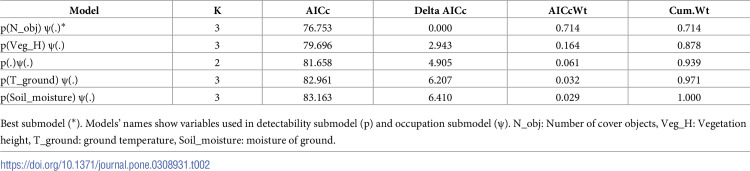 Figure 5
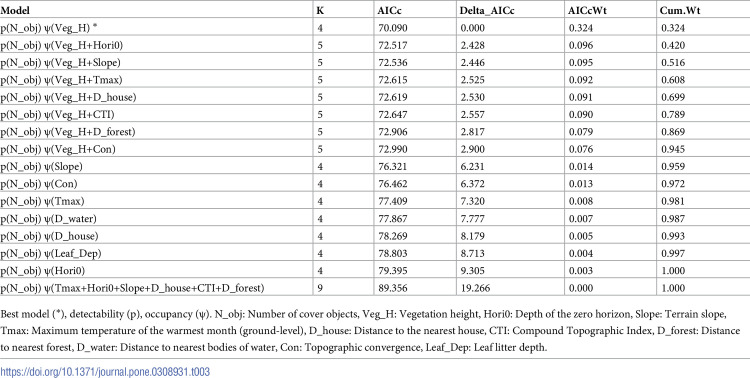 Figure 6
Peer Reviews
No public reviews on file for this paper yet. If you reviewed it on a platform where reviews are public (OpenReview, ICLR, NeurIPS, ICML), you can paste yours below so the community can read it here.
Videos
No videos yet. Explain this paper in a talk, walkthrough, or lecture? Add one.
Taxonomy
TopicsSpecies Distribution and Climate Change · Amphibian and Reptile Biology · Primate Behavior and Ecology