In-vivo and in-vitro toxicity evaluation of 2,3-dimethylquinoxaline: An antimicrobial found in a traditional herbal medicine
Abdelbagi Alfadil, Hamoud Alsamhan, Ahmed Ali, Huda Alkreathy, Mohammad W. Alrabia, Asif Fatani, Karem A. Ibrahem, Ahmed E. Abdel Moneim, Ahmed E. Abdel Moneim, Ahmed E. Abdel Moneim

TL;DR
This study evaluates the toxicity of 2,3-dimethylquinoxaline, an antimicrobial compound from traditional herbal medicine, in both cell cultures and animal models.
Contribution
The study provides a comprehensive toxicological profile of DMQ in both in-vitro and in-vivo settings.
Findings
DMQ showed no significant toxicity in cell cultures at concentrations ≤100 μM.
In mice and rats, DMQ had a median lethal dose above 2000 mg/kg with no mortality.
High doses caused thrombocytosis, leukocytosis, and histological changes in rodents.
Abstract
2,3-dimethylquinoxaline (DMQ) is a broad-spectrum antimicrobial phytochemical. This study aims to assess its toxicological profile. In vitro studies conducted in appropriate cell cultures, included assessment of cardiotoxicity, nephrotoxicity, and hepatotoxicity. An in vivo study was conducted in mice to determine acute oral toxicity (AOT), and subacute oral toxicity (SAOT). Acute dermal toxicity (ADT) was conducted in rats. All in-vitro toxicity studies of DMQ had negative results at concentrations ≤100 μM except for a non-significant reduction in the ATP in human hepatocellular carcinoma cell culture. The median lethal dose of DMQ was higher than 2000 mg/kg. All animals survived the scheduled necropsy and none showed any alteration in clinical signs. Biochemistry analysis revealed a significant difference between the satellite and control groups, showing an increase in platelet counts…
Genes, proteins, chemicals, diseases, species, mutations and cell lines named across the full text — each resolved to its canonical identifier and authoritative record.
Click any figure to enlarge with its caption.
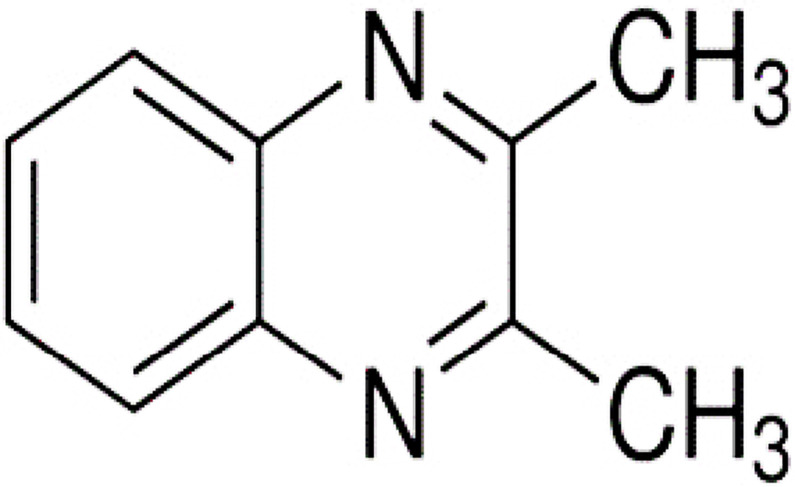 Figure 1
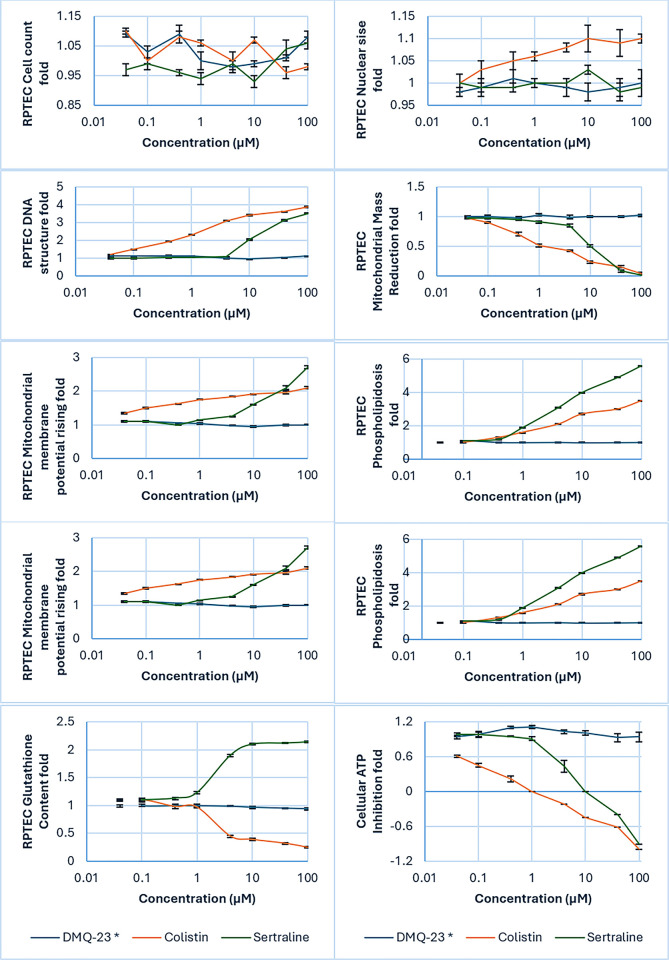 Figure 2
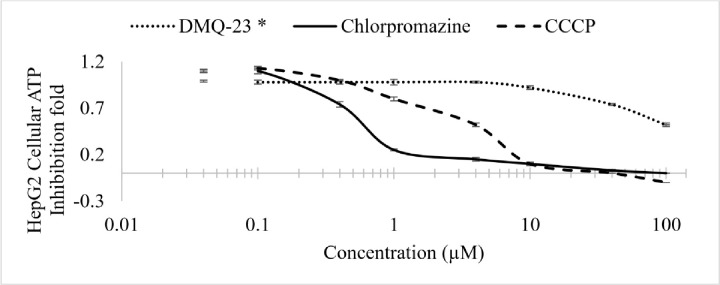 Figure 3
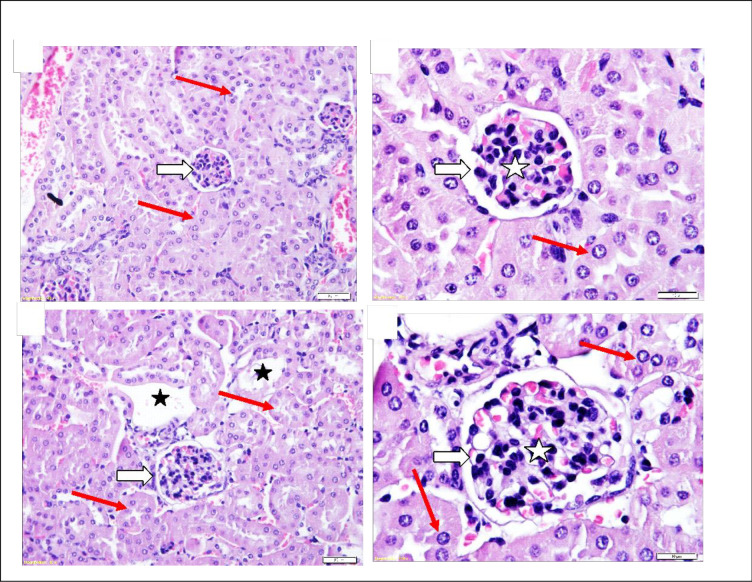 Figure 4
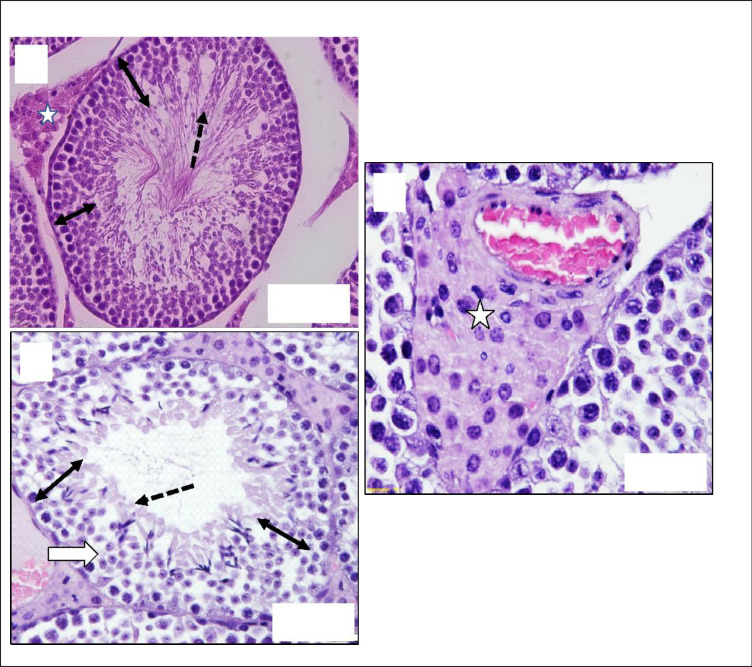 Figure 5
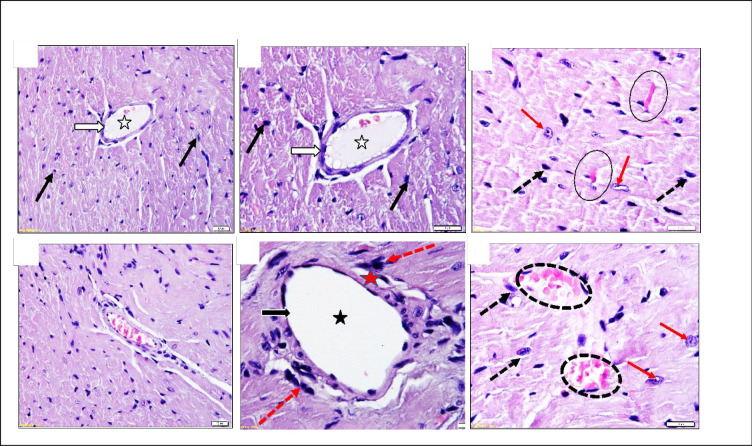 Figure 6
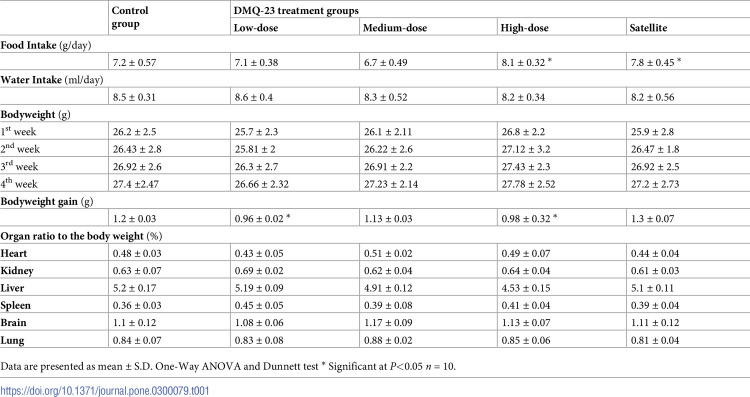 Figure 7
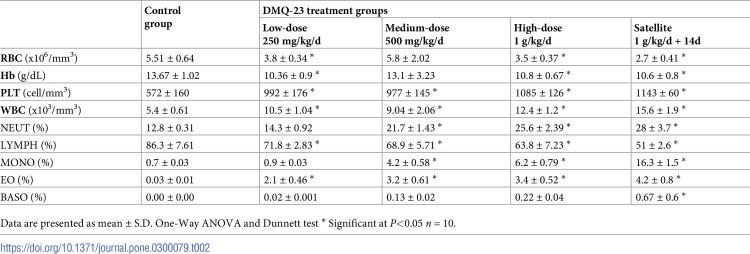 Figure 8
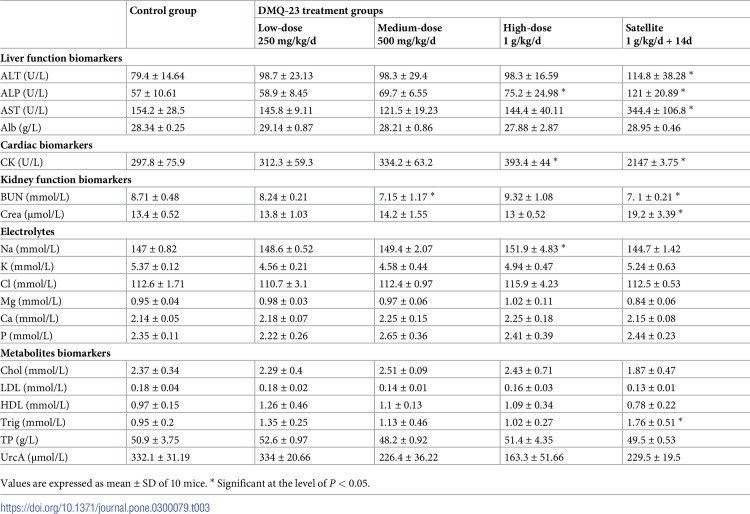 Figure 9
Peer Reviews
No public reviews on file for this paper yet. If you reviewed it on a platform where reviews are public (OpenReview, ICLR, NeurIPS, ICML), you can paste yours below so the community can read it here.
Videos
No videos yet. Explain this paper in a talk, walkthrough, or lecture? Add one.
Taxonomy
TopicsSynthesis and Biological Evaluation · Quinazolinone synthesis and applications · Phenothiazines and Benzothiazines Synthesis and Activities