First principles study on the structural stability, mechanical stability and optoelectronic properties of alkali-based single halide perovskite compounds XMgI3 (X = Li/Na): DFT insight
Kefyalew Wagari Guji, Tesfaye Abebe Geleta, Nabil Bouri, Victor José Ramirez Rivera

TL;DR
This study explores the properties of lead-free perovskite compounds LiMgI3 and NaMgI3 for solar energy applications.
Contribution
The novel contribution is the DFT-based analysis of structural, mechanical, and optoelectronic properties of XMgI3 (X = Li/Na) perovskites.
Findings
LiMgI3 and NaMgI3 have indirect band gaps of 2.474 eV and 2.556 eV, suitable for solar energy harvesting.
The compounds show structural and mechanical stability, confirmed by tolerance factors and formation energy.
Partial and total density of states reveal atomic contributions to electronic properties.
Abstract
Metal-halide perovskites are recognized as cutting-edge solar energy technology, boasting remarkable absorption capabilities, minimal environmental impact, and cost-effectiveness. This study delves into the structural stability, mechanical stability, and optoelectronic properties of lead-free halide perovskites, specifically XMgI3 (X = Li/Na), by utilizing the CASTEP and WIEN2k software along with the GGA-PBE and Tran–Blaha modified Becke–Johnson (TB-mBJ) exchange–correlation functions to compare their electronic properties. The structural and mechanical stabilities were confirmed by assessing their tolerance factor and formation energy and by evaluating their elastic constants, respectively. Using the TB-mBJ exchange–correlation potential function, the calculated indirect band gap values for LiMgI3 and NaMgI3 were 2.474 and 2.556 eV, respectively. These band gaps are suitable for solar…
Click any figure to enlarge with its caption.
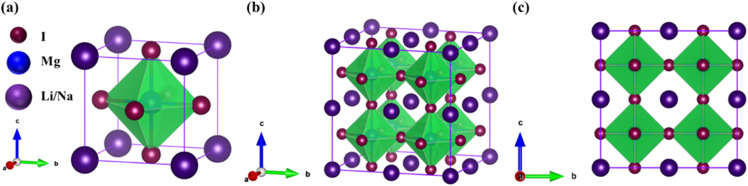 Figure 1
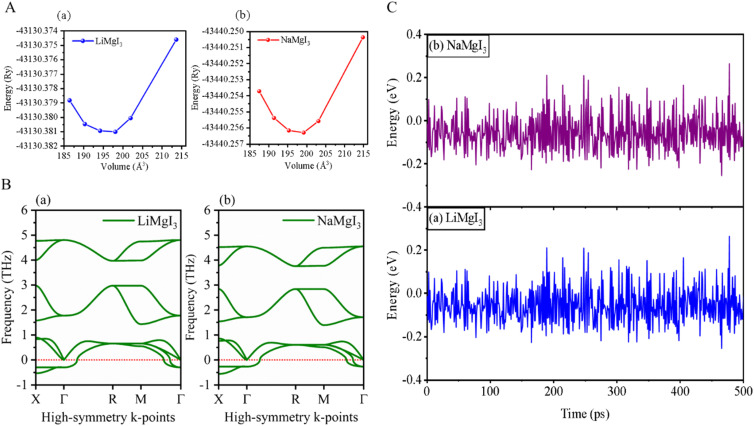 Figure 2
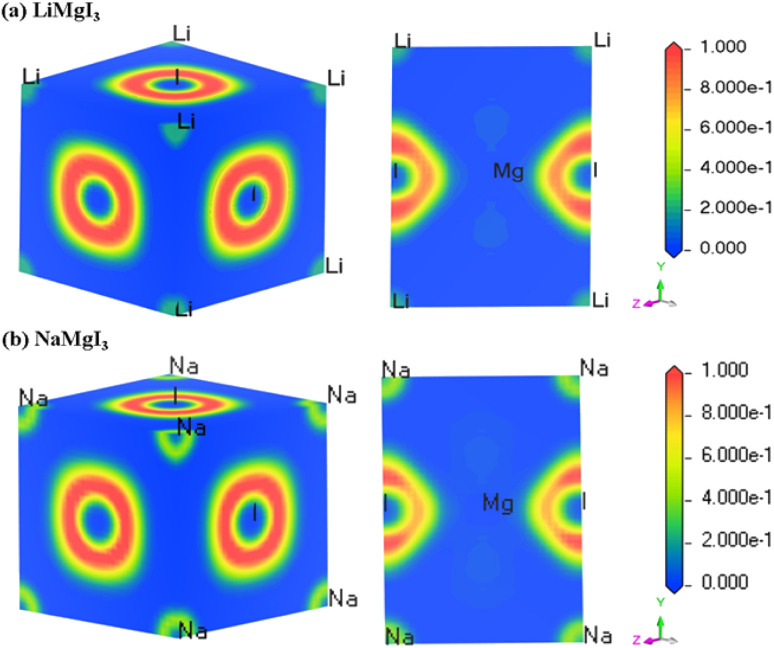 Figure 3
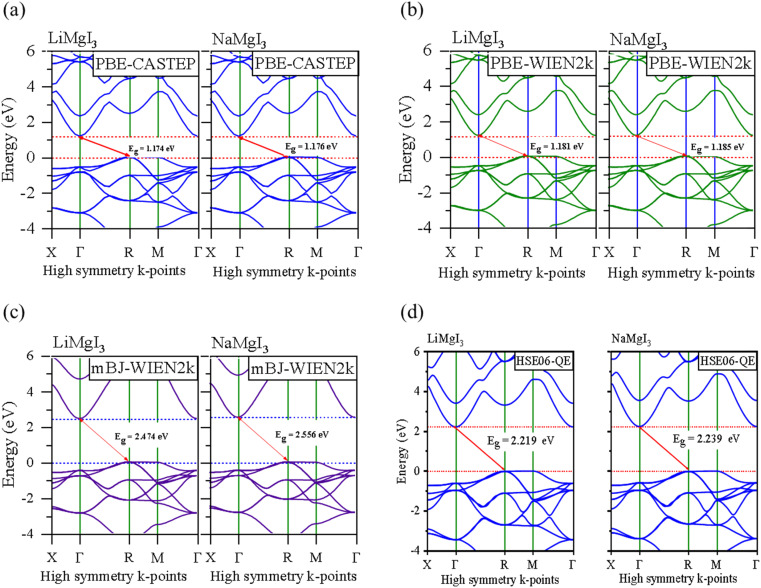 Figure 4
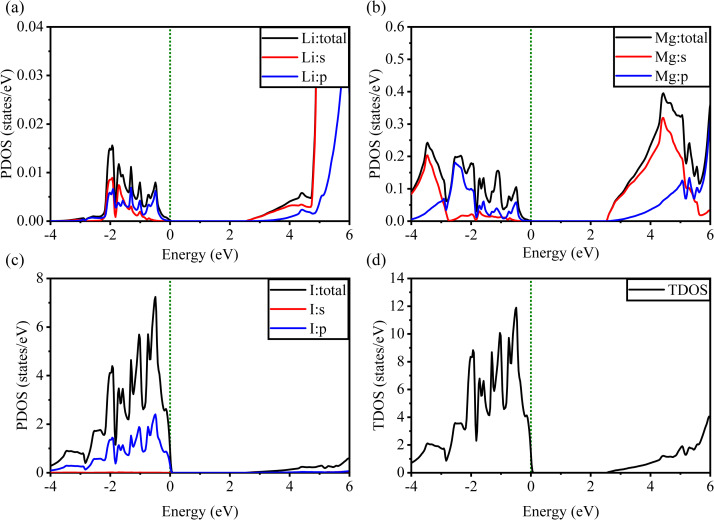 Figure 5
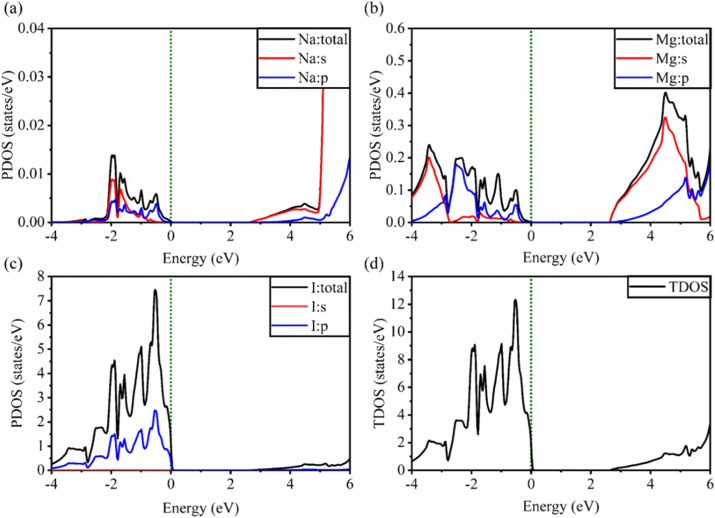 Figure 6
 Figure 7
 Figure 8
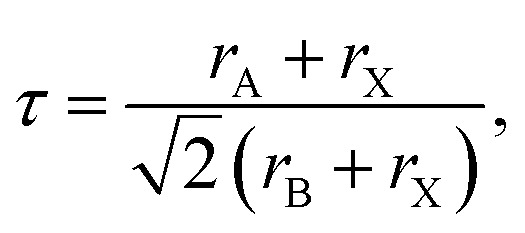 Figure 9
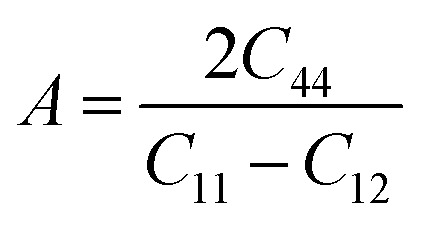 Figure 10
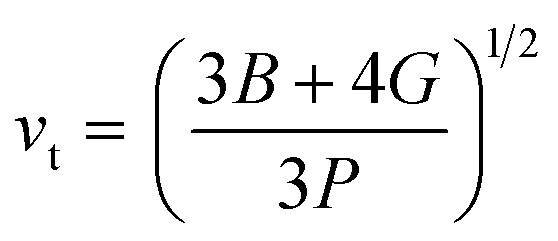 Figure 11
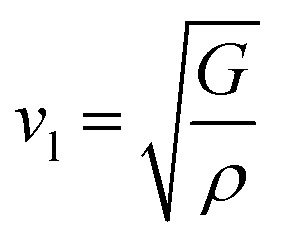 Figure 12
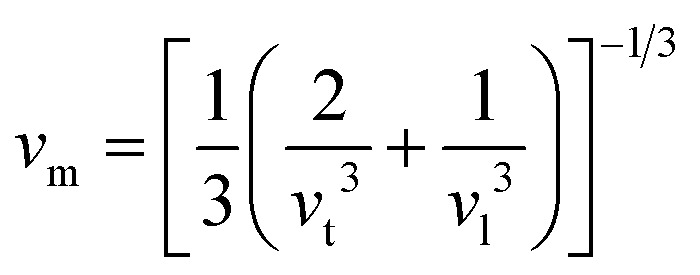 Figure 13
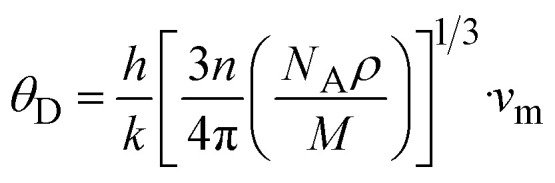 Figure 14
 Figure 15
 Figure 16
 Figure 17
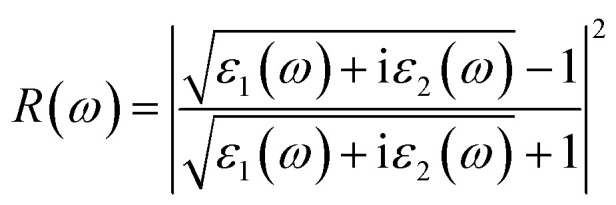 Figure 18
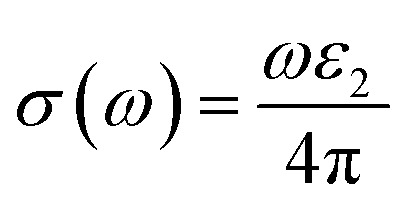 Figure 19
 Figure 20
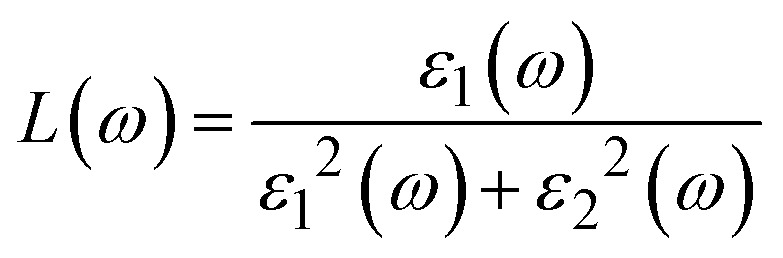 Figure 21
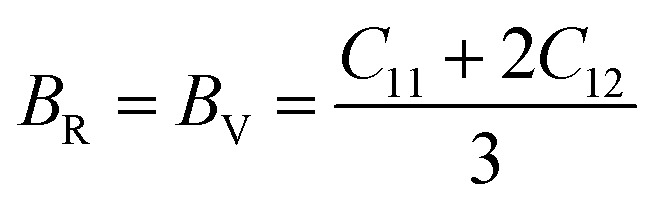 Figure 22
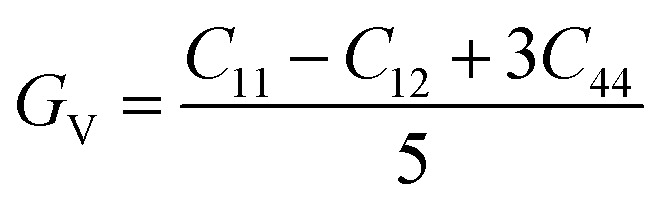 Figure 23
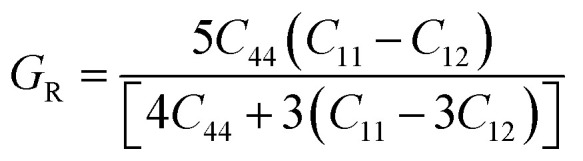 Figure 24
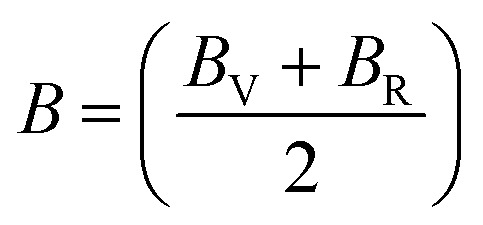 Figure 25
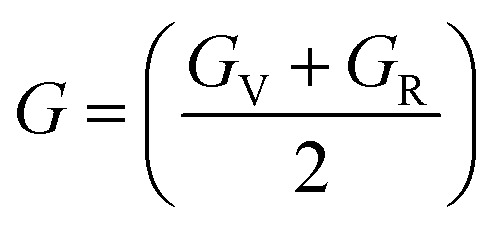 Figure 26
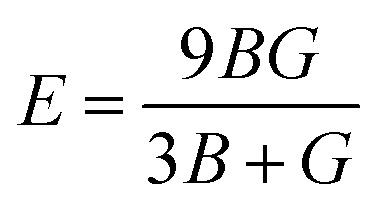 Figure 27
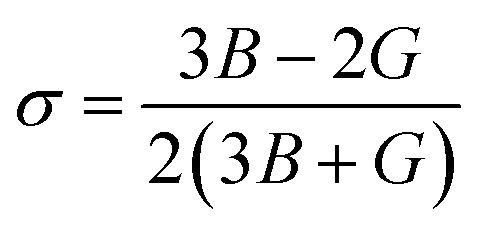 Figure 28
Peer Reviews
No public reviews on file for this paper yet. If you reviewed it on a platform where reviews are public (OpenReview, ICLR, NeurIPS, ICML), you can paste yours below so the community can read it here.
Videos
No videos yet. Explain this paper in a talk, walkthrough, or lecture? Add one.
Taxonomy
TopicsGambling Behavior and Treatments