Developing poly(ethylene glycol)-b-poly(β-hydroxybutyrate)-based self-assembling prodrug for the management of cisplatin-induced acute kidney injury
Duc Tri Bui, Yukio Nagasaki

TL;DR
Researchers created nanoparticles that slowly release a ketone body to protect against kidney damage from chemotherapy.
Contribution
A novel self-assembling prodrug nanoparticle that sustains β-hydroxybutyrate release for improved therapeutic efficacy.
Findings
NanoBHB nanoparticles sustain BHB release in vitro and in vivo with low toxicity.
NanoBHB provides superior nephroprotection in cisplatin-induced kidney injury compared to low-molecular-weight BHB.
The nanoparticles can be administered orally or via injection.
Abstract
Although β-hydroxybutyrate (BHB), one of the endogenous body ketones, possesses high bioactivities, it is rapidly consumed, metabolized, and eliminated from the body. In this study, we designed new self-assembling nanoparticles that sustainably released BHB to improve bioavailability and evaluated their efficacy in in vivo experiments using rodent animal models. Since poly(β-hydroxybutyrate) [poly(BHB)] is regarded as a polymeric prodrug that is hydrolyzed by endogenous enzymes and releases BHB in a sustained manner, our idea was to engineer hydrophobic poly(BHB) in one of the segments in the amphiphilic block copolymer, of which self-assembles in water to form nanoparticles of tens of nanometers in size (abbreviated as NanoBHB). Here, methoxy-poly(ethylene glycol) was employed as the hydrophilic segment of the block copolymer to stabilize the nanoparticles in aqueous environments, thus…
Genes, proteins, chemicals, diseases, species, mutations and cell lines named across the full text — each resolved to its canonical identifier and authoritative record.
Click any figure to enlarge with its caption.
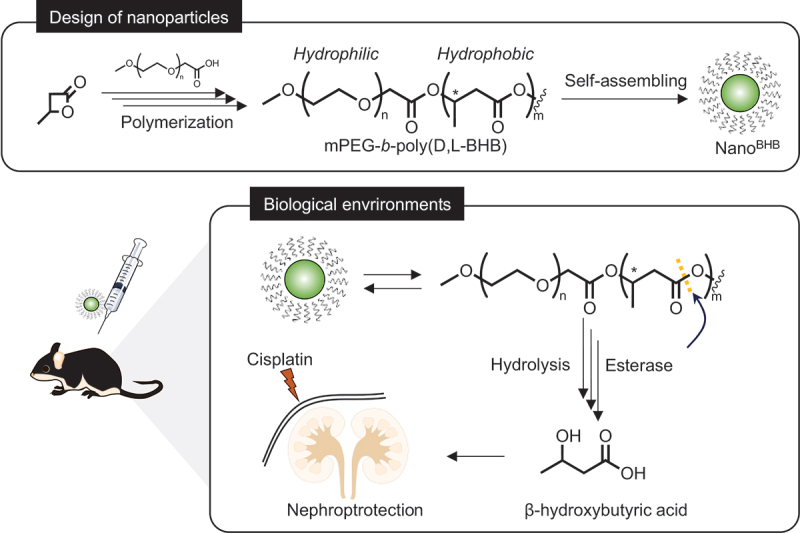 Figure 1
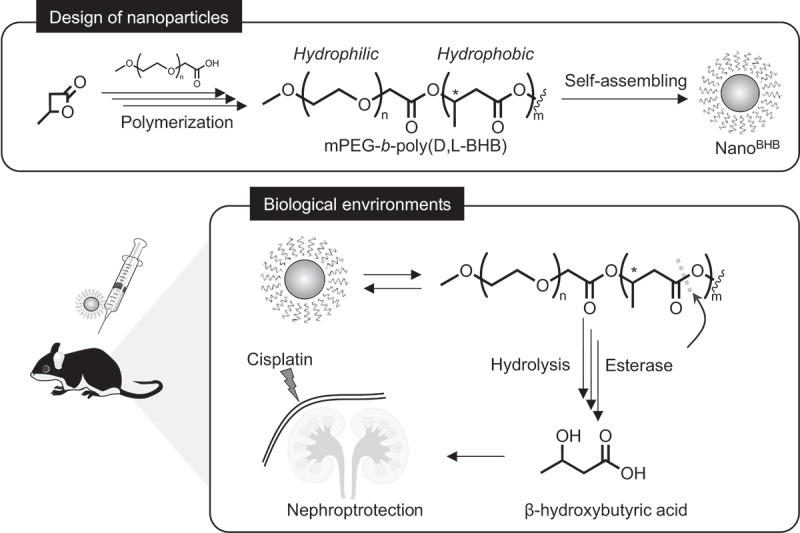 Figure 2
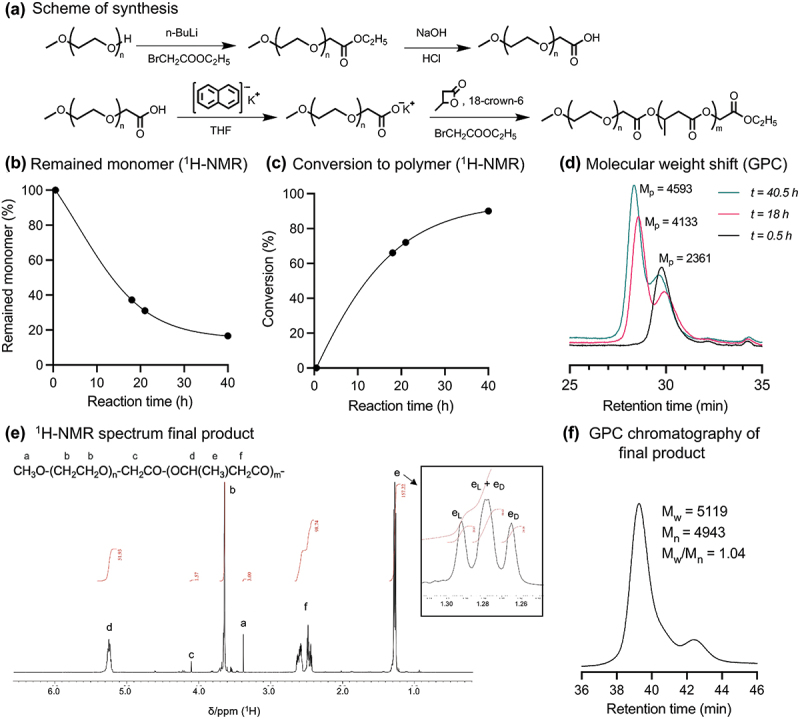 Figure 3
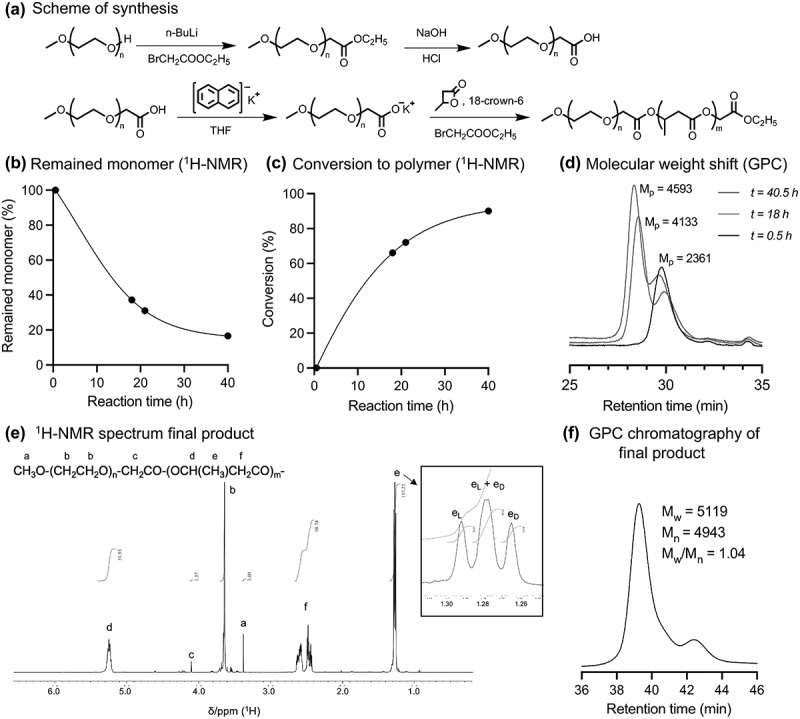 Figure 4
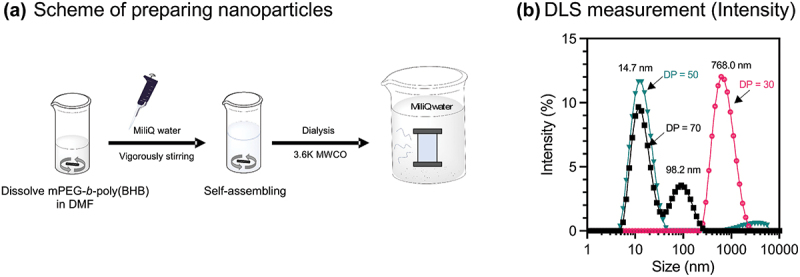 Figure 5
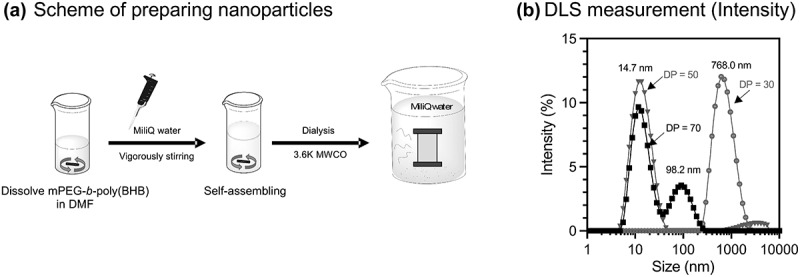 Figure 6
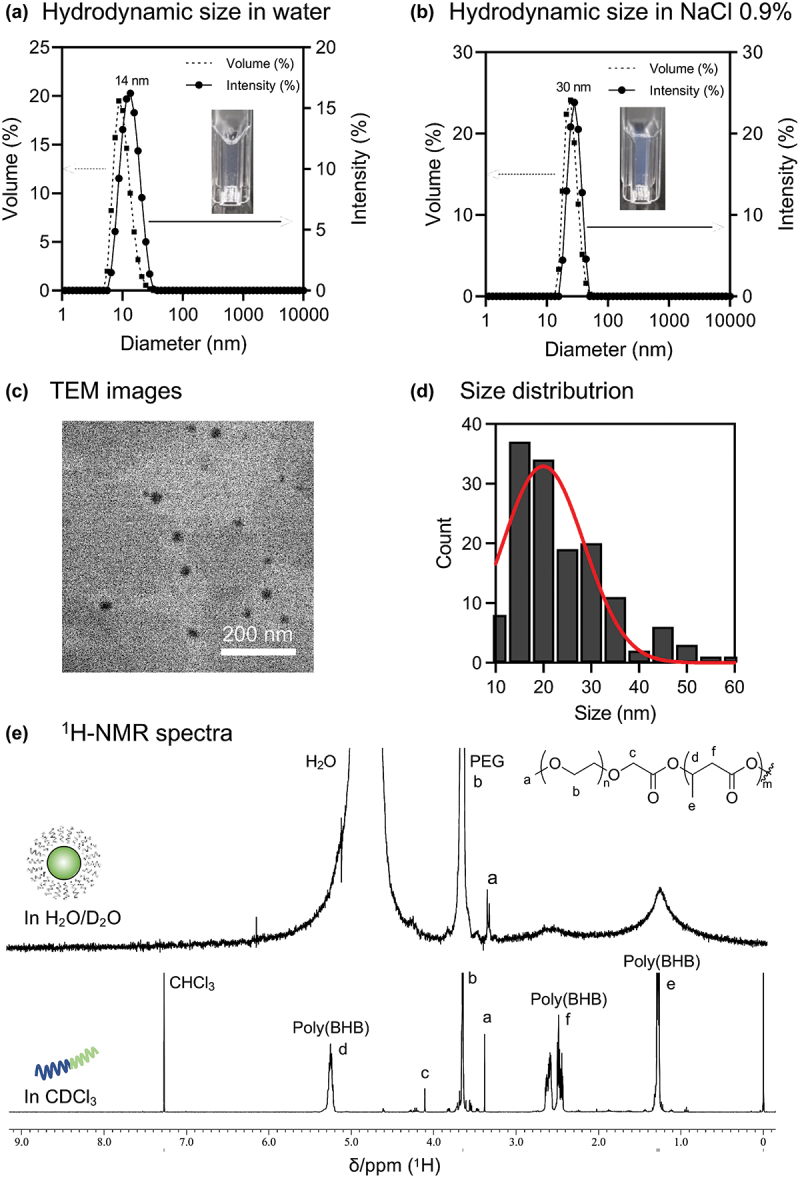 Figure 7
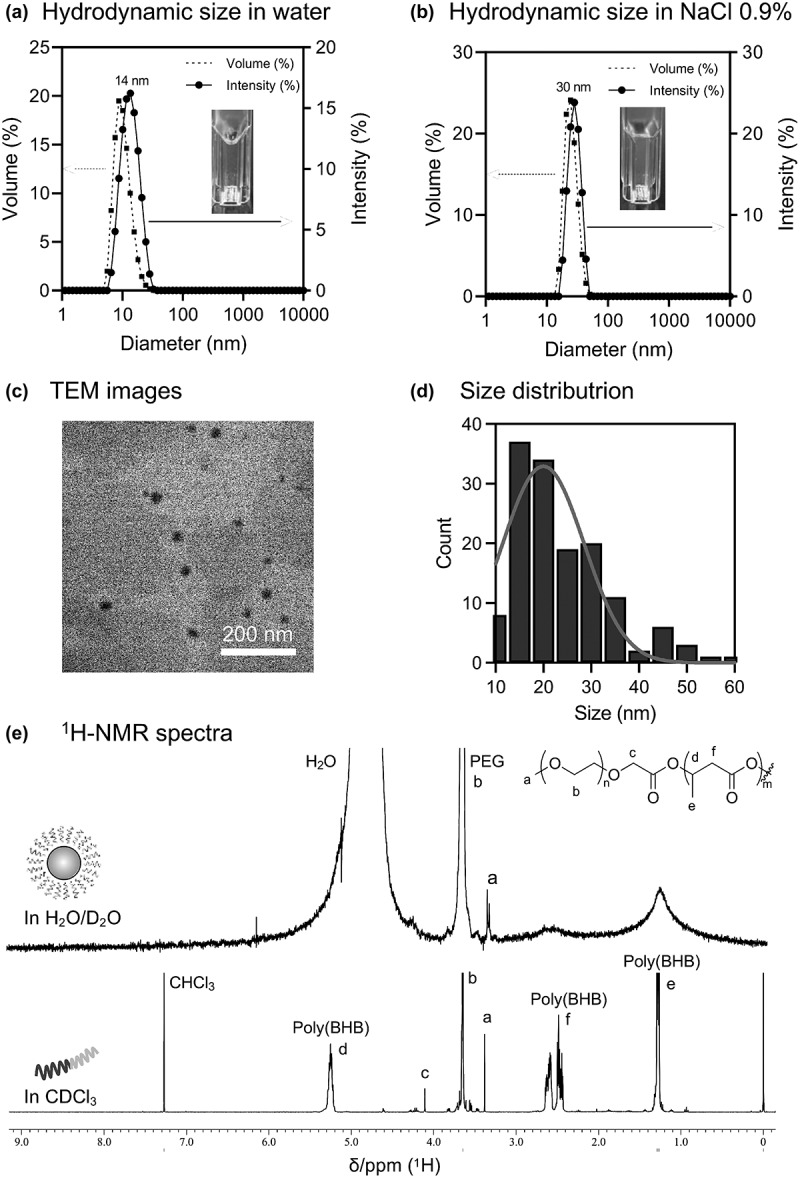 Figure 8
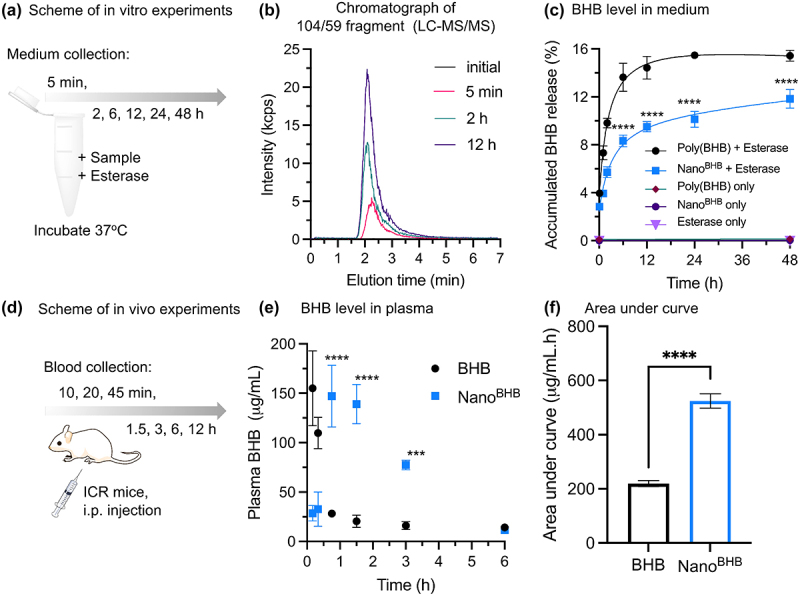 Figure 9
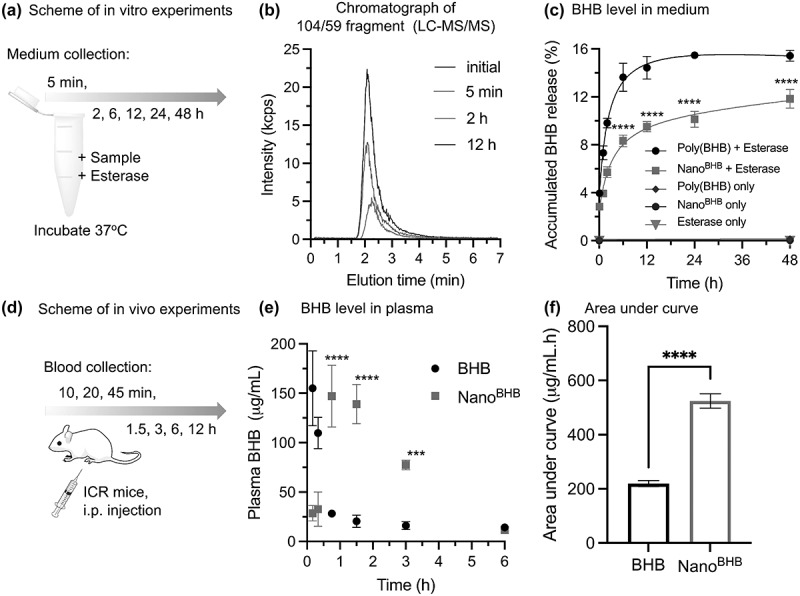 Figure 10
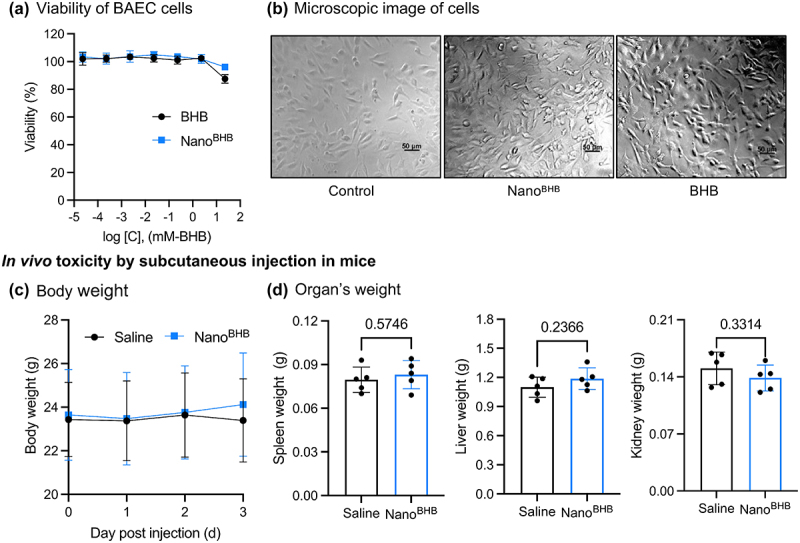 Figure 11
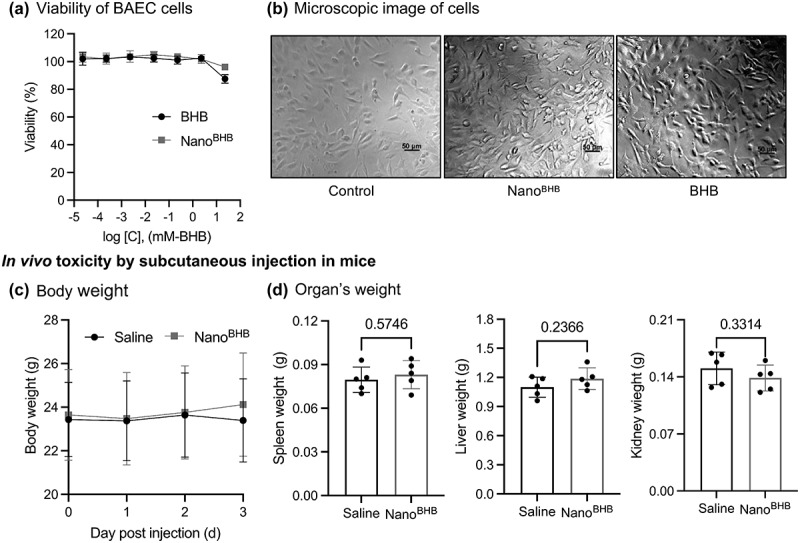 Figure 12
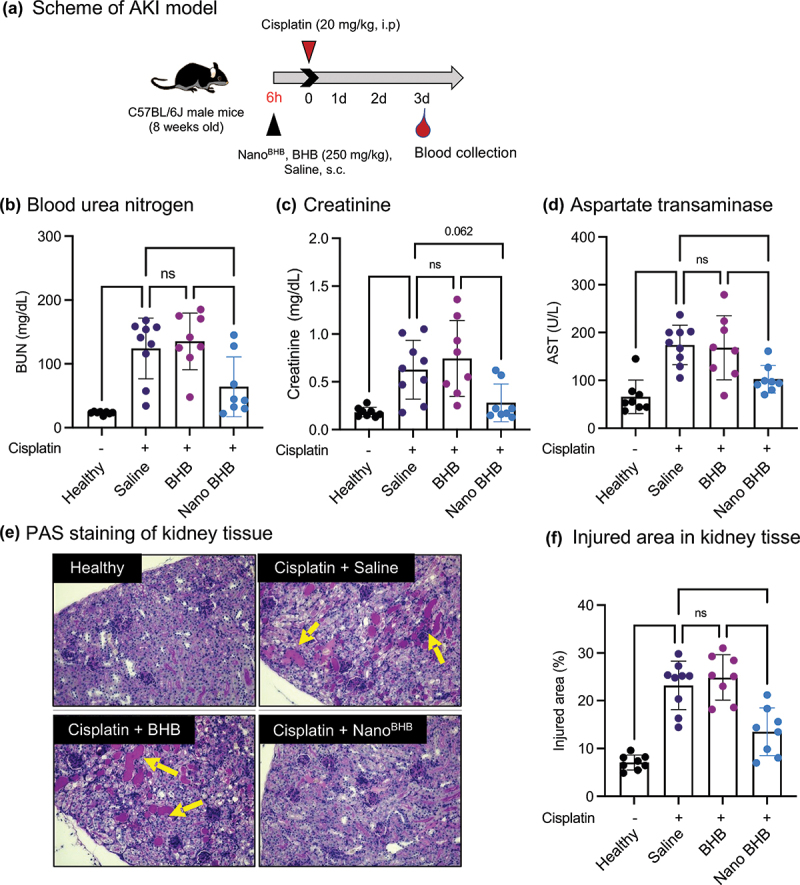 Figure 13
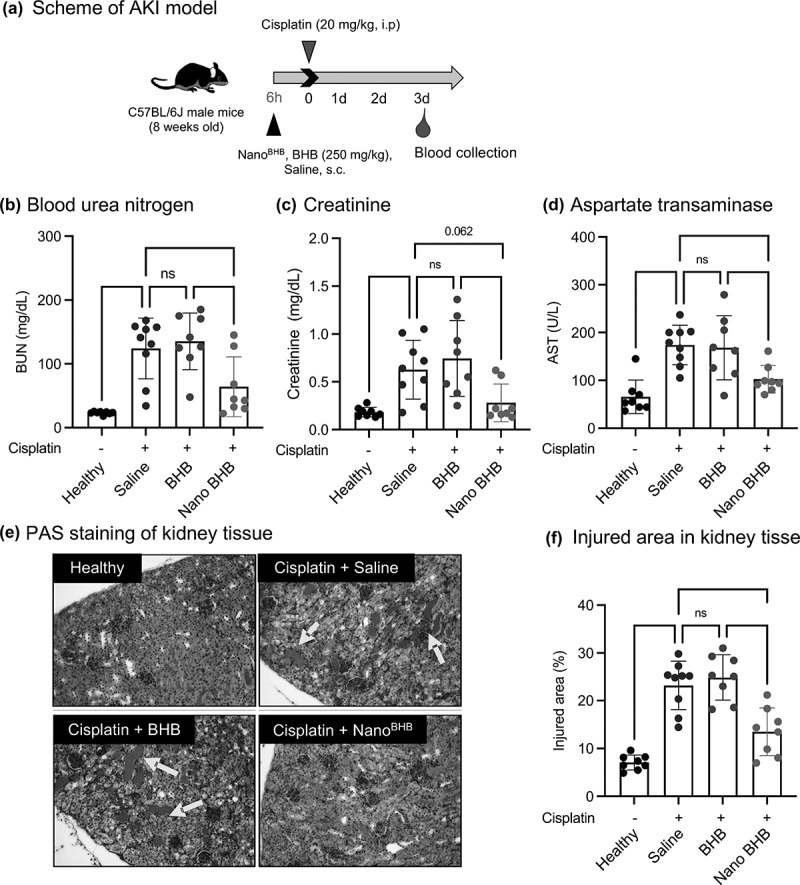 Figure 14
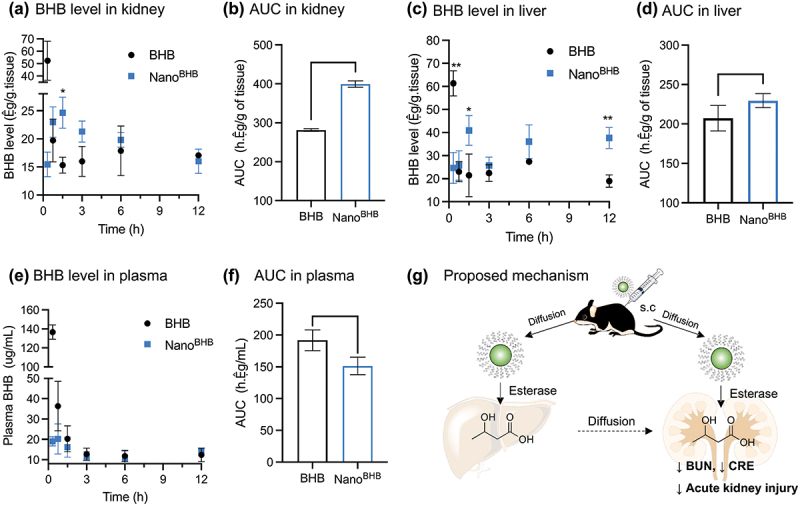 Figure 15
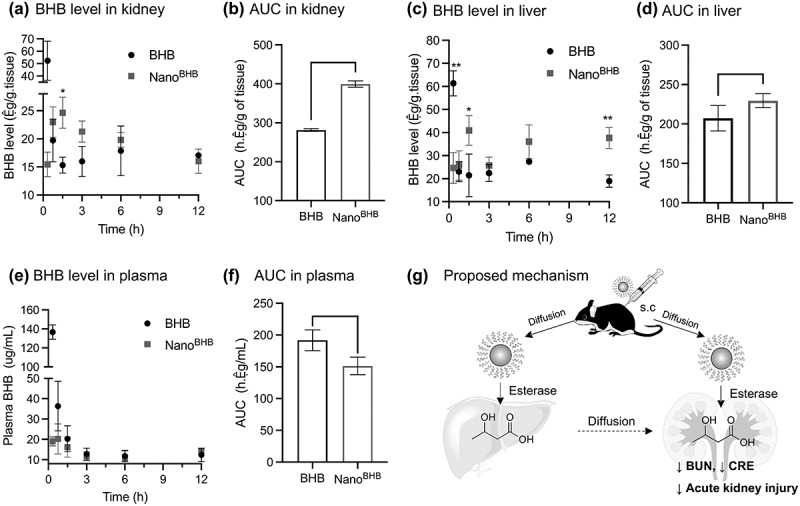 Figure 16
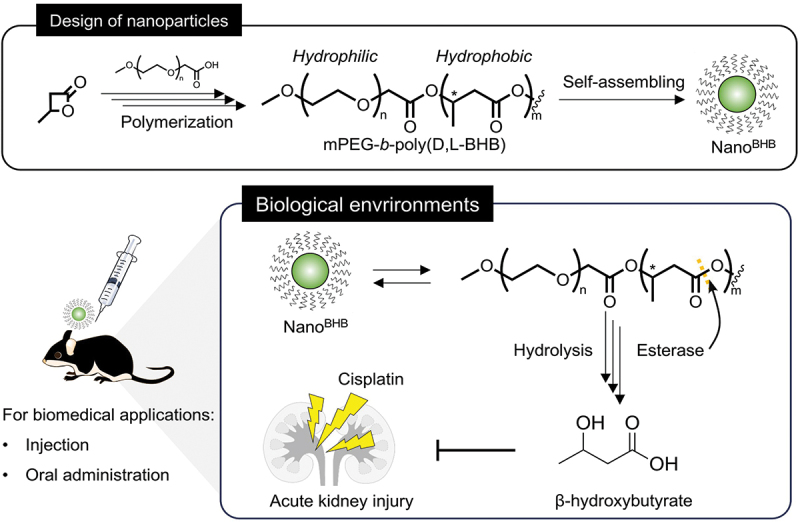 Figure 17
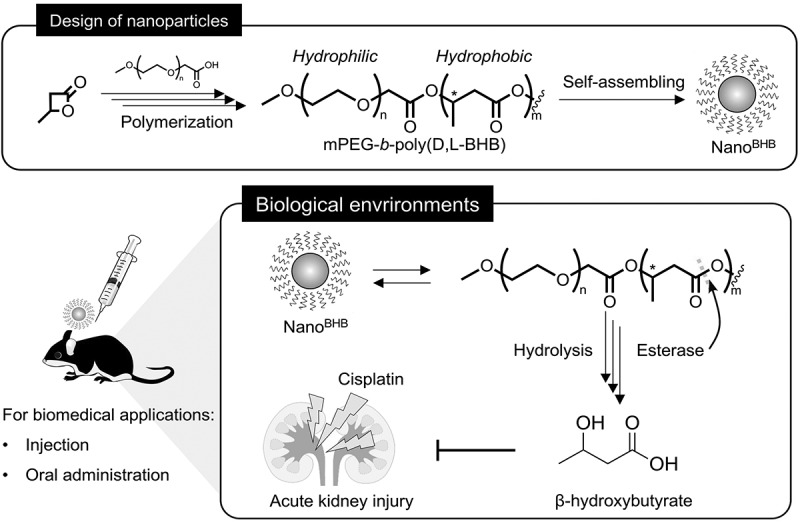 Figure 18
Peer Reviews
No public reviews on file for this paper yet. If you reviewed it on a platform where reviews are public (OpenReview, ICLR, NeurIPS, ICML), you can paste yours below so the community can read it here.
Videos
No videos yet. Explain this paper in a talk, walkthrough, or lecture? Add one.
Taxonomy
TopicsChemotherapy-induced organ toxicity mitigation · Pharmacological Effects and Toxicity Studies · Electrolyte and hormonal disorders