Transorbital B-mode ultrasound for the assessment of posterior globe flattening in idiopathic intracranial hypertension: a pilot study
Theresia Knoche, Charlotte Pietrock, Konrad Neumann, Mirjam Rossel-Zemkouo, Leon Alexander Danyel

TL;DR
This pilot study explores using transorbital ultrasound to detect and measure posterior globe flattening in patients with idiopathic intracranial hypertension.
Contribution
The study introduces a novel method using transorbital ultrasound and the Posterior Globe Angle to quantify posterior globe flattening in IIH.
Findings
PGF was present in 39% of IIH patients and absent in controls.
PGA3mm measurements significantly differed between IIH patients and controls.
A PGA3mm cutoff of ≥118.5° achieved 100% specificity in distinguishing IIH patients from controls.
Abstract
Posterior globe flattening (PGF) is a specific neuroimaging sign in patients with idiopathic intracranial hypertension (IIH), but its detection is based on subjective qualitative neuroradiological assessment. This study sought to evaluate the utility of transorbital ultrasound to detect and quantify PGF in IIH patients using the Posterior Globe Angle (PGA). Consecutive IIH patients and healthy controls were enrolled in a prospective case-control study. Transorbital ultrasound was performed to assess the presence of PGF. For quantification of PGF, an angular measurement (PGA) was performed with the vertex centering the optic nerve at a predefined distance from the lamina cribrosa and angle legs tangentially aligned to the borders of the vitreous body. PGA measurements were compared between IIH patients and healthy controls. Additionally, the diagnostic accuracy of PGA measurements in…
Genes, proteins, chemicals, diseases, species, mutations and cell lines named across the full text — each resolved to its canonical identifier and authoritative record.
Click any figure to enlarge with its caption.
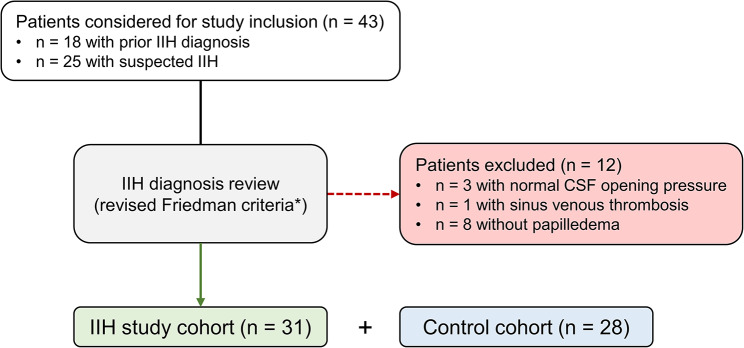 Figure 1
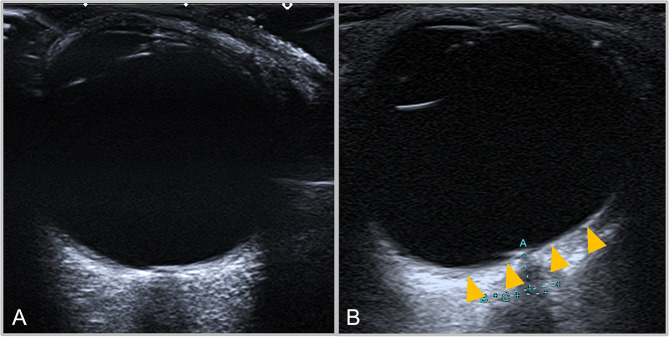 Figure 2
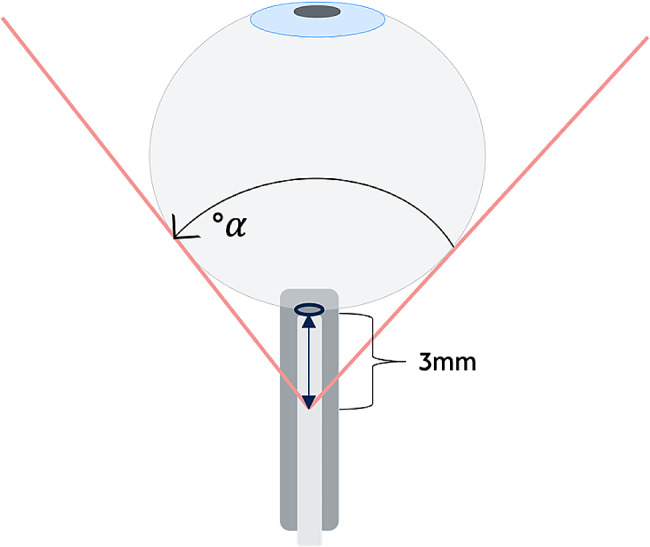 Figure 3
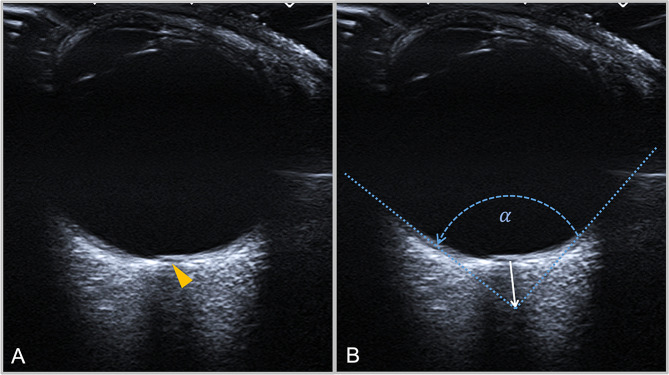 Figure 4
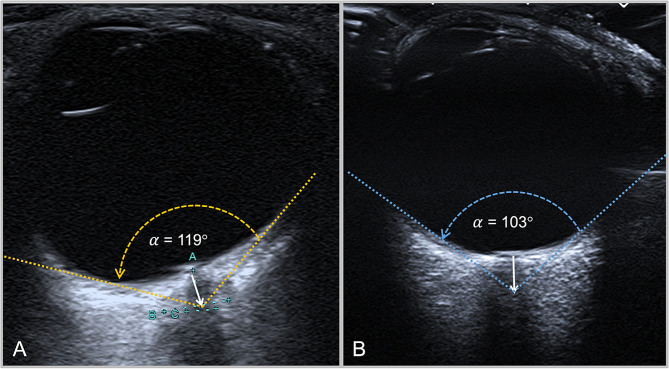 Figure 5
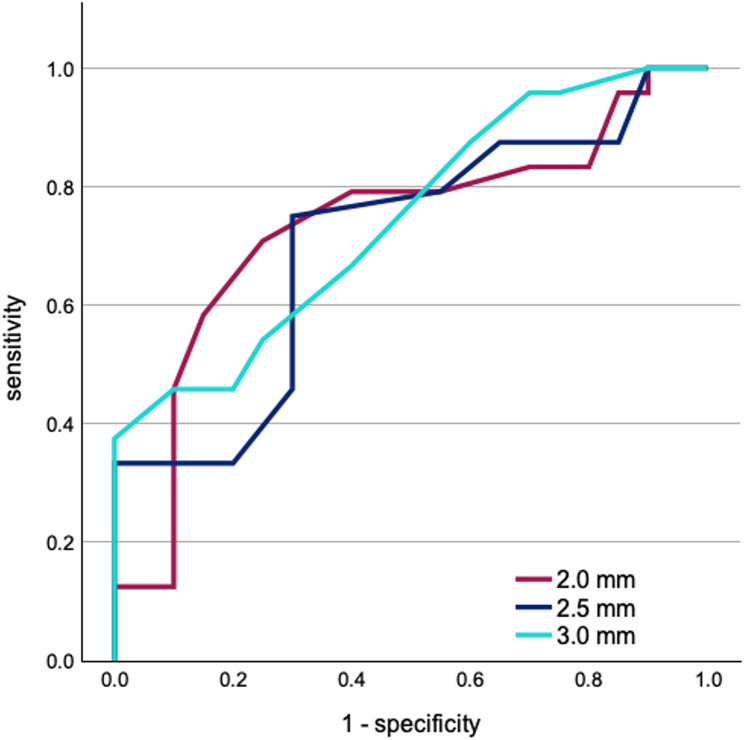 Figure 6
Peer Reviews
No public reviews on file for this paper yet. If you reviewed it on a platform where reviews are public (OpenReview, ICLR, NeurIPS, ICML), you can paste yours below so the community can read it here.
Videos
No videos yet. Explain this paper in a talk, walkthrough, or lecture? Add one.
Taxonomy
TopicsCerebral Venous Sinus Thrombosis · Glaucoma and retinal disorders · Ophthalmology and Eye Disorders